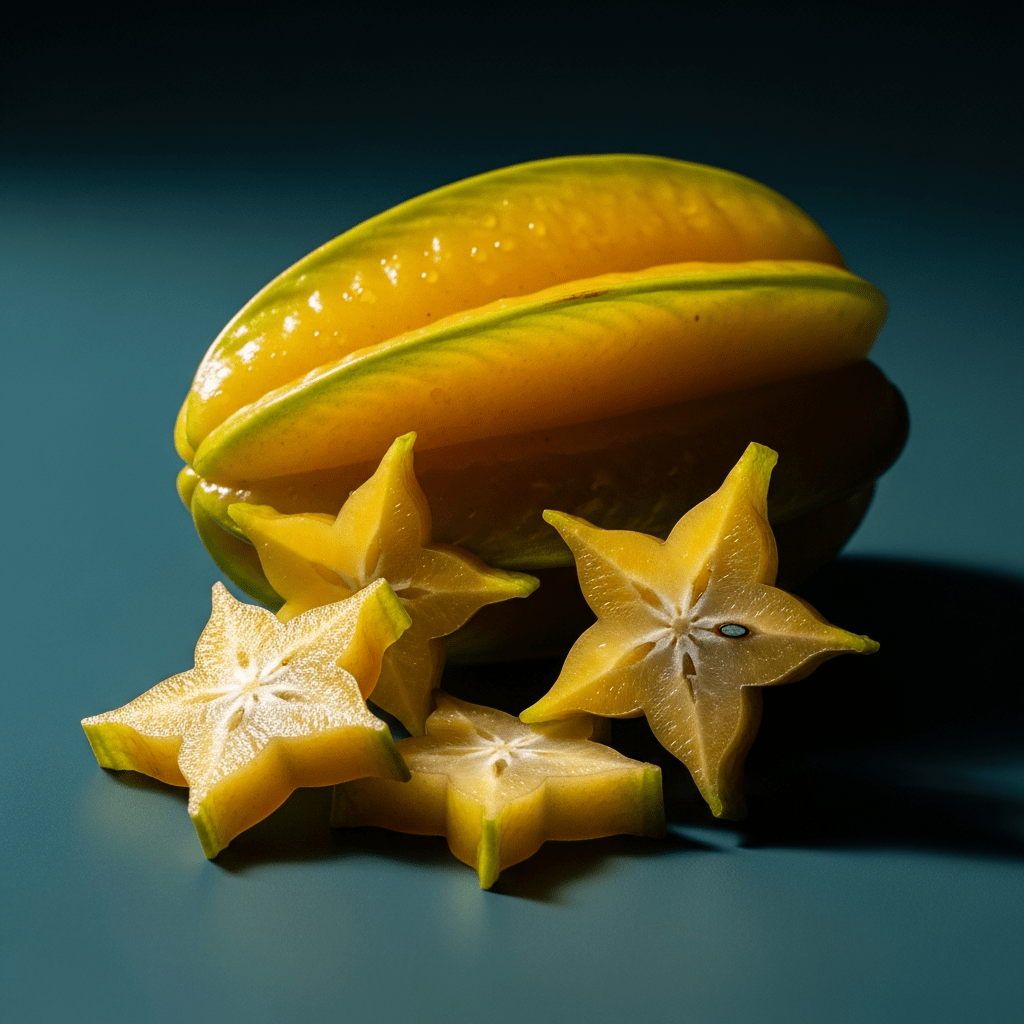
Starfruit
Starfruit (Averrhoa carambola) is a tropical fruit instantly recognized by its star-shaped cross-section and crisp, juicy texture, enjoyed fresh or in a variety of culinary preparations worldwide.
Starfruit (Averrhoa carambola) is a tropical fruit instantly recognized by its star-shaped cross-section and crisp, juicy texture, enjoyed fresh or in a variety of culinary preparations worldwide.
Native to Southeast Asia—particularly the Malay Peninsula, India, Malaysia, Indonesia, and the Philippines—starfruit has been cultivated for centuries. Its domestication is rooted in traditional propagation rather than formal breeding, with local farmers selecting for sweetness and reduced acidity over generations. Today, starfruit is grown throughout tropical and subtropical regions, reflecting its enduring appeal and adaptability.
Starfruit belongs to the family Oxalidaceae and is scientifically named Averrhoa carambola. It is classified as a fleshy, seed-bearing fruit, fitting within the broader botanical taxonomy of edible fruits. Its unique morphology places it among tropical specialty fruits, distinct from berries, drupes, or pomes, and it is grouped by both botanical and culinary standards for its ornamental and edible qualities.
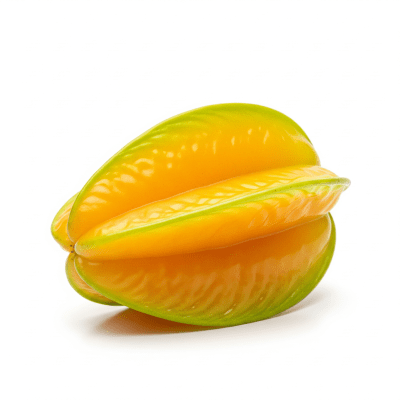
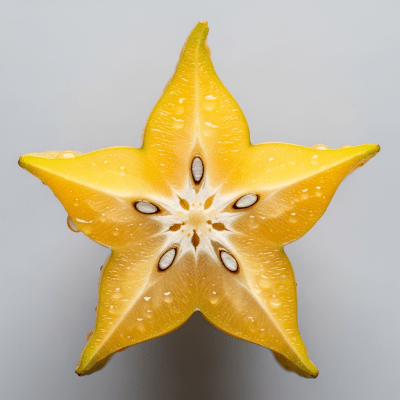
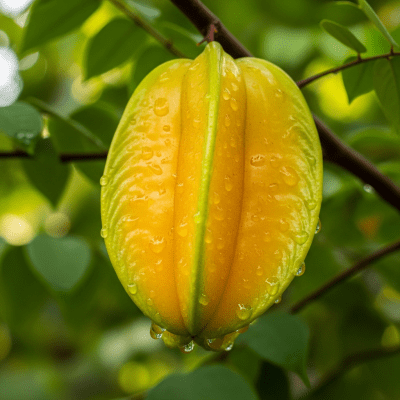
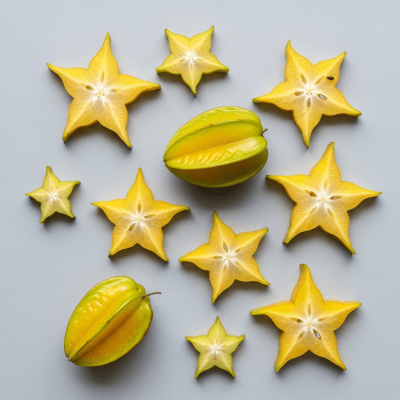
Starfruit is small to medium-sized (5–15 cm long), oblong, and marked by five prominent longitudinal ridges. When sliced, these ridges create a striking star-shaped cross-section. The skin is thin, waxy, and transitions from green to golden yellow as it ripens. Inside, the flesh is translucent, crisp, and juicy, with a flavor that ranges from tart to sweet depending on variety and ripeness. Small, flat seeds are nestled in the central core.
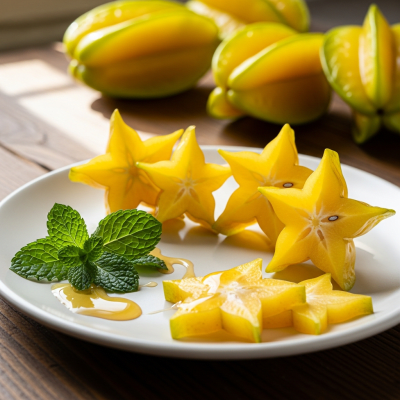
Starfruit is prized for its decorative appeal and versatility. It is commonly consumed fresh, sliced to showcase its star shape, and featured in fruit salads, desserts, juices, and as a garnish. In Southeast Asia and the Caribbean, it is also pickled or cooked in savory dishes. Commercially, starfruit is available both as fresh produce and in processed forms such as juice, jam, and dried fruit, making it a staple in both household kitchens and global markets.
Bring this kind into your world illustrated posters, mugs, and shirts.

Archival print, museum-grade paper
Buy Poster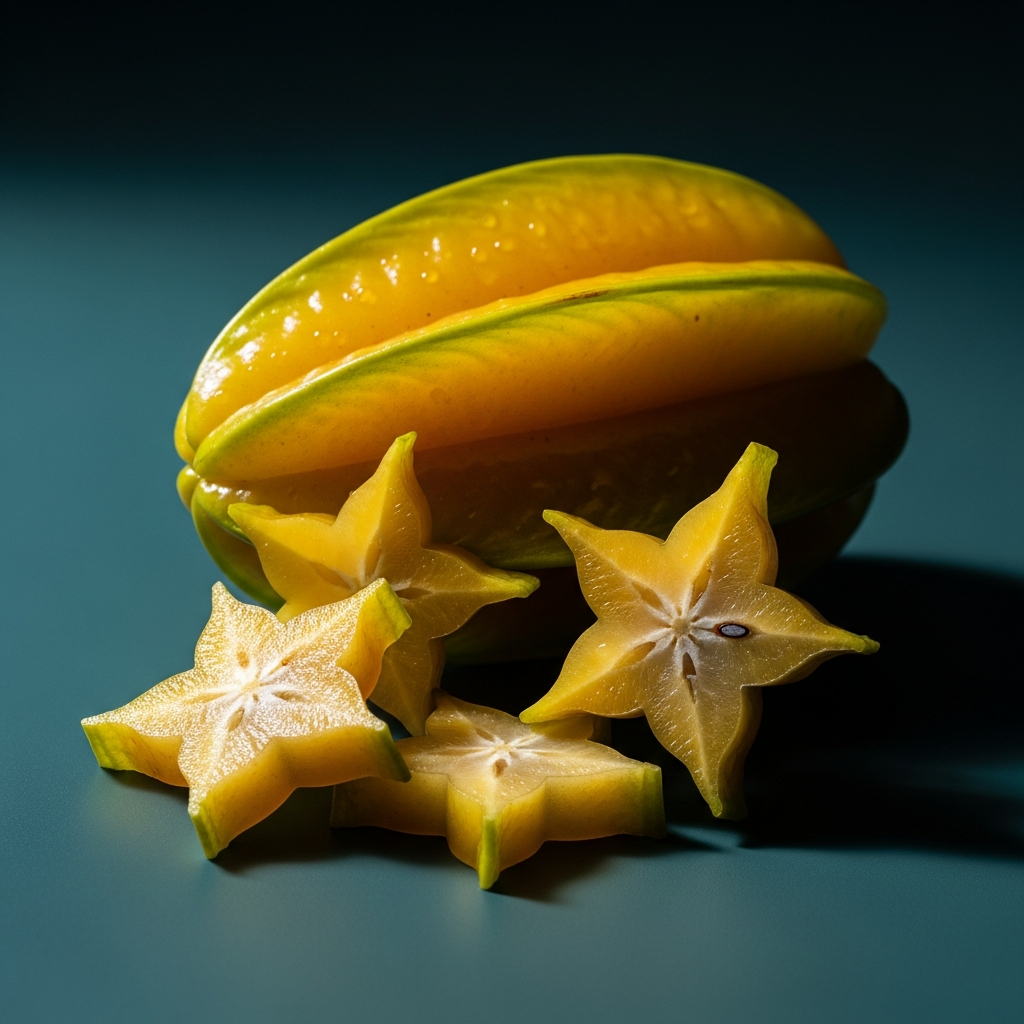
Stoneware mug, dishwasher safe
Buy Mug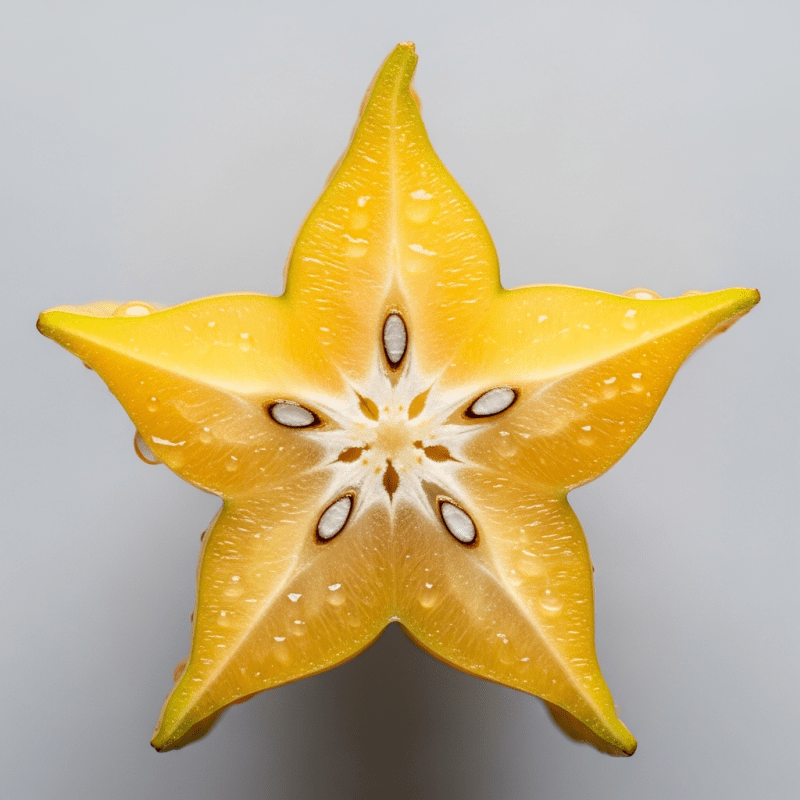
Soft cotton tee, unisex sizes
Buy ShirtStarfruit’s distinctive shape has made it a symbol of exotic beauty and abundance in many cultures. In Southeast Asia, it is celebrated in local cuisine and traditional markets, while in the Caribbean, it is affectionately called "five-finger fruit." Its ornamental qualities lend it to festive displays and culinary presentations, and its presence in art, folklore, and holiday dishes highlights its role as both a food and a cultural icon.
The starfruit tree is a perennial, semi-evergreen species reaching 5–12 meters tall with a bushy canopy. It thrives in humid, tropical climates and prefers well-drained soils. The fruit itself is oblong, with five ridges, thin waxy skin, and translucent, juicy flesh. Trees begin bearing fruit within 3–5 years of planting, and mature specimens can yield several hundred fruits annually. Starfruit is moderately susceptible to fruit fly and fungal diseases, and some cultivars are bred for resistance to cracking and improved sweetness.
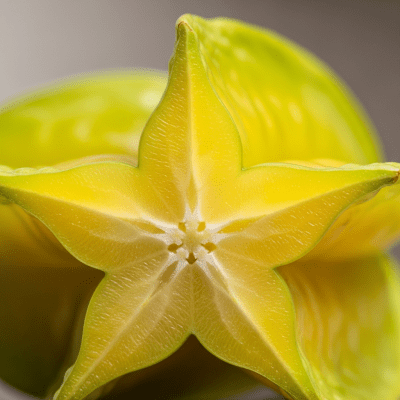
Starfruit is a low-calorie fruit rich in vitamin C, dietary fiber, and antioxidants. Its nutrient profile supports immune health and digestion, while its hydrating, juicy flesh is refreshing. However, the fruit contains significant oxalic acid, which may pose risks for individuals with kidney disorders, so it should be consumed with caution by sensitive populations.
Starfruit is enjoyed fresh, often sliced to reveal its star shape for salads, desserts, and garnishes. Its sweet-tart flavor complements juices, jams, and preserves. In Southeast Asia and the Caribbean, starfruit is pickled or cooked in savory dishes, adding a tangy note to local recipes. Its versatility makes it popular in both home kitchens and professional culinary settings.
Starfruit trees thrive in humid, tropical climates with moderate rainfall and well-drained soils. Sensitive to frost and drought, they require careful management in non-native regions. Trees begin producing fruit 3–5 years after planting, with mature trees yielding several hundred fruits annually. Harvesting occurs year-round in major producing countries, with peak seasons in late summer and autumn. Post-harvest, starfruit is prone to bruising and has a short shelf life, necessitating gentle handling and prompt distribution.
While specific cultivar names are less widely publicized, starfruit varieties are generally distinguished by sweetness, acidity, and size. Modern commercial selections favor sweeter fruit and reduced oxalate content. Regional cultivars, such as those found in Malaysia and India, may differ in flavor profile and resistance to fruit cracking, catering to local preferences and growing conditions.
Starfruit is produced and exported by tropical countries including India, Malaysia, Brazil, Indonesia, and the Philippines. It is available year-round, with peak harvests varying by region. The fruit is traded both as fresh produce and in processed forms such as juice and dried fruit. Its short shelf life and susceptibility to bruising present logistical challenges, but its ornamental appeal and versatility continue to drive demand in global markets.
Across Southeast Asia, starfruit is known by names such as carambola, kamrakh, and belimbing manis, reflecting its integration into local languages and cuisines. Regional cultivars vary in sweetness, acidity, and size, with some preferred for fresh eating and others for pickling or cooking. In the Caribbean, "five-finger fruit" is a staple in festive dishes and beverages. These variations highlight the fruit’s adaptability and cultural resonance in diverse communities.