Rambutan
Rambutan is a tropical fruit celebrated for its vibrant hairy skin and sweet, juicy flesh, native to Southeast Asia and widely enjoyed both fresh and processed.
Rambutan is a tropical fruit celebrated for its vibrant hairy skin and sweet, juicy flesh, native to Southeast Asia and widely enjoyed both fresh and processed.
Rambutan originated in the lush, humid landscapes of the Malay-Indonesian region, with historical cultivation stretching back centuries in Malaysia, Indonesia, and Thailand. The species Nephelium lappaceum was formally described by Carl Linnaeus in 1767, but its domestication arose from wild selection rather than targeted breeding. Over time, local growers developed improved cultivars, adapting rambutan to regional tastes and climates.
Botanically, rambutan belongs to the Sapindaceae family, sharing close kinship with lychee and longan. It is classified as a drupe—a fleshy fruit with a single large seed—distinguished by its unique hairy exterior. This places rambutan within the broader taxonomy of edible fruits, specifically among tropical, seed-bearing varieties consumed worldwide.
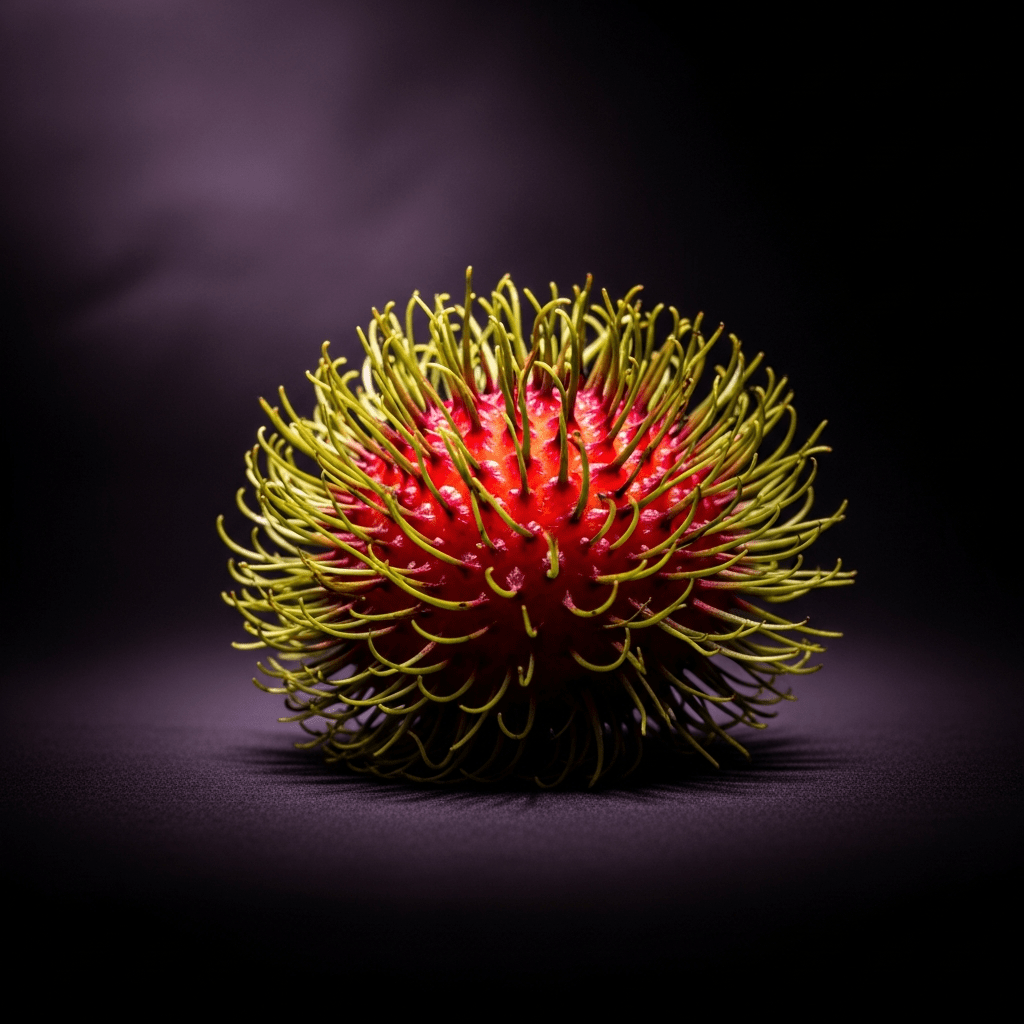
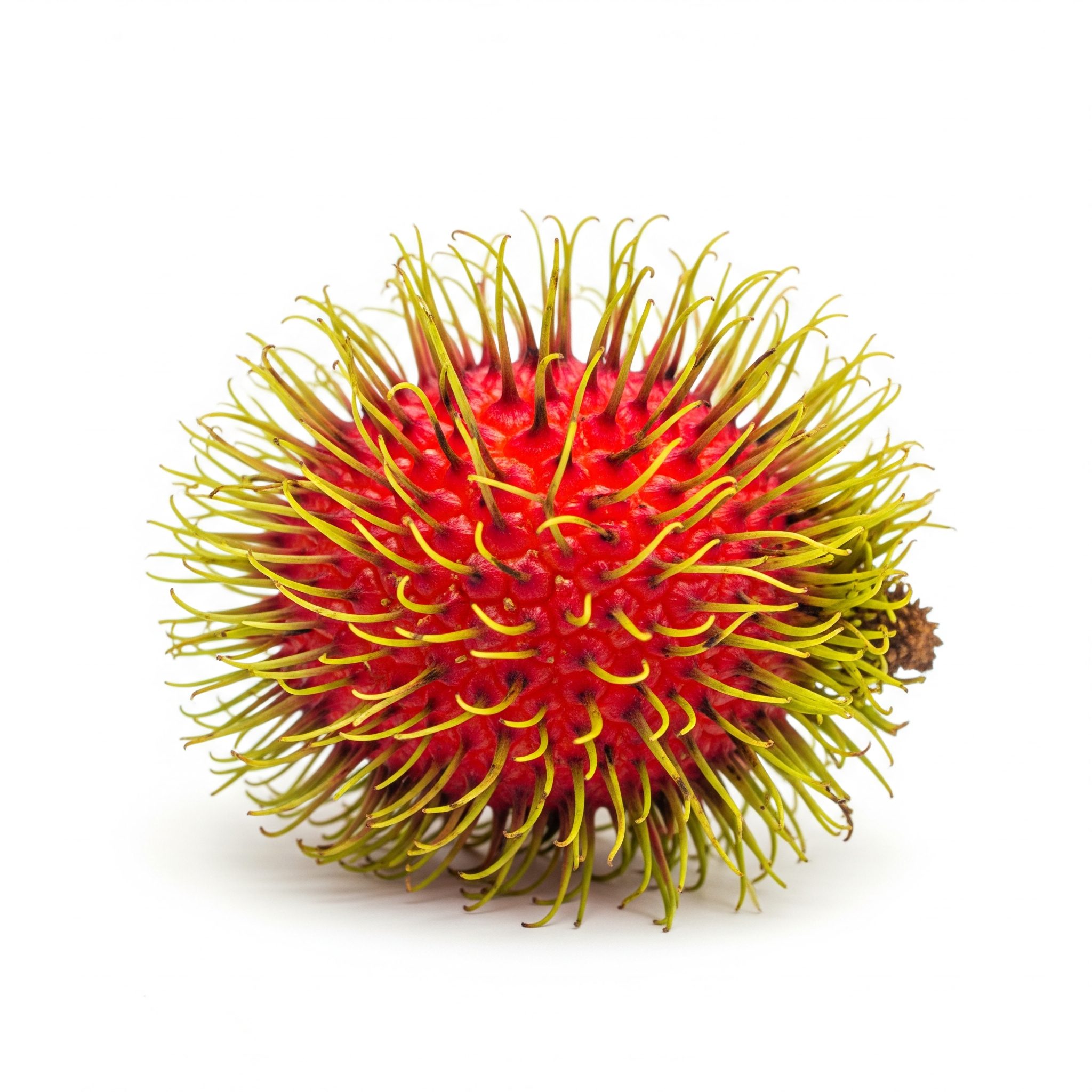
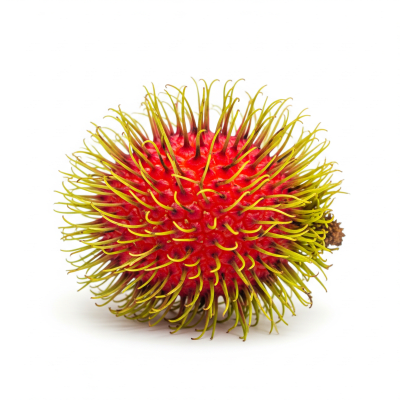
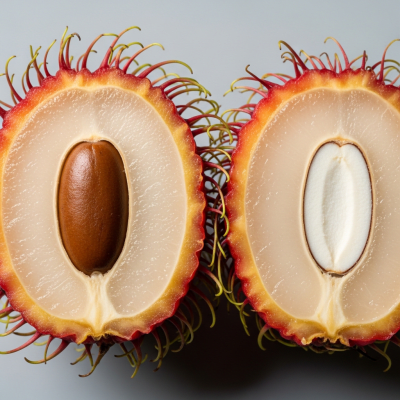
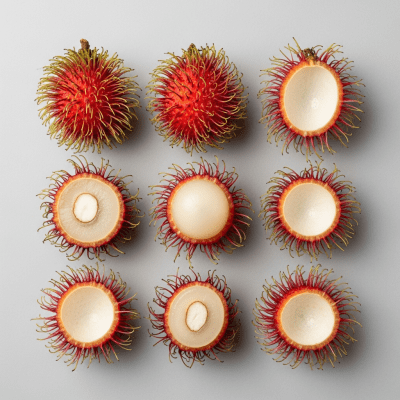
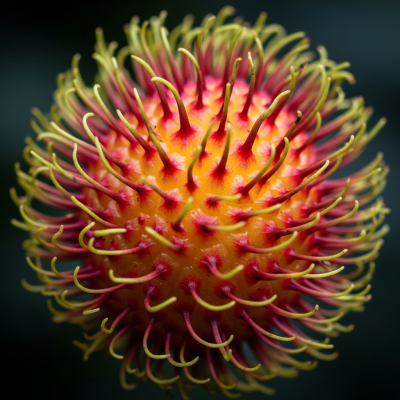
Rambutan’s appearance is striking: its round to oval fruit, measuring 3–6 cm in diameter, is encased in leathery red or yellow skin covered with soft, pliable, hair-like spines. The name itself stems from the Malay word for “hair.” When peeled, the fruit reveals a translucent white flesh that is sweet, mildly acidic, and juicy, enveloping a single large seed at the center.
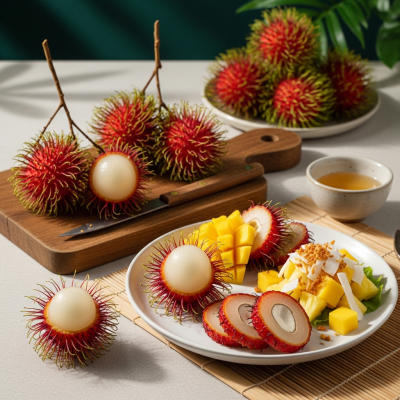
Rambutan is primarily enjoyed fresh, peeled and eaten raw for its refreshing flavor. It is also used in fruit salads, desserts, and beverages, and can be canned, dried, or made into jams and jellies. In some regions, the seeds are roasted and consumed locally, though this is less common due to trace toxins. Rambutan’s high vitamin C and antioxidant content make it a valued addition to healthy diets, and its festive appearance often features in celebrations and traditional medicine.
Bring this kind into your world illustrated posters, mugs, and shirts.
Archival print, museum-grade paper
Buy Poster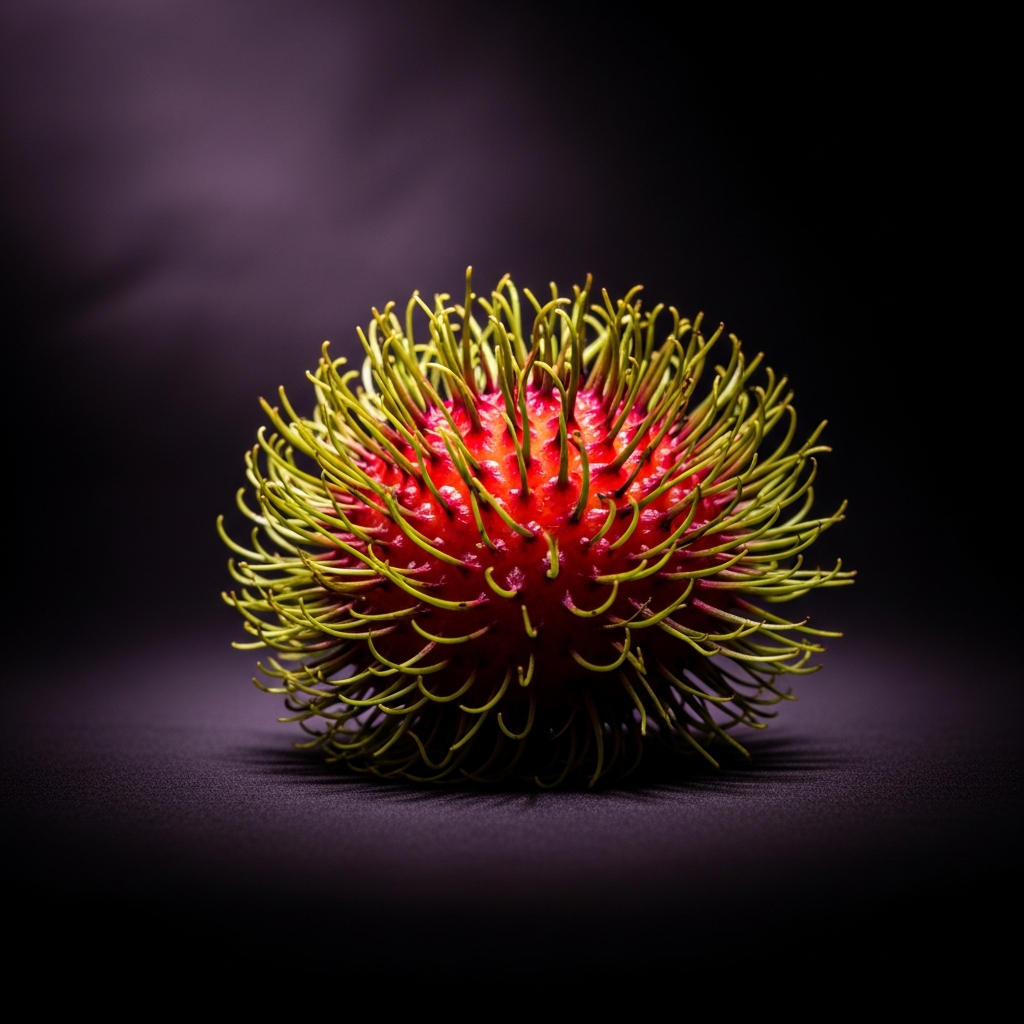
Stoneware mug, dishwasher safe
Buy Mug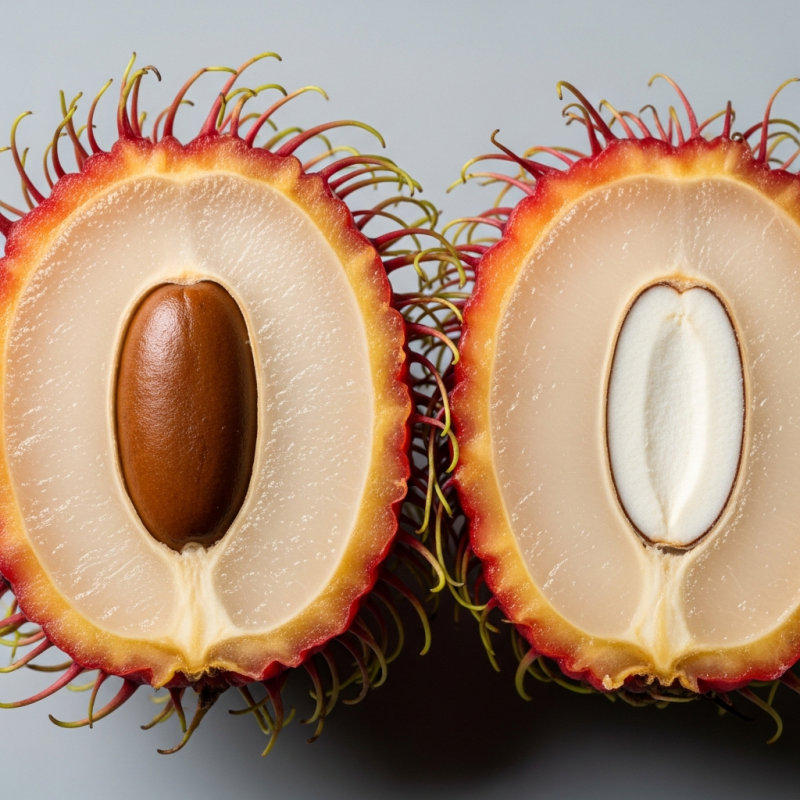
Soft cotton tee, unisex sizes
Buy ShirtRambutan holds a cherished place in Southeast Asian culture, often associated with festivals, hospitality, and traditional remedies. Its vibrant look and sweet taste make it a symbol of abundance and celebration, appearing in local art and folklore. The fruit’s presence in markets and homes reflects its role in daily life and cultural identity, while regional names like “buah rambutan” and “chôm chôm” highlight its deep-rooted significance.
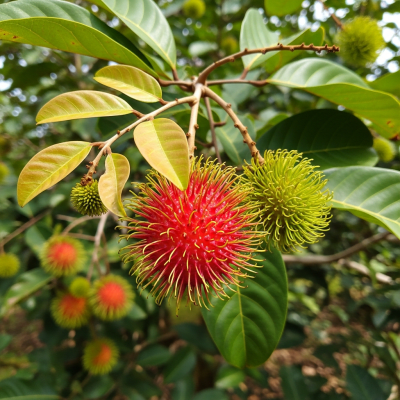
Rambutan trees are medium-sized evergreens, reaching heights of 12–20 meters. The fruit is a round or oval drupe with leathery, brightly colored skin and soft, hair-like spines. Inside, the edible flesh is translucent and juicy, surrounding a single large seed. Rambutan thrives in humid, tropical climates with well-drained soils and requires consistent rainfall and temperatures above 22°C. The species shows moderate resistance to some pests but is susceptible to fruit rot and anthracnose.
Rambutan is a nutritious fruit, rich in vitamin C, dietary fiber, and antioxidants. Its consumption supports immune health, aids digestion, and provides natural energy. The fruit’s low calorie content and beneficial plant compounds make it a popular choice for balanced diets in tropical regions.
Rambutan is most often enjoyed fresh, peeled and eaten out of hand. Its sweet, juicy flesh is a favorite in fruit salads, tropical desserts, and refreshing beverages. The fruit is also canned, dried, or made into jams and jellies for longer shelf life and varied culinary uses. Locally, roasted rambutan seeds are sometimes consumed, though this practice is uncommon due to their natural toxins.
Rambutan is cultivated in humid, tropical regions, thriving in well-drained soils and consistent rainfall. Trees yield 10–20 kg of fruit per season, with harvests typically occurring once or twice a year depending on climate. The fruit is hand-picked when ripe, as rambutan is sensitive to bruising and highly perishable. Growers must manage pests, diseases, and post-harvest handling carefully to maintain quality and reduce losses.
Rambutan is a commercially important fruit in Southeast Asia, with significant exports to China, Europe, and North America. Its popularity has grown in international markets, driven by demand for exotic, healthy fruits. Production is concentrated in Malaysia, Indonesia, and Thailand, where local and export varieties are cultivated to meet both domestic and global needs.
Across Southeast Asia, rambutan is celebrated in local festivals and traditional medicine, with regional cultivars offering distinct flavors, colors, and textures. In Malaysia and Indonesia, ‘buah rambutan’ is a household staple, while Thai varieties like ‘Rongrien’ are cultivated for export. The fruit is sometimes confused with lychee and longan, yet each region maintains unique preferences and uses, reflecting rambutan’s adaptability and cultural importance.