Strawberry
The strawberry is a vibrant, sweet-tart fruit celebrated worldwide for its juicy texture, striking red color, and versatility in both fresh and processed forms.
The strawberry is a vibrant, sweet-tart fruit celebrated worldwide for its juicy texture, striking red color, and versatility in both fresh and processed forms.
The modern strawberry, Fragaria × ananassa, traces its roots to 18th-century Europe, where breeders in France hybridized North American Fragaria virginiana with Chilean Fragaria chiloensis. This cross, first documented by Antoine Nicolas Duchesne, marked the beginning of the cultivated strawberry's journey from wild species to a global agricultural staple.
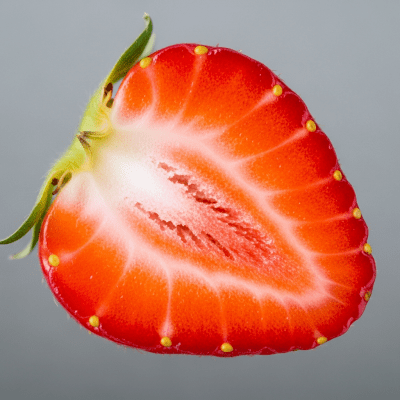
Strawberries belong to the Rosaceae family and are botanically classified as aggregate accessory fruits. Unlike true berries, their fleshy part develops from the flower's receptacle, with tiny achenes (the actual fruits) dotting the surface. This places strawberries among the most distinctive members of the fruit taxonomy, bridging scientific and culinary definitions.
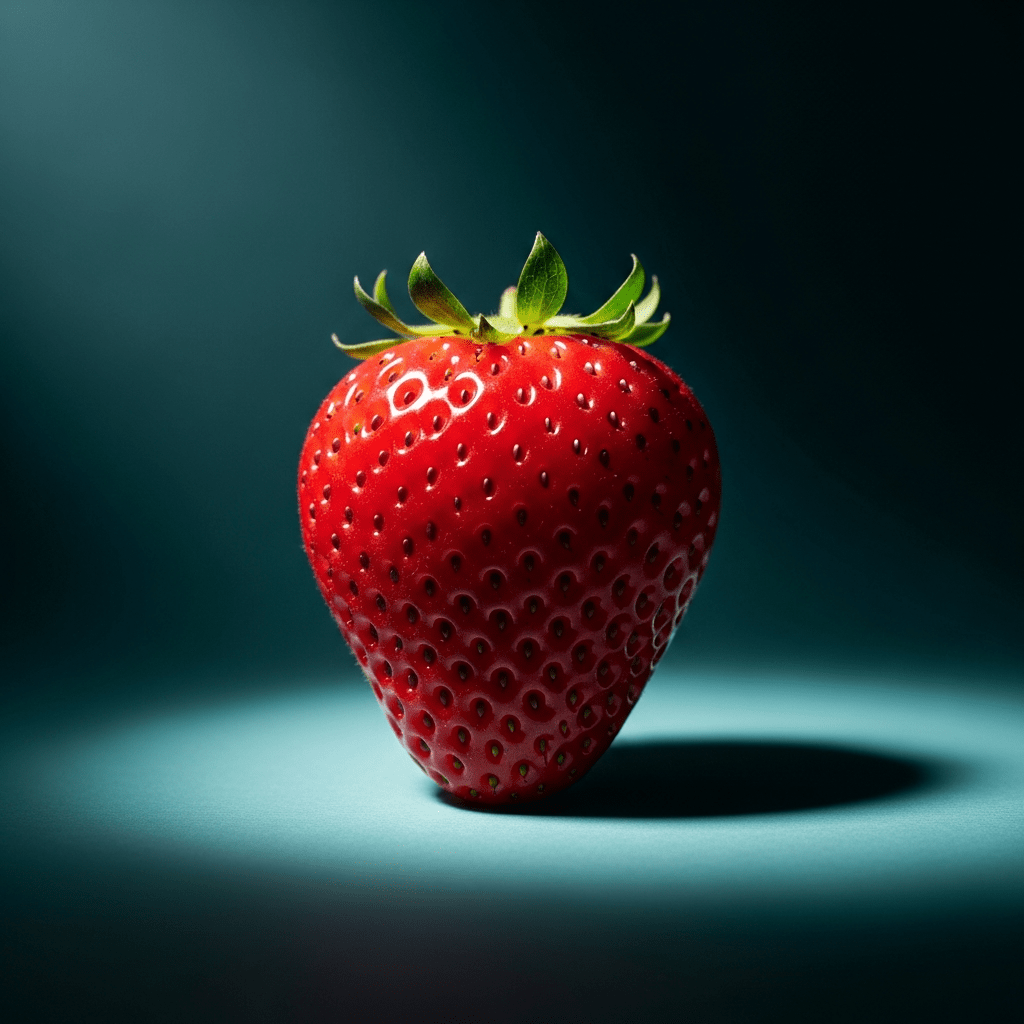
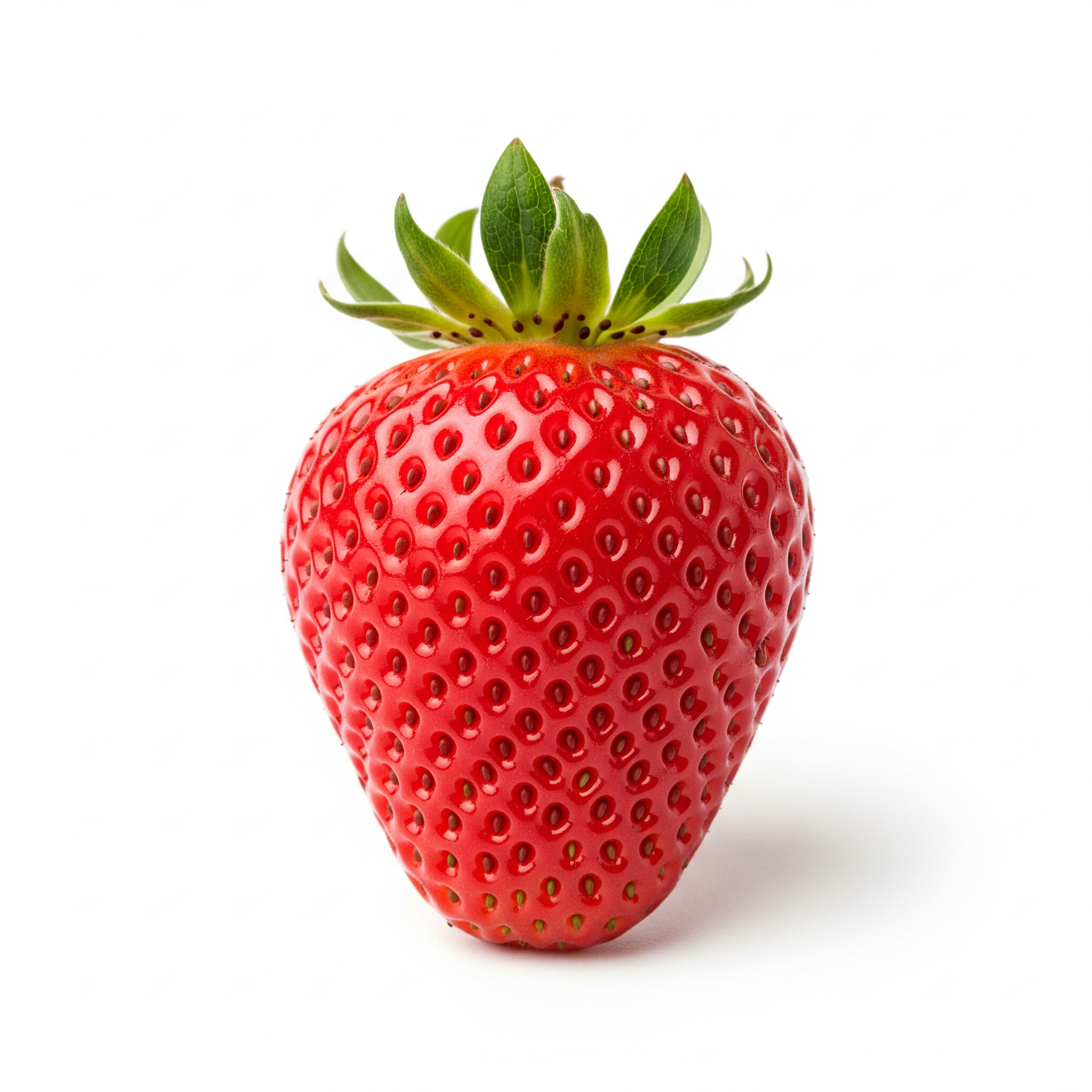
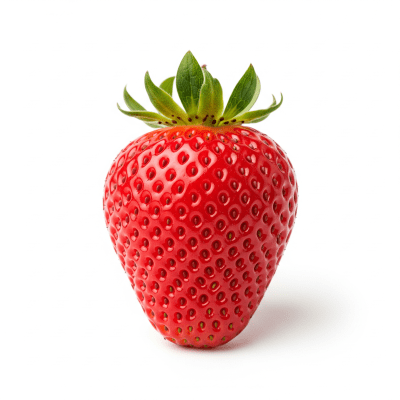
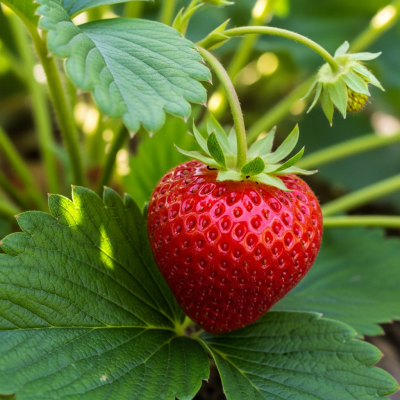
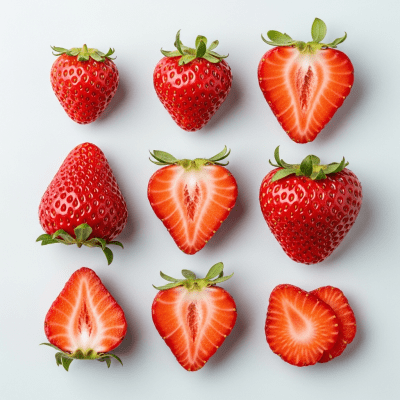
Strawberries are instantly recognizable by their bright red hue, glossy skin, and heart-like shape. Each fruit measures 2–5 cm in diameter, with a surface speckled by tiny seeds (achenes). The flesh is juicy and fragrant, offering a pleasing balance of sweetness and acidity. Some varieties display pink or white tones, and the plant itself features trifoliate leaves and delicate white or pink flowers.
Strawberries are enjoyed fresh, frozen, dried, or transformed into jams, jellies, syrups, and desserts. Their flavor and aroma make them a favorite in baked goods, dairy products, beverages, and confectionery. Beyond the kitchen, strawberries are essential to commercial agriculture, home gardening, and global trade, valued for both their taste and nutritional benefits.
Bring this kind into your world illustrated posters, mugs, and shirts.
Archival print, museum-grade paper
Buy Poster
Stoneware mug, dishwasher safe
Buy Mug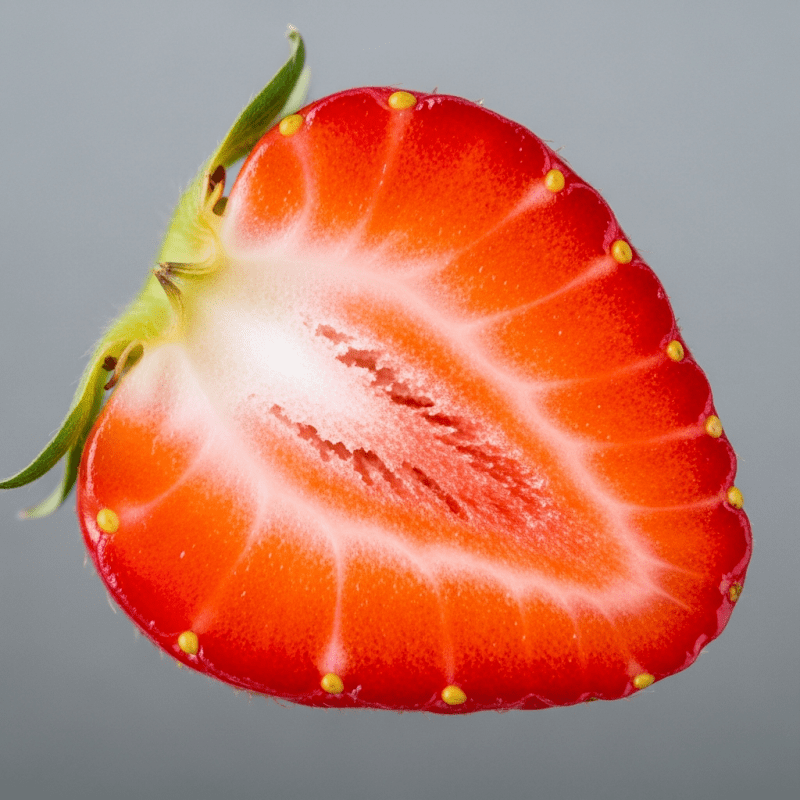
Soft cotton tee, unisex sizes
Buy ShirtStrawberries hold a special place in art, folklore, and modern culture. Their heart-shaped form often symbolizes love and purity, appearing in paintings, literature, and celebrations. In many cultures, strawberries are associated with spring and renewal, featured in festivals and seasonal dishes. The fruit's popularity is reflected in everything from classic desserts to pop culture references, making it a true icon among fruits.
Strawberries are herbaceous perennials with a low, spreading growth habit. They feature trifoliate leaves and white or pink flowers. The fruit itself is an aggregate accessory, with the fleshy part derived from the flower's receptacle and achenes (true fruits) visible as seeds on the surface. Fruit size varies by cultivar, typically ranging from 2 to 5 cm in diameter, and color is most often a vivid red when ripe.

Strawberries are a nutritional powerhouse, especially noted for their high vitamin C content. They also provide manganese, folate, and dietary fiber, supporting immune health, metabolism, and digestion. Their low calorie count and antioxidant properties make them a popular choice for healthy diets.
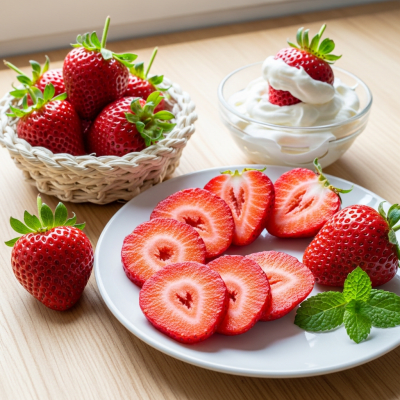
Strawberries shine in a wide range of culinary uses. They are enjoyed fresh as snacks or in salads, and are essential in desserts like shortcake, tarts, and ice cream. The fruit is commonly processed into jams, jellies, syrups, and sauces, and adds vibrant flavor to baked goods, yogurts, smoothies, and beverages. Their sweet-tart profile pairs well with both sweet and savory dishes.
Strawberries thrive in well-drained soils and moderate climates, but are sensitive to frost and drought. Cultivation involves selecting disease-resistant cultivars, managing pests such as aphids and spider mites, and optimizing yield through careful agronomy. Commercial harvests typically peak in spring and early summer in temperate regions, with yields averaging 25–40 tons per hectare. In some subtropical areas, strawberries can be grown and harvested year-round.
Strawberries are among the most widely traded fruits globally. Major producers include the United States, China, Mexico, and Spain, each contributing to year-round availability in international markets. The fruit's popularity drives significant commercial production, with grading and trade standards ensuring quality and freshness from farm to consumer.
Regional differences in strawberry cultivation and use are notable. In Europe, heritage varieties like 'Cambridge Favourite' are popular, while North America favors larger, commercial cultivars. Alpine and wild strawberries are cherished for their unique flavors in certain regions. The term 'garden strawberry' is often used to distinguish cultivated types from wild relatives, and culinary traditions vary worldwide, from Japanese strawberry desserts to Spanish strawberry preserves.