Origin Story
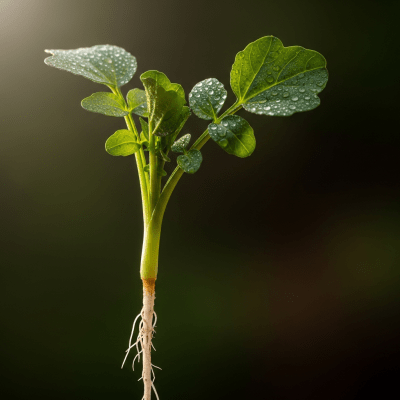
The cultivation and consumption of vegetables trace back thousands of years, originating independently in various regions worldwide. Early agricultural societies domesticated wild plants for their edible parts, adapting species to local climates and tastes. Over time, this led to the rich variety of vegetables known today, shaped by human selection, trade, and cultural exchange.
Classification
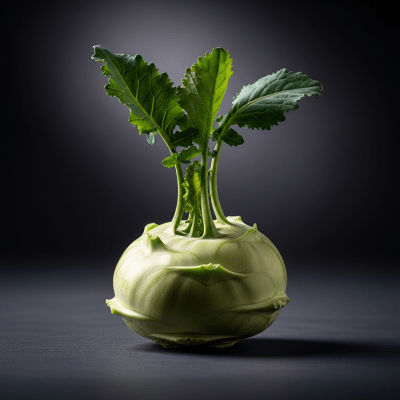
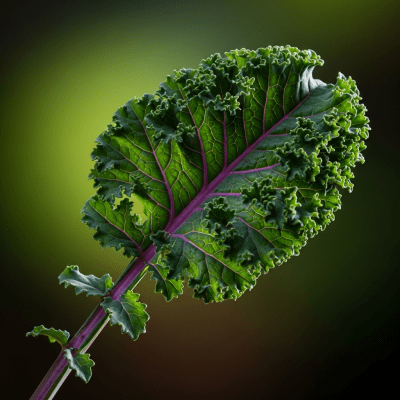
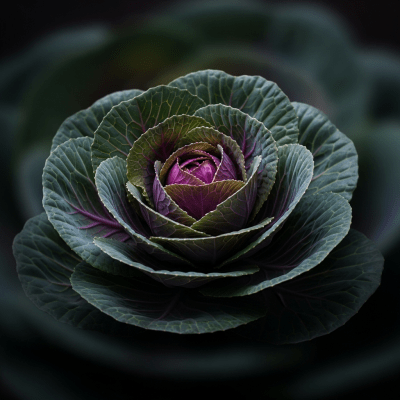
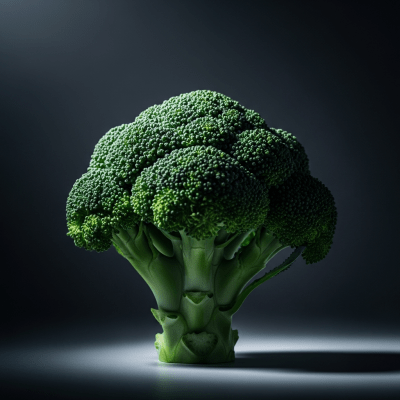
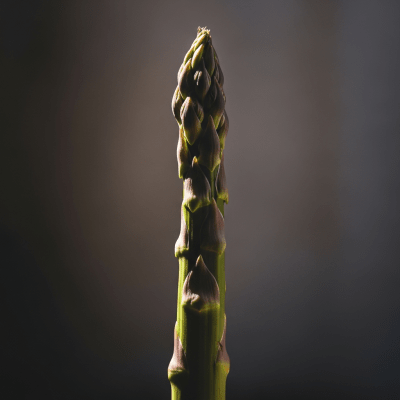
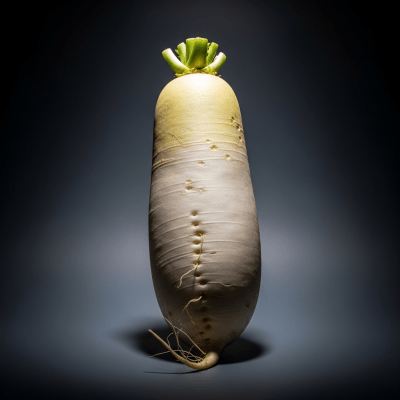
Vegetables are classified through multiple frameworks reflecting botanical, culinary, and agricultural perspectives. Botanically, they fall within plant families, genera, and species, such as Brassica oleracea, which includes broccoli and kale. Culinary classification groups vegetables by edible parts—leafy greens, roots, bulbs, stems, flowers, tubers, and immature fruits—aligning with how they are used in cooking and markets.
Appearance or Form
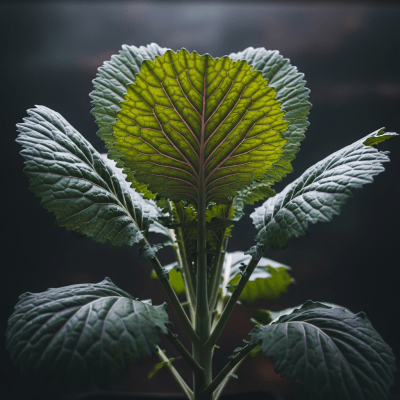
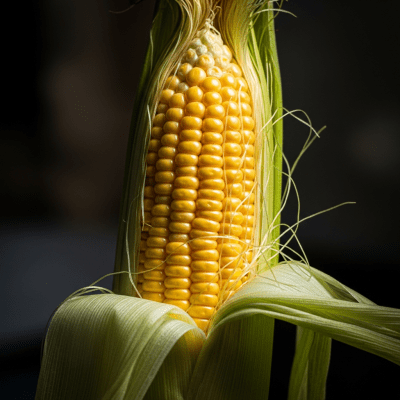
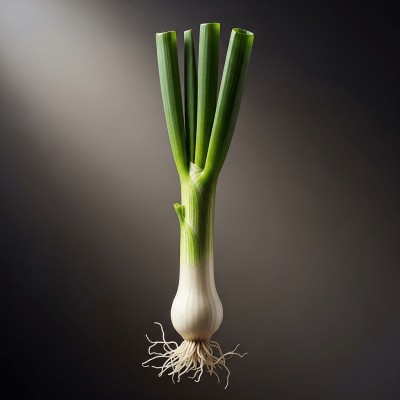
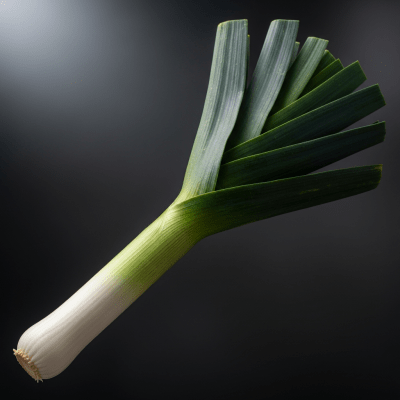
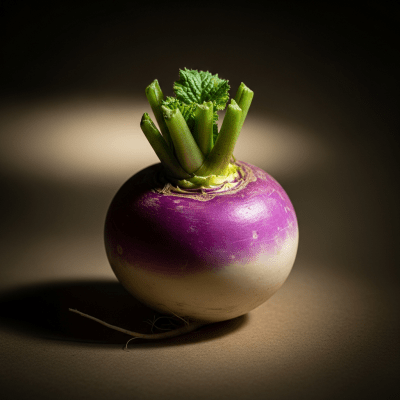
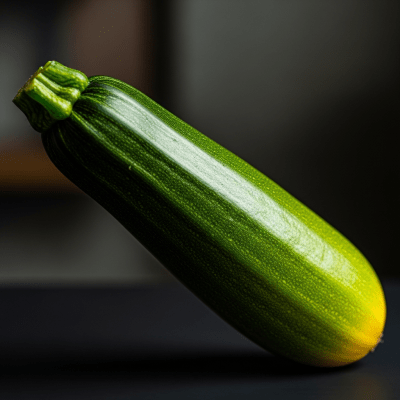
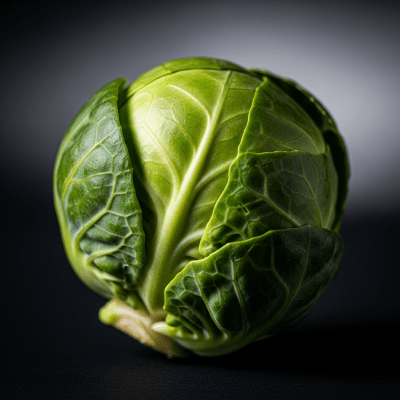
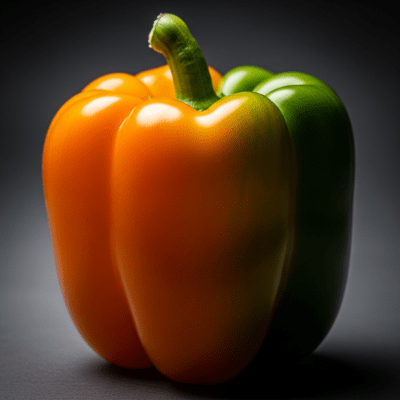
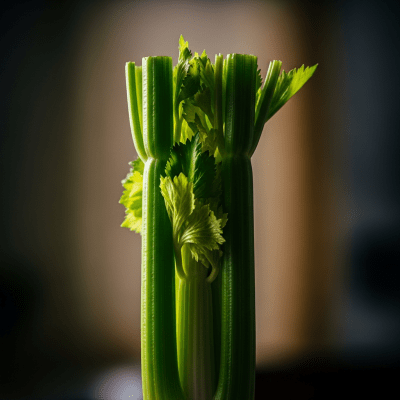
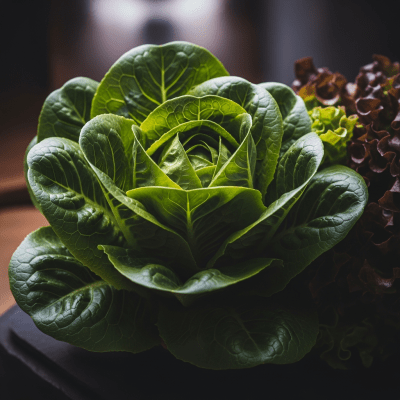
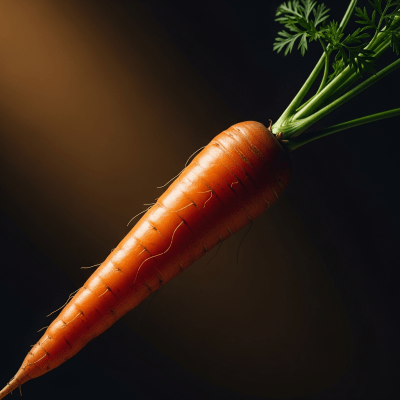
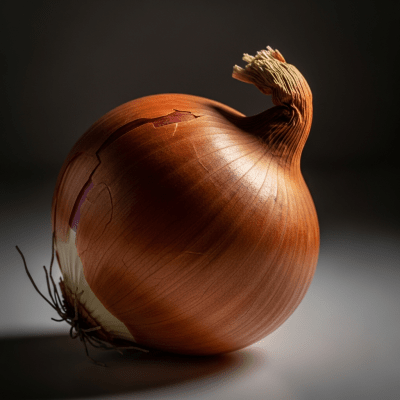
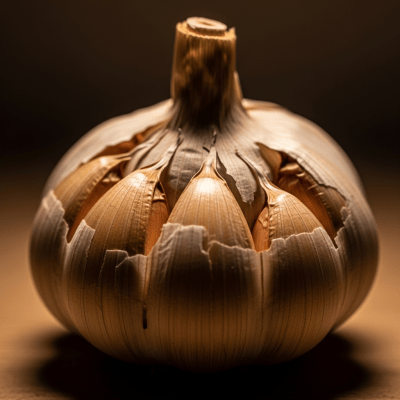
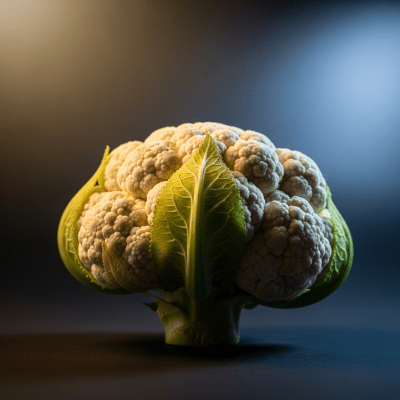
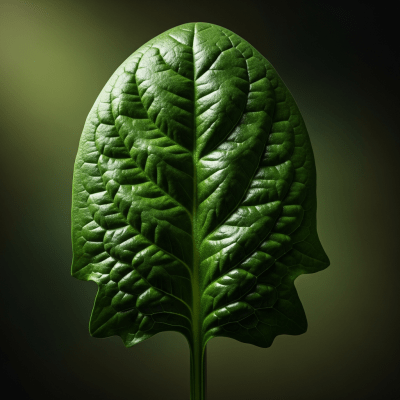
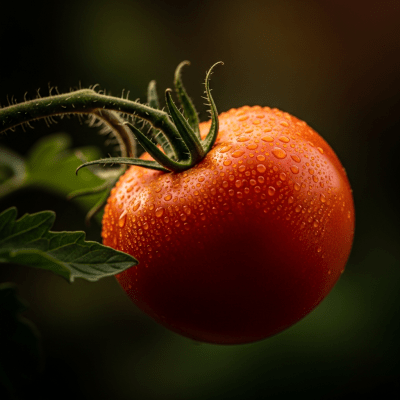
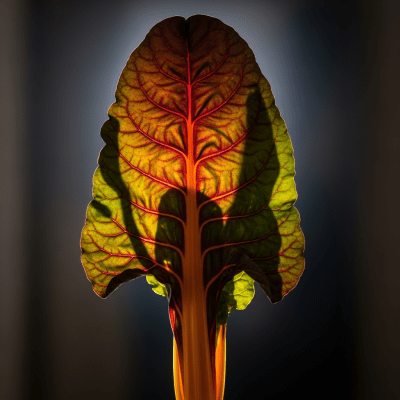
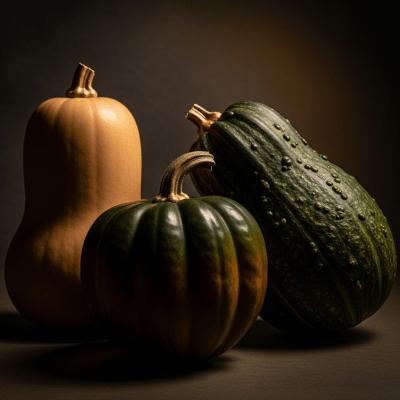
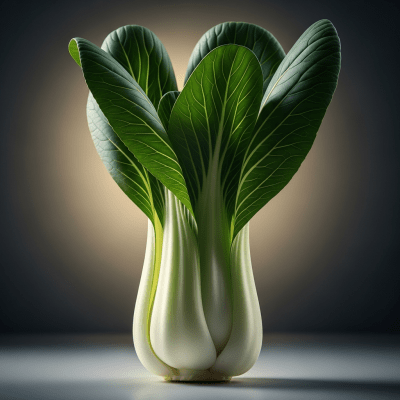
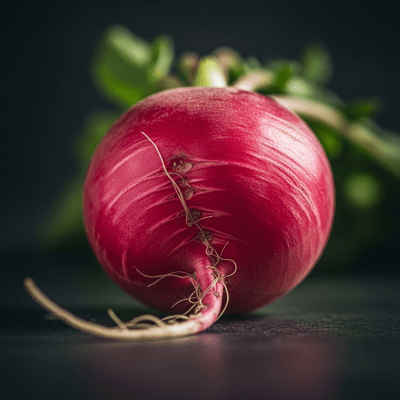
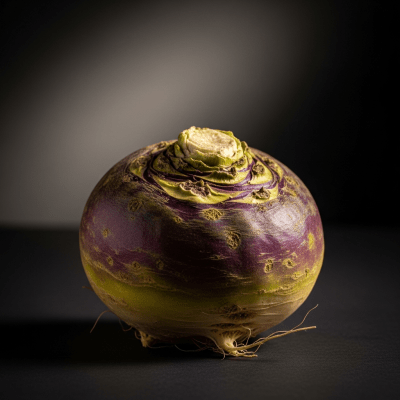
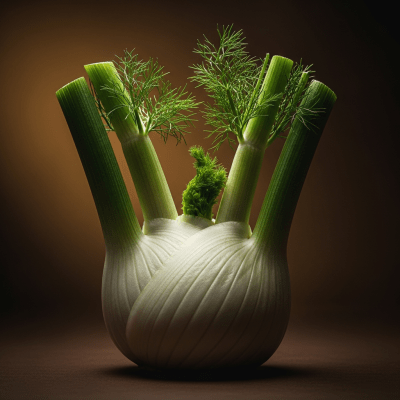
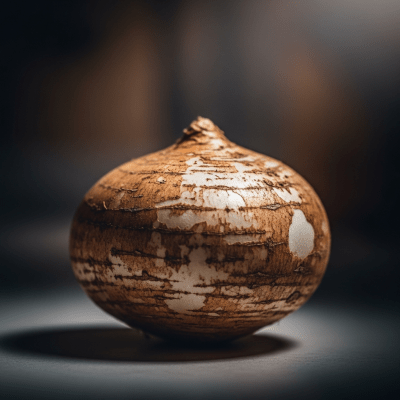
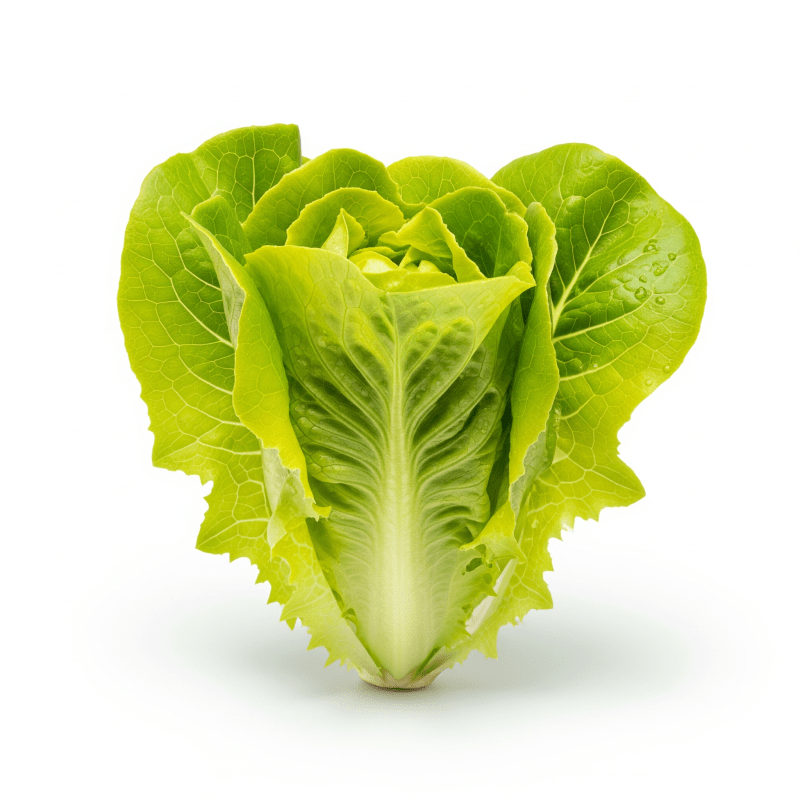
Vegetables exhibit a wide range of forms and textures, from the crisp leaves of lettuce and spinach to the firm, starchy roots of carrots and potatoes. Bulbs like onions have layered structures, while flowers such as broccoli present clustered florets. Colors vary broadly, including greens, reds, purples, and yellows, contributing both nutritional value and visual appeal to dishes.
Behavior or Usage
Vegetables serve as fundamental ingredients in savory cooking worldwide, valued for their flavors, textures, and nutritional benefits. They can be eaten raw, steamed, boiled, roasted, or sautéed, and are central to salads, soups, stews, and side dishes. Beyond food, some vegetables contribute to agricultural rotations and soil health, while others are cultivated for commercial trade and dietary supplementation.