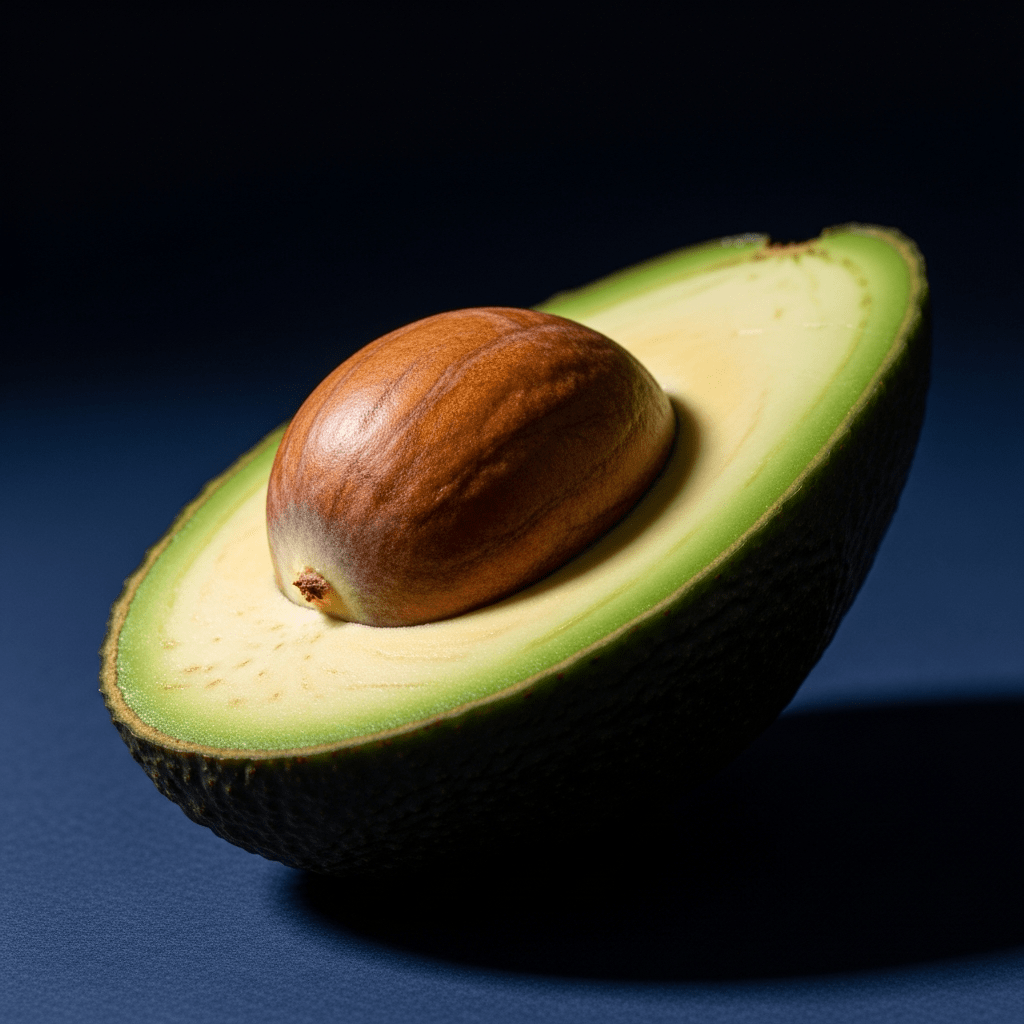
Avocado
The avocado is a creamy, nutrient-rich berry native to Central and South America, celebrated worldwide for its distinctive texture and healthful fats.
The avocado is a creamy, nutrient-rich berry native to Central and South America, celebrated worldwide for its distinctive texture and healthful fats.
Avocado traces its roots to south-central Mexico, where it was cultivated as early as 5000 BCE. Its wild ancestors grew throughout Mexico and Central America, and the fruit evolved through three main horticultural races—Mexican, Guatemalan, and West Indian—each adapted to unique climates and soils. The modern avocado owes much of its global popularity to the 'Hass' cultivar, first grown in California in the 1920s, which revolutionized commercial production and export.
Botanically, the avocado (Persea americana) is classified as a berry, despite its large seed and fleshy texture. It belongs to the family Lauraceae, setting it apart from most familiar fruits. In culinary contexts, it is often treated as a vegetable due to its savory flavor and versatile use, but its scientific classification remains firmly within the fruit taxonomy.
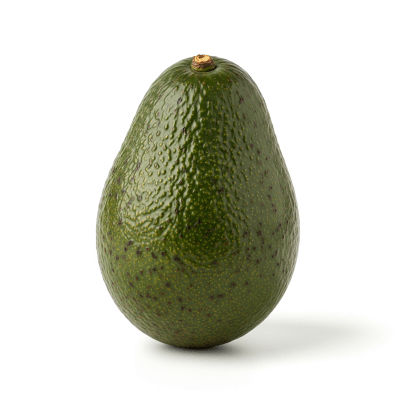
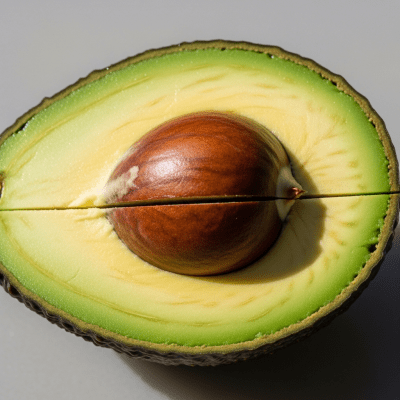
Avocados are typically pear-shaped, oval, or round, with a tough, leathery skin that ranges from vibrant green to nearly black when ripe. The skin’s texture can be smooth or pebbled, depending on the variety. Inside, the flesh is pale green to yellow, exceptionally creamy, and surrounds a single large seed. The fruit’s weight varies widely, from 150 grams to over a kilogram, with 'Hass' avocados usually weighing 200–300 grams.
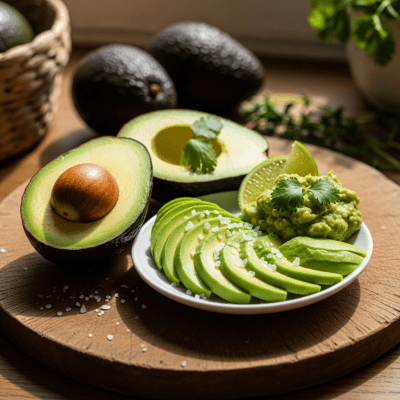
Avocado is prized for its creamy consistency and mild, nutty flavor, making it a staple in both savory and sweet dishes. It is commonly sliced, mashed, or pureed, featured in guacamole, salads, sushi, sandwiches, and even smoothies. The fruit’s high oil content also makes it ideal for extracting avocado oil, which is valued for cooking due to its high smoke point and nutritional profile. Avocados ripen off the tree, allowing for flexible harvest and distribution.
Bring this kind into your world illustrated posters, mugs, and shirts.
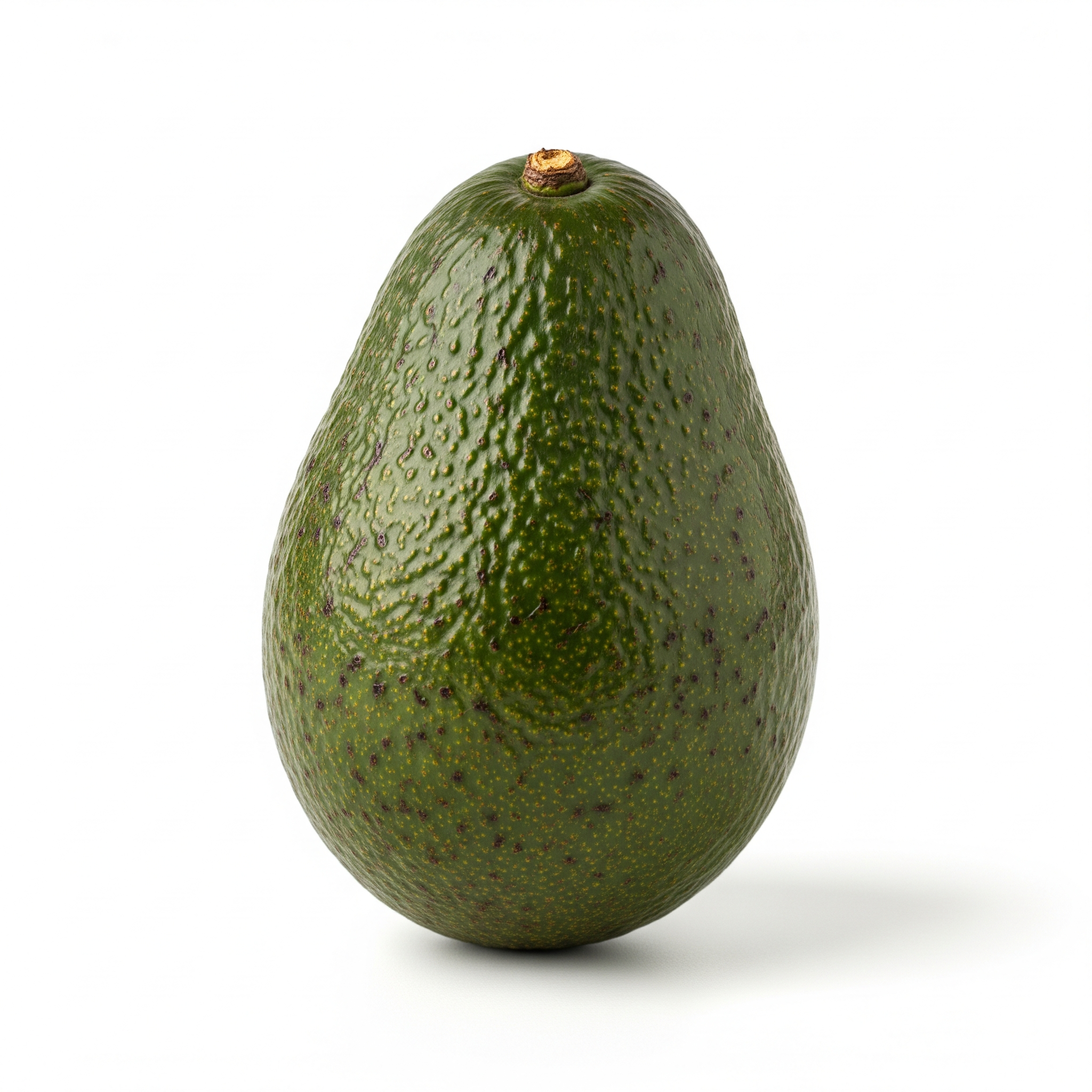
Archival print, museum-grade paper
Buy Poster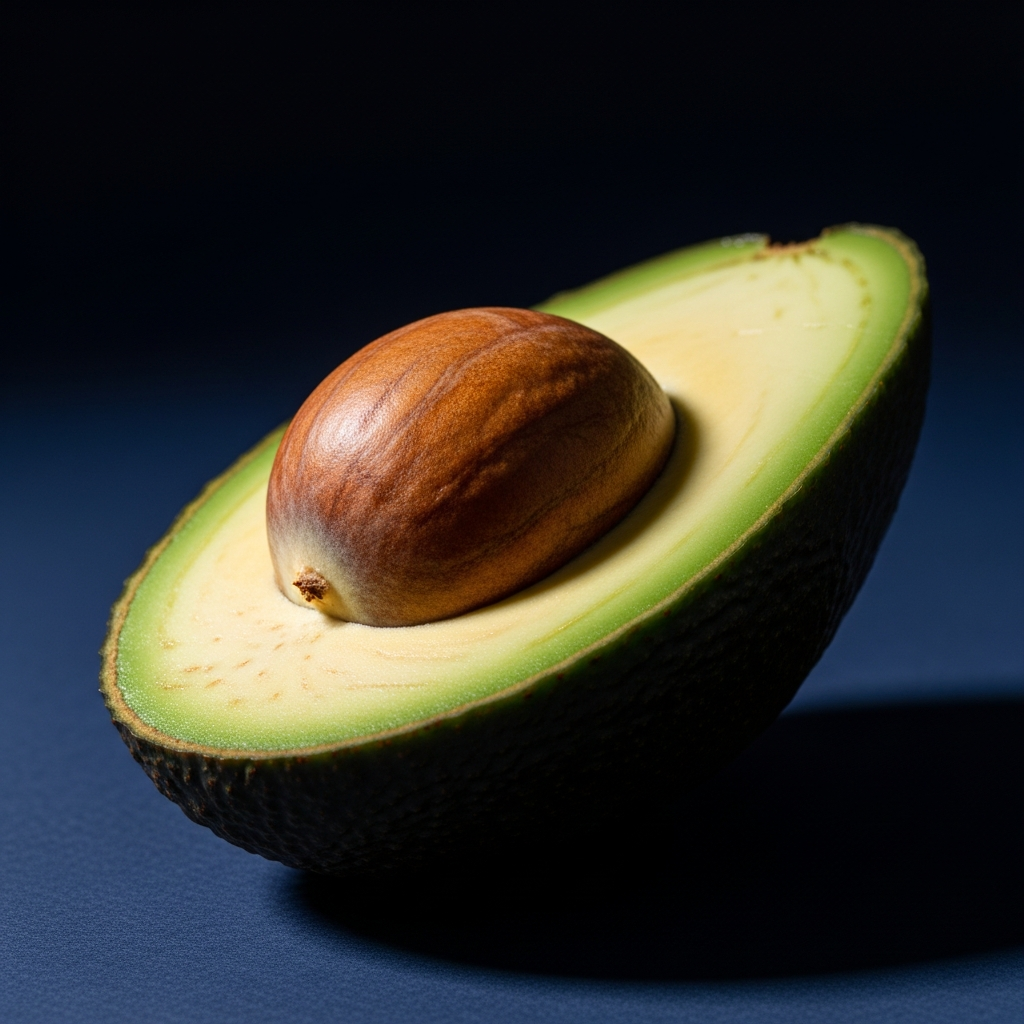
Stoneware mug, dishwasher safe
Buy Mug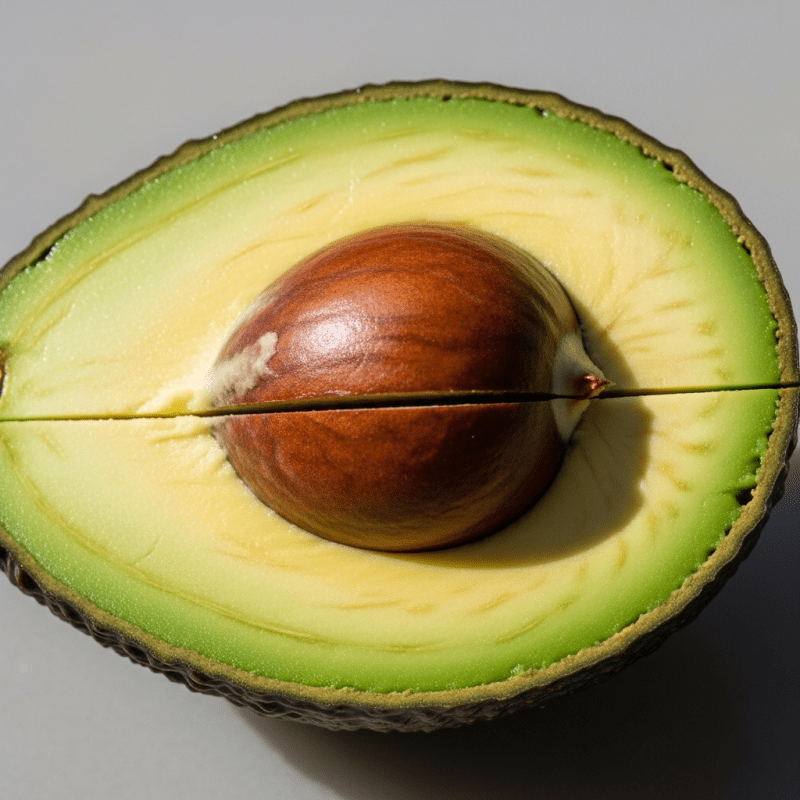
Soft cotton tee, unisex sizes
Buy ShirtAvocado holds a prominent place in the culinary traditions of the Americas, especially in Mexican cuisine, where it is the foundation of guacamole and countless regional dishes. Its popularity has soared globally, becoming a symbol of health-conscious eating and modern food trends. In various cultures, the avocado is associated with fertility, prosperity, and natural beauty, and its image frequently appears in art, advertising, and social media as an icon of wellness.
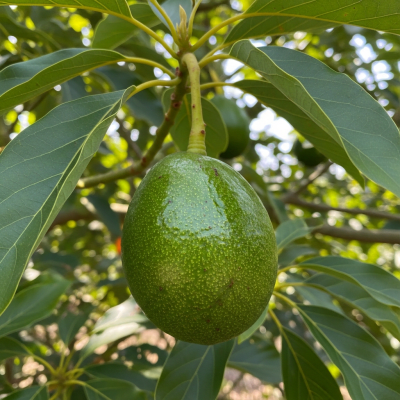
The avocado tree is evergreen, reaching 10–20 meters in height, with broad, leathery leaves. Its fruit is a large, single-seeded berry, protected by a tough skin that varies in color and texture. The flesh is rich in oil—primarily monounsaturated fats—and ranges from pale green to yellow. Avocado trees are sensitive to frost, thrive in well-drained soils, and are typically propagated by grafting to maintain cultivar traits. The fruit ripens after harvest, a trait known as climacteric ripening.
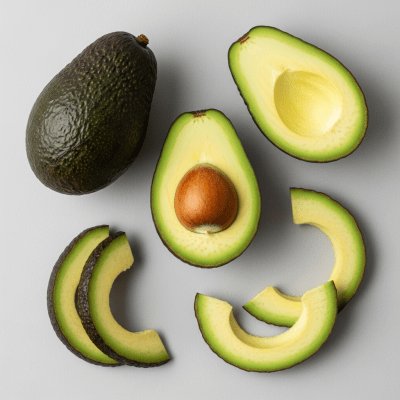
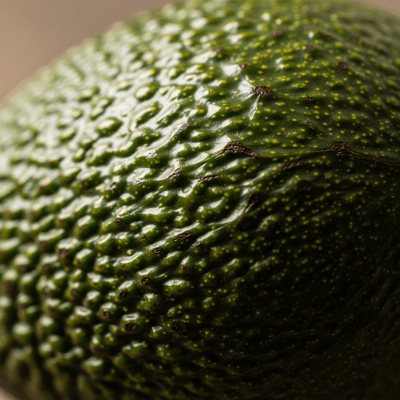
Avocados are celebrated for their exceptional nutritional profile. They are high in potassium, fiber, and vitamins E, K, and B6, and are one of the few fruits rich in monounsaturated fats. These nutrients support heart health, aid digestion, and contribute to skin and cellular wellness. The fruit’s beneficial fats and antioxidants make it a popular choice for those seeking nutrient-dense foods.
Avocado’s creamy texture and mild flavor make it a versatile ingredient in countless recipes. It is most famously used in guacamole, but also shines in salads, sushi rolls, sandwiches, dips, spreads, and even desserts. Avocado oil, extracted from the fruit, is prized for its high smoke point and nutritional value. The fruit is enjoyed both raw and processed, appealing to a wide range of culinary traditions and dietary preferences.
Avocado trees are cultivated in subtropical and tropical regions, requiring well-drained soil and protection from frost. Commercial orchards propagate trees by grafting to ensure consistency in fruit quality. Trees begin bearing fruit within a few years, with annual yields ranging from 7 to 20 metric tons per hectare under optimal conditions. Harvesting typically occurs when the fruit reaches maturity but is still firm, allowing it to ripen off the tree. Avocados are susceptible to root rot and certain fungal diseases, necessitating careful management.
Mexico leads global avocado production, followed by the Dominican Republic, Peru, Colombia, and Kenya. The fruit is a major export commodity, with primary markets in the United States, Europe, and Asia. The rise in international demand has transformed avocado into a valuable crop, influencing agricultural economies and trade patterns worldwide. Quality grading and controlled ripening are essential for successful export and retail distribution.
Avocado varieties and names differ across regions. In Latin America, 'palta' is common, while 'aguacate' is used in Spanish-speaking countries. India refers to it as 'butter fruit,' and in some areas, it is called 'alligator pear' or 'avocado pear.' Regional cultivars may be favored for their adaptation to local climates and tastes, such as 'Fuerte' in California and 'Reed' in Australia. Culinary uses also vary, from classic guacamole in Mexico to avocado smoothies in Southeast Asia.