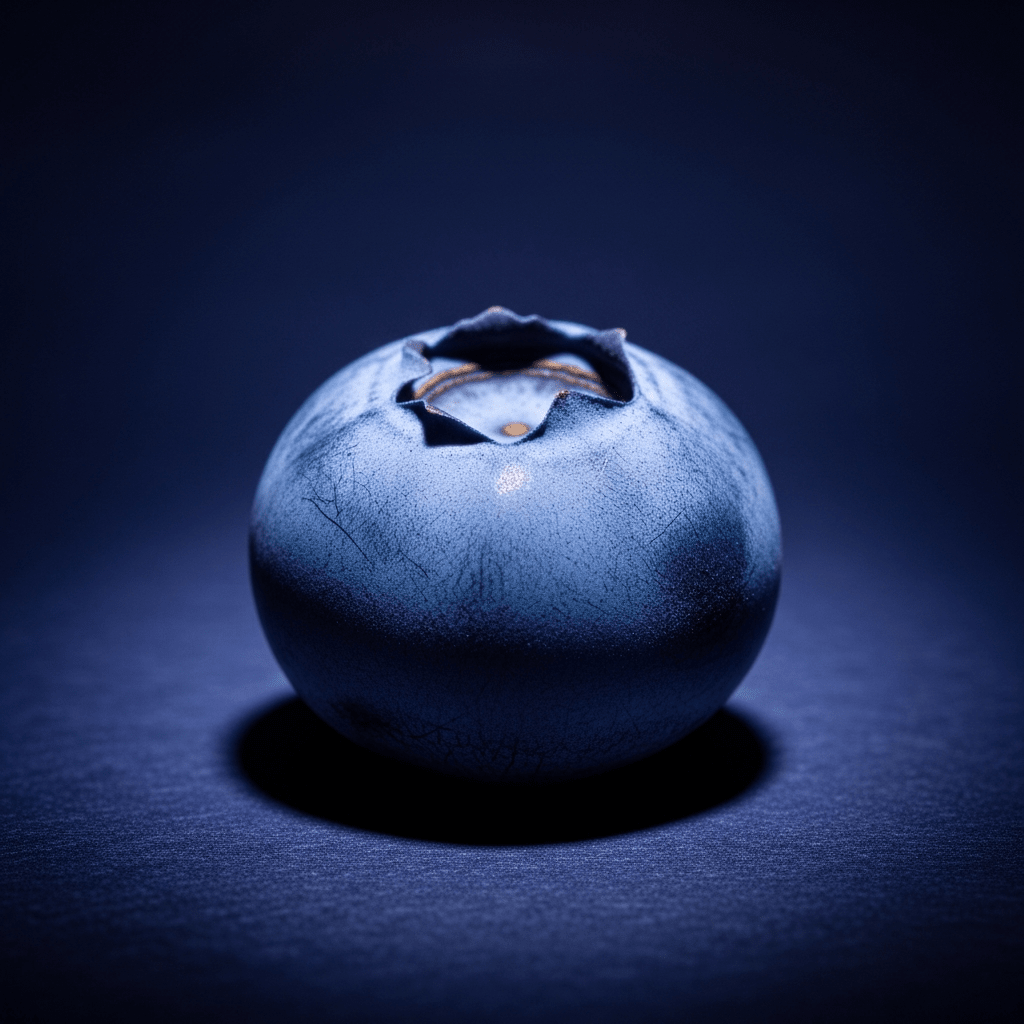
Blueberry
The blueberry is a small, round, blue to purple fruit from the genus Vaccinium, celebrated worldwide for its sweet flavor, nutritional richness, and versatility in both fresh and processed forms.
The blueberry is a small, round, blue to purple fruit from the genus Vaccinium, celebrated worldwide for its sweet flavor, nutritional richness, and versatility in both fresh and processed forms.
Blueberries trace their roots to North America, where indigenous peoples harvested wild Vaccinium species for centuries. The highbush blueberry (Vaccinium corymbosum) was domesticated in New Jersey in the early 20th century, thanks to the pioneering work of Elizabeth White and botanist Frederick Coville. While highbush types are now cultivated globally, lowbush blueberries (Vaccinium angustifolium) remain primarily wild-harvested in regions like Canada and Maine. Modern blueberry varieties are the result of extensive breeding for yield, disease resistance, and fruit quality.
Botanically, the blueberry belongs to the genus Vaccinium within the family Ericaceae. Key species include Vaccinium corymbosum (highbush), Vaccinium angustifolium (lowbush), and Vaccinium virgatum (rabbiteye). Blueberries are classified as true berries, distinct from related fruits like bilberries and huckleberries, which share similar traits but differ in species and regional usage.
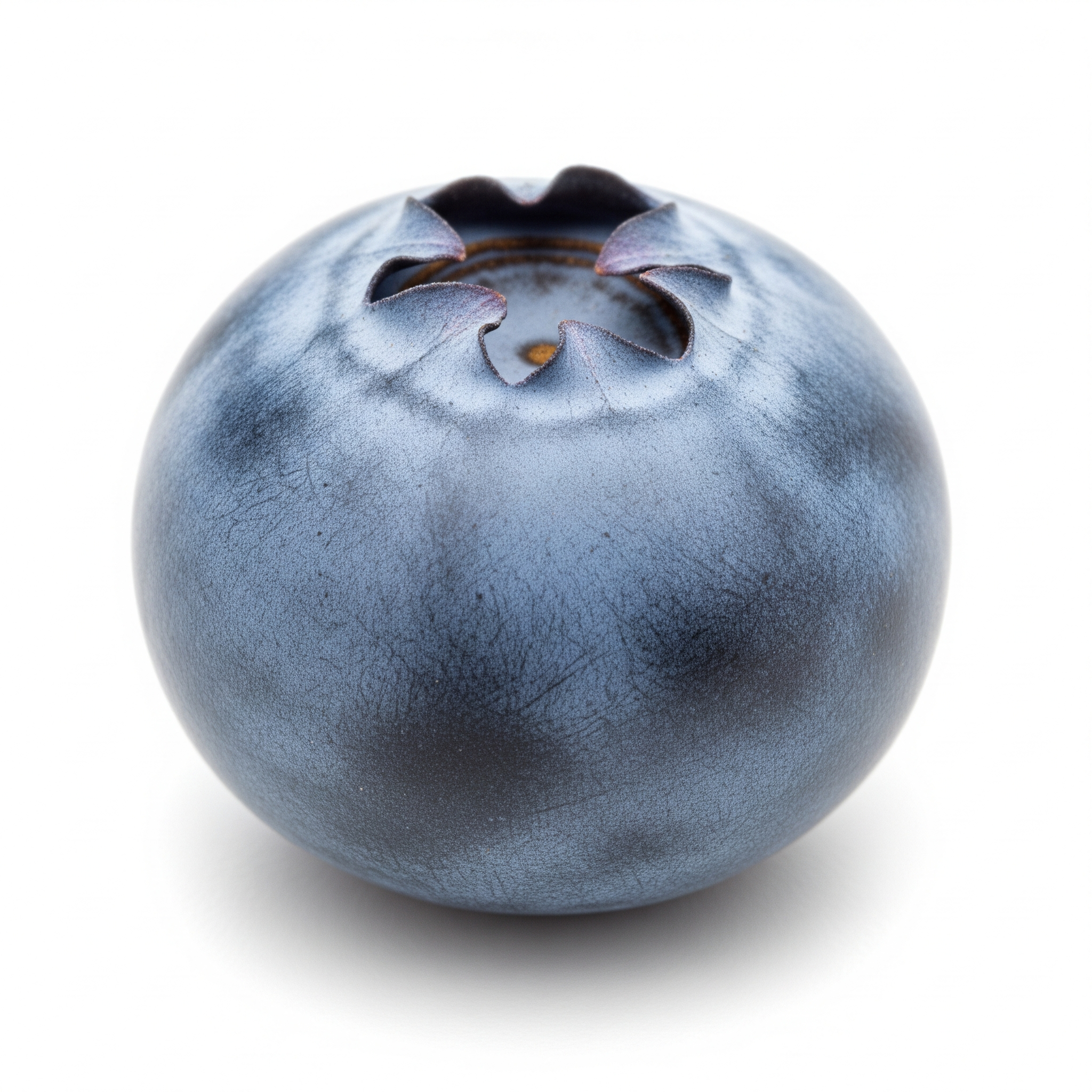
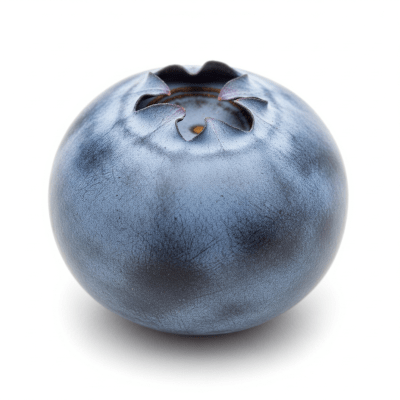
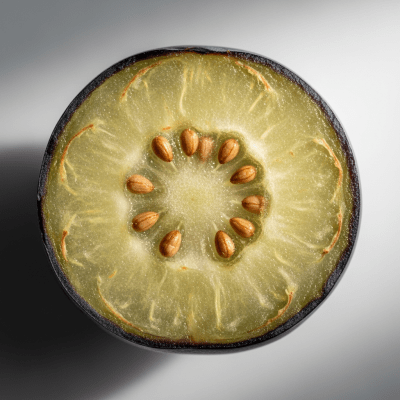
Blueberries are typically small, spherical berries measuring 5–16 mm in diameter. Their skin ranges from light blue to deep indigo, often coated with a delicate, waxy bloom. The flesh is juicy and translucent, while the leaves of the shrub are simple, ovate, and turn vibrant red in autumn. Clusters of bell-shaped white to pink flowers precede fruit development, adding ornamental appeal to the plant.
Blueberries are enjoyed fresh, frozen, dried, or processed into jams, juices, wines, and baked goods. Their sweet-tart flavor and nutritional profile make them a staple in North American and European diets, with growing popularity in Asia-Pacific. Beyond culinary uses, blueberries are valued for their health-promoting antioxidants and are featured in nutraceuticals and functional foods.
Bring this kind into your world illustrated posters, mugs, and shirts.
Archival print, museum-grade paper
Buy Poster
Stoneware mug, dishwasher safe
Buy Mug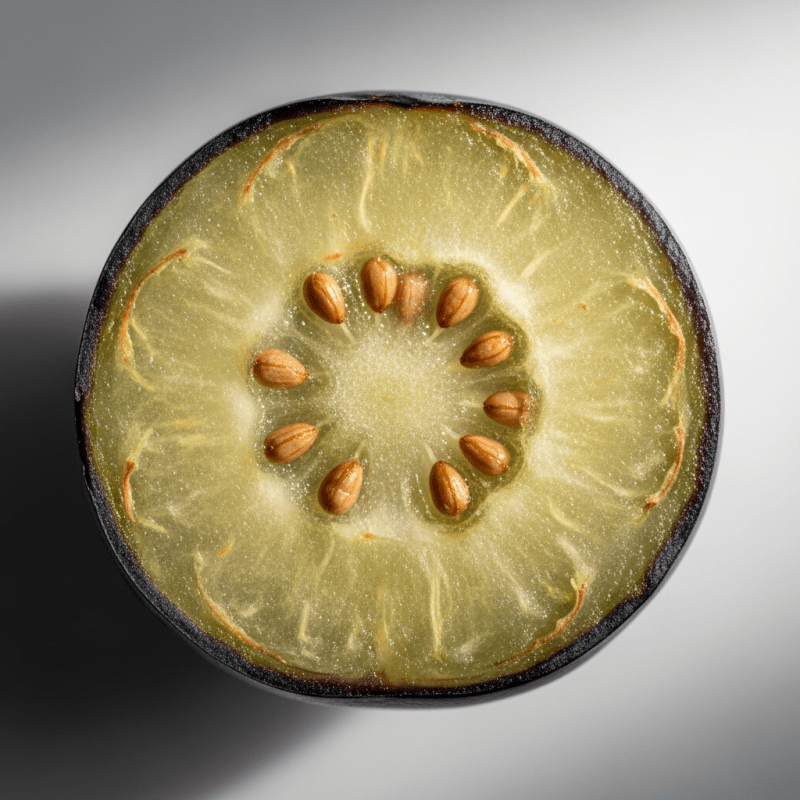
Soft cotton tee, unisex sizes
Buy ShirtBlueberries hold a cherished place in North American folklore, indigenous traditions, and modern cuisine. They appear in classic desserts like muffins and pies, symbolize summer harvests, and are celebrated in festivals across the United States and Canada. In French-speaking Canada, they are known as "bleuets," and indigenous peoples have long used them for food and medicine. Their reputation as a "superfruit" has elevated their status in health-conscious cultures worldwide.
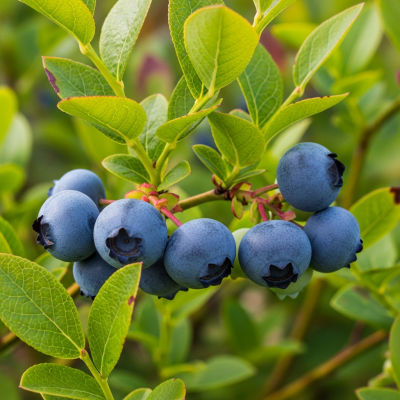
Blueberries grow as perennial, deciduous shrubs ranging from 0.3 to 2 meters tall. Their simple, ovate leaves shift from green to red in autumn. The plant produces clusters of small, bell-shaped flowers that are white to pink, followed by spherical berries with a waxy blue coating. Blueberries thrive in acidic soils (pH 4.5–5.5), require moderate to high rainfall, and are pollinated by bees. They show notable cold tolerance, especially in lowbush types, but are susceptible to fungal diseases and certain pests.
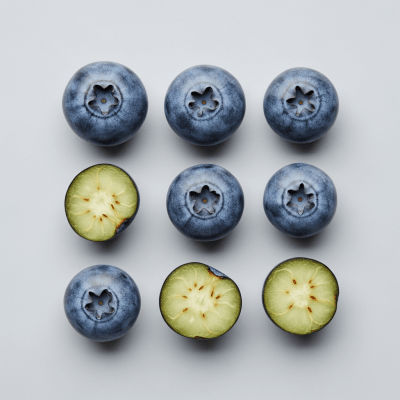
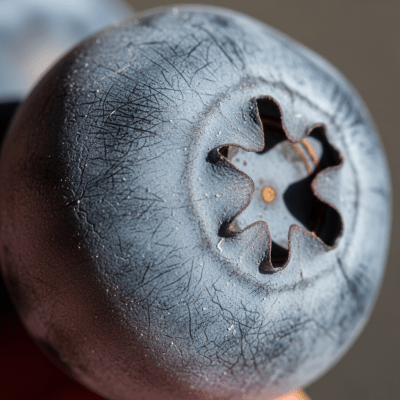
Blueberries are celebrated for their low calorie content and dense nutritional value. They are rich in vitamin C and vitamin K, provide substantial dietary fiber, and are renowned for their high levels of polyphenolic antioxidants, particularly anthocyanins. These compounds have been associated with supporting heart health, cognitive function, and overall wellness.
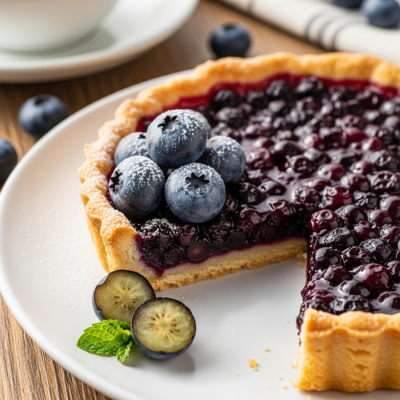
Blueberries are enjoyed in myriad ways: fresh as a snack or salad ingredient, frozen for smoothies, dried for cereals, or cooked into jams, preserves, juices, and wines. They shine in baked goods such as muffins, pies, and pancakes, and are increasingly featured in health-focused recipes and functional foods. Their sweet-tart flavor and vibrant color make them a favorite in both traditional and modern cuisine.
Blueberries are cultivated in temperate regions, with highbush types grown on farms and lowbush types often wild-harvested. They require acidic, well-drained soils and benefit from moderate to high rainfall. Yields for highbush varieties average 3–7 tons per hectare. Harvesting typically occurs in summer, with berries picked by hand or machine. Postharvest handling is crucial, as blueberries are sensitive to bruising and spoilage, impacting their shelf life and market quality.
Blueberries are a major commercial fruit, with leading producers including the United States, Canada, Europe, and Australasia. The fruit is graded by size and firmness, with quality standards set by USDA and EU authorities. Blueberries are traded both fresh and processed, with export markets expanding rapidly due to global demand for healthy, convenient foods.
Blueberry varieties and names vary by region: "bleuets" in French-speaking Canada, "rabbiteye" in the southeastern USA, and "bilberry" in Europe (though bilberry is a distinct species). Indigenous peoples in North America have unique traditions and uses for wild blueberries. Regional climates influence which species are cultivated or harvested, with lowbush types thriving in colder areas and rabbiteye suited to warmer zones.