
Sapodilla
Sapodilla is a tropical fruit known for its sweet, malty flavor and brown, sandpaper-textured skin, prized both as a fresh delicacy and for its historical use in chewing gum production.
Sapodilla is a tropical fruit known for its sweet, malty flavor and brown, sandpaper-textured skin, prized both as a fresh delicacy and for its historical use in chewing gum production.
Sapodilla originated in southern Mexico, Central America, and the Caribbean, where it grew wild and was cultivated by indigenous peoples for centuries. Its scientific journey began with Linnaeus, who first described it as Achras zapota, later reclassified to Manilkara zapota. The species spread throughout tropical and subtropical regions, valued for its fruit, latex, and timber, with no single breeder or institution credited for its domestication.
Sapodilla belongs to the Sapotaceae family and is classified botanically as Manilkara zapota. It is a true fruit—specifically a berry—formed from the mature ovary of a flowering plant. Within the broader taxonomy of fruits, sapodilla stands as a representative of tropical evergreen tree fruits, sharing its family with other edible species like mamey sapote and star apple.
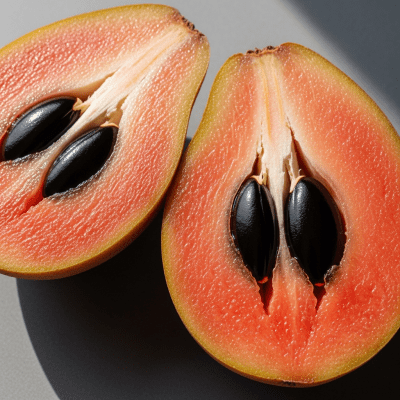
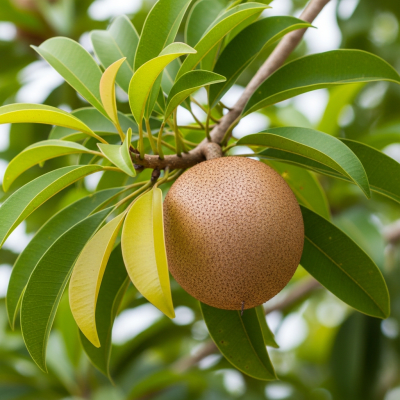
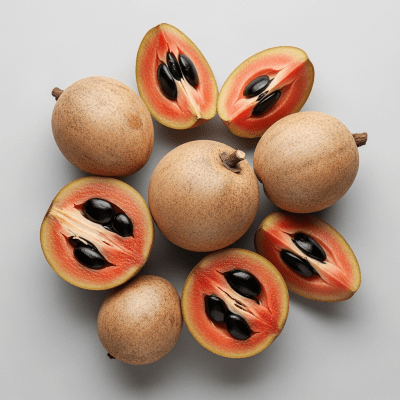
The sapodilla fruit is round to oval, measuring 4–8 cm in diameter, with a rough, brown, sandpaper-like skin. Inside, its flesh is soft, sweet, and brownish, with a granular texture reminiscent of caramel or brown sugar. Each fruit contains 1–6 shiny, hard, black seeds. When ripe, the flesh yields easily to the touch and exudes a pleasant, malty aroma.
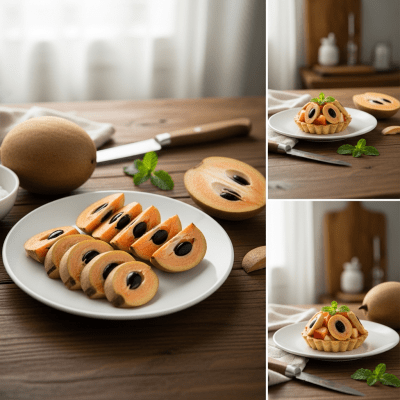
Sapodilla is enjoyed fresh, typically scooped from its skin, and is a staple in tropical desserts, jams, milkshakes, and ice creams. Its latex, chicle, was historically the base for chewing gum, making the tree economically important beyond its fruit. The wood is valued for its density and durability, used in furniture and construction. Medicinally, sapodilla has been used in traditional remedies for ailments such as diarrhea and cough.
Bring this kind into your world illustrated posters, mugs, and shirts.
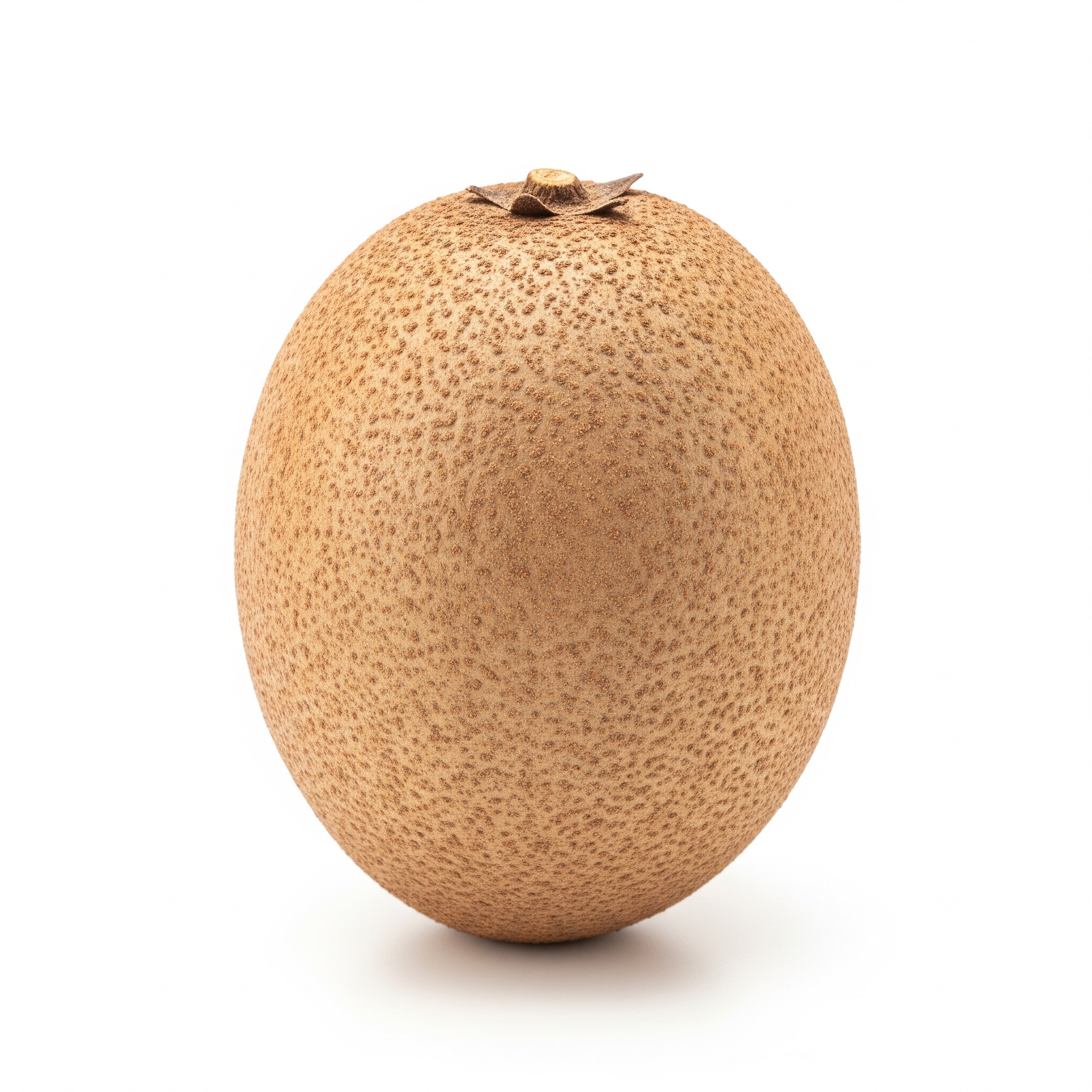
Archival print, museum-grade paper
Buy Poster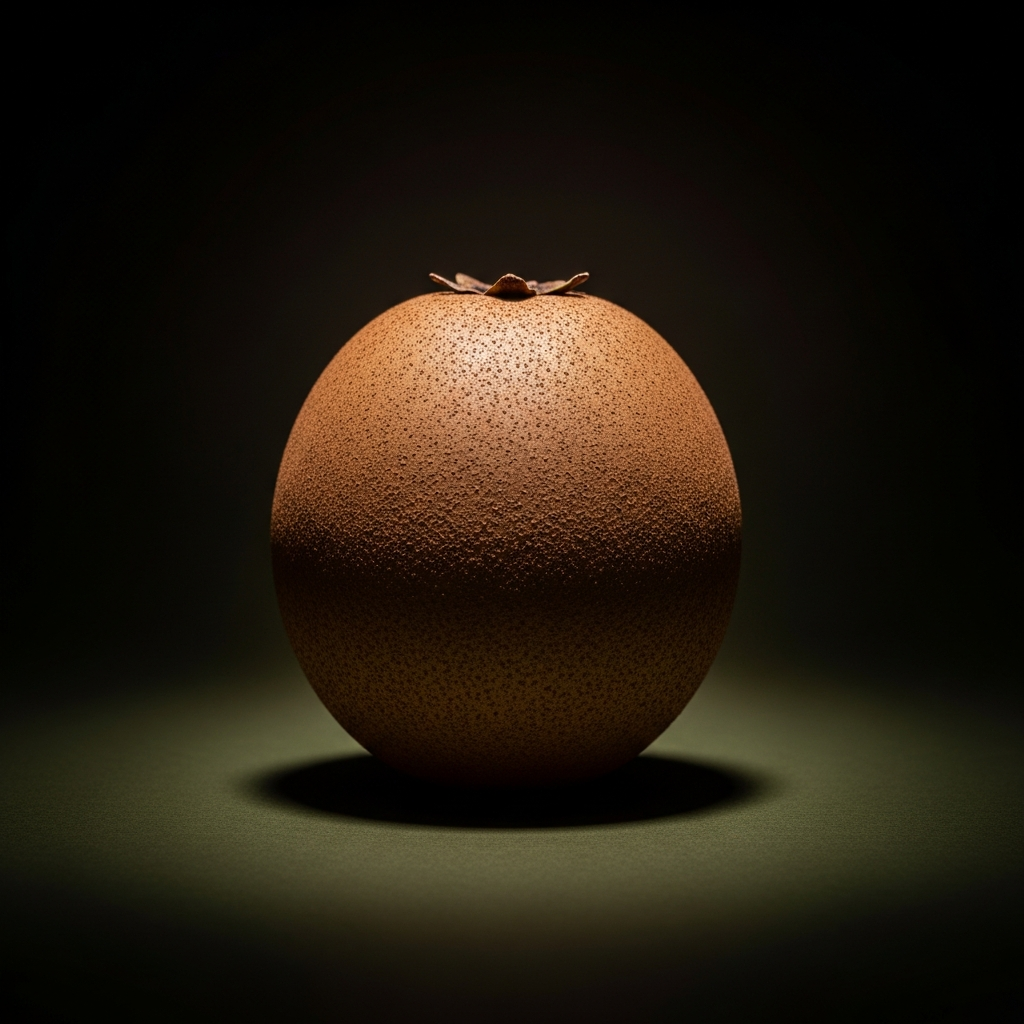
Stoneware mug, dishwasher safe
Buy Mug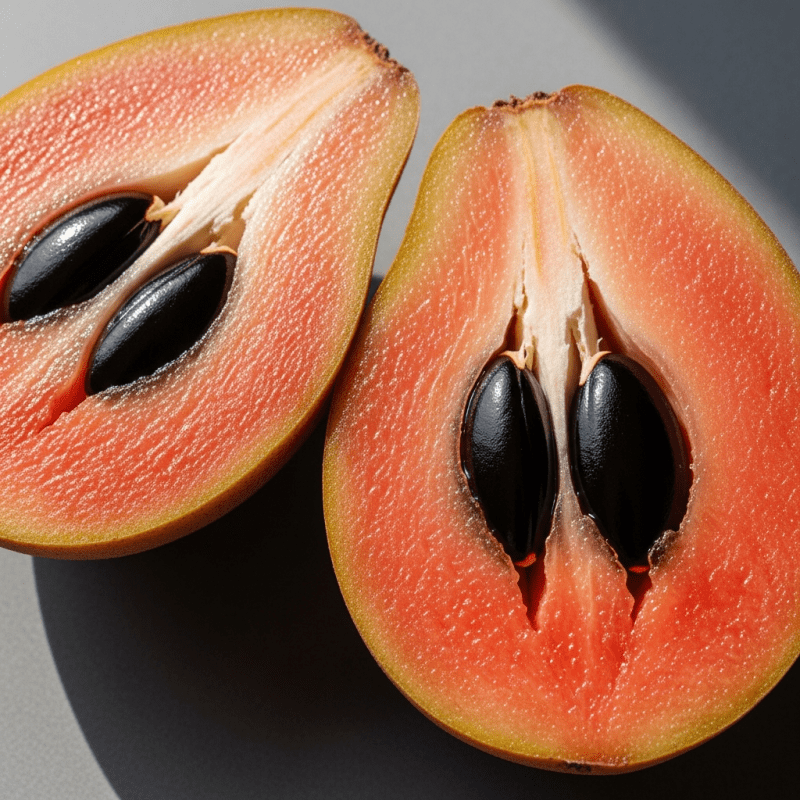
Soft cotton tee, unisex sizes
Buy ShirtSapodilla holds a unique place in the cultures of Central America, the Caribbean, and South Asia. In Mexico and Central America, "chicozapote" is woven into local folklore and cuisine. The latex, chicle, played a pivotal role in the birth of the chewing gum industry, shaping popular culture in the 19th and 20th centuries. In India and Southeast Asia, "chiku" or "sapota" is a beloved fruit featured in sweets and festive dishes, symbolizing abundance and tropical bounty.
Sapodilla is a source of natural sugars, dietary fiber, vitamin C, and minerals such as potassium and iron. Its high energy content and fiber aid digestion, while antioxidants in the fruit contribute to overall health. The fruit is low in fat and provides a quick, nourishing boost, especially valued in tropical diets.

Several regional cultivars of sapodilla exist, including 'Prolific', 'Russell', and 'Alano', each offering subtle differences in size, sweetness, and texture. While detailed cultivar data is limited, local preferences and climate adaptation have led to the selection of varieties best suited for specific regions, enhancing flavor and yield.
Sapodilla is typically harvested several months after flowering, with peak availability varying by region. In tropical climates, fruiting may occur year-round, but main harvests often fall in late spring and early summer. The fruit is commonly found in local markets across Central America, South Asia, and the Caribbean during these periods, with limited export due to its short shelf life.
Sapodilla should be harvested when mature but still firm, then allowed to ripen at room temperature until soft. Once ripe, it is best consumed within a few days. Refrigeration can extend shelf life slightly, but the fruit is sensitive to chilling injury. Handle gently to avoid bruising, and store away from ethylene-producing fruits to prevent overripening.
Sapodilla offers several health benefits: its fiber aids digestion, while vitamin C supports immune function. The fruit contains antioxidants that help combat oxidative stress, and its minerals contribute to heart and bone health. Traditional remedies use sapodilla for soothing coughs, treating diarrhea, and promoting wound healing.