Quince
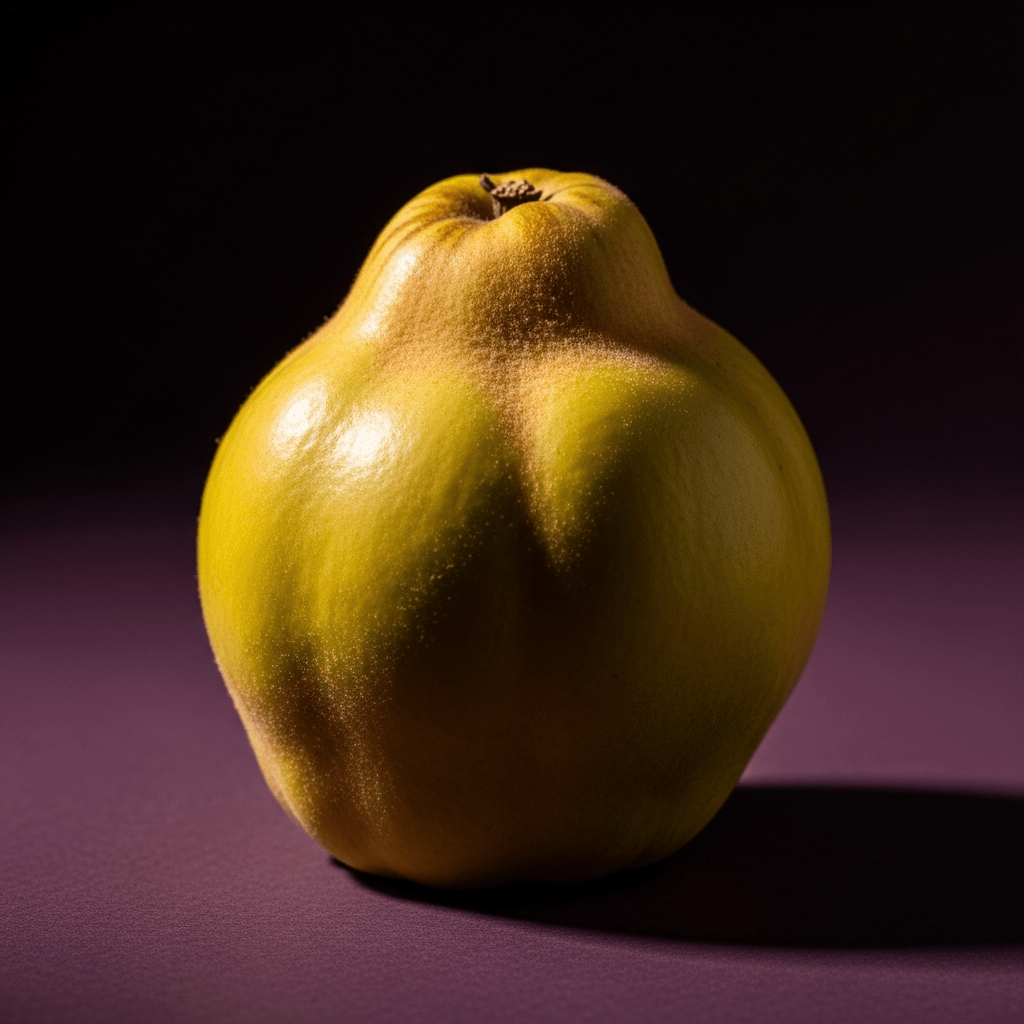
Quince is a fragrant, golden-yellow fruit from the Rosaceae family, renowned for its hard, astringent flesh and prized in culinary traditions for its transformation into aromatic preserves and cooked dishes.
Quince is a fragrant, golden-yellow fruit from the Rosaceae family, renowned for its hard, astringent flesh and prized in culinary traditions for its transformation into aromatic preserves and cooked dishes.
Originating in the Caucasus, Western Asia, and Iran, quince (Cydonia oblonga) has been cultivated since ancient times, with evidence of its use stretching back to Mesopotamian and Mediterranean civilizations. Unlike many fruits, quince is not the product of modern breeding but a naturally occurring species, cherished across centuries for its unique qualities.
Quince belongs to the Rosaceae family and is botanically classified as Cydonia oblonga. It is a pome fruit, closely related to apples and pears, and stands as the sole species within its genus. Its distinctive characteristics set it apart within the broader taxonomy of edible fruits.
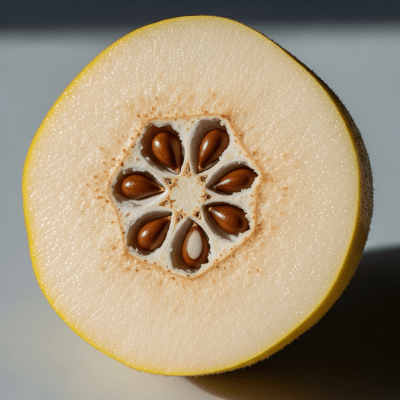
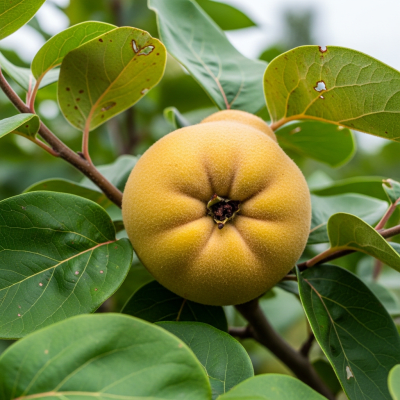
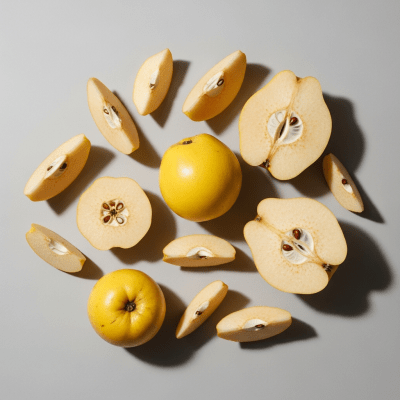
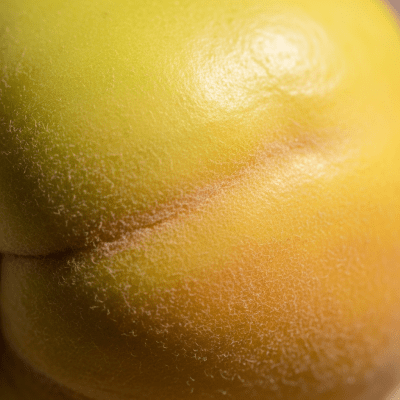
Quince fruits are typically large and pear-shaped, featuring a vibrant golden-yellow skin when ripe. The flesh inside is firm, gritty, and pale, exuding a powerful floral aroma that intensifies as the fruit matures. The tree itself is deciduous, with twisted branches and oval leaves, adding to its ornamental appeal.
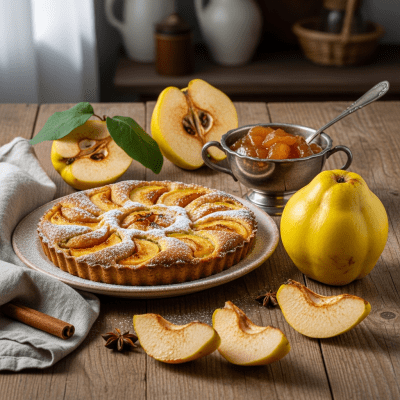
Quince is rarely eaten raw due to its tough, astringent flesh. Instead, it is celebrated for its culinary versatility when cooked, lending its high pectin content and aromatic flavor to jams, jellies, marmalades, and desserts. Its transformation from hard and tart to soft and sweet upon cooking makes it a staple in preserves and confections around the world.
Bring this kind into your world illustrated posters, mugs, and shirts.

Archival print, museum-grade paper
Buy Poster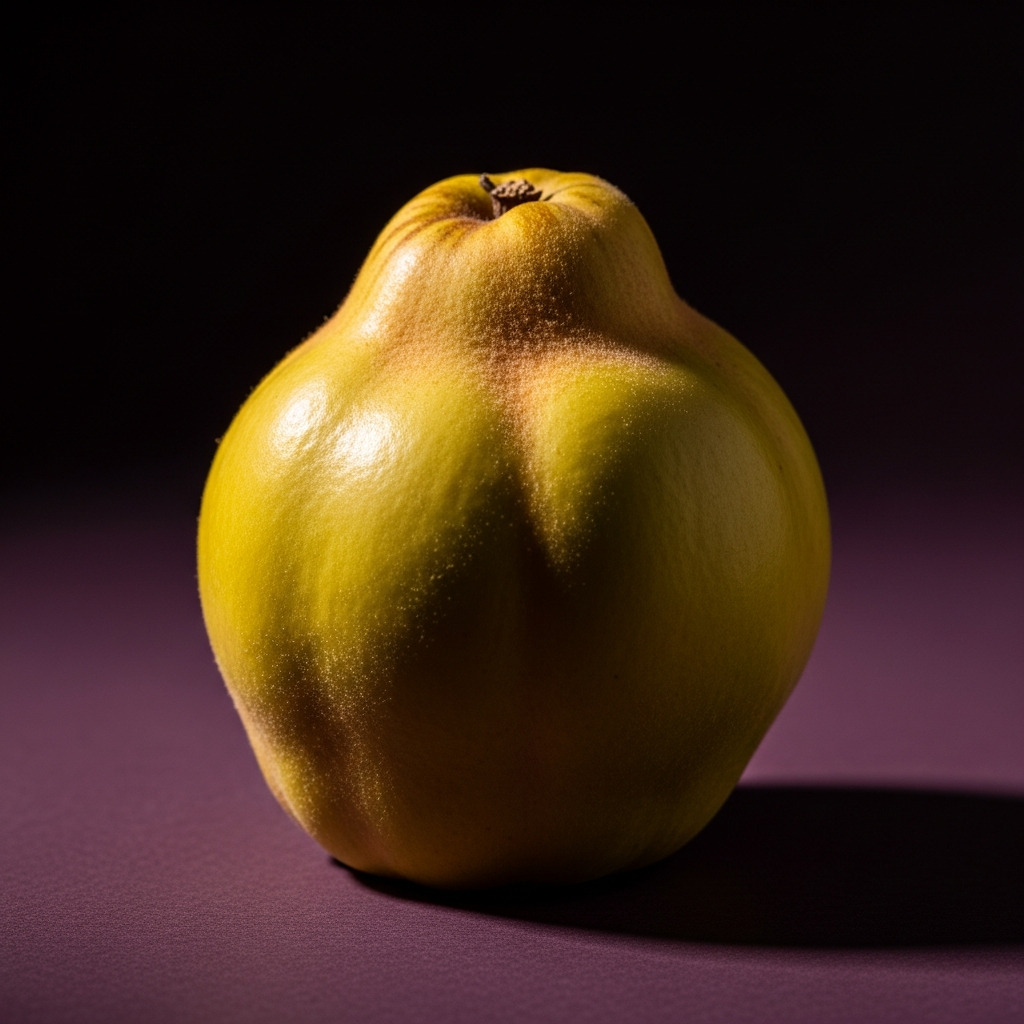
Stoneware mug, dishwasher safe
Buy Mug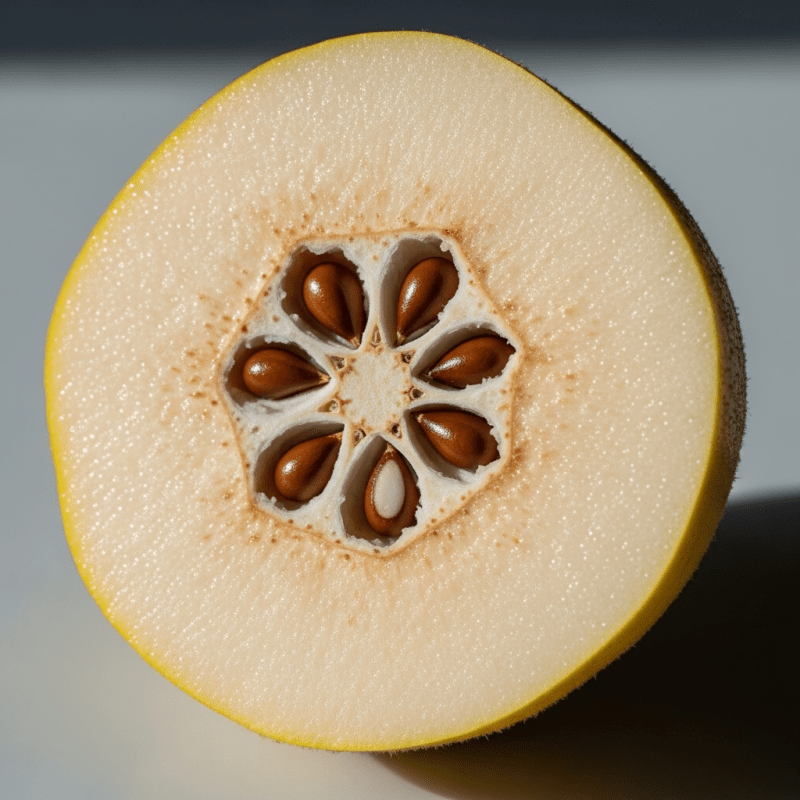
Soft cotton tee, unisex sizes
Buy ShirtThroughout history, quince has held a place in myth, art, and tradition. In ancient Greece, it symbolized love and fertility, often featured in wedding ceremonies. Its presence in Mediterranean and Middle Eastern cuisines reflects a deep-rooted cultural appreciation, and its use in perfumery and traditional medicine highlights its enduring allure beyond the kitchen.
Quince is low in calories and provides dietary fiber, vitamin C, and modest amounts of potassium. Its high pectin content aids digestion and makes it a popular choice for preserves. While not a major source of micronutrients, quince contributes to a balanced diet when incorporated into cooked dishes.
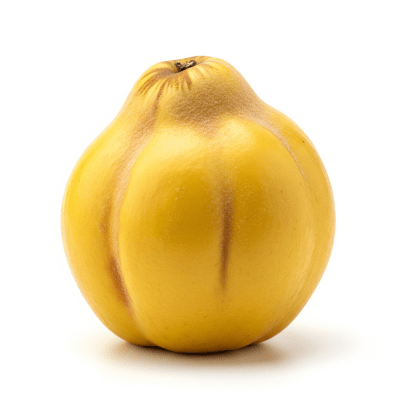
Notable quince cultivars include ‘Smyrna’, prized for its large fruit and aromatic qualities; ‘Champion’, known for its productivity; and ‘Vranja’, valued for its size and flavor. Regional cultivars may vary in shape, color, and disease resistance, offering growers and cooks a range of options.
Quince is typically harvested in late autumn, with peak availability from September through November in temperate regions. While fresh quince is seasonal, processed products like jams and pastes are available year-round in many markets.
Major commercial producers of quince include Turkey, Iran, China, Argentina, and Uzbekistan. These regions offer the ideal climate and conditions for quince cultivation, supporting both domestic consumption and export.
Quince shines in the kitchen when cooked. It is stewed, baked, or poached for desserts, and its high pectin content makes it perfect for jams, jellies, and marmalades. In Spain, quince paste (membrillo) is a classic pairing with cheese, while in Middle Eastern and South Asian cuisines, quince is featured in savory stews and sweets.
Store quince in a cool, dry place; it can last several weeks if kept away from moisture. Handle with care, as the fruit bruises easily. Allowing quince to ripen fully enhances its aroma, but it should be used before it softens excessively. For longer preservation, quince can be cooked and processed into jams or pastes.
Quince offers digestive benefits due to its fiber and pectin content. It has been used in traditional medicine for its soothing properties and is believed to support gut health. Its vitamin C contributes to immune function, making quince a wholesome addition to cooked dishes.