
Grapefruit
Grapefruit is a large, tart citrus fruit prized for its juicy flesh, vibrant color, and refreshing flavor, making it a staple in both fresh and processed forms worldwide.
Grapefruit is a large, tart citrus fruit prized for its juicy flesh, vibrant color, and refreshing flavor, making it a staple in both fresh and processed forms worldwide.
Grapefruit originated in Barbados during the 18th century as a spontaneous hybrid between sweet orange and pomelo. The earliest known reference dates to 1750, and its commercial cultivation expanded rapidly in the 19th century, especially in Florida. Its unique lineage was uncovered through both genetic and historical research, with no single breeder credited for its creation.
Botanically, grapefruit belongs to the genus Citrus and is classified as Citrus × paradisi, a hybrid species within the citrus group. It is part of the broader fruits taxonomy, defined by fleshy, seed-bearing structures from flowering plants. Grapefruit is closely related to other citrus fruits such as oranges, pomelos, and lemons, sharing many morphological and genetic traits.
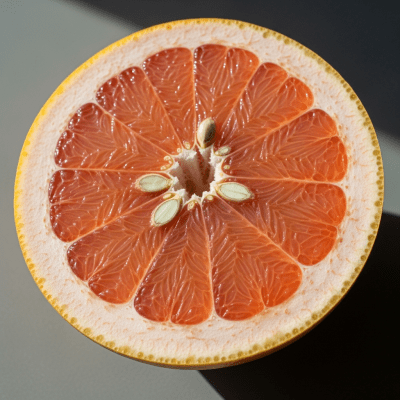
Grapefruit is typically large and round, measuring 10–15 cm in diameter and weighing 300–600 grams. Its thick rind ranges from yellow to pink or red, enclosing segmented, juicy flesh that varies from pale yellow to deep pink or ruby red, depending on the variety. The fruit’s aroma is fresh and citrusy, while its flavor is distinctly tart with a hint of bitterness, a result of the compound naringin.
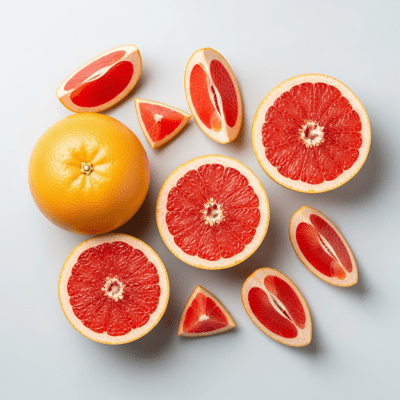
Grapefruit is enjoyed fresh—often halved and eaten with a spoon—or juiced for beverages. It is a versatile ingredient in marmalades, salads, desserts, and as a flavoring agent. Commercially, grapefruit is processed into juice and concentrate, and its zest is used for culinary and aromatic purposes. Notably, grapefruit contains compounds that can interact with certain medications, making it important for consumers to be aware of potential health implications.
Bring this kind into your world illustrated posters, mugs, and shirts.

Archival print, museum-grade paper
Buy Poster
Stoneware mug, dishwasher safe
Buy Mug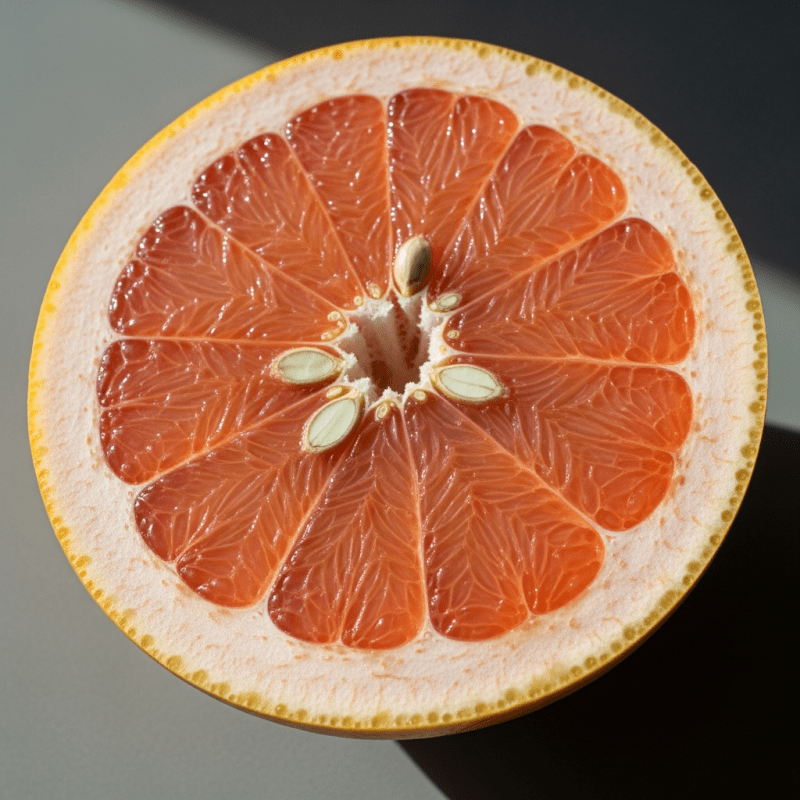
Soft cotton tee, unisex sizes
Buy ShirtGrapefruit has become a symbol of health and vitality, frequently featured in wellness imagery and diet culture due to its low calorie and high vitamin C content. In some regions, it is associated with breakfast rituals and is a staple in juice bars. The fruit’s vibrant color and refreshing taste have inspired artists, chefs, and marketers alike, while its historical names—such as "shaddock" and "toronja"—reflect its diverse cultural footprint.
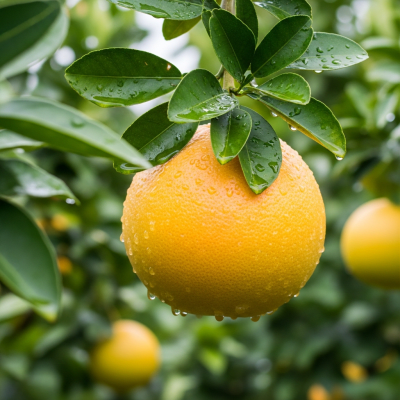
Grapefruit trees are medium to large, evergreen, and thrive in subtropical climates. The fruit is globular, with a thick rind and segmented, juicy flesh. Grapefruit is sensitive to frost and prefers well-drained soils. While moderately resistant to some citrus diseases, it is susceptible to citrus canker and greening. The fruit’s notable botanical feature is its bitterness, attributed to naringin.



Grapefruit is celebrated for its high vitamin C content, supporting immune health and skin vitality. It is low in calories and provides hydration, fiber, and antioxidants. However, grapefruit contains compounds that may interact with certain medications, so individuals should exercise caution if prescribed specific drugs.
Grapefruit is enjoyed fresh, often halved and eaten with a spoon, or juiced for a tart beverage. It adds brightness to salads, desserts, and marmalades, and is widely used in breakfast dishes and cocktails. The zest and segments are valued for their aromatic and flavor qualities in both sweet and savory recipes.
Grapefruit is cultivated in subtropical regions, requiring well-drained soils and protection from frost. Trees yield heavily under optimal conditions, with harvest typically occurring when the fruit reaches full color and size. Grapefruit is moderately disease-resistant but must be managed for threats like citrus canker and greening. After harvest, fruits maintain quality for several weeks if stored properly.
Grapefruit is a significant export crop, with major producers including the United States, Israel, and South Africa. It is traded globally in both fresh and processed forms, such as juice and concentrate. The fruit’s commercial value is driven by its popularity in health-conscious markets and its versatility in food processing industries.
Regional names for grapefruit include "shaddock" in the Caribbean and "toronja" in Spanish-speaking areas. In some Asian contexts, grapefruit is confused with pomelo due to overlapping vernacular usage, though they are botanically distinct. Cultivar preferences and culinary uses may vary, reflecting local tastes and traditions.