
Pineapple
Pineapple is a tropical fruit renowned for its spiky exterior, golden flesh, and vibrant sweet-tart flavor, widely enjoyed fresh and processed around the world.
Pineapple is a tropical fruit renowned for its spiky exterior, golden flesh, and vibrant sweet-tart flavor, widely enjoyed fresh and processed around the world.
Native to the region between southern Brazil and Paraguay, pineapple was first cultivated by indigenous peoples of South America long before European exploration. Spanish and Portuguese explorers introduced the fruit to Europe and other tropical regions in the 16th century, sparking its global spread. The species Ananas comosus was formally described in the 18th century, and modern commercial varieties have since been developed by agricultural institutions in places like Hawaii, the Philippines, and Costa Rica.
Pineapple belongs to the botanical group known as multiple fruits, meaning its edible portion is formed by the fusion of berries from many flowers. Its scientific name is Ananas comosus. Within the broader taxonomy of fruits, pineapple stands out for its unique structure and is classified separately from berries, drupes, and pomes. It is a member of the Bromeliaceae family, which includes other bromeliads but few edible relatives.
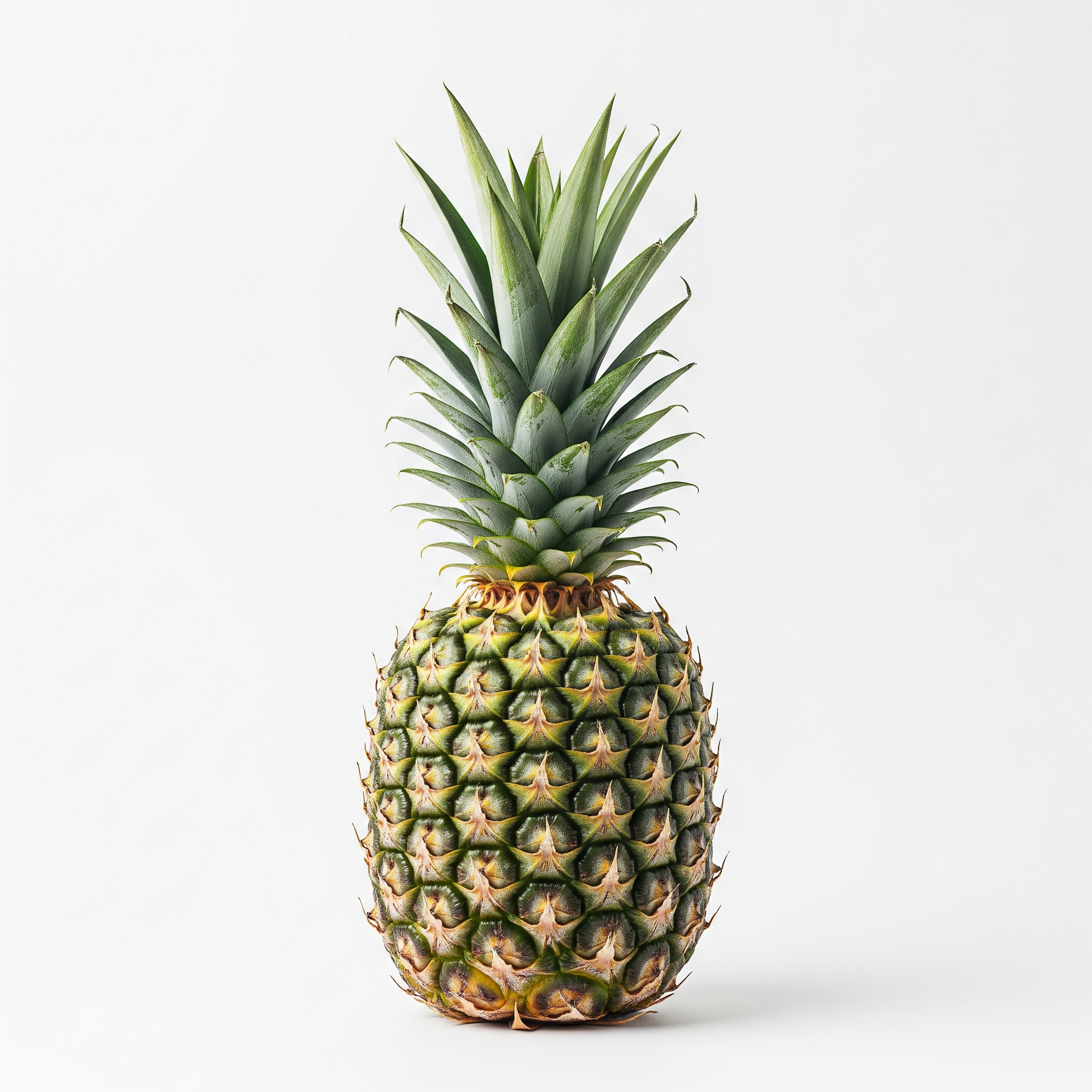
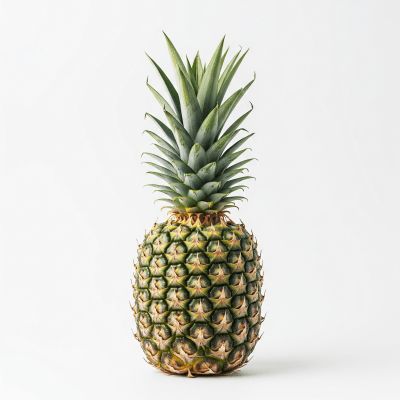
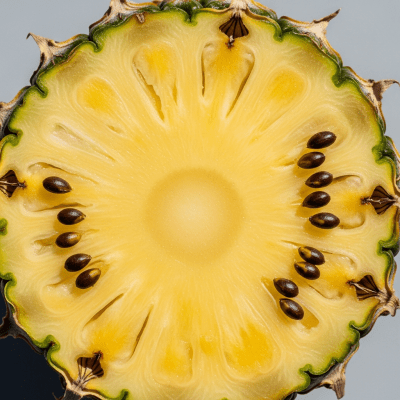
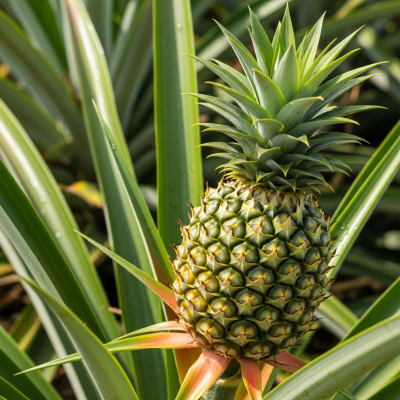
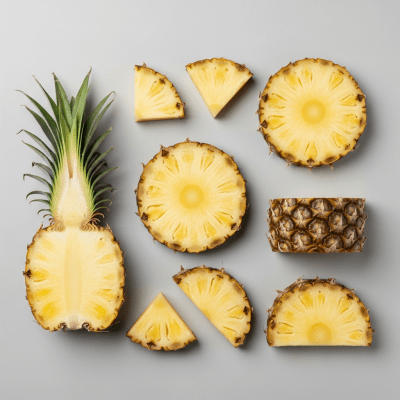
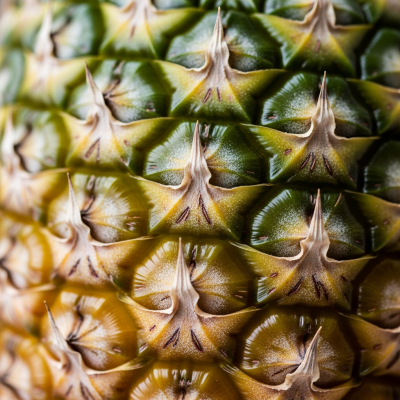
Pineapple is instantly recognizable by its rough, spiny rind and cylindrical to oval shape, typically weighing 1–3 kilograms. The fruit features a tufted crown of green, waxy leaves at the top. Inside, the flesh is yellow to pale golden, juicy, aromatic, and offers a lively balance of sweetness and acidity. Its robust exterior protects the tender, fragrant interior, making it a feast for both the eyes and palate.
Pineapple is prized for its versatility: it is eaten fresh, canned, juiced, dried, or used as a key ingredient in both sweet and savory dishes. The fruit’s natural enzyme, bromelain, is valued commercially for tenderizing meat and is also used in pharmaceuticals. Pineapple’s refreshing flavor and vibrant color make it a staple in tropical beverages, desserts, and processed foods, while its economic importance supports livelihoods in many tropical countries.
Bring this kind into your world illustrated posters, mugs, and shirts.
Archival print, museum-grade paper
Buy Poster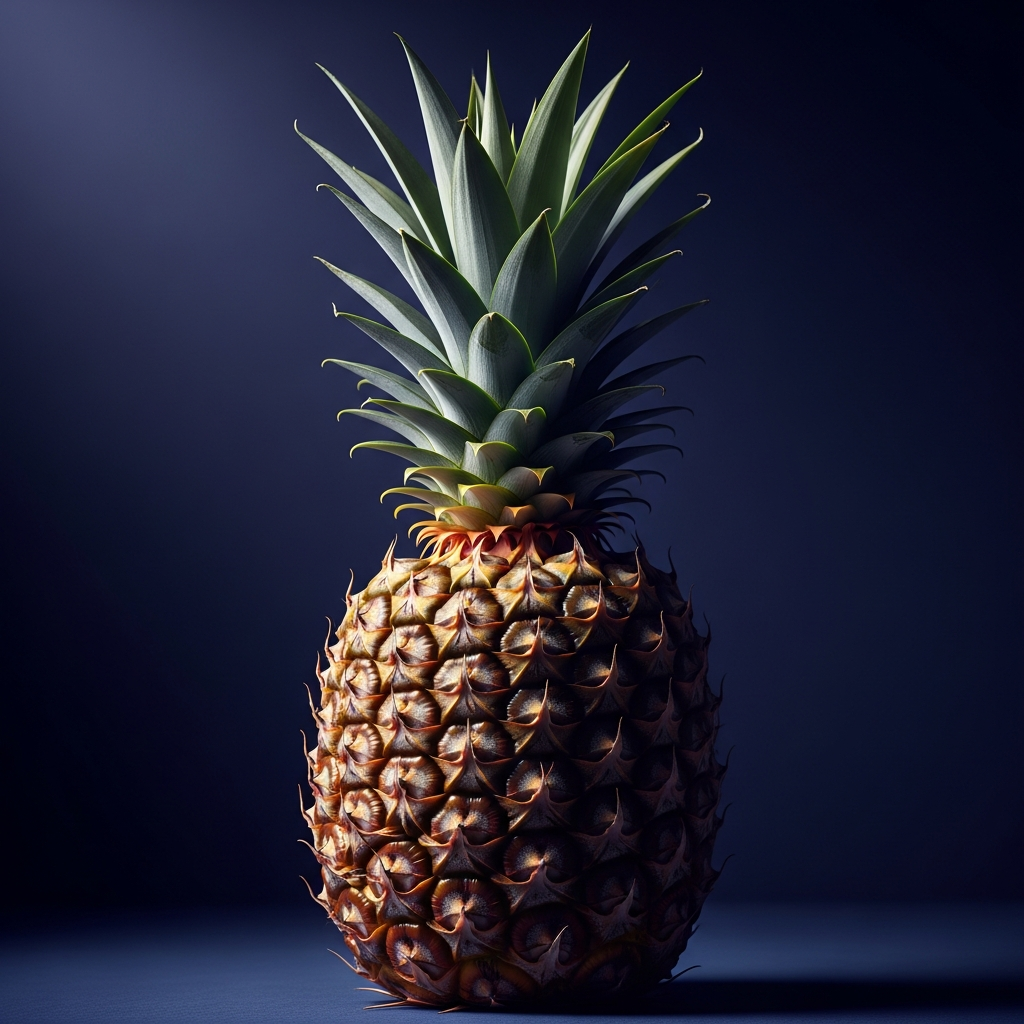
Stoneware mug, dishwasher safe
Buy Mug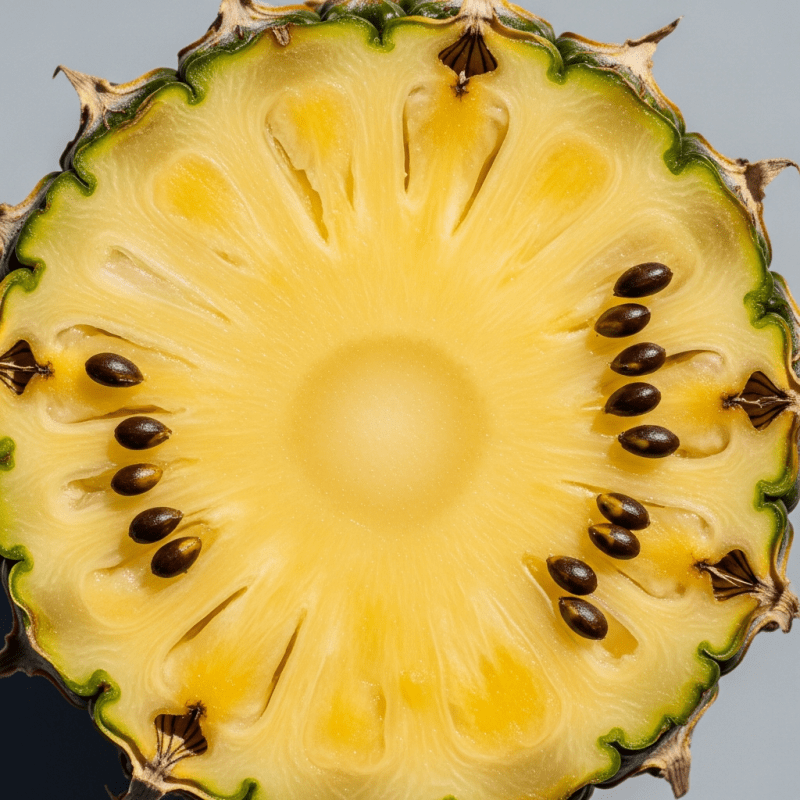
Soft cotton tee, unisex sizes
Buy ShirtAcross cultures, pineapple is a symbol of hospitality and prosperity. Its distinctive form has inspired decorative motifs in architecture, art, and home décor, especially in Europe and the Americas. In many tropical regions, pineapple features in festivals and traditional dishes, and its image is often used to welcome guests, reflecting warmth and generosity. The fruit’s journey from South American origins to global ubiquity highlights its enduring appeal and cultural resonance.
Pineapple plants are herbaceous perennials with a short, stout stem and a rosette of tough, waxy leaves. The fruit develops from the fusion of numerous individual berries, resulting in a large, cylindrical to oval structure with a spiny rind and leafy crown. Propagation is typically vegetative, using crowns, slips, or suckers. The plant thrives in warm, humid environments and is moderately drought-resistant but sensitive to frost and waterlogging.

Pineapple is a nutritional powerhouse, especially noted for its high vitamin C content, which supports immune health. It also contains bromelain, an enzyme that aids digestion and has anti-inflammatory properties. The fruit is low in fat and provides hydration, making it a refreshing and healthful choice for a balanced diet.
Pineapple’s sweet-tart flavor and juicy texture make it a favorite in a wide range of culinary uses. Enjoyed fresh, it adds brightness to fruit salads and desserts. Canned and juiced pineapple is used in beverages, sauces, and baked goods. Dried pineapple offers a chewy snack, while bromelain from the fruit is utilized as a natural meat tenderizer. Its versatility spans sweet treats, savory dishes, and tropical cocktails worldwide.
Pineapples are cultivated in warm, humid climates with well-drained soils, thriving best at temperatures between 22–32°C. Plants are propagated vegetatively and typically harvested when the fruit is fully mature and aromatic. Commercial plantations can yield 50–80 tonnes per hectare. While moderately drought-resistant, pineapples are sensitive to frost and waterlogging, and require careful management to prevent pests like mealybugs and diseases such as heart rot. Post-harvest, the fruit is often processed to extend shelf life.
Pineapple is a major export commodity, with Costa Rica, the Philippines, Thailand, and Indonesia leading global production. The fruit plays a significant role in the economies of these countries, supporting both local farmers and international trade. Pineapples are graded and traded in fresh, canned, and processed forms, meeting demand in markets worldwide and contributing to the agricultural sector’s growth.
The name "ananás" is preferred in many non-English-speaking regions, while "pineapple" is used in English. Varieties like "Red Spanish" and "Queen" are popular in the Caribbean and Australia, respectively, whereas "Smooth Cayenne" and "MD-2" dominate global markets. Regional cuisines feature pineapple in distinctive ways, from Southeast Asian savory dishes to Latin American sweets, reflecting local tastes and traditions.