
Watermelon
Watermelon is a large, juicy fruit celebrated for its sweet, refreshing flesh and high water content, making it a quintessential treat during hot summer months worldwide.
Watermelon is a large, juicy fruit celebrated for its sweet, refreshing flesh and high water content, making it a quintessential treat during hot summer months worldwide.
Watermelon traces its roots to northeastern Africa, with wild ancestors found in the regions of Sudan and Egypt. Archaeological evidence reveals seeds in ancient Egyptian tombs dating back to around 2000 BCE, marking its early domestication. Over centuries, selective breeding enhanced its sweetness, vibrant flesh colors, and reduced bitterness, transforming the wild fruit into the beloved watermelon enjoyed today. Modern cultivars have been developed by institutions such as the USDA and the Chinese Academy of Agricultural Sciences, further diversifying this iconic fruit.
Botanically, watermelon (Citrullus lanatus) belongs to the fruits taxonomy and is classified as a pepo—a type of berry with a thick rind. It is a member of the Cucurbitaceae family, which also includes cucumbers, pumpkins, and squash. The fruit’s structure, with its fleshy interior and protective outer rind, typifies the pepo category, distinguishing it from other fruit types like drupes or pomes.
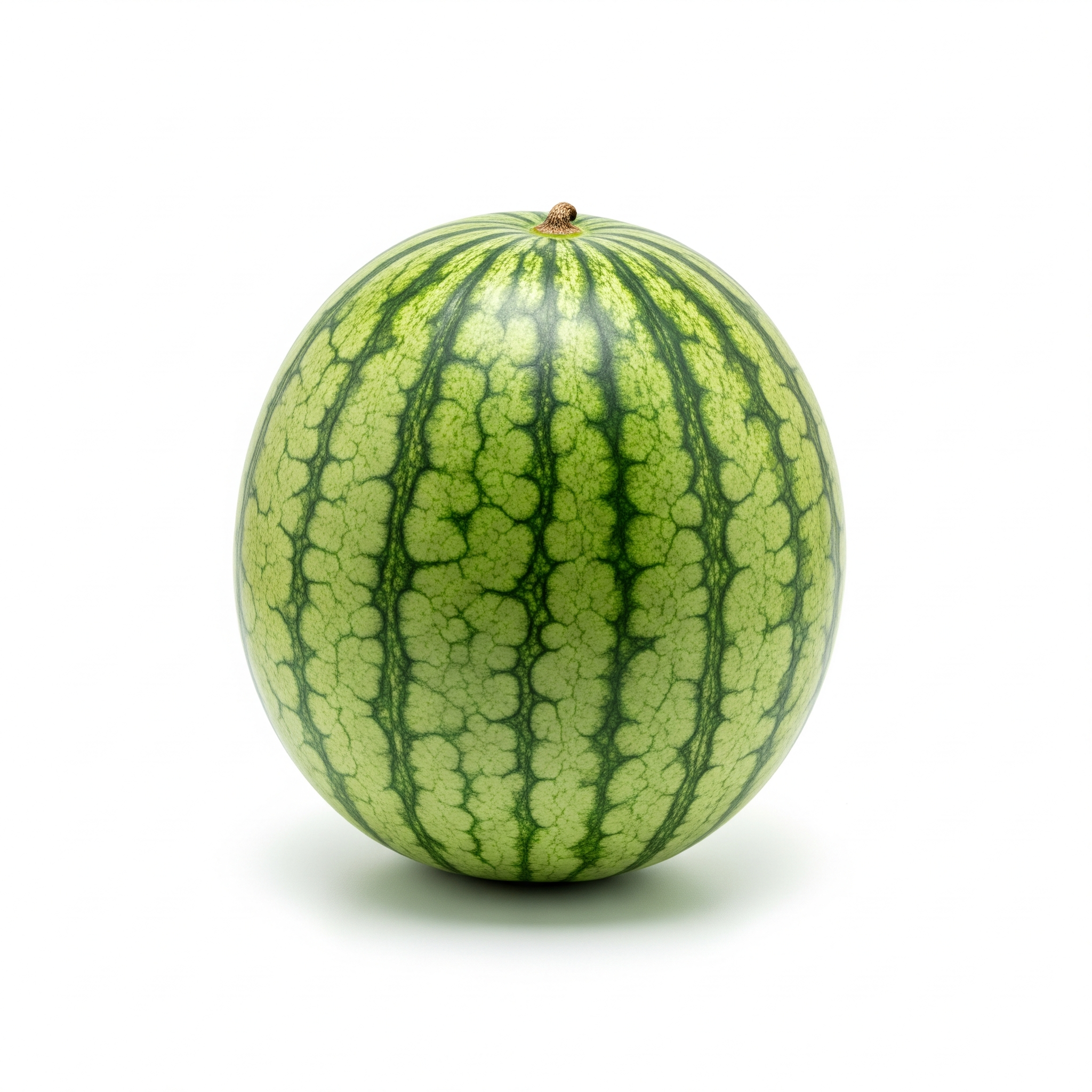
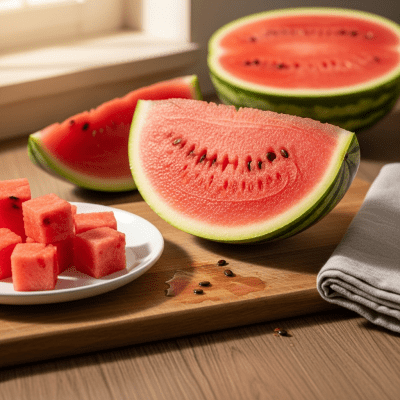
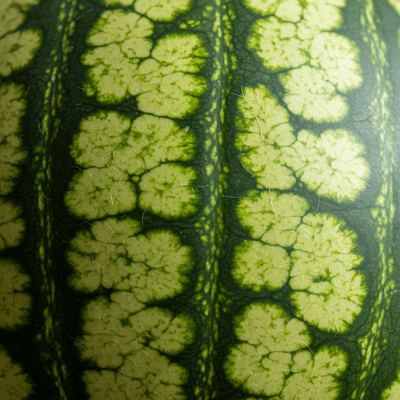
Watermelons are typically large, ranging from 2 to over 20 kilograms, and can be spherical or oblong in shape. Their thick, green rind is often mottled or striped, encasing a crisp, juicy flesh that varies in color—most commonly deep red or pink, but also orange, yellow, or even white depending on the variety. The fruit’s interior is studded with black or brown seeds, though seedless varieties are widely available. Its texture is crisp and succulent, bursting with over 90% water content.
Watermelon is primarily enjoyed fresh, sliced or cubed, and is a staple at picnics, barbecues, and summer gatherings. Its versatility extends to salads, beverages, desserts, and pickles. In some cultures, the rind is cooked or pickled, and the seeds are roasted or pressed for oil. Watermelon juice and extracts are popular in beverages and confectionery, and the fruit’s hydrating qualities make it a favorite for quenching thirst in hot climates.
Bring this kind into your world illustrated posters, mugs, and shirts.
Archival print, museum-grade paper
Buy Poster
Stoneware mug, dishwasher safe
Buy Mug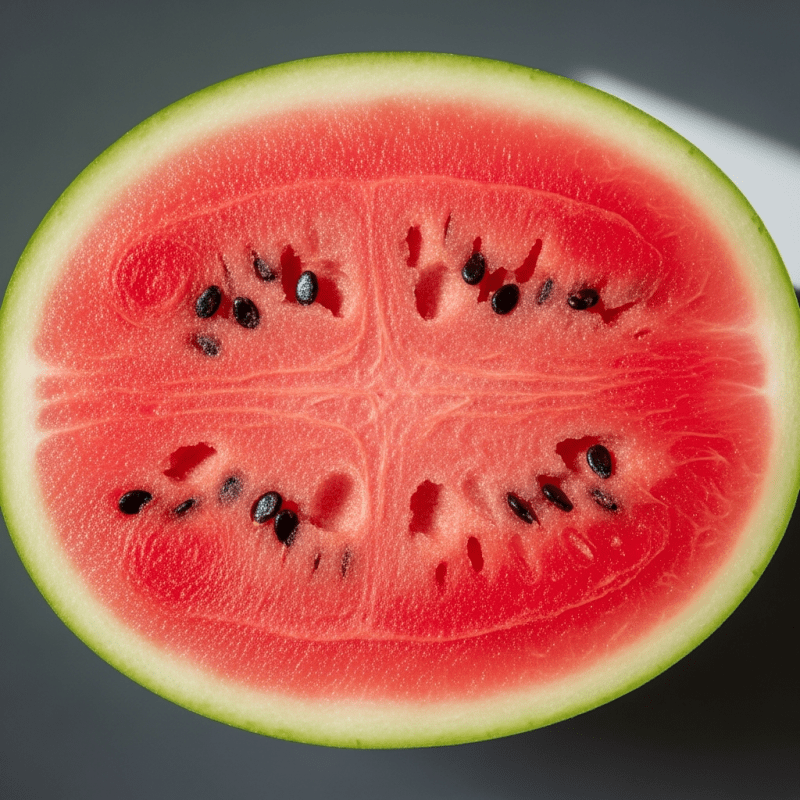
Soft cotton tee, unisex sizes
Buy ShirtWatermelon is a symbol of summer and abundance in many cultures, often featured in festivals and celebrations. Its vibrant color and refreshing taste have inspired artists, poets, and culinary traditions worldwide. In regions such as China, Turkey, and the southern United States, watermelon festivals draw crowds to honor the fruit’s role in local heritage and agriculture. The fruit’s imagery frequently appears in art, folklore, and even popular culture, representing joy, hospitality, and the pleasures of the season.
Watermelon is exceptionally hydrating, with over 90% water content and a low caloric value. It provides a good source of vitamin C, vitamin A, potassium, and the antioxidant lycopene, which is especially abundant in red-fleshed varieties. Its nutrient profile supports hydration, immune health, and antioxidant protection, making it both a delicious and nutritious choice.

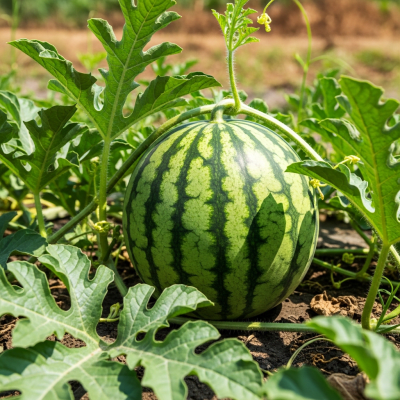
Notable watermelon cultivars include 'Sugar Baby', prized for its small size and sweetness; 'Crimson Sweet', known for its vibrant red flesh and balanced flavor; 'Charleston Gray', with an oblong shape and firm rind; and 'Black Diamond', recognized for its dark skin. Seedless watermelons and 'Icebox' types (small, refrigerator-friendly fruits) are popular in retail markets. Each variety offers unique traits in size, color, and flavor, catering to diverse preferences and climates.
Watermelon thrives in warm climates and is typically harvested during late spring through summer. In major producing regions such as China, Turkey, India, and Iran, peak availability aligns with the hottest months, though global trade ensures year-round access in many markets. Local seasonality may vary, but watermelon remains a staple of summer diets worldwide.
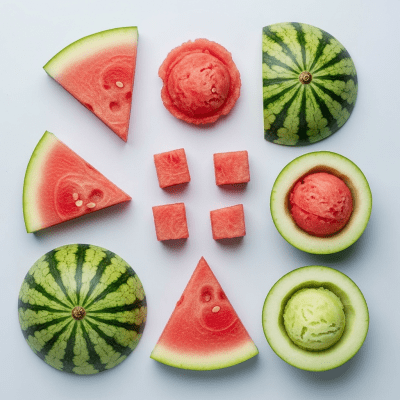
Watermelon is most commonly enjoyed fresh, sliced, or cubed. It features in fruit salads, smoothies, and desserts, and its juice is a popular ingredient in beverages. In some cuisines, the rind is pickled or cooked, and seeds are roasted or pressed for oil. Watermelon can also be used in sorbets, salsas, and even grilled for a savory twist, making it a versatile addition to both sweet and savory dishes.
Whole watermelons are best stored at 10–15°C to maintain freshness and extend shelf life. Once cut, the fruit should be refrigerated and consumed within a few days to preserve its texture and flavor. Avoid storing watermelon in overly cold or damp conditions, as this can affect quality. Handle with care to prevent bruising, and wash the rind before cutting to reduce the risk of contamination.
Watermelon offers excellent hydration due to its high water content and is low in calories, making it a healthy snack. It is rich in antioxidants like lycopene and vitamin C, which support immune function and may help protect against oxidative stress. The potassium content aids in maintaining healthy blood pressure, while the fruit’s natural sweetness provides a satisfying alternative to processed snacks.