
Apricot
The apricot is a small, golden-orange stone fruit celebrated for its delicate sweetness, subtle tartness, and versatility in fresh and dried forms.
The apricot is a small, golden-orange stone fruit celebrated for its delicate sweetness, subtle tartness, and versatility in fresh and dried forms.
Apricots trace their origins to the region spanning northeastern China and Central Asia, where they have been cultivated for over 4,000 years. The fruit was later naturalized in Armenia—reflected in its species name, armeniaca—and spread westward along the Silk Road to the Mediterranean and Europe. Its domestication is ancient and collective, with no single breeder or institution credited. Today, apricot breeding and cultivation thrive in Turkey, Iran, the United States, and throughout Mediterranean countries.
Botanically, the apricot belongs to the genus Prunus and is classified as Prunus armeniaca. It is a member of the Rosaceae family and is grouped as a drupe—a fleshy fruit with a single hard stone. This places it alongside other stone fruits like peaches and cherries within the broader taxonomy of edible fruits.
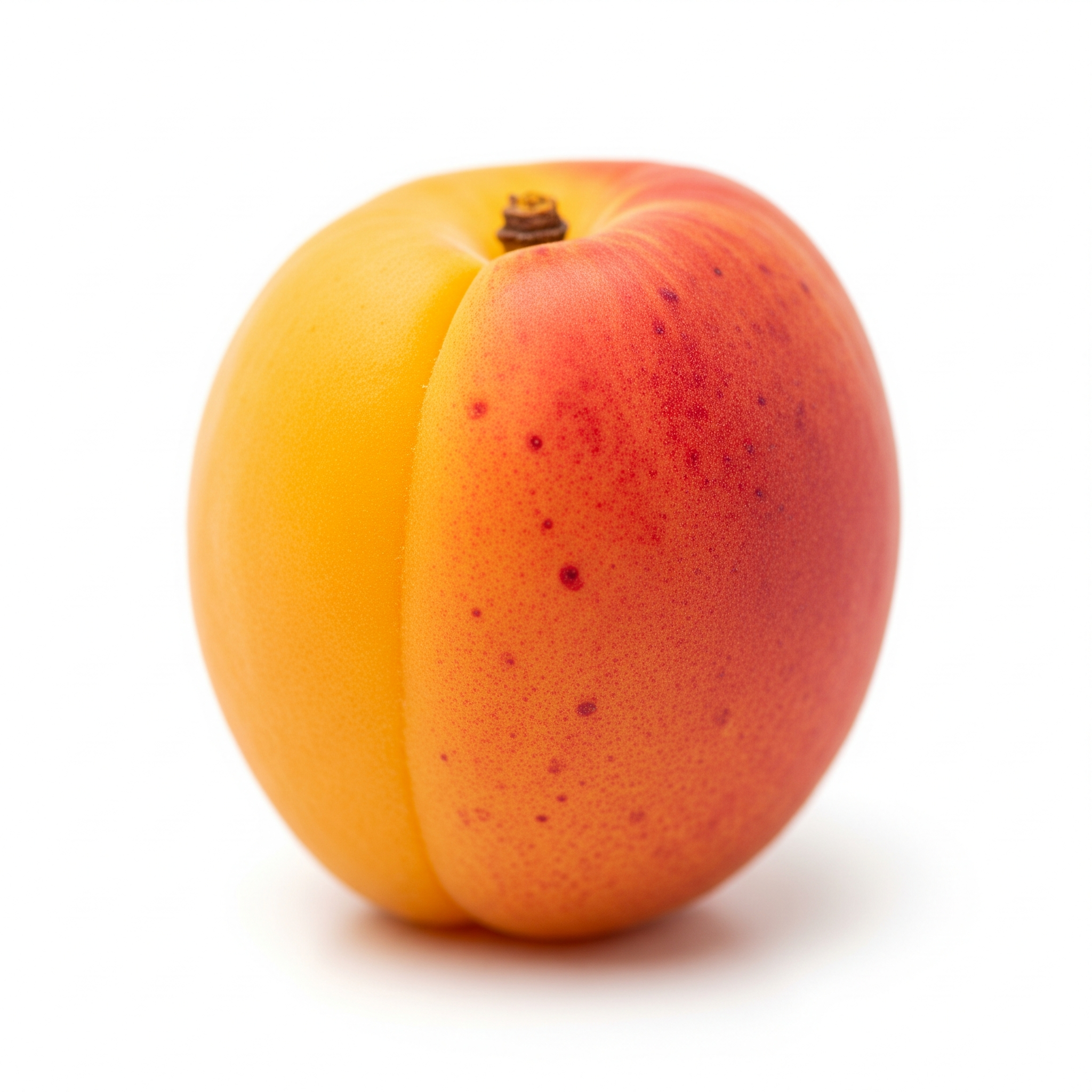
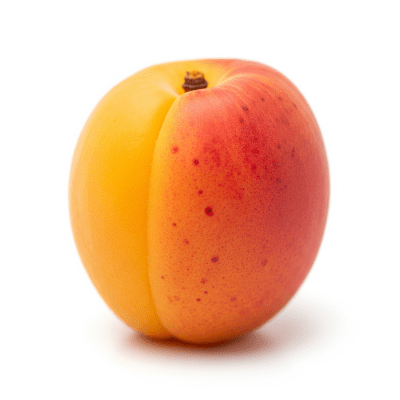
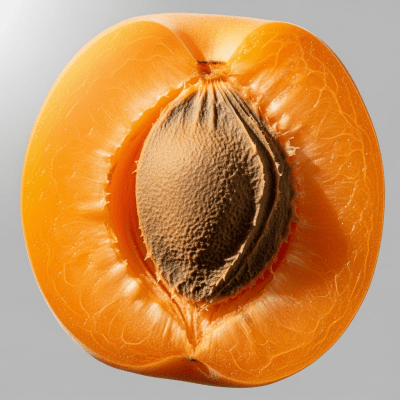
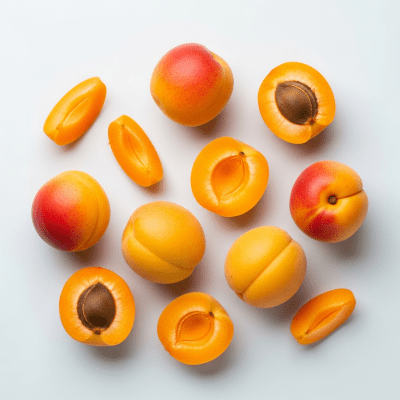
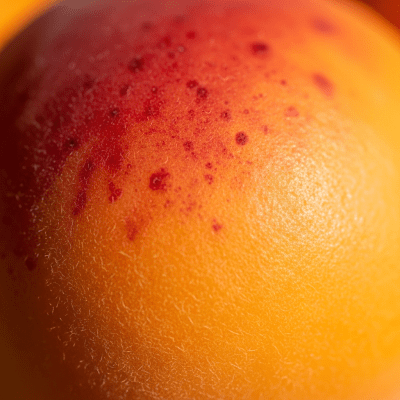
Apricots are typically 3–6 cm in diameter, with smooth, velvety skin that ranges from pale yellow to deep orange, often displaying a gentle reddish blush. The flesh is firm to tender, juicy, and sweet-tart, encasing a single hard pit. Their compact size and vibrant color make them visually appealing, while their aroma is subtly floral and inviting.
Apricots are enjoyed fresh, dried, or processed into jams, preserves, juices, and confections. Dried apricots are a major export, especially from Turkey. The fruit appears in both sweet and savory dishes, and its kernels are sometimes used for flavoring in baked goods, though they contain amygdalin, which can be toxic in large quantities. Apricot oil, extracted from the kernels, finds use in cosmetics and culinary applications.
Bring this kind into your world illustrated posters, mugs, and shirts.
Archival print, museum-grade paper
Buy Poster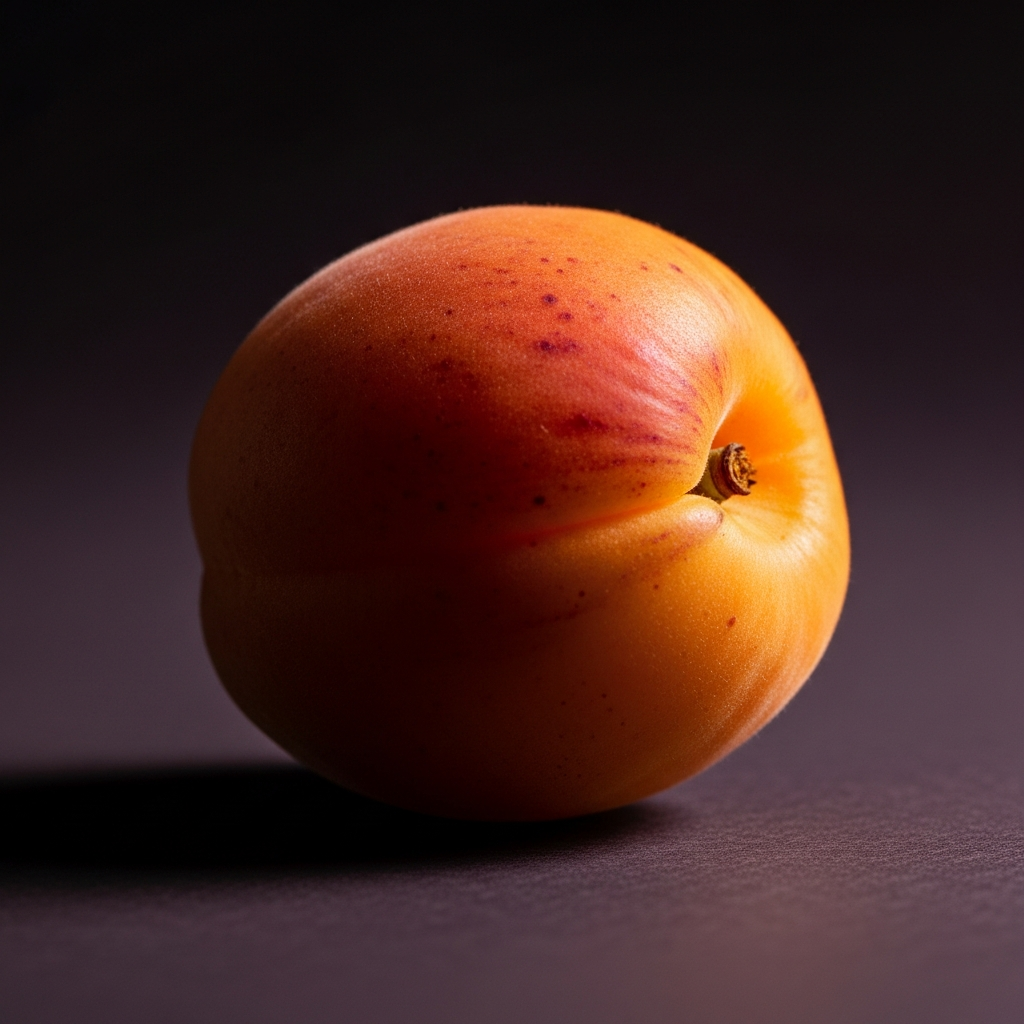
Stoneware mug, dishwasher safe
Buy Mug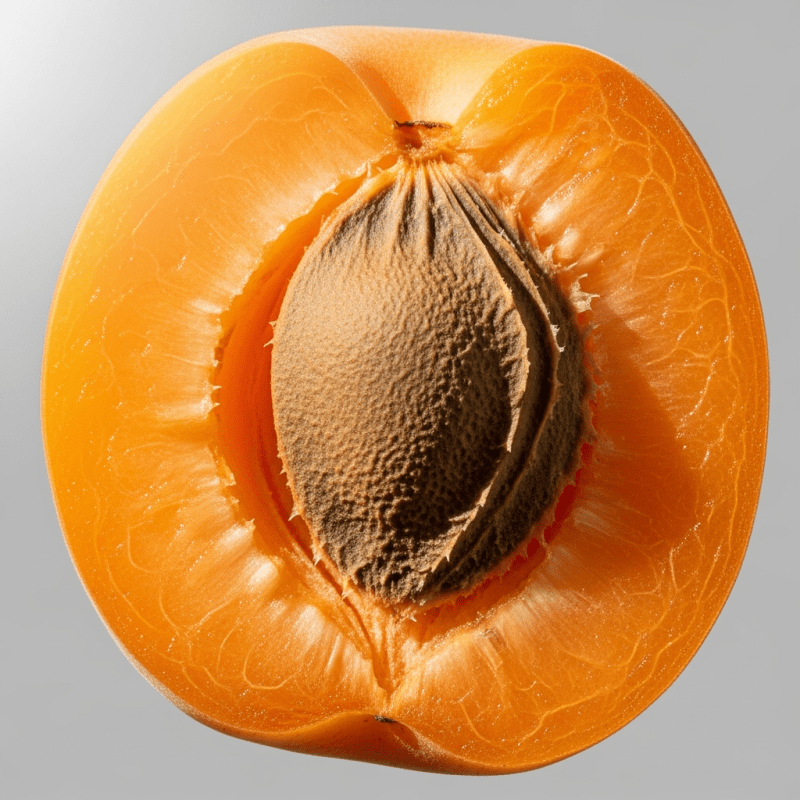
Soft cotton tee, unisex sizes
Buy ShirtApricots hold symbolic and practical importance across cultures. In Armenia, they are a national emblem and feature in folklore and cuisine. The fruit’s journey along the Silk Road has made it a staple in Mediterranean and Middle Eastern diets. Apricots are referenced in poetry, art, and traditional medicine, often associated with abundance, renewal, and the arrival of summer.
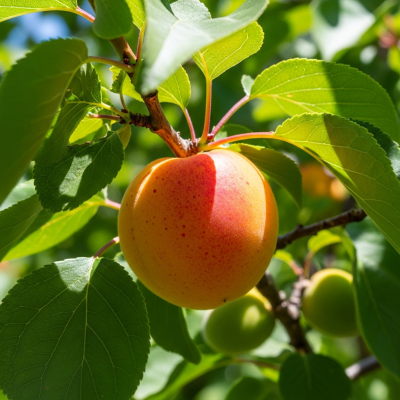
Apricot trees are deciduous, typically growing 8–12 meters tall. They flower early in spring, making them susceptible to late frosts. The fruit is a drupe, with smooth, velvety skin and a single hard pit. Some cultivars show resistance to diseases like brown rot and bacterial canker, but overall susceptibility varies. Apricots require temperate climates with cold winters for dormancy and are moderately yielding.

Apricots are a nutritional powerhouse, especially noted for their high vitamin A (beta-carotene) content. They also provide vitamin C, potassium, and are an excellent source of dietary fiber, supporting eye health, immune function, and digestion.
Apricots are versatile in the kitchen: enjoyed fresh, dried, or as ingredients in jams, preserves, juices, and confections. Dried apricots are a staple in many cuisines and a major export product. The fruit complements baked goods, savory dishes, and salads. Apricot kernels add a distinctive flavor to certain biscuits, and the oil extracted from kernels is used in both culinary and cosmetic contexts.
Apricots thrive in temperate regions with cold winters, which are necessary for tree dormancy. Trees flower early in spring, making them vulnerable to frost damage. Harvest typically occurs in early summer. Yields depend on cultivar and climate, and the fruit is highly perishable, requiring careful handling post-harvest. Drying and canning are common methods to extend shelf life and usability.
Apricots are produced globally, with Turkey leading in both fresh and dried apricot exports. Iran, the United States, and Mediterranean countries are also major producers. Dried apricots are a significant export commodity, valued for their extended shelf life and versatility. Global trade focuses on both fresh and processed forms, with grading and quality standards varying by region.
Apricot varieties and uses differ widely across regions. In Armenia, apricots are a cultural symbol and feature in traditional dishes. Turkey specializes in dried apricots for export, while the Middle East and Mediterranean regions cultivate local varieties like Shalah. Wild and semi-wild apricots are harvested in some areas, contributing to regional diversity in flavor and culinary applications.