Cantaloupe
Cantaloupe is a sweet, orange-fleshed melon prized worldwide for its refreshing flavor, juicy texture, and versatility in both fresh and processed forms.
Cantaloupe is a sweet, orange-fleshed melon prized worldwide for its refreshing flavor, juicy texture, and versatility in both fresh and processed forms.
Originating from regions spanning South Asia, Africa, Persia, and India, cantaloupe’s history is rich and global. The fruit was introduced to Europe in the 15th century, with its name derived from Cantalupo in Sabina, Italy, where it arrived from Armenia. Over centuries, cantaloupe has been cultivated and bred for enhanced sweetness, disease resistance, and improved shelf life, making it a staple in Mediterranean diets and a major commercial crop worldwide.
Cantaloupe belongs to the species Cucumis melo within the Cucurbitaceae family, a group that includes melons, cucumbers, and squashes. Botanically, it is classified as a muskmelon, specifically Cucumis melo var. cantalupensis. Its close relatives include other melon varieties, and it is often grouped with netted melons in North America and Europe.
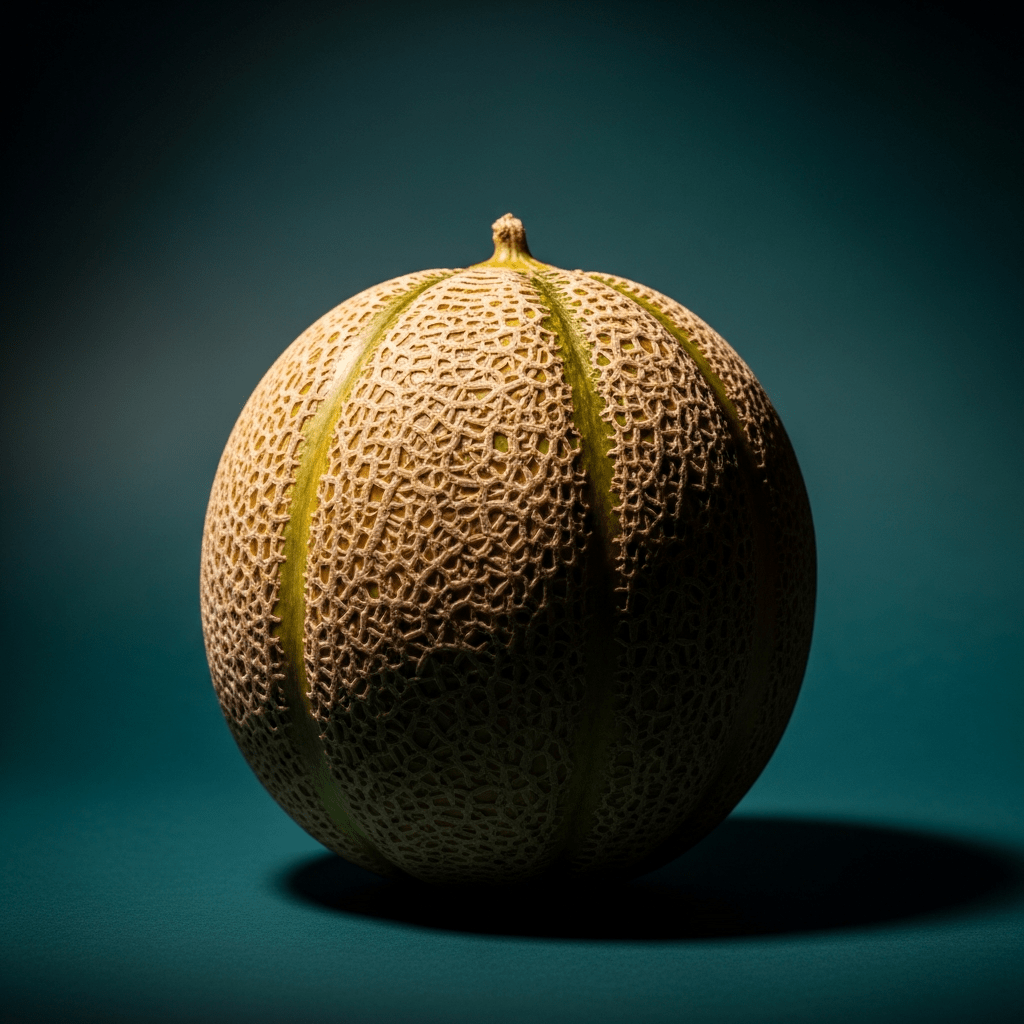
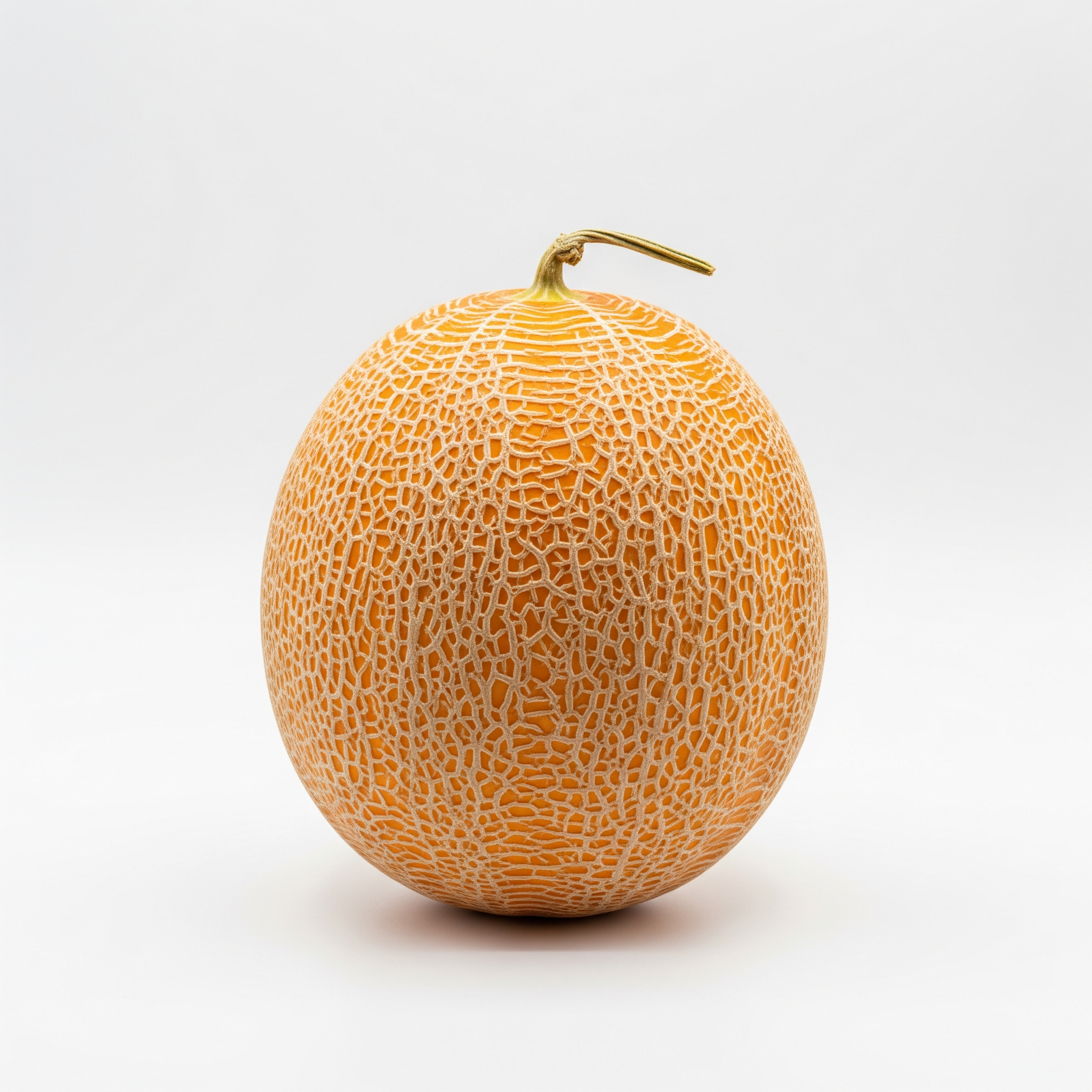
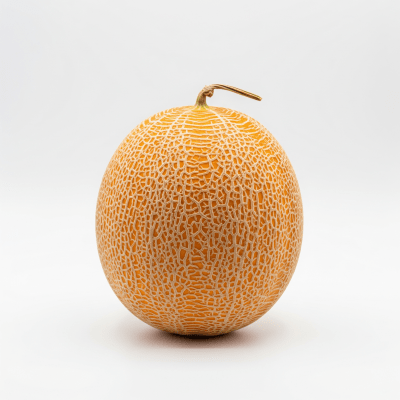
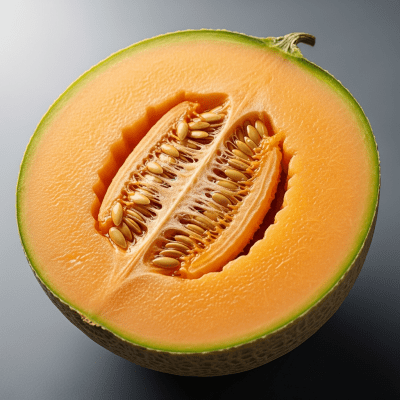
Cantaloupe fruits are typically round to oval, weighing between 0.5 and 3 kilograms. The rind is beige to tan with a distinctive netted (reticulated) pattern, while the flesh inside glows with a vibrant orange hue, juicy and aromatic. At the center, a cavity holds numerous seeds. The fruit’s firm yet yielding texture and sweet, floral fragrance make it instantly recognizable and appealing.
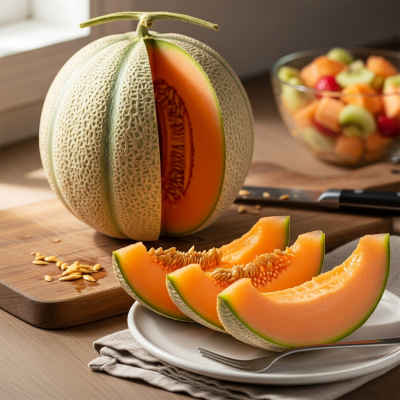
Cantaloupe is primarily enjoyed fresh, sliced or cubed, and is a staple in fruit salads, desserts, and breakfast dishes. Its high water content makes it especially refreshing, and it is also blended into smoothies, juices, and sorbets. In some cultures, the seeds are roasted and eaten, and the fruit may be dried or made into jams and preserves. Commercially, cantaloupe is sold whole or pre-cut, catering to both retail and food service markets.
Bring this kind into your world illustrated posters, mugs, and shirts.
Archival print, museum-grade paper
Buy Poster
Stoneware mug, dishwasher safe
Buy Mug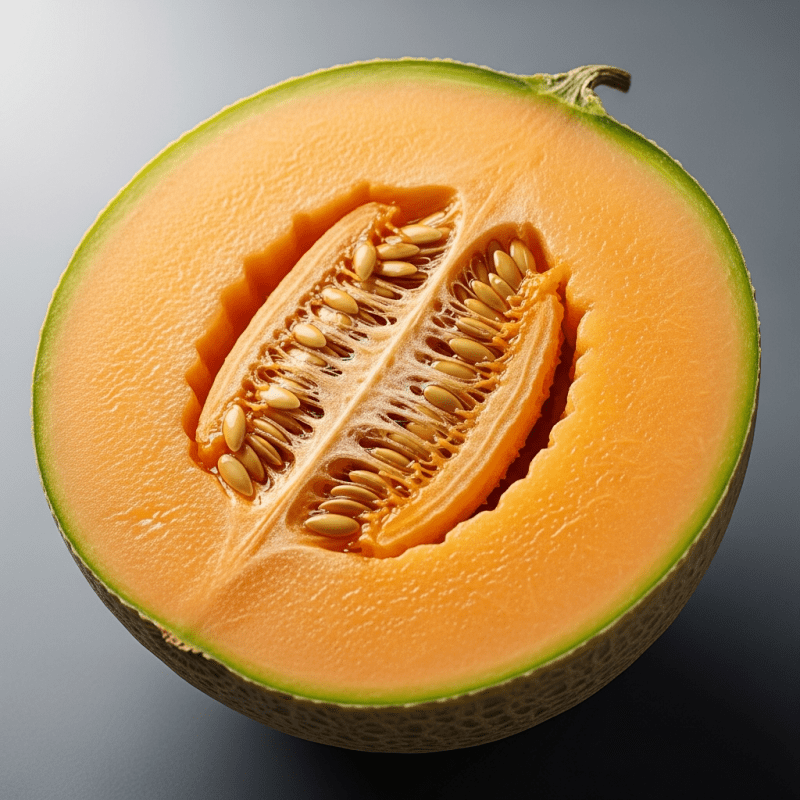
Soft cotton tee, unisex sizes
Buy ShirtCantaloupe has woven itself into the culinary traditions of many regions, symbolizing summer and abundance. In Mediterranean countries, it is a classic accompaniment to cured meats and cheeses. Its introduction to Europe marked a shift in horticultural practices and diet, and today, cantaloupe features in art, literature, and seasonal festivals celebrating harvest and freshness.
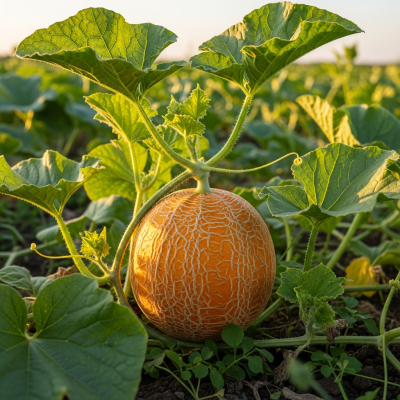
Cantaloupe grows as an annual trailing vine, producing round to oval fruits with netted rinds and orange, juicy flesh. The plant thrives in warm climates and well-drained soils, requiring full sun for optimal growth. Each fruit contains a central seed cavity, and the growing season typically spans 80–100 days. The plant is susceptible to diseases such as powdery mildew and fusarium wilt, but resistant cultivars are available to mitigate these challenges.
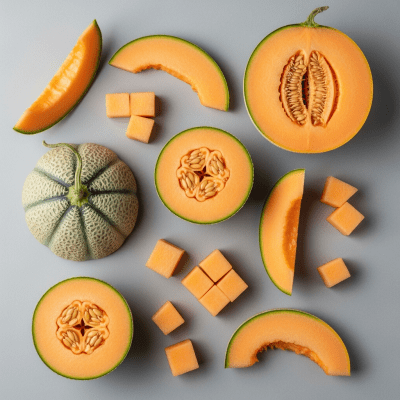

Cantaloupe is celebrated for its high water content, which aids hydration, and its rich supply of beta-carotene, an important antioxidant and precursor to vitamin A. The fruit is naturally sweet, low in calories, and provides a range of vitamins and minerals, making it a healthy addition to any diet.
Cantaloupe is most commonly enjoyed fresh, either sliced, cubed, or balled. It features prominently in fruit salads, breakfast platters, and desserts. Its sweet, aromatic flavor pairs well with prosciutto and cheeses, and it is often blended into smoothies, juices, sorbets, and yogurts. In some regions, cantaloupe is dried, made into jams, or its seeds are roasted for snacking.
Cantaloupe cultivation requires warm temperatures, well-drained soils, and plenty of sunlight. The growing season lasts 80–100 days, with yields ranging from 20 to 40 tons per hectare in commercial operations. Proper irrigation and pollination management are essential for high-quality fruit. Harvesting is done when the fruit emits a sweet aroma and the rind develops its characteristic netting. Post-harvest, cantaloupe is sensitive to chilling injury and should be stored at 2–5°C.
While specific cultivar names vary by region and market, cantaloupe encompasses both the netted muskmelon types popular in North America and the smoother-rinded European varieties. Modern commercial strains are bred for sweetness, disease resistance, and shelf life, with ongoing development by institutions such as the USDA and international horticultural centers.
Cantaloupe is a major fruit crop traded globally, with significant exports from the United States, Spain, Turkey, and China. The fruit is marketed both whole and pre-cut, catering to consumer convenience and food service demand. Its commercial value is driven by year-round production in various climates and its popularity in fresh fruit markets worldwide.
Regional differences in naming and varieties are common: "muskmelon" in North America and Asia, "rockmelon" in Australia and New Zealand, and "melon" in Europe (where it may refer to other types). In the U.S., "cantaloupe" usually denotes the netted muskmelon, while the true European cantaloupe has a smoother rind. These distinctions reflect local preferences, cultivation practices, and culinary traditions.