Origin Story
The concept of berries has evolved over centuries, rooted in both natural history and human cultivation. Wild berries have long been gathered by indigenous peoples and early agricultural societies across the globe for their nutrition and flavor. Over time, selective breeding and cultivation expanded their variety and availability, especially in temperate regions. The botanical understanding of berries emerged through scientific classification, distinguishing true berries like grapes and tomatoes from aggregate fruits such as raspberries, while culinary traditions embraced a broader, more familiar grouping based on taste and use.
Classification
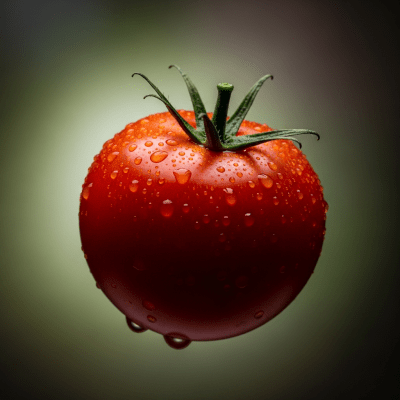
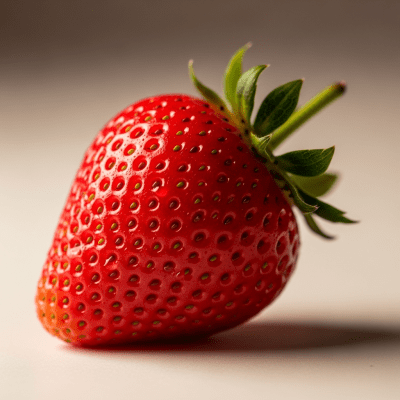
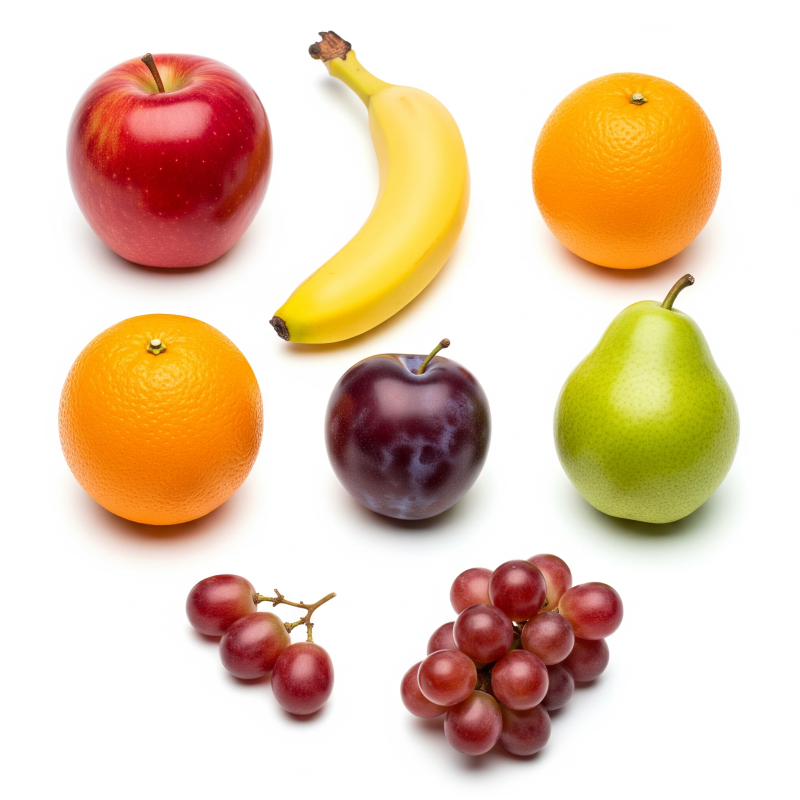
Berries occupy a unique position bridging botanical and culinary classifications. Botanically, they are defined as fleshy fruits developing from a single ovary, including examples like grapes (Vitis vinifera) and tomatoes (Solanum lycopersicum). Culinary and agricultural classifications, however, group berries by usage and sensory traits, encompassing aggregate fruits such as strawberries (Fragaria × ananassa) and raspberries. This taxonomy recognizes multiple organizational frames—botanical, culinary, and ethnobotanical—to accommodate their diverse identities and applications.
Appearance or Form
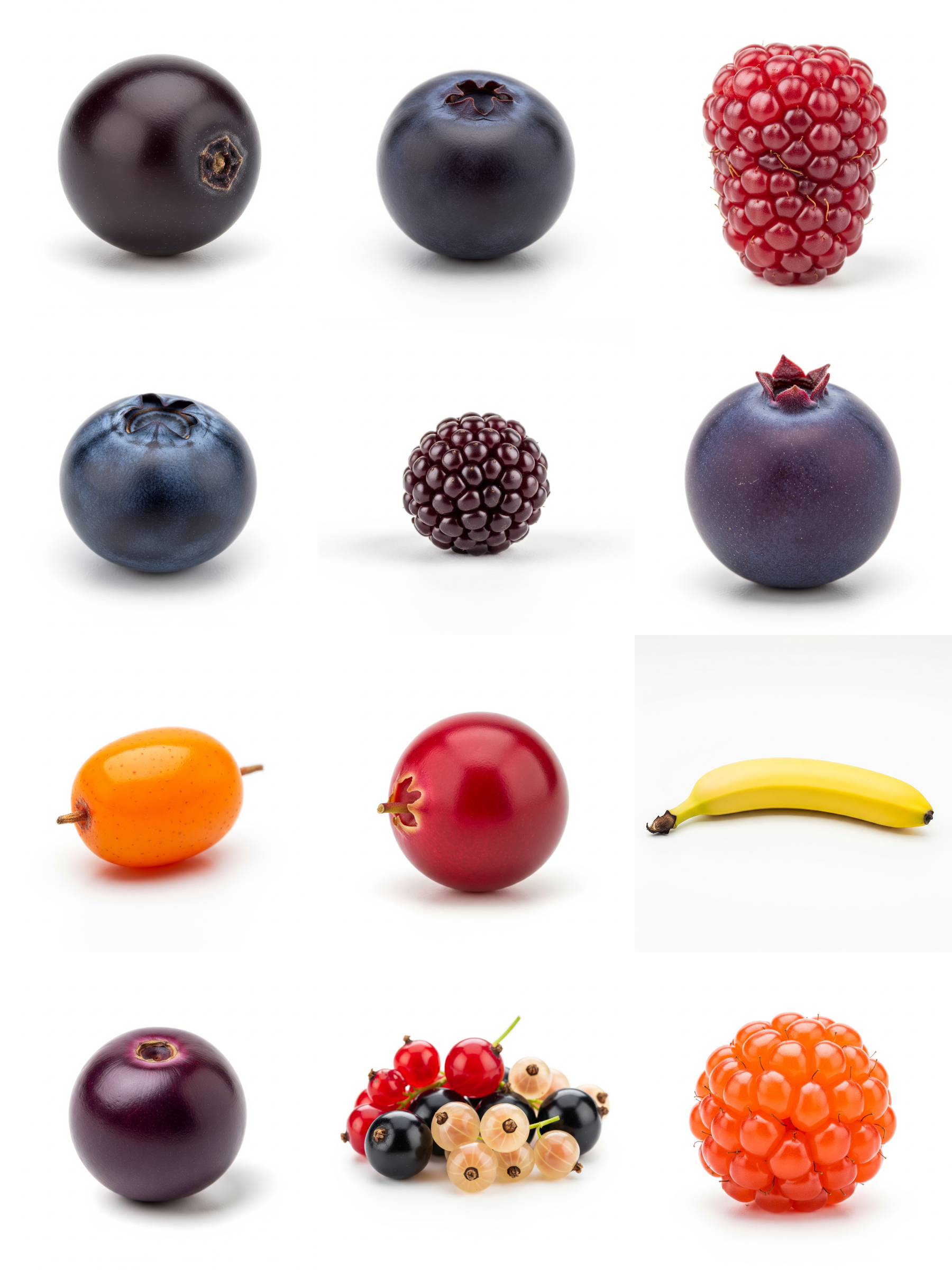
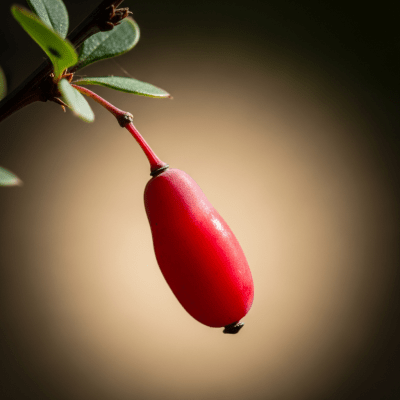
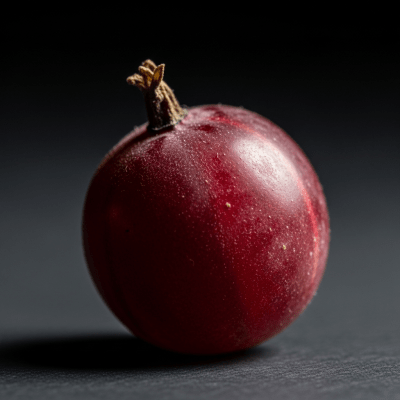
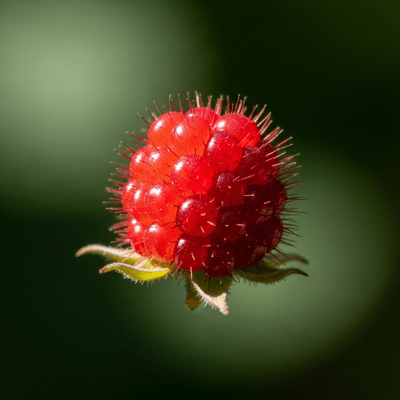
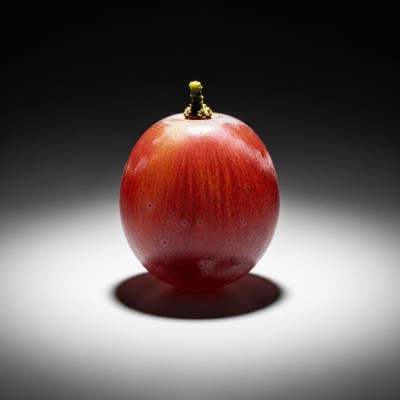
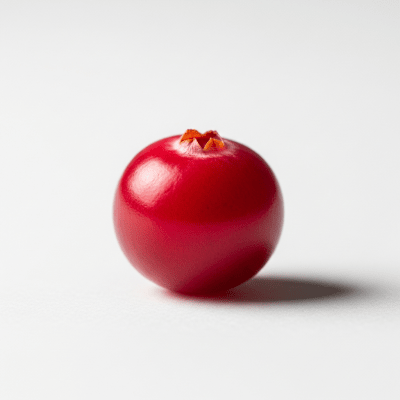
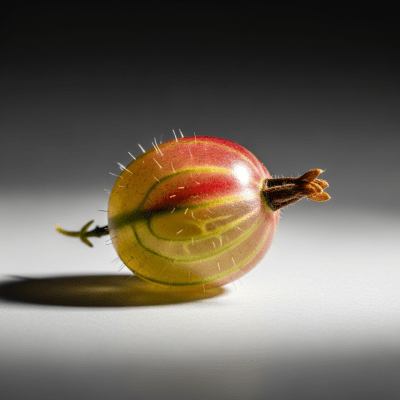
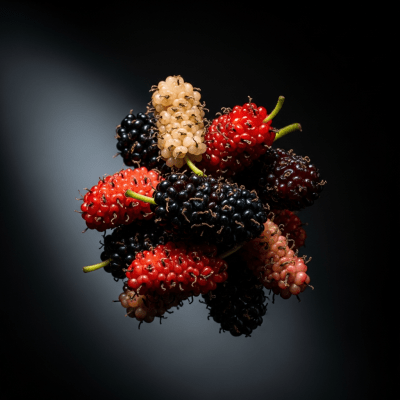
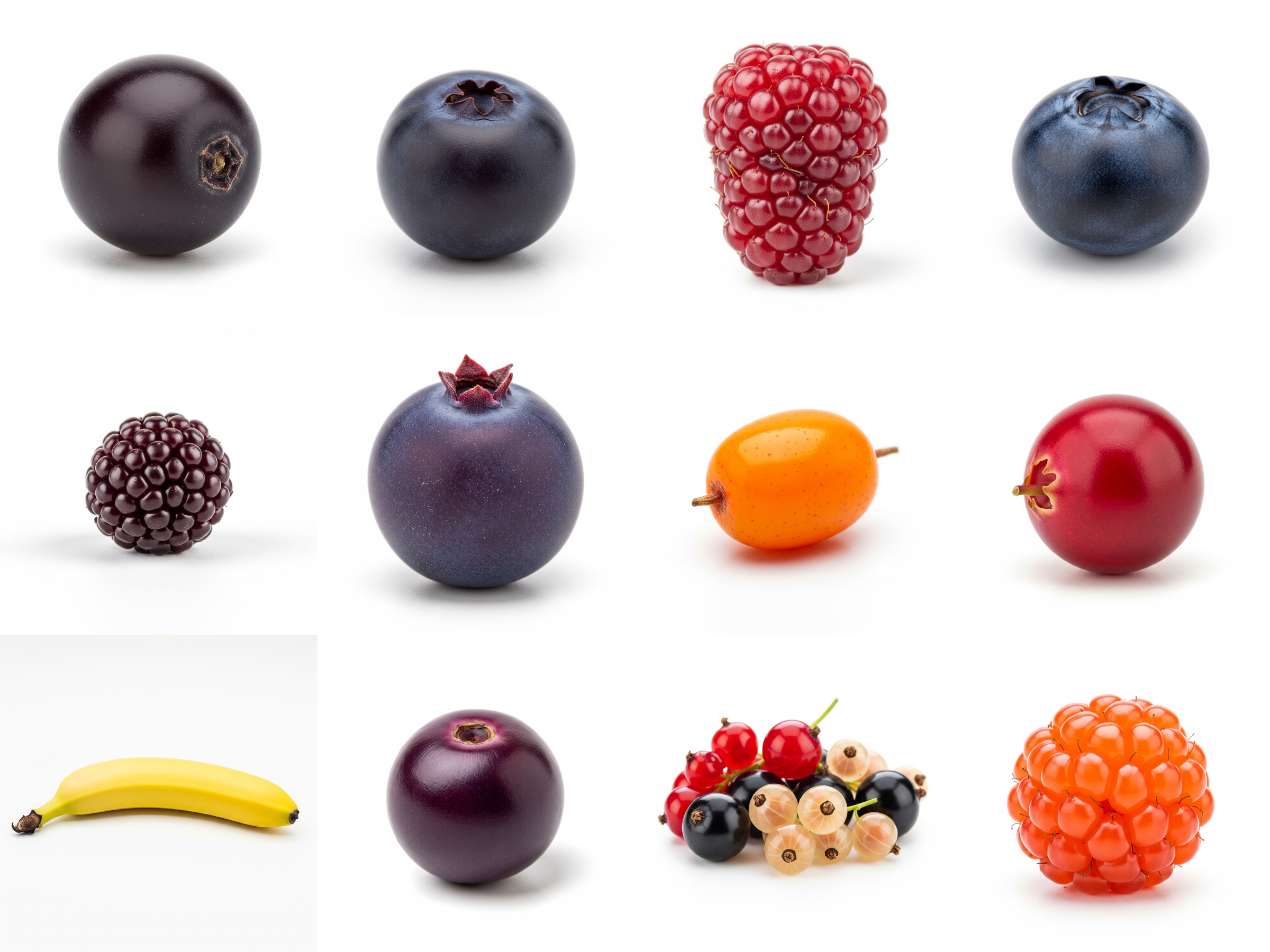
Berries vary widely in appearance but generally share traits of small size, vibrant colors, and a fleshy texture. True botanical berries are typically smooth-skinned and contain multiple seeds embedded within their pulp, as seen in grapes and tomatoes. Culinary berries often display aggregate structures, composed of clusters of tiny drupelets, giving raspberries and blackberries their characteristic bumpy surface. Their colors range from deep reds and purples to bright blues and yellows, often signaling ripeness and attracting animals for seed dispersal.
Behavior or Usage
Berries serve multiple roles in ecosystems and human life. Ecologically, they provide essential nutrition to wildlife, aiding seed dispersal. For humans, berries are prized for their flavor, nutritional value, and versatility. They are consumed fresh, dried, or processed into jams, juices, and desserts. Cultivated berries support significant agricultural industries worldwide, with breeding efforts enhancing yield, taste, and disease resistance. Their antioxidant-rich profiles also make them popular in health and wellness contexts.