Fig
The fig (Ficus carica) is a sweet, fleshy fruit native to the Mediterranean and Western Asia, celebrated for its ancient heritage and versatility in both fresh and dried forms.
The fig (Ficus carica) is a sweet, fleshy fruit native to the Mediterranean and Western Asia, celebrated for its ancient heritage and versatility in both fresh and dried forms.
Figs trace their roots to the Mediterranean basin and Western Asia, where wild populations have thrived for millennia. Evidence of fig cultivation dates back to at least 5000 BCE, making it one of humanity’s earliest domesticated fruits. Its spread across continents was propelled by its adaptability and the value placed on its unique flavor and nutritional benefits. Today, figs are cultivated worldwide, but their story begins in the sun-drenched landscapes bordering the Mediterranean Sea.
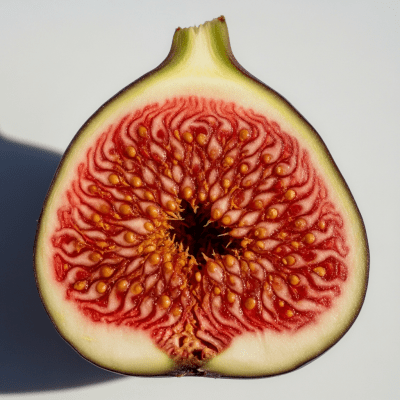
Botanically, the fig belongs to the Moraceae family and is classified as Ficus carica. It is a member of the genus Ficus, which encompasses hundreds of species, many of which are valued for their edible fruit or ornamental qualities. The fig’s fruit is technically a syconium—a hollow, fleshy structure containing numerous tiny flowers and seeds. This places it among the more unusual fruit types in the plant kingdom, distinct from berries, drupes, or pomes.
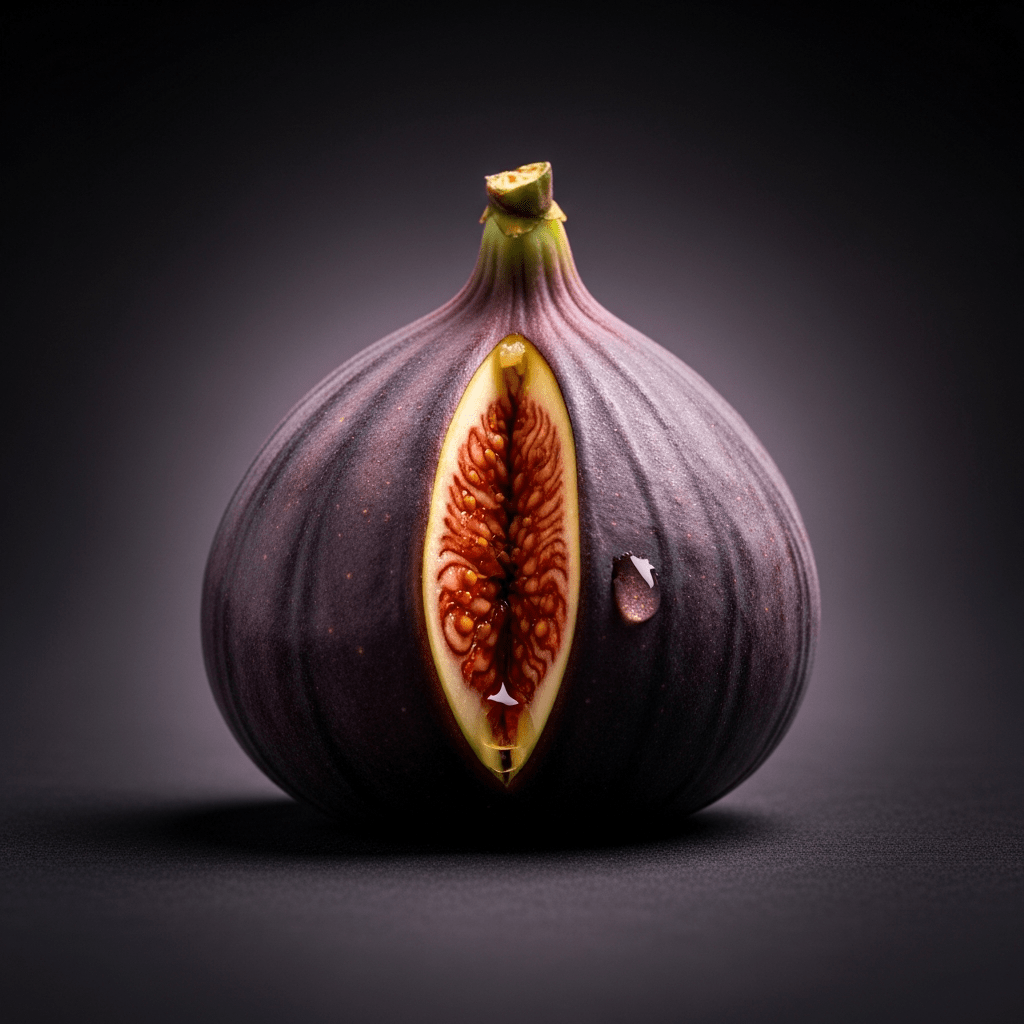
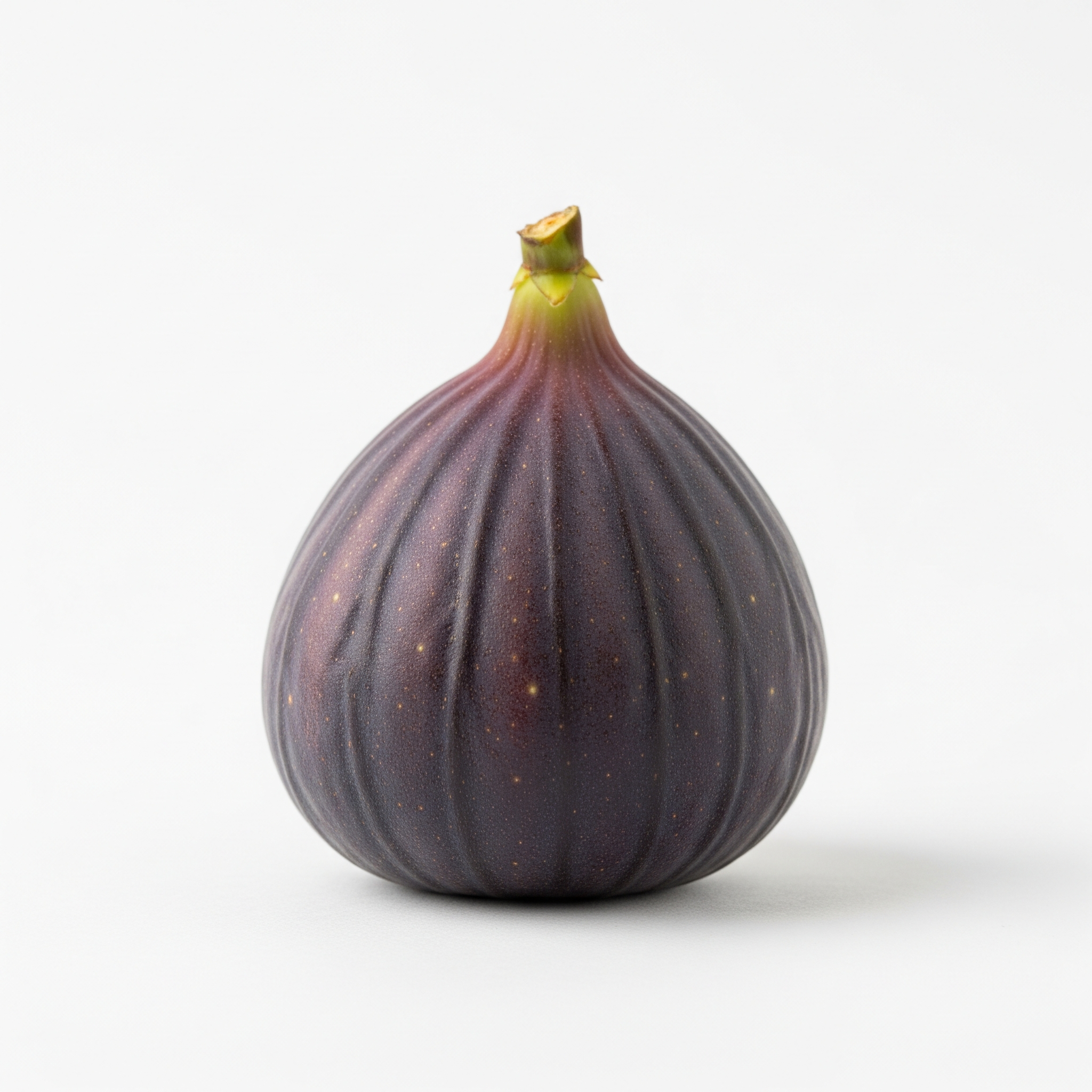
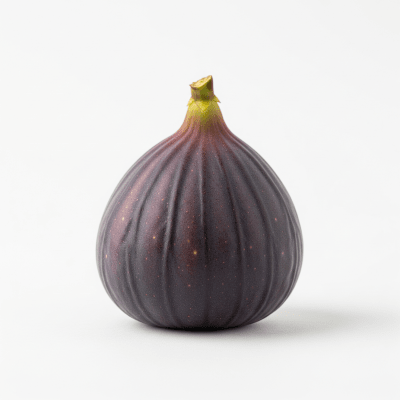
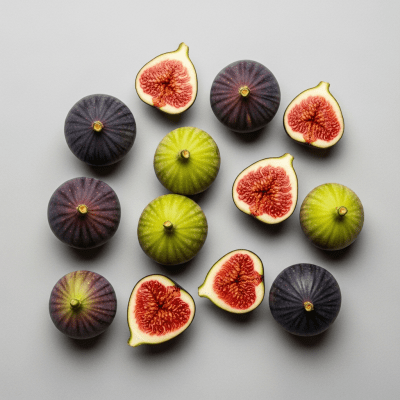
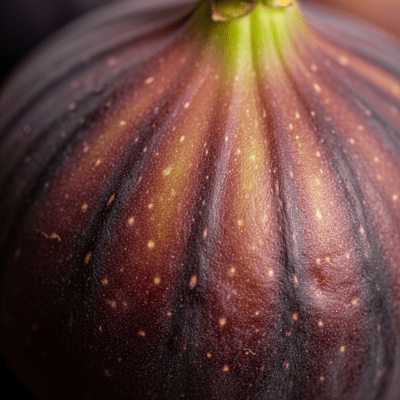
Figs are typically small to medium-sized, with a soft, edible skin that ranges in color from green to deep purple or brown. The fruit’s interior is filled with sweet, aromatic pulp dotted with tiny seeds, creating a luscious, jammy texture. When ripe, figs yield easily to gentle pressure and emit a delicate fragrance. Their shape is generally pear-like or oval, and the skin is thin and easily bruised, contributing to their perishable nature.
Figs are enjoyed fresh, dried, or processed into jams, preserves, and baked goods. Their high sugar content makes them a natural sweetener, while their chewy texture and subtle flavor lend themselves to both sweet and savory recipes. Dried figs are a staple in international trade, prized for their shelf stability and concentrated nutrition. Fig leaves are also used in culinary preparations, notably for wrapping and flavoring foods.
Bring this kind into your world illustrated posters, mugs, and shirts.
Archival print, museum-grade paper
Buy Poster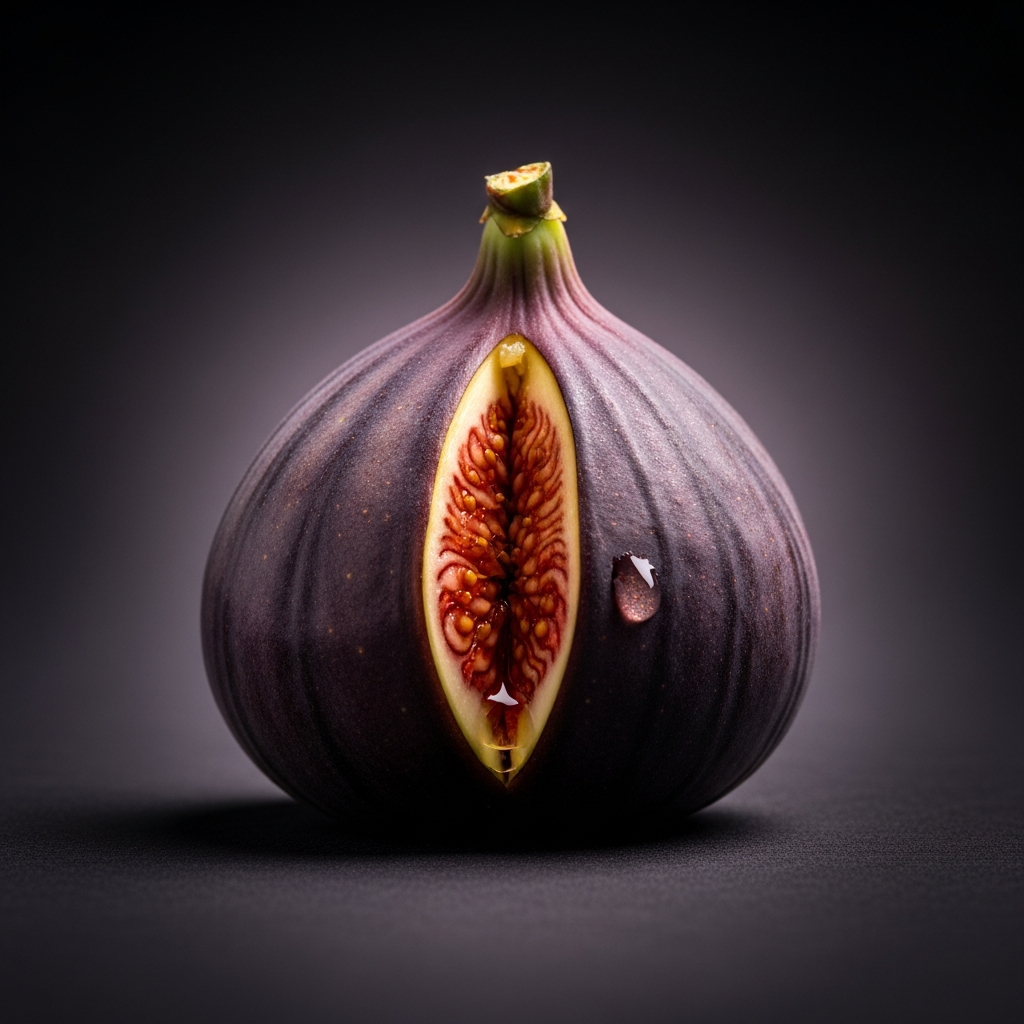
Stoneware mug, dishwasher safe
Buy Mug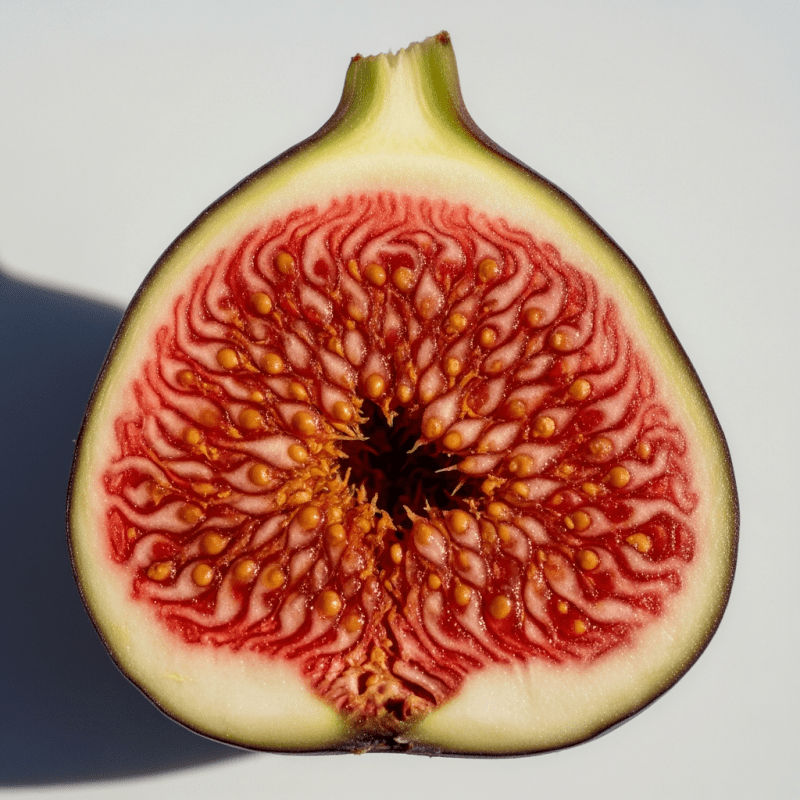
Soft cotton tee, unisex sizes
Buy ShirtFigs have been woven into the fabric of human culture for thousands of years. They appear in ancient mythology, religious texts, and art—from the fig leaf in biblical stories to their revered status in Mediterranean and Middle Eastern traditions. Symbolizing abundance, fertility, and wisdom, figs are featured in literature and ritual, and remain a cherished ingredient in festive and everyday cuisine across many cultures.
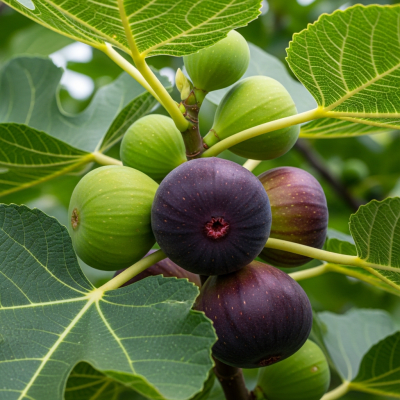
Figs grow as deciduous shrubs or small trees, typically reaching 3–10 meters in height. The fruit is a syconium—a fleshy, hollow structure filled with tiny flowers and seeds. Most cultivated figs are self-pollinating, though some require pollination by fig wasps. The plants are highly drought-tolerant, thriving in warm, dry climates, but are sensitive to frost. Their resilience to pests in arid environments makes them well-suited to Mediterranean agriculture.
Figs offer a wealth of nutritional benefits. They are high in natural sugars and dietary fiber, supporting digestive health. Key minerals found in figs include potassium, calcium, and iron, which contribute to heart, bone, and blood health. Their micronutrient profile makes figs a nourishing addition to both everyday diets and specialty health foods.
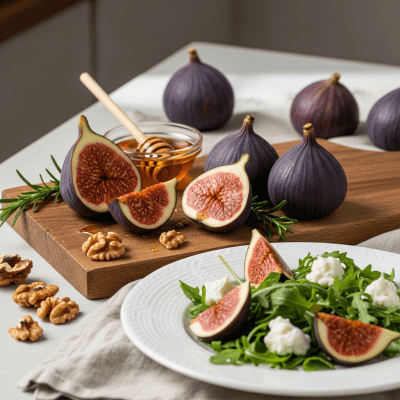
Figs are enjoyed in a variety of culinary forms. Fresh figs are eaten as snacks or in salads, while dried figs are popular in baking, confections, and energy bars. Figs are also cooked into jams, preserves, and sauces, and feature in classic dishes from Mediterranean, Middle Eastern, and South Asian cuisines. Fig leaves are sometimes used to wrap cheeses or meats, adding a subtle flavor and aroma.
Figs are cultivated in warm, dry climates and are highly drought-tolerant. Commercial orchards can yield between 10 and 30 tons per hectare, depending on the variety and growing conditions. Harvesting is typically done by hand due to the fruit’s delicate skin. Fresh figs must be handled carefully to prevent bruising, while dried figs are processed for longer shelf life. Disease management focuses on fungal threats like fig rust and nematodes, but figs are generally resilient to pests in arid regions.
Figs are a significant agricultural commodity, with dried figs dominating global trade. Turkey, Iran, and Egypt are the leading producers and exporters. International markets grade figs by size and quality, with dried forms preferred for their durability and ease of transport. Fresh figs are traded locally due to their short shelf life, while dried figs are shipped worldwide and used in a variety of food products.
Regional preferences and varieties shape fig cultivation and consumption. In the USA, ‘Kadota’ and ‘Black Mission’ are especially popular, while ‘Calimyrna’ is prominent in Turkey and California. Europe favors the ‘Adriatic’ variety, and the ‘Smyrna fig’ is closely associated with Turkish exports. Culinary uses also vary: figs are central to Mediterranean and Middle Eastern dishes, while in South Asia, dried figs (anjeer) are prized for their nutritional value and versatility.