
Banana
The banana is a globally cherished fruit, recognized for its elongated shape, sweet flavor, and vibrant yellow peel when ripe.
The banana is a globally cherished fruit, recognized for its elongated shape, sweet flavor, and vibrant yellow peel when ripe.
Bananas trace their origins to Southeast Asia and the Malay Archipelago, where wild ancestors like Musa acuminata and Musa balbisiana first grew. Cultivated for at least 7,000 years, bananas spread from Papua New Guinea and Southeast Asia across tropical regions worldwide. The modern edible banana is the result of ancient hybridization and selective breeding, with the Cavendish variety rising to prominence after disease devastated earlier types such as Gros Michel.
Botanically, bananas belong to the genus Musa within the family Musaceae, order Zingiberales, class Liliopsida, division Magnoliophyta, and kingdom Plantae. Most edible bananas are hybrids, and the Cavendish group (Musa acuminata, AAA group) dominates commercial production. Bananas are classified as berries in botanical terms, though culinary distinctions often separate dessert bananas from starchy plantains.
Bananas are instantly recognizable for their elongated, curved form and smooth peel, which transitions from green to yellow or even red as they ripen, depending on the variety. The fruit typically measures 15–30 cm in length and grows in hanging clusters called "hands," each containing up to 20 "fingers." Inside, bananas offer soft, creamy, seedless flesh with a sweet aroma and flavor.
Bananas are consumed in myriad ways: eaten fresh, cooked, or processed into chips, flour, and purees. Dessert bananas are enjoyed raw, while plantains—starchy cooking bananas—are boiled, fried, or baked. The fruit is a staple carbohydrate in tropical diets and is also used in beverages, baby food, and as a natural sweetener. Bananas play a vital role in both daily nutrition and global commerce.
Bring this kind into your world illustrated posters, mugs, and shirts.

Archival print, museum-grade paper
Buy Poster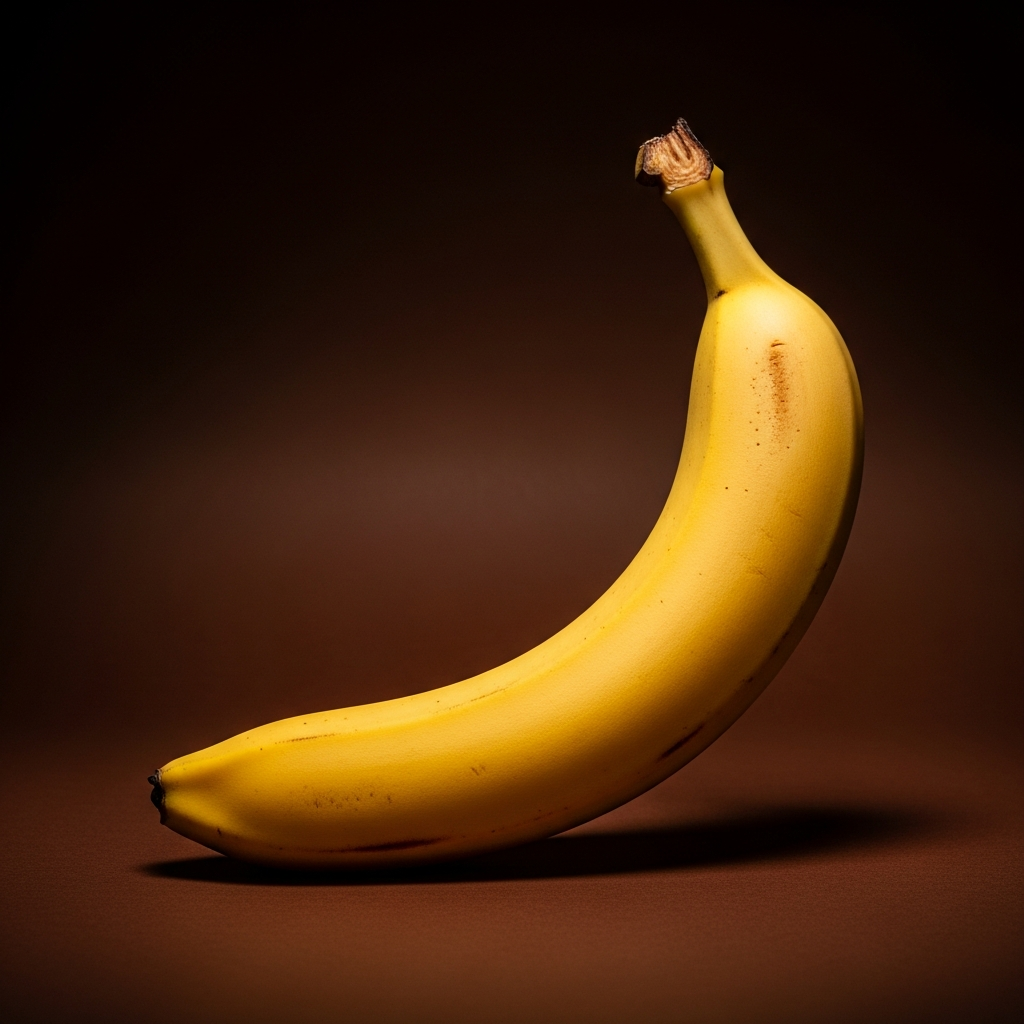
Stoneware mug, dishwasher safe
Buy Mug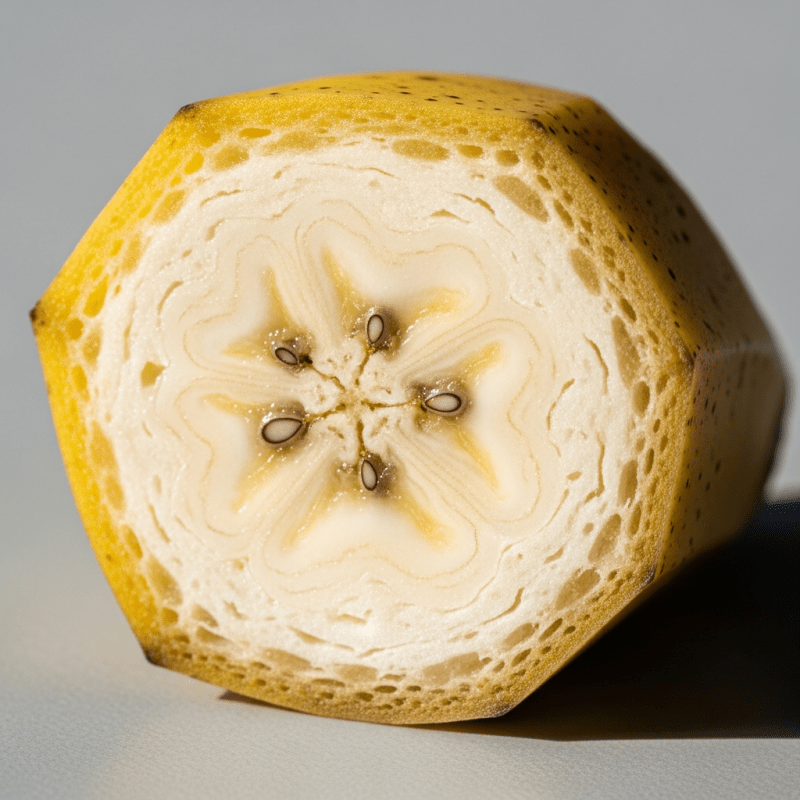
Soft cotton tee, unisex sizes
Buy ShirtBananas hold deep cultural resonance, appearing in art, folklore, and cuisine across continents. They symbolize abundance and fertility in many societies and are featured in traditional dishes, festivals, and proverbs. The banana’s iconic shape and color have inspired pop culture, from comedic routines to visual motifs, and the fruit is often associated with tropical paradise and healthy living.
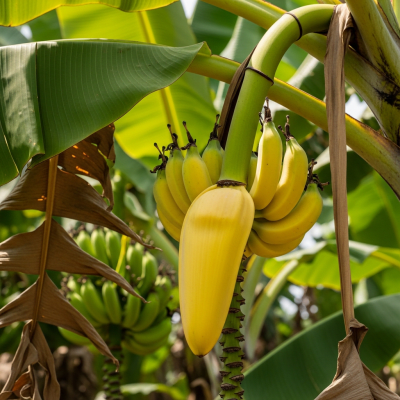
Banana plants are large, fast-growing herbaceous perennials, reaching heights of 2–9 meters. Their "pseudostem" is formed by tightly packed leaf sheaths, not true woody tissue. The fruit develops in clusters, each called a "hand," with up to 20 bananas per hand and bunches weighing up to 50 kg. Bananas are seedless, parthenocarpic berries, and their peel color varies from yellow to green or red, depending on the cultivar.

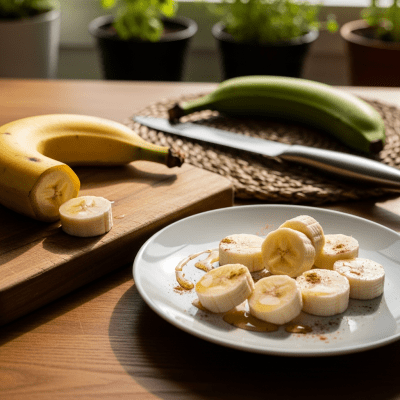
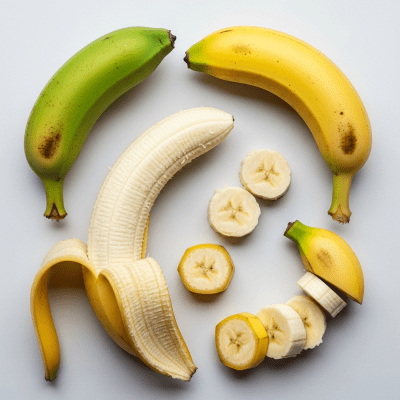

Bananas are valued for their high potassium content, which supports heart and muscle health. They provide vitamin B6 for metabolism, dietary fiber for digestion, and serve as a readily available source of energy. Their sweet flavor and soft texture make them popular for all ages, including infants and athletes seeking quick nutrition.
Bananas are enjoyed fresh as a snack, sliced into cereals or desserts, and blended into smoothies. Plantains are cooked in savory dishes—boiled, fried, or baked. Bananas are also processed into chips, flour, purees, and used in baked goods, beverages, and baby food. Their natural sweetness and texture make them versatile in both sweet and savory recipes.
Bananas thrive in warm, humid climates with deep, well-drained soils and regular irrigation. Cultivation involves planting suckers or tissue-cultured plants, managing pests and diseases (notably Fusarium wilt and Black Sigatoka), and careful fertilization. Fruits are harvested green for export and ripen post-harvest. Controlled atmosphere storage can extend shelf life, but bananas are generally perishable and require prompt distribution.
Bananas are a key export commodity, especially for countries in Latin America, Africa, and Asia. The Cavendish variety dominates global trade due to its durability and uniform ripening. Major producers include Ecuador, India, the Philippines, and Brazil. Bananas are shipped green and ripened near markets, supporting a vast international supply chain and providing economic livelihoods for millions.
The term "banana" can refer to both dessert and cooking types, with "plantain" denoting starchy varieties in many regions. Local cultivars such as Latundan in Southeast Asia, Red banana in India, and Blue Java in the Pacific highlight regional diversity. Naming conventions and culinary uses vary widely, reflecting cultural preferences and agricultural traditions across the tropics.