Origin Story
Lettuce traces its origins to the Mediterranean region, where it was first domesticated thousands of years ago from wild relatives such as Lactuca virosa. Early cultivation focused on selecting plants with tender, palatable leaves, gradually giving rise to the many horticultural varieties known today. Over centuries, lettuce spread globally, adapting to diverse climates and culinary traditions, evolving through selective breeding into distinct market types favored across cultures.
Classification
Lettuce belongs to the family Asteraceae, within the genus Lactuca, and is scientifically classified as Lactuca sativa. This species is subdivided into horticultural types or varieties such as Iceberg (crisphead), Romaine (cos), Butterhead, Leaf lettuce, and Stem lettuce (celtuce). These types represent both botanical varieties and market categories, bridging scientific taxonomy with consumer recognition. Adjacent wild species and non-Lactuca salad greens remain distinct but related in culinary contexts.
Appearance or Form
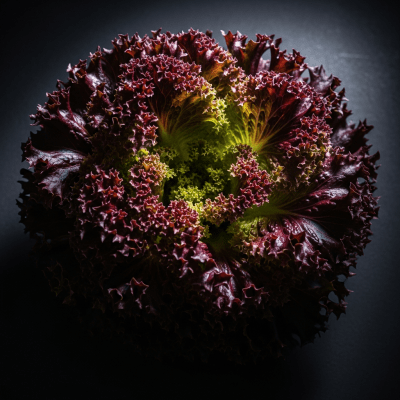
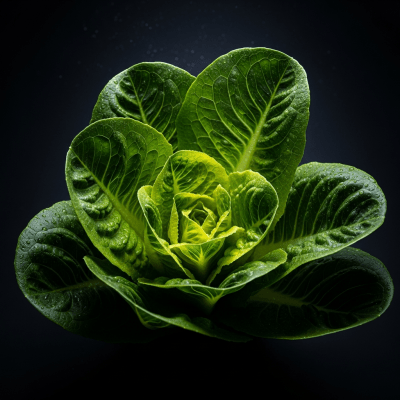
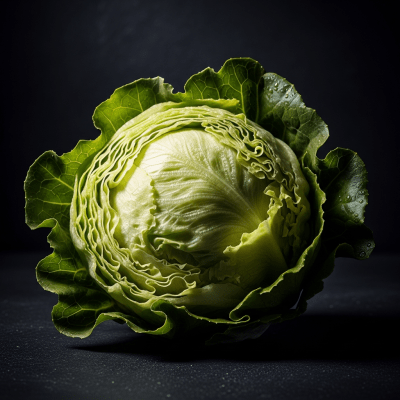
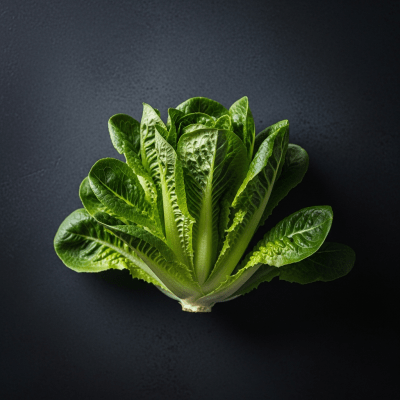
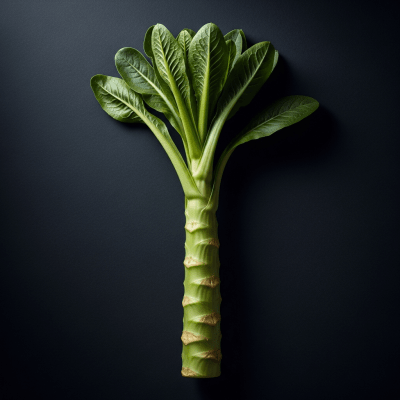
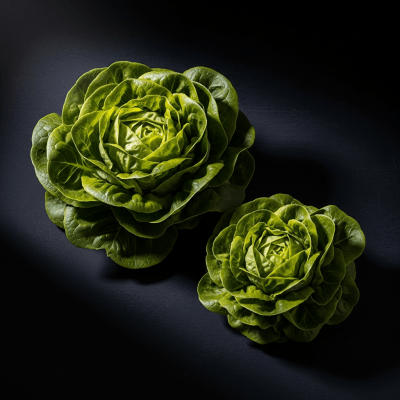
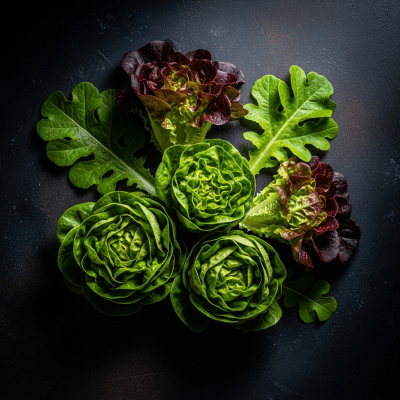
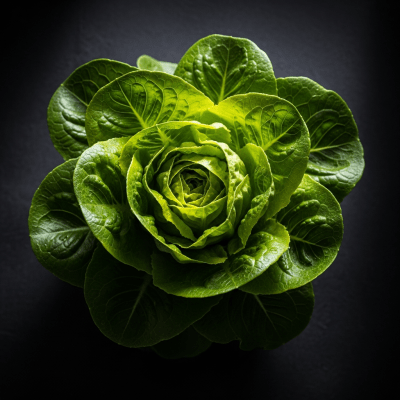
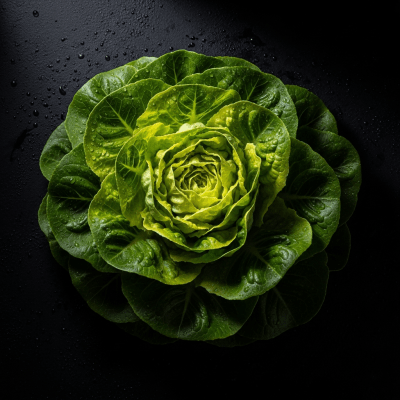
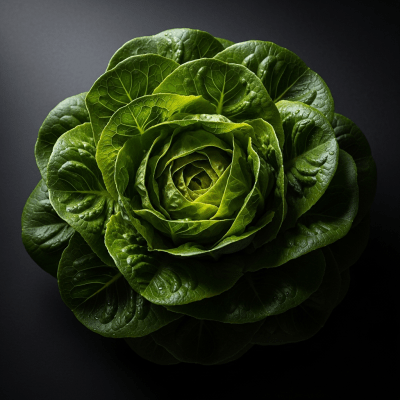
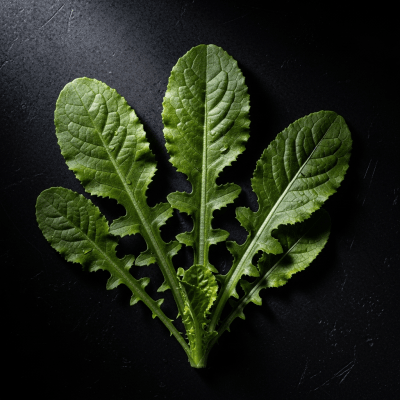
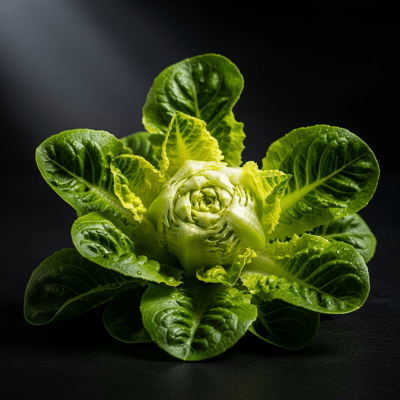
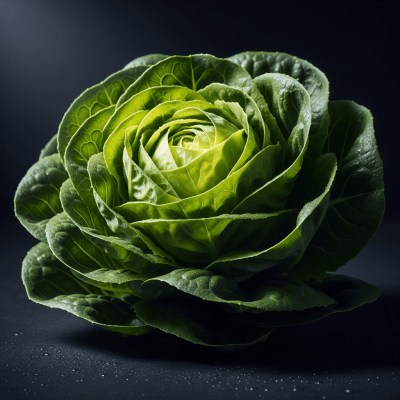
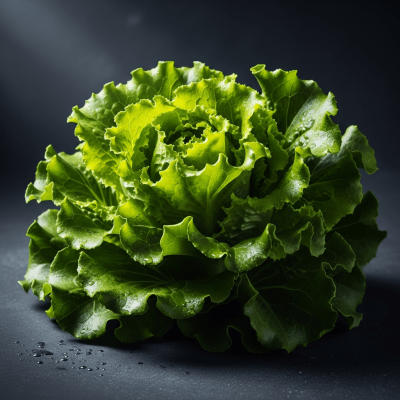
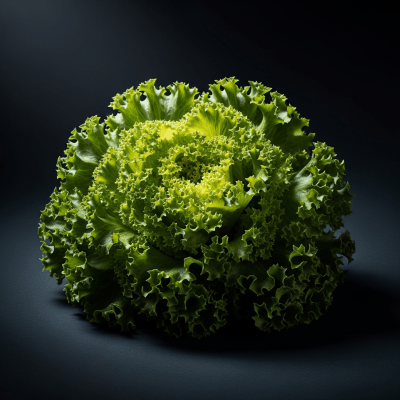
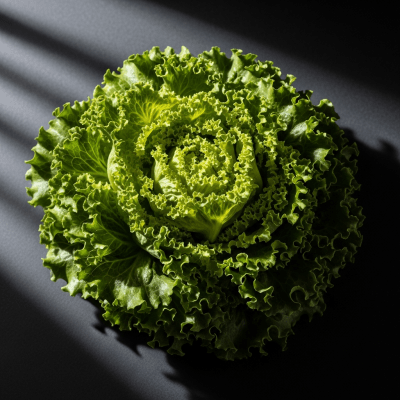
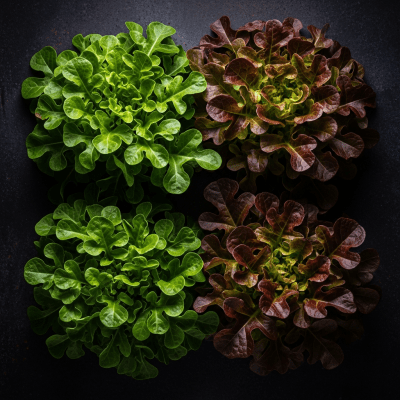
Lettuce plants typically feature a rosette of leaves that vary widely in shape, texture, and color depending on the variety. Iceberg lettuce forms dense, crisp, pale-green heads, while Romaine displays elongated, sturdy leaves with a prominent midrib. Butterhead types have soft, loosely packed leaves with a tender texture, and Leaf lettuce offers a loose cluster of frilled or flat leaves in shades from green to red. Stem lettuce, or celtuce, is notable for its edible thick stem rather than its leaves.
Behavior or Usage
Lettuce is primarily cultivated for its fresh leaves, which are consumed raw in salads, sandwiches, and garnishes, prized for their crispness and mild flavor. Some varieties, like stem lettuce, are also cooked or pickled. Beyond culinary uses, lettuce serves as a model plant in horticultural research and breeding programs aimed at improving yield, disease resistance, and nutritional value. It thrives in temperate climates and is harvested multiple times per season in commercial agriculture.