Turnip
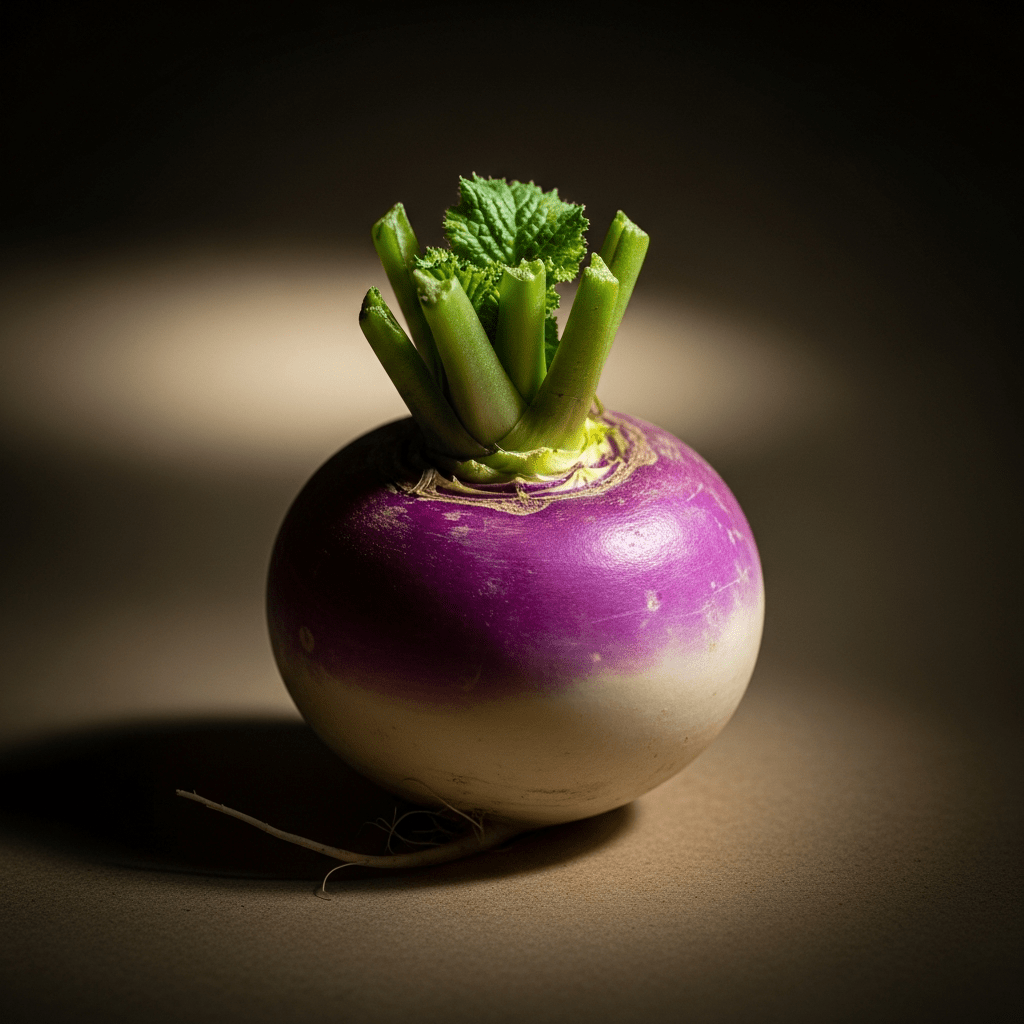
The turnip is a round, edible root vegetable from the Brassicaceae family, prized for its crisp flesh and leafy greens, and widely enjoyed in cuisines around the world.
The turnip is a round, edible root vegetable from the Brassicaceae family, prized for its crisp flesh and leafy greens, and widely enjoyed in cuisines around the world.
Turnips trace their origins to temperate Eurasia, with cultivation dating back to at least the Roman era. As an ancient crop, turnips evolved from wild Brassica rapa populations through centuries of selective breeding for size, color, and flavor. Their development spans countless generations and regions, resulting in a diversity of landraces and cultivars, though no single breeder or institution is credited with their domestication. Today, turnips are grown globally, reflecting a rich agricultural heritage.
Botanically, the turnip is classified as Brassica rapa subsp. rapa, belonging to the Brassicaceae family alongside cabbage, broccoli, and mustard greens. In culinary terms, it is considered a root vegetable, valued for both its swollen taproot and edible leaves. This dual utility places turnip at the intersection of root and leafy vegetable categories, making it versatile in both scientific and culinary contexts.
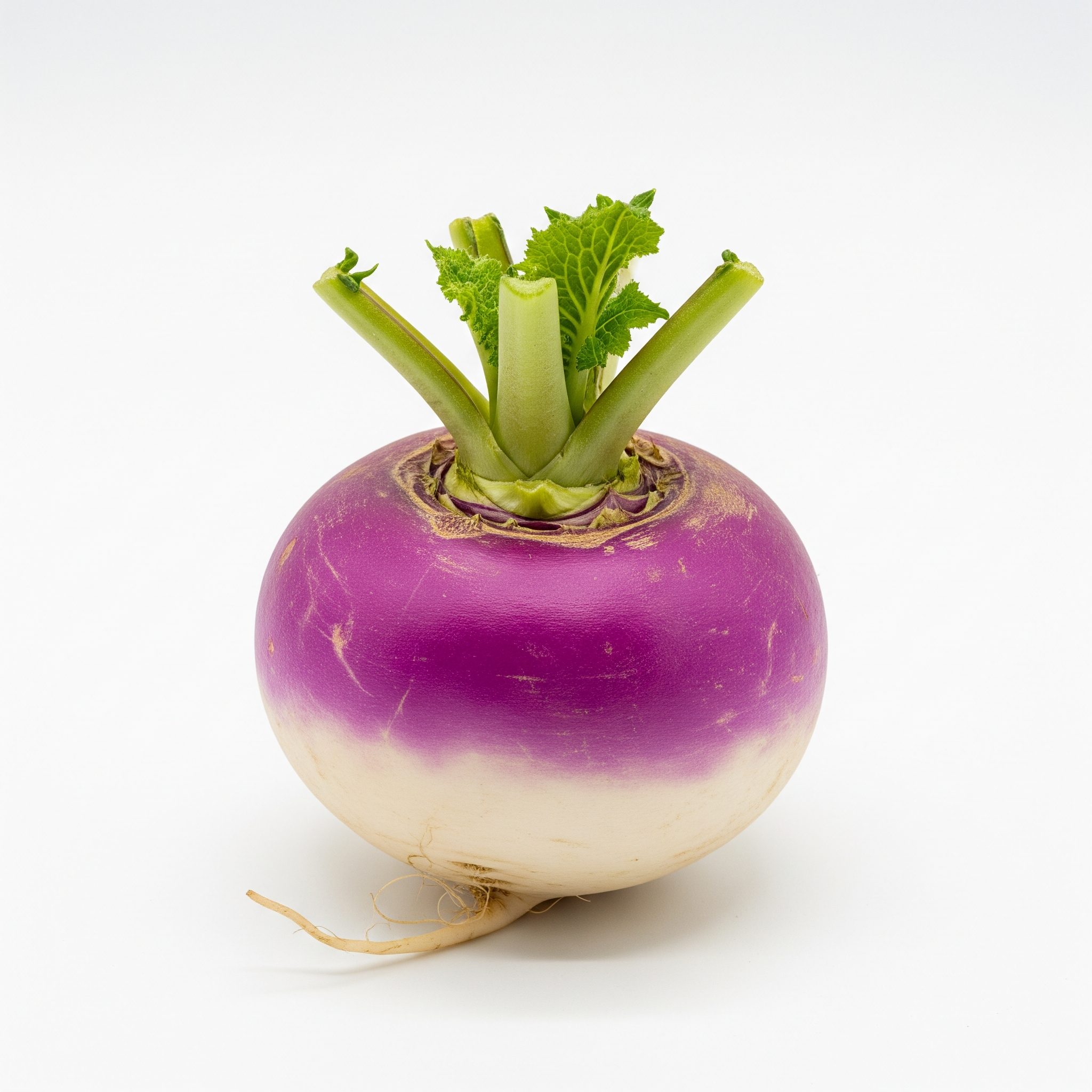
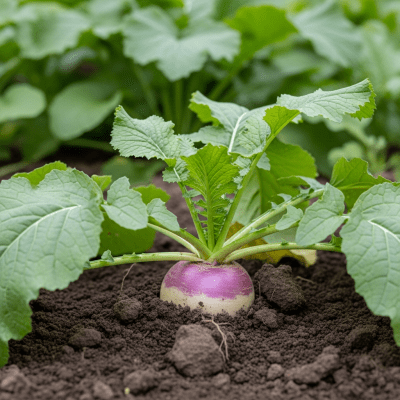
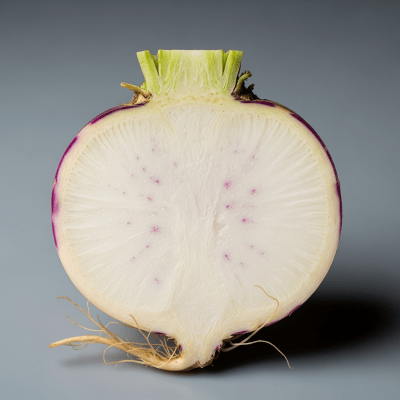
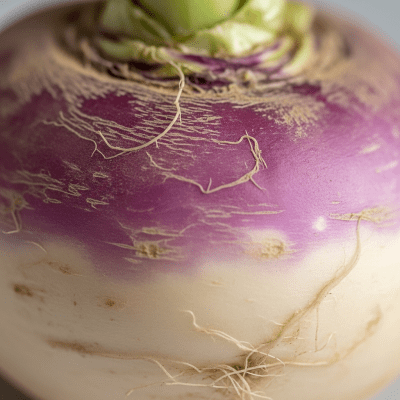
Turnips feature a globular to slightly flattened taproot, typically 5–20 cm in diameter, with smooth white flesh and a skin that is white, purple, or red at the crown. The leafy greens are vibrant green, deeply lobed, and grow atop sturdy stems, with the entire plant reaching 30–60 cm in height. The root’s crisp texture and mild, slightly peppery flavor distinguish it from other root vegetables.
Turnips are cultivated primarily for their edible roots and greens. The roots are harvested when mature and consumed cooked, raw, or pickled, while the greens are enjoyed in salads and cooked dishes. Beyond human consumption, turnips also serve as animal fodder and, in some cases, as oilseed crops. Their adaptability to cool climates and rapid growth make them a reliable staple in both home gardens and commercial agriculture.
Bring this kind into your world illustrated posters, mugs, and shirts.
Archival print, museum-grade paper
Buy Poster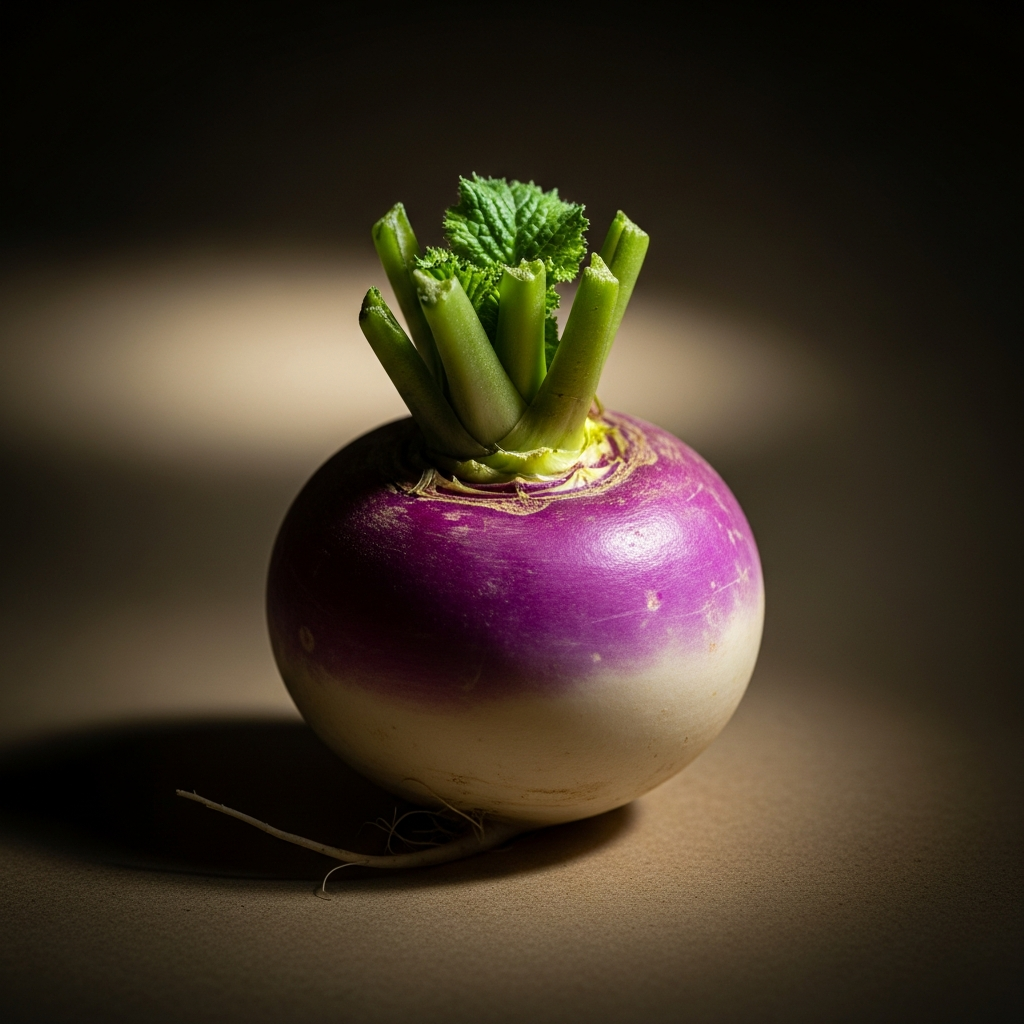
Stoneware mug, dishwasher safe
Buy Mug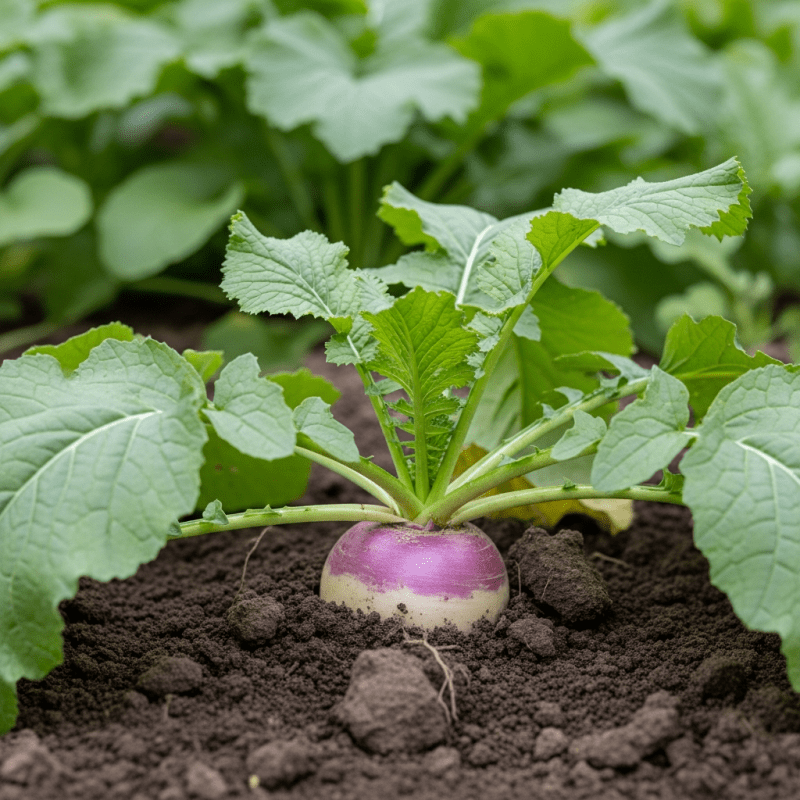
Soft cotton tee, unisex sizes
Buy ShirtTurnips hold a place in cultural traditions across the globe. In Scotland, "neep" is a classic accompaniment to haggis, while in the Southern United States, turnip greens are a beloved comfort food. The vegetable appears in folklore, seasonal festivals, and regional cuisines, symbolizing thrift and resilience. Its role as a staple food and fodder crop underscores its importance in agricultural societies throughout history.
Turnips are low in calories and rich in vitamin C, dietary fiber, and essential minerals. Their roots provide a refreshing crunch and mild flavor, while the greens offer additional vitamins and antioxidants, making turnips a wholesome addition to a balanced diet.

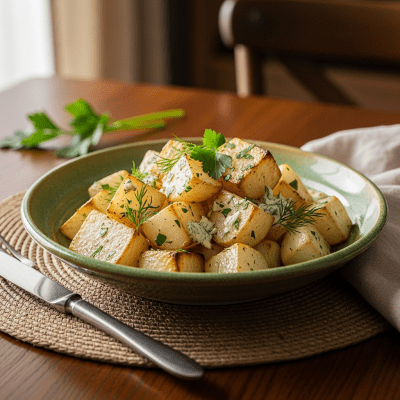
Turnips are enjoyed in a variety of preparations: the roots can be roasted, boiled, mashed, or sliced thin for salads, while the greens are sautéed, stewed, or added to soups. Pickled turnips are a staple in Middle Eastern cuisine, and both roots and greens feature in hearty stews and comfort foods across many cultures.
Turnips thrive in cool climates, preferring temperatures between 10–18°C and tolerating light frost. They are typically grown as annuals, maturing in 30–60 days. Optimal yields are achieved in well-drained, fertile soils with consistent moisture. Turnips are moderately resistant to pests like flea beetles but may be affected by clubroot and root maggots. Proper crop rotation and soil management help ensure healthy harvests.
Turnips are grown in numerous landraces and commercial cultivars worldwide, each selected for traits such as root size, skin color, and flavor. While specific cultivar names are not universally standardized, regional favorites and specialized varieties exist, reflecting local preferences and agricultural practices.
Turnips show moderate resistance to certain pests, such as flea beetles, but are vulnerable to diseases like clubroot (Plasmodiophora brassicae) and root maggots. Disease resistance can vary significantly between cultivars, making careful selection and crop management essential for growers.
Turnips are known by various names worldwide, including "neep" in Scotland and "kabu" in Japan. The related rutabaga, called "Swede" in the UK, is a distinct species often confused with turnip. Regional cultivars may differ in root color, size, and flavor, reflecting local tastes and traditions.
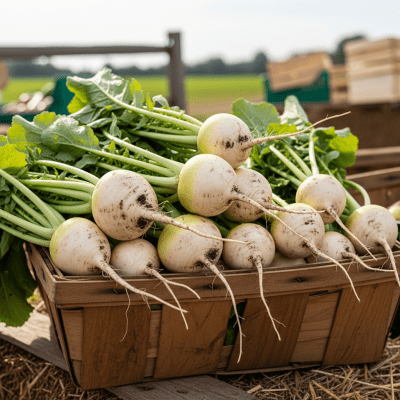
Choose turnips with firm, smooth skin and vibrant greens for the best quality. Store roots in a cool, humid environment (0–2°C) to preserve freshness for several months. Turnip greens should be used promptly or refrigerated to maintain their flavor and nutritional value.