Cauliflower
Cauliflower is an edible flower vegetable prized for its compact, white curd, mild flavor, and remarkable versatility in global cuisine.
Cauliflower is an edible flower vegetable prized for its compact, white curd, mild flavor, and remarkable versatility in global cuisine.
Cauliflower traces its roots to the Mediterranean, with historical records of cultivation in Cyprus dating back to the 12th century. Its development continued through Italy and France in the 16th and 17th centuries, where selective breeding refined its signature curd and adaptability. Modern varieties descend from wild Brassica oleracea species, with ongoing improvements by agricultural research institutions and seed companies worldwide.
Botanically, cauliflower belongs to the Brassicaceae family, under the genus Brassica and species oleracea, specifically the variety botrytis. It is grouped as a flower vegetable, closely related to broccoli, cabbage, and kale. In culinary contexts, cauliflower is classified among fresh vegetables, valued for its edible inflorescence and adaptability to savory dishes.
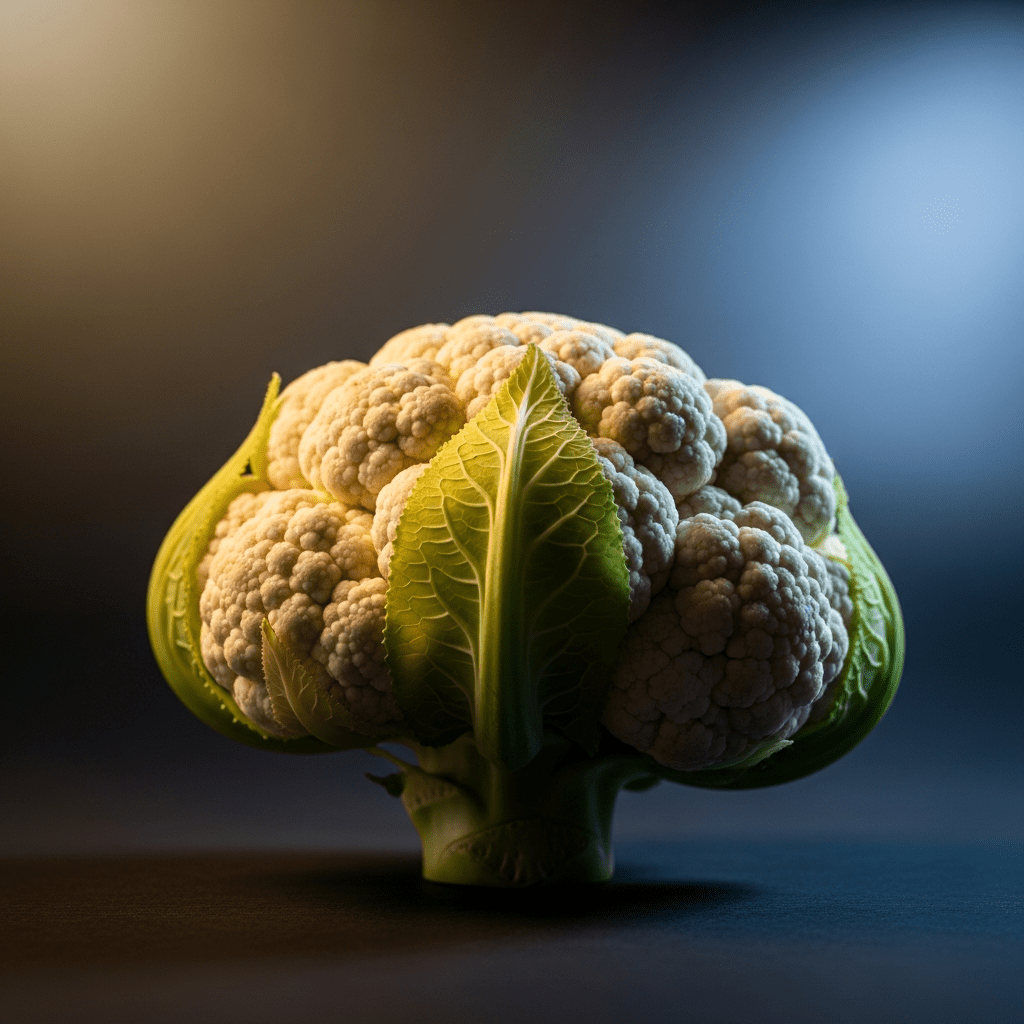
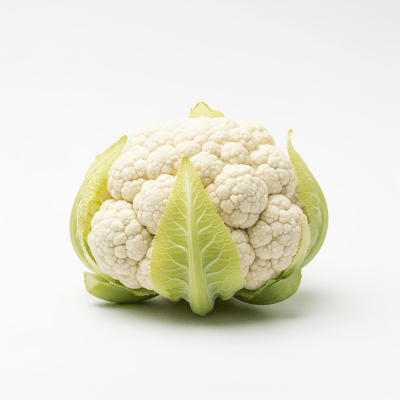
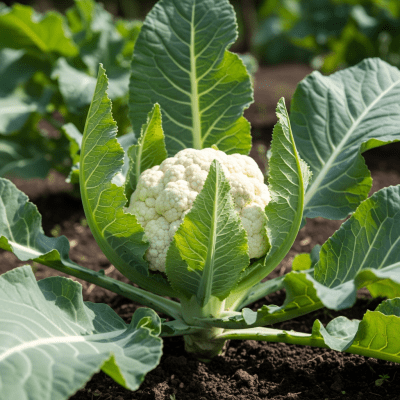
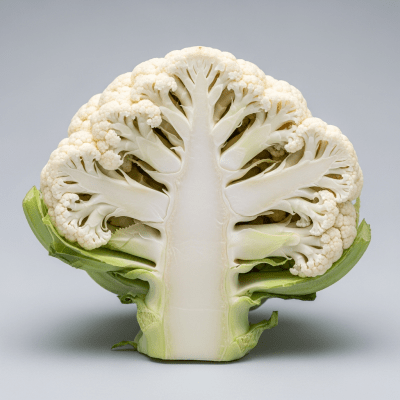
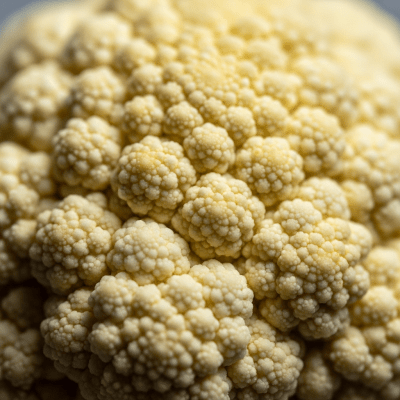
Cauliflower is recognized by its dense, dome-shaped head—called the curd—composed of tightly packed, undeveloped flower buds. The curd is typically white or cream-colored, though selective breeding has produced vibrant orange, purple, and green variants. Broad, waxy green leaves cradle the curd, and the plant stands 30–80 cm tall. Romanesco, a fractal-patterned green variant, offers a striking visual twist within the cauliflower family.
Cauliflower is a culinary chameleon, enjoyed raw, roasted, steamed, or pickled. Its mild flavor and firm texture make it a staple in curries, stir-fries, gratins, and salads. Increasingly, it serves as a nutritious substitute for grains in "cauliflower rice" and pizza crusts, appealing to gluten-free and low-carb diets. Its adaptability extends to both home kitchens and commercial food production, where it is offered fresh, frozen, or pre-cut for convenience.
Bring this kind into your world illustrated posters, mugs, and shirts.
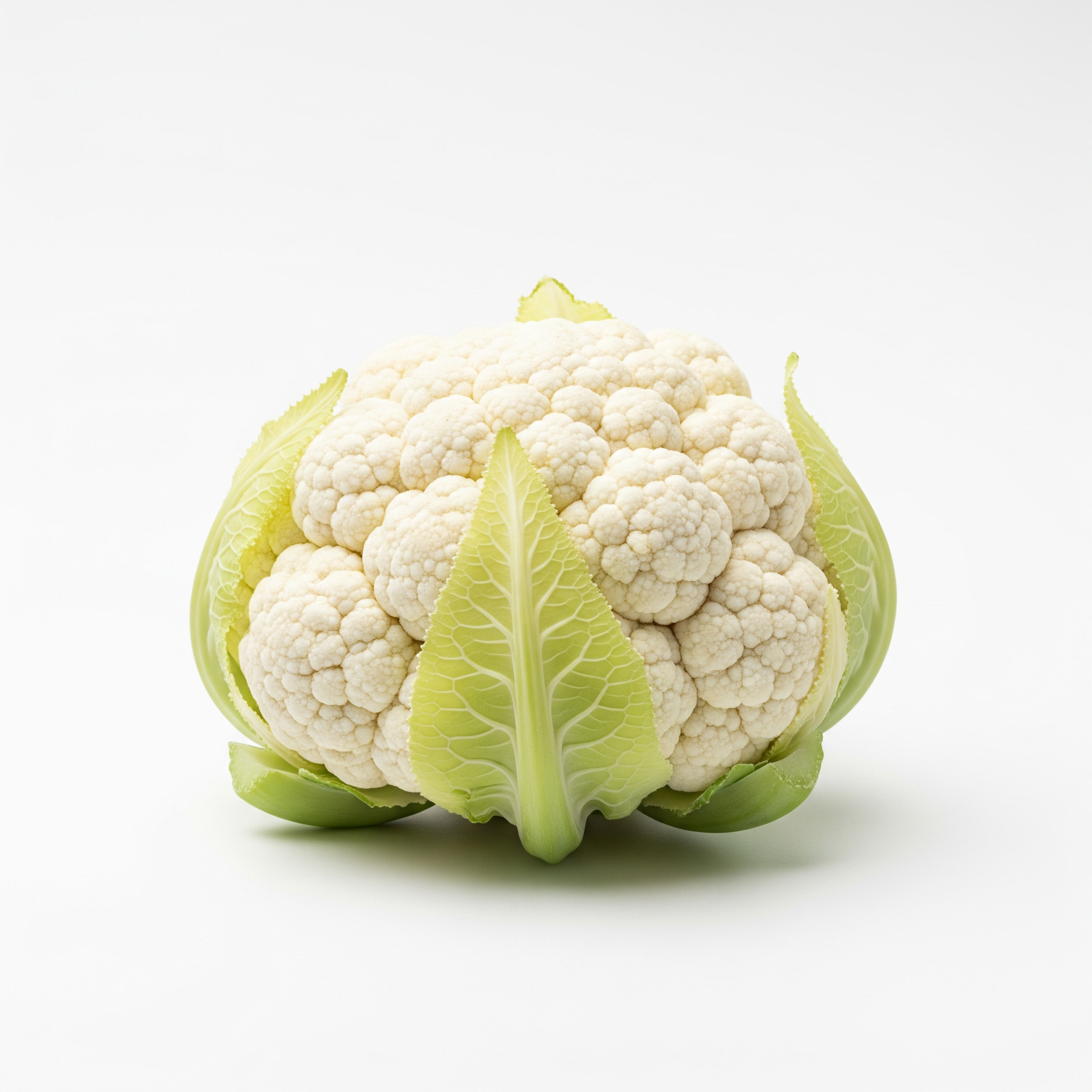
Archival print, museum-grade paper
Buy Poster
Stoneware mug, dishwasher safe
Buy Mug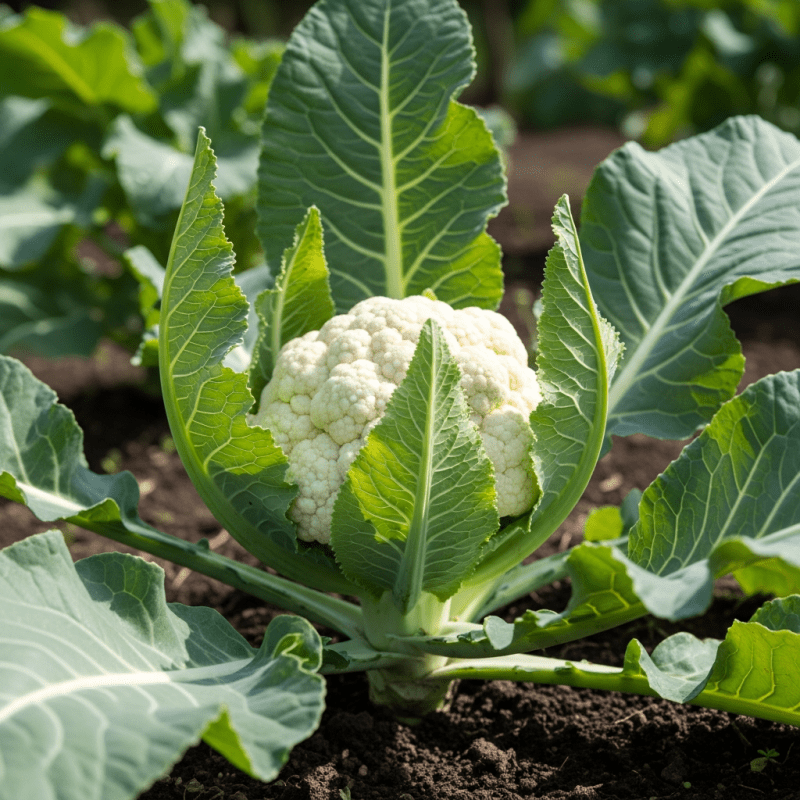
Soft cotton tee, unisex sizes
Buy ShirtCauliflower holds a prominent place in cuisines around the world, from South Asian curries ("Gobhi") to French "chou-fleur" gratins. Its transformation into colored and fractal forms reflects both culinary innovation and aesthetic appreciation. In modern food culture, cauliflower has become symbolic of healthy eating, plant-based diets, and creative adaptation, inspiring chefs and home cooks alike to reinvent classic dishes.
Cauliflower is nutritionally dense, offering a wealth of vitamins (notably C and K), minerals, and dietary fiber while remaining low in calories and carbohydrates. Its antioxidant content and phytonutrients support immune health and digestion, making it a valuable addition to balanced diets.
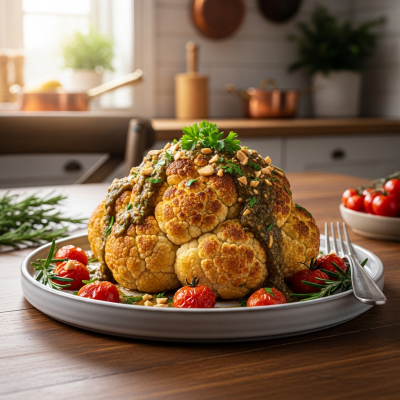
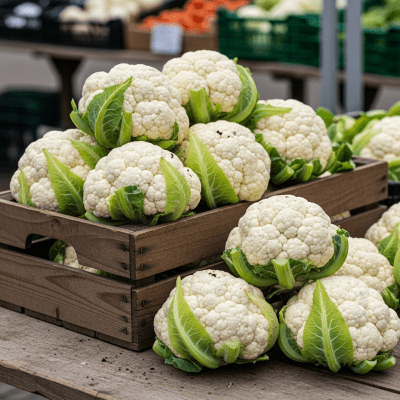
Cauliflower shines in a variety of dishes: roasted for caramelized flavor, steamed for tenderness, pureed into soups, or pickled for tangy crunch. It stars in gratins, curries, stir-fries, and as a base for "cauliflower rice" and pizza crusts. Its neutral taste and firm texture make it a favorite for both traditional and innovative recipes, appealing to vegetarian, vegan, and gluten-free diets.
Cauliflower is grown as an annual, cool-season crop, thriving in well-drained, fertile soils with a pH of 6.0–7.0. Optimal temperatures range from 15–20°C; the crop is sensitive to extremes. From transplant to harvest, growth takes 60–120 days, with yields averaging 15–30 metric tons per hectare. Modern cultivars offer improved resistance to clubroot and black rot, though pests like cabbage looper and aphids remain challenges. Proper refrigeration (0–2°C, 90–95% humidity) extends storage life to 2–4 weeks.
Some cauliflower cultivars exhibit improved tolerance to clubroot (Plasmodiophora brassicae) and black rot (Xanthomonas campestris). However, susceptibility to pests such as cabbage looper and aphids persists, requiring vigilant crop management and integrated pest control strategies.
Cauliflower is known by many names worldwide: "Gobhi" in Hindi and Urdu, "chou-fleur" in French, "Blumenkohl" in German, "coliflor" in Spanish, and "cavolfiore" in Italian. Romanesco, with its fractal form, is sometimes classified separately. Colored cauliflowers are popular in select regions, and local landraces add diversity to South Asian and European markets.
Choose cauliflower with firm, tightly packed curds and vibrant green leaves. Avoid heads with brown spots or limp leaves. Store unwashed in the refrigerator, ideally in a perforated bag, for up to 2–4 weeks. For longer preservation, blanch and freeze florets. Pre-cut and minimally processed products offer convenience but should be consumed promptly for best quality.