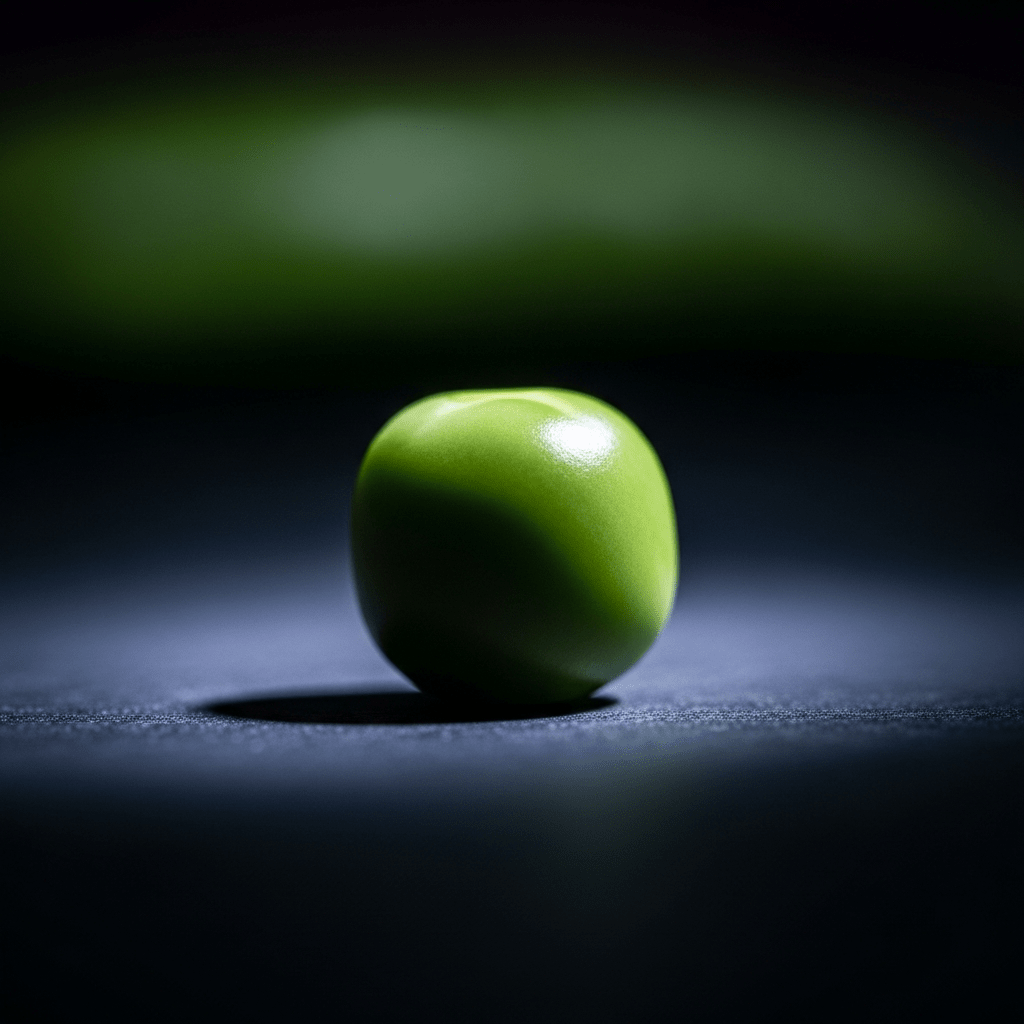
Pea
The pea is an edible seed or pod from the plant Pisum sativum, widely enjoyed as a vegetable for its sweet flavor, tender texture, and high nutritional value.
The pea is an edible seed or pod from the plant Pisum sativum, widely enjoyed as a vegetable for its sweet flavor, tender texture, and high nutritional value.
Peas trace their origins to the ancient Near East and Mediterranean, with archaeological evidence of cultivation dating back over 9,000 years to at least 7000 BCE. Their domestication is so old that the original breeder and precise timeline remain unknown. Over centuries, peas have spread globally, with modern breeding efforts refining disease resistance, yield, and pod quality.
Botanically, the pea belongs to the legume family (Fabaceae), genus Pisum, species sativum. Although classified as a legume, peas are treated as vegetables in culinary traditions due to their savory use and edible seeds or pods. This dual identity means peas straddle both the pulse and vegetable categories in global markets.
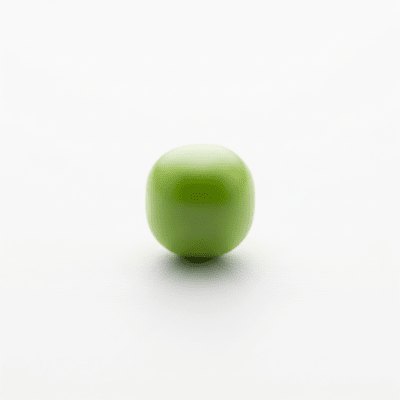
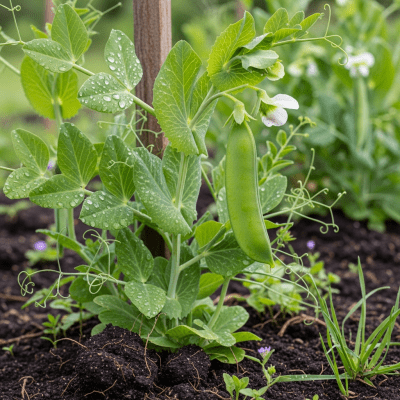
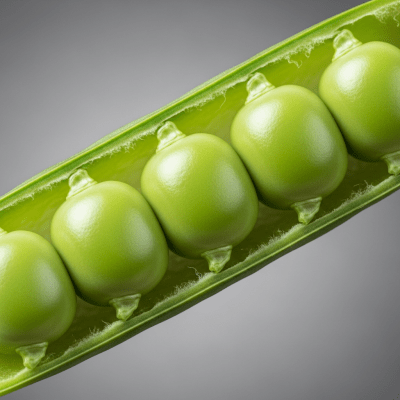
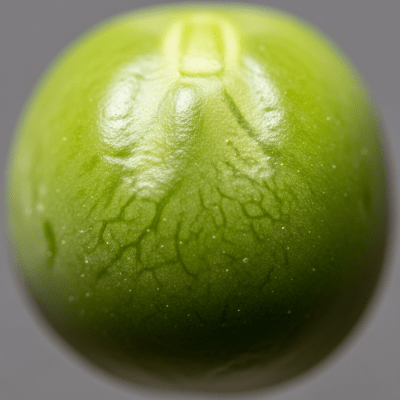
Pea plants are annual, herbaceous vines reaching 30–150 cm in height, with hollow, angular stems and delicate, compound leaves ending in curling tendrils. Their flowers bloom in white, pink, or purple, giving way to green pods typically 5–10 cm long, each containing 4–10 round, smooth seeds. Fresh peas are bright green, plump, and tender, while dried peas are pale and hard.
Peas are valued for their versatility: eaten fresh, frozen, canned, or dried, they appear in soups, stews, salads, and side dishes. Some varieties, like snow peas and sugar snap peas, are enjoyed whole, pod and all. Beyond the kitchen, peas enrich soil through nitrogen fixation and serve as animal feed or cover crops in sustainable agriculture.
Bring this kind into your world illustrated posters, mugs, and shirts.
Archival print, museum-grade paper
Buy Poster
Stoneware mug, dishwasher safe
Buy Mug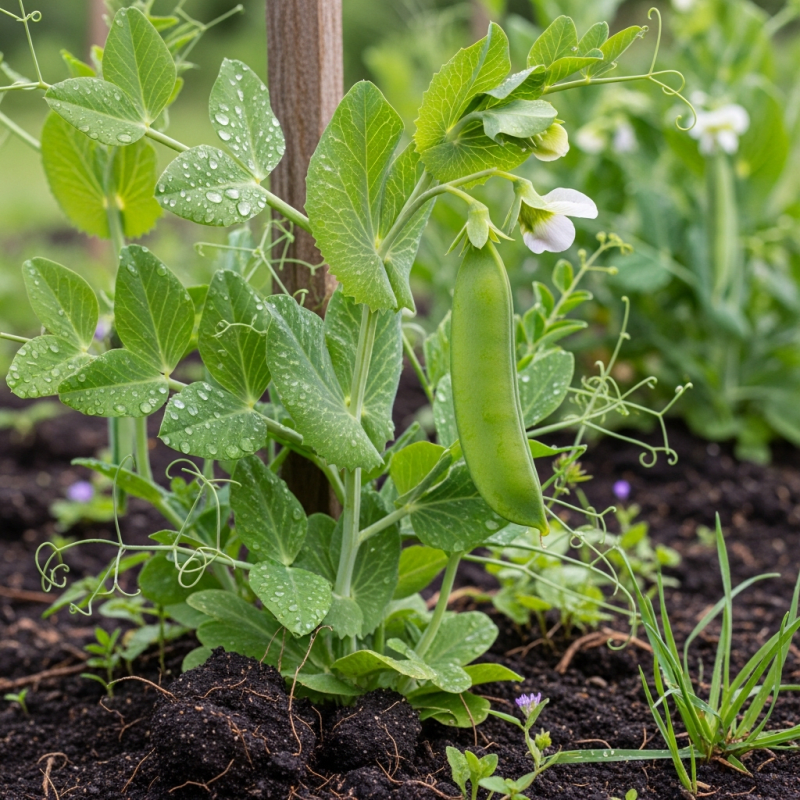
Soft cotton tee, unisex sizes
Buy ShirtPeas have played a role in folklore, literature, and cuisine for millennia. From the fairy tale "The Princess and the Pea" to their symbolic presence in springtime feasts, peas are celebrated for their freshness and abundance. In many cultures, peas mark the arrival of spring and new growth, and their inclusion in classic dishes—like split pea soup or French petits pois—reflects their enduring culinary appeal.
Peas are rich in plant-based protein and dietary fiber, making them a nutritious choice for vegetarians and omnivores alike. They provide essential vitamins—including A, C, K, and B-complex—and minerals such as iron, phosphorus, and magnesium. Their low fat content and high nutrient density support heart health, digestion, and overall wellness.
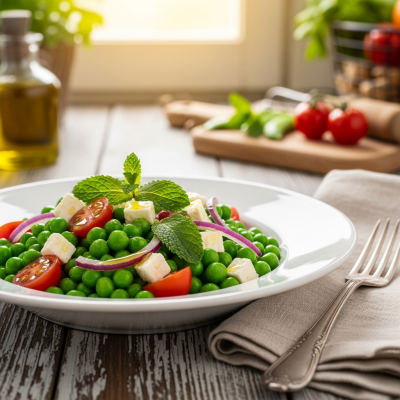
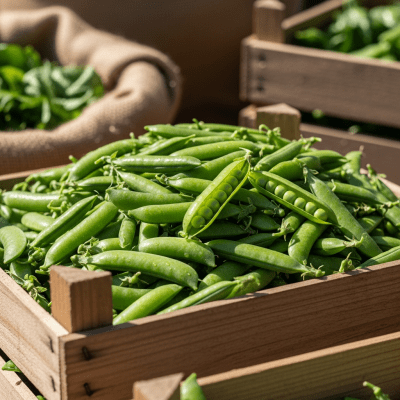
Peas are enjoyed in myriad ways: fresh green peas add sweetness to salads and sides, while dried split peas form the base of hearty soups and purees. Snow peas and sugar snap peas are prized for their crisp, edible pods in stir-fries and raw preparations. Peas are also used in stews, casseroles, and as a protein-rich ingredient in vegetarian dishes worldwide.
Peas thrive in cool-season climates, preferring temperatures between 13–18°C. They are sensitive to heat and drought, making early spring or autumn ideal for planting. The plants grow rapidly as annual vines, and their ability to fix nitrogen benefits soil health. Average yields range from 5–10 tonnes per hectare for fresh pods and 1–2.5 tonnes per hectare for dry seeds. Modern cultivars offer improved disease resistance, but challenges like root rot, downy mildew, and aphids persist.
Modern pea cultivars show improved tolerance to fungal diseases like powdery mildew, but remain susceptible to root rot, downy mildew, and aphid infestations. Crop rotation, resistant varieties, and careful field management are essential for healthy yields.
Peas are known by many names worldwide: "garden pea," "green pea," "English pea," and "field pea" (for dry types). In French, they are "pois"; in Spanish, "guisante"; in Hindi, "matar." Snow peas and sugar snap peas are popular in Asian and Western cuisines, while marrowfat peas are favored in British dishes. The classification of peas as either vegetable or pulse varies by region and market.
Select peas with firm, vibrant green pods and plump seeds. Fresh peas should be refrigerated and consumed within a few days for optimal sweetness and texture. For longer storage, choose dried, frozen, or canned peas, which retain nutritional value and flavor for months. Snow peas and sugar snap peas are best eaten soon after harvest, while dried split peas offer extended shelf life for soups and stews.