Potato
The potato is a starchy tuber vegetable, globally recognized as a staple food and valued for its versatility, nutrition, and economic importance.
The potato is a starchy tuber vegetable, globally recognized as a staple food and valued for its versatility, nutrition, and economic importance.
Potatoes trace their origins to the Andean highlands of South America, specifically southern Peru and northwestern Bolivia. Domesticated by indigenous peoples over 7,000 years ago, the potato’s wild ancestors belong to the Solanum brevicaule complex. Following its introduction to Europe in the late 16th century, the potato rapidly spread worldwide, becoming a key crop in diverse climates and cultures. Today, thousands of cultivars reflect centuries of selection and modern breeding by institutions such as the International Potato Center (CIP).
Botanically, the potato belongs to the family Solanaceae, genus Solanum, species tuberosum. It is classified as a tuberous vegetable, distinct from leafy, root, or bulb types. In culinary contexts, potatoes are grouped with other starchy vegetables and are considered a staple ingredient in savory dishes. The species’ remarkable heterozygosity has led to a vast array of cultivars adapted to different uses and regions.
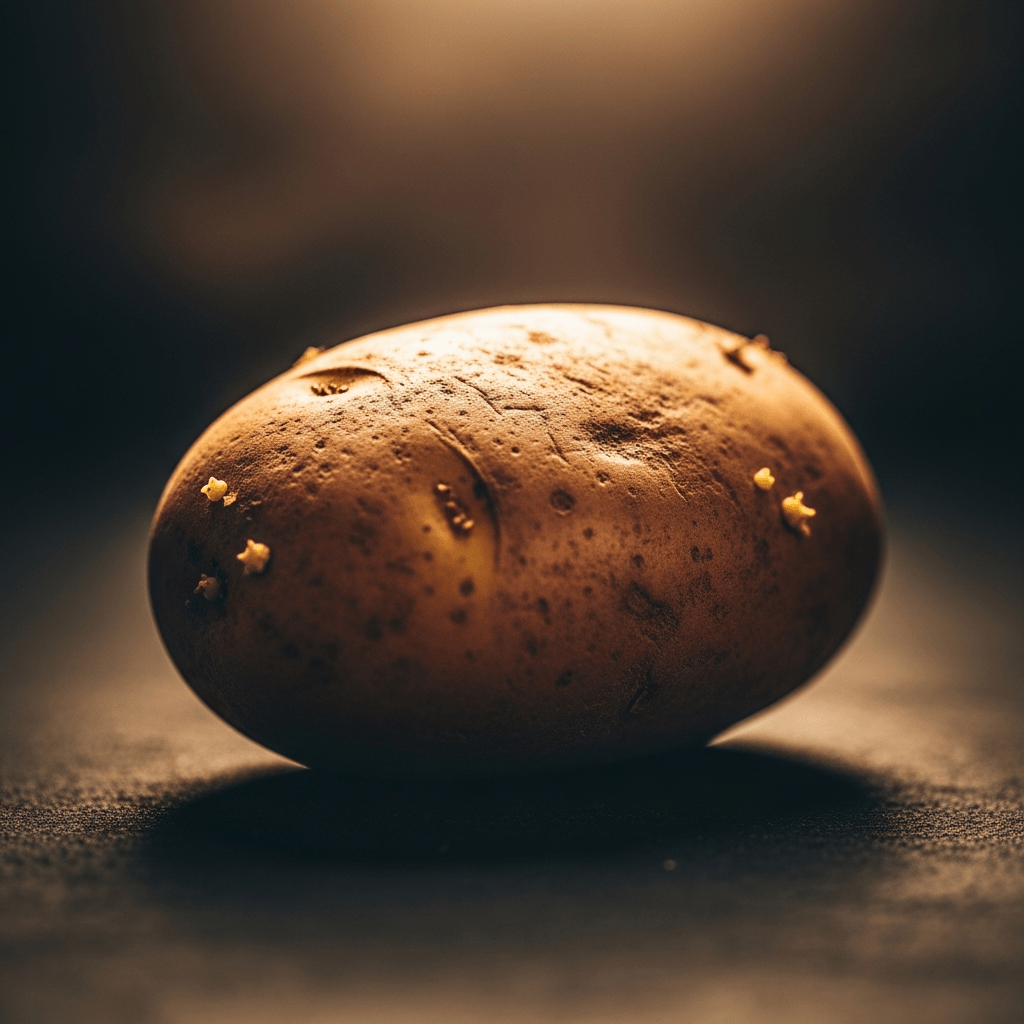
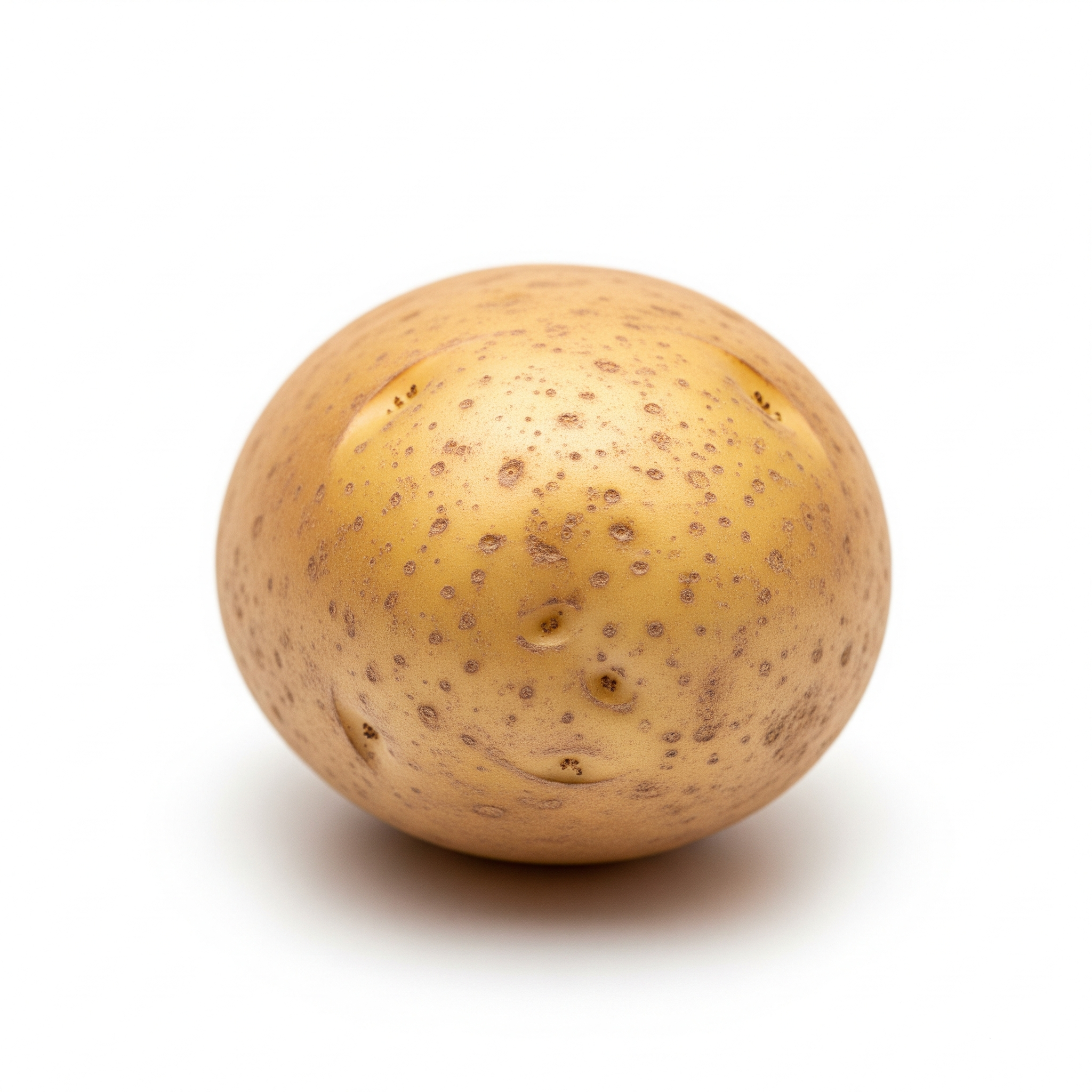
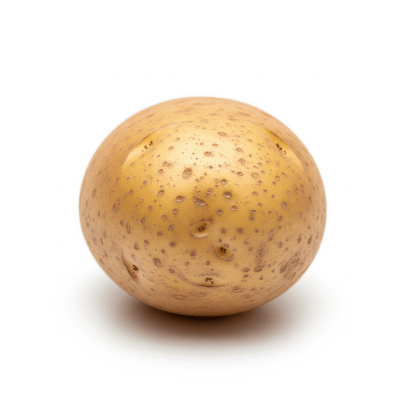
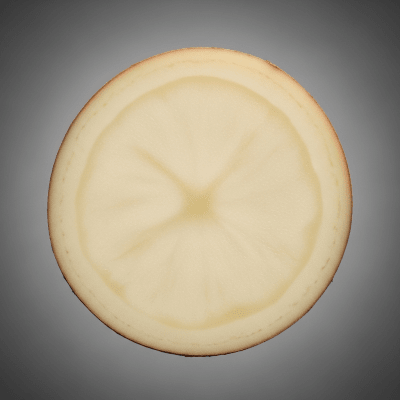
Potato plants are herbaceous perennials grown as annuals, typically reaching 60–100 cm in height. The edible tubers vary widely in size (50–300 g), shape (round, oval, oblong), and skin or flesh color—ranging from white and yellow to red, purple, and even blue. The leaves are compound, and the flowers bloom in shades of white, pink, purple, or blue, depending on variety. Tubers have a firm, dense texture and earthy aroma, with a smooth or slightly rough skin.
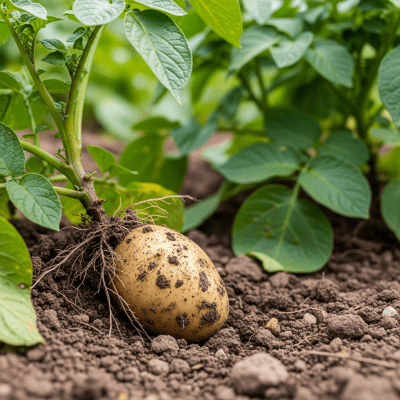
Potatoes are cultivated for their underground tubers, which serve as a primary food source in many diets. They are propagated vegetatively using seed tubers, allowing for consistent crop traits. In the kitchen, potatoes are prized for their ability to absorb flavors and transform textures—boiled, baked, fried, mashed, or roasted. Their adaptability makes them suitable for both home cooking and large-scale food processing, from chips and fries to flour and alcohol.
Bring this kind into your world illustrated posters, mugs, and shirts.
Archival print, museum-grade paper
Buy Poster
Stoneware mug, dishwasher safe
Buy Mug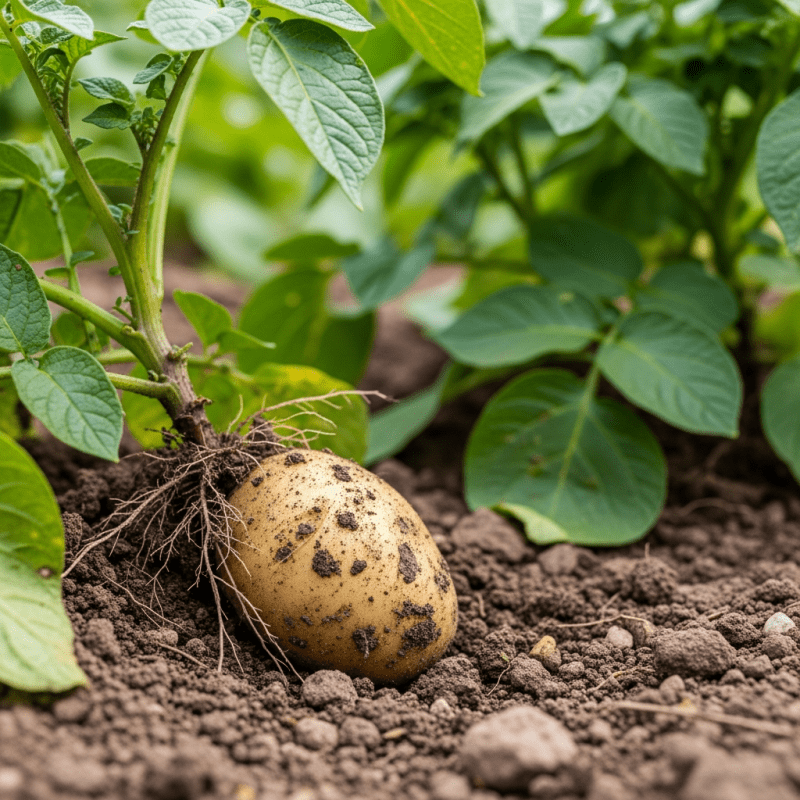
Soft cotton tee, unisex sizes
Buy ShirtFew vegetables rival the potato’s cultural impact. It has shaped cuisines, economies, and histories—most notably in Europe, where its adoption helped alleviate famine and revolutionized agriculture. The potato features in folklore, art, and literature, symbolizing sustenance and resilience. In the Andes, native varieties are celebrated in festivals and traditional dishes, while worldwide, potatoes are central to comfort foods and culinary innovation.
Potatoes are rich in carbohydrates, primarily as starch, and offer moderate amounts of vitamin C, potassium, and dietary fiber. They are naturally low in fat and contain significant caloric density, making them an efficient energy source. When prepared healthfully, potatoes support digestive health and provide essential micronutrients for balanced diets.
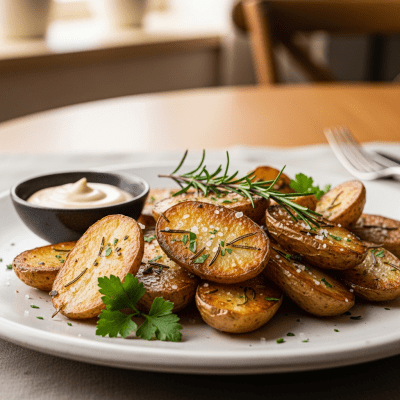
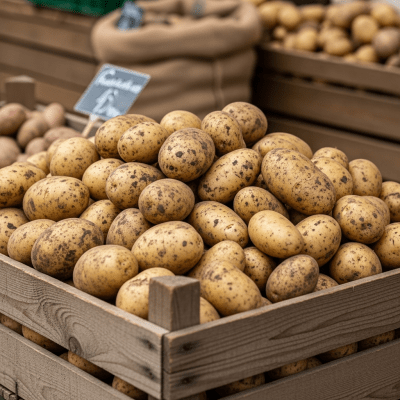
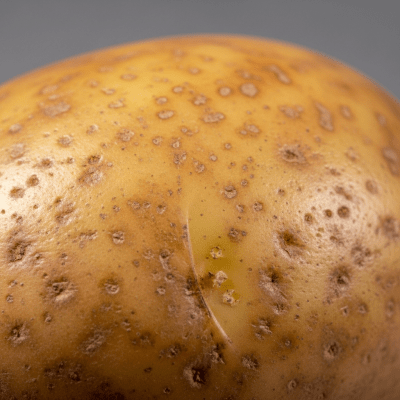
Potatoes are celebrated for their culinary versatility. They can be boiled, baked, mashed, fried, or roasted, and feature in countless global dishes—from classic mashed potatoes and fries to stews, gratins, and dumplings. Processed forms include chips (crisps), starch, flour, and even potato-based alcohol. Specialty varieties, such as fingerlings and colored potatoes, add visual appeal and unique flavors to gourmet cuisine.
Potatoes thrive in well-drained, loose soils and are sensitive to waterlogging. They are grown as annuals, with a maturation period of 70–150 days depending on variety and climate. Yields average 20–25 tonnes per hectare globally, but can exceed 40 t/ha under optimal conditions. Key cultivation practices include vegetative propagation via seed tubers, careful disease management, and controlled storage to extend shelf life. Major threats include late blight, early blight, and viral diseases, with modern breeding efforts focused on resistance and yield improvement.
Potatoes are susceptible to several major diseases, notably late blight (Phytophthora infestans), early blight (Alternaria solani), and viral infections such as PVY and PVX. Sprouting and tuber decay present storage challenges. While modern cultivars may offer resistance to some pathogens, disease management remains essential for reliable yields and quality.
Potatoes are known by many names worldwide: papa (Spanish, Quechua), kartoffel (German), patata (Italian, Spanish), batata (Portuguese), aardappel (Dutch), pomme de terre (French), alu (Hindi), and more. The Andes region boasts a remarkable diversity of native landraces, while Europe and North America favor large, uniform cultivars. Culinary uses and preferred varieties vary widely by region, reflecting local traditions and agricultural practices.
For best quality, select potatoes that are firm, smooth, and free of sprouts or green patches. Store in a cool (4–10°C), humid, and dark environment to prevent sprouting and decay. Avoid refrigeration, which can alter flavor and texture. Properly stored, potatoes can last from two to ten months, making them a reliable pantry staple.