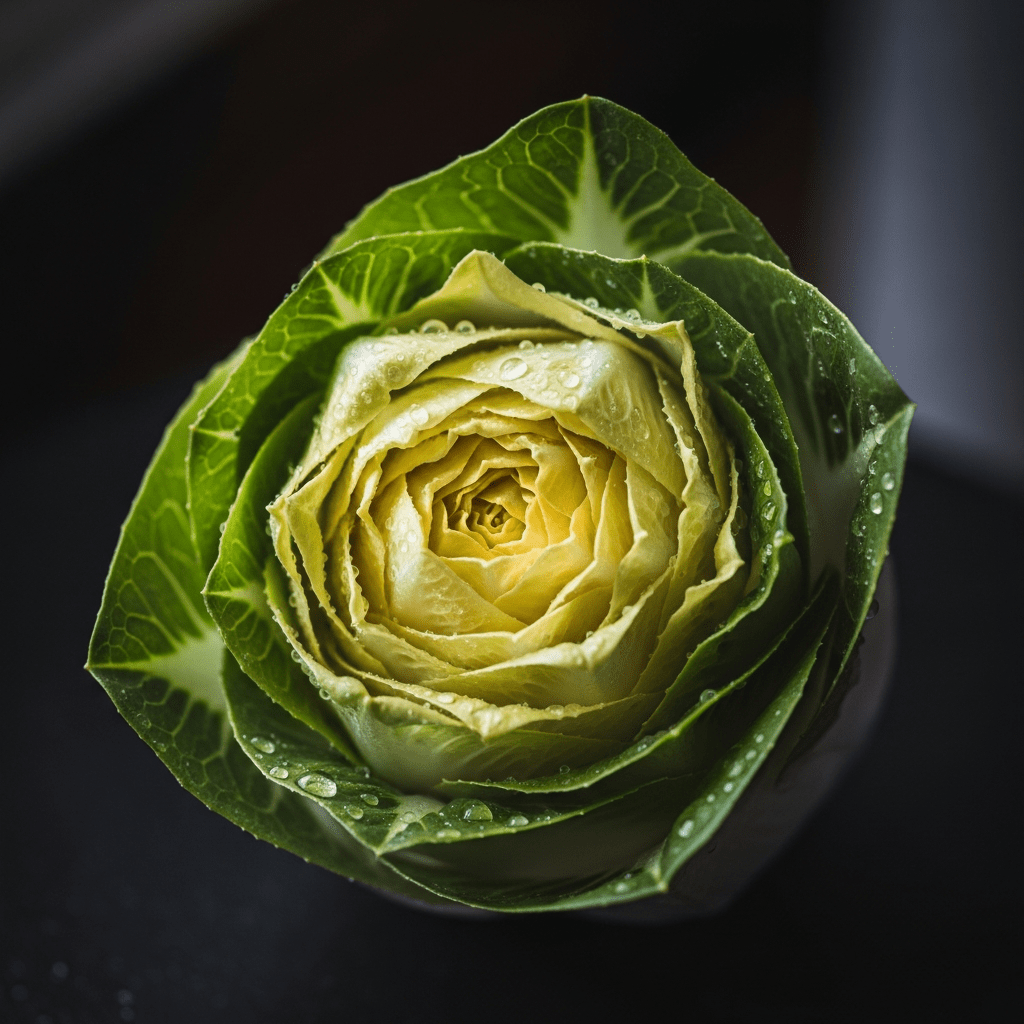
Endive
Endive is a crisp, leafy vegetable from the chicory family, prized for its mildly bitter flavor and versatility in salads and savory dishes.
Endive is a crisp, leafy vegetable from the chicory family, prized for its mildly bitter flavor and versatility in salads and savory dishes.
Endive traces its roots to the Mediterranean, with cultivation dating back to ancient Egypt and Greece. Developed over centuries from wild chicory relatives, its domestication is a product of gradual selection rather than the work of a single breeder or institution. Today, endive’s legacy is evident in its widespread use and adaptation across diverse climates and cultures.
Botanically, endive belongs to the family Asteraceae, genus Cichorium, and species endivia. It is part of the broader vegetable taxonomy, specifically classified as a leafy vegetable within culinary traditions. Two main cultivated varieties exist: curly endive (var. crispum) and escarole (var. latifolium), each with distinct leaf shapes and culinary uses.
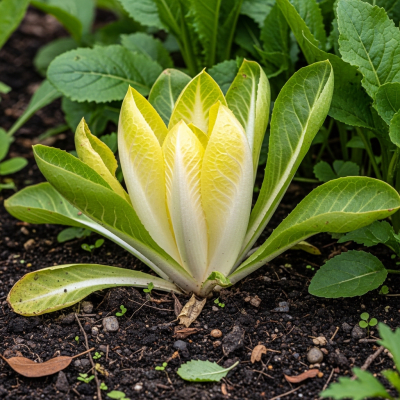
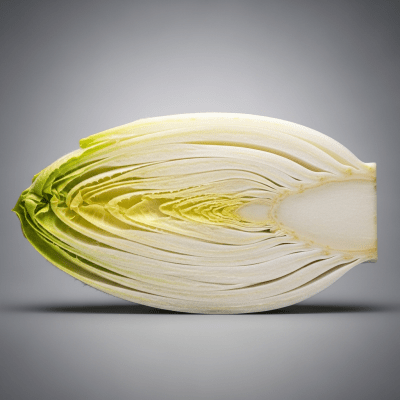
Endive forms a compact basal rosette of leaves, which may be deeply cut and curly (curly endive) or broad and flat (escarole). Leaf color ranges from pale to deep green, with yellowish inner leaves when blanched. The texture is notably crisp, and the plant typically grows to 15–30 cm in height. Its visual appeal and tactile crunch make it a favorite in fresh preparations.
Endive is most commonly enjoyed raw, adding a refreshing bitterness and crunch to salads. It also serves as a garnish, is layered in sandwiches, or lightly cooked in soups and stews. Its slightly bitter taste balances richer flavors, while blanching the inner leaves can mellow its intensity for more delicate dishes.
Bring this kind into your world illustrated posters, mugs, and shirts.
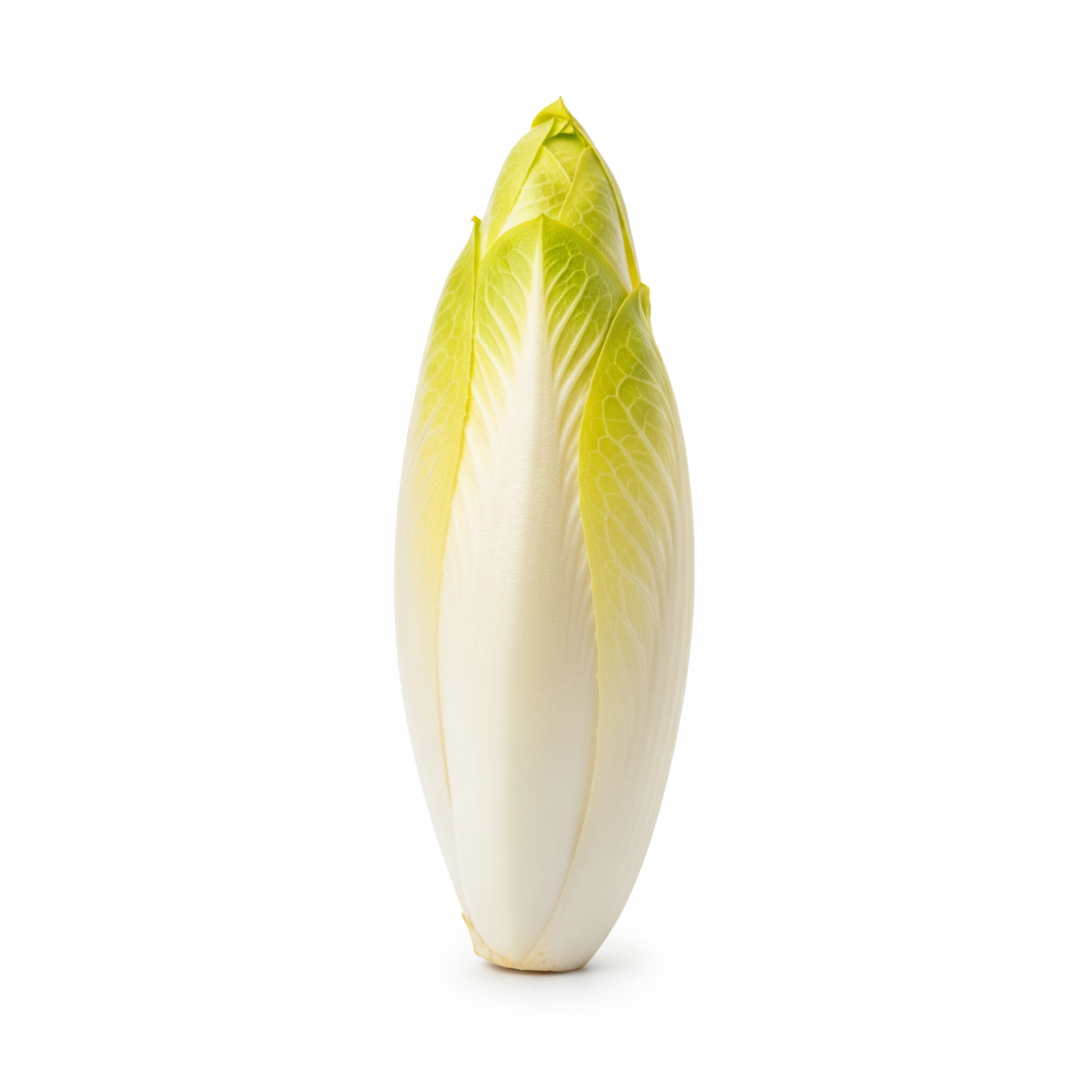
Archival print, museum-grade paper
Buy Poster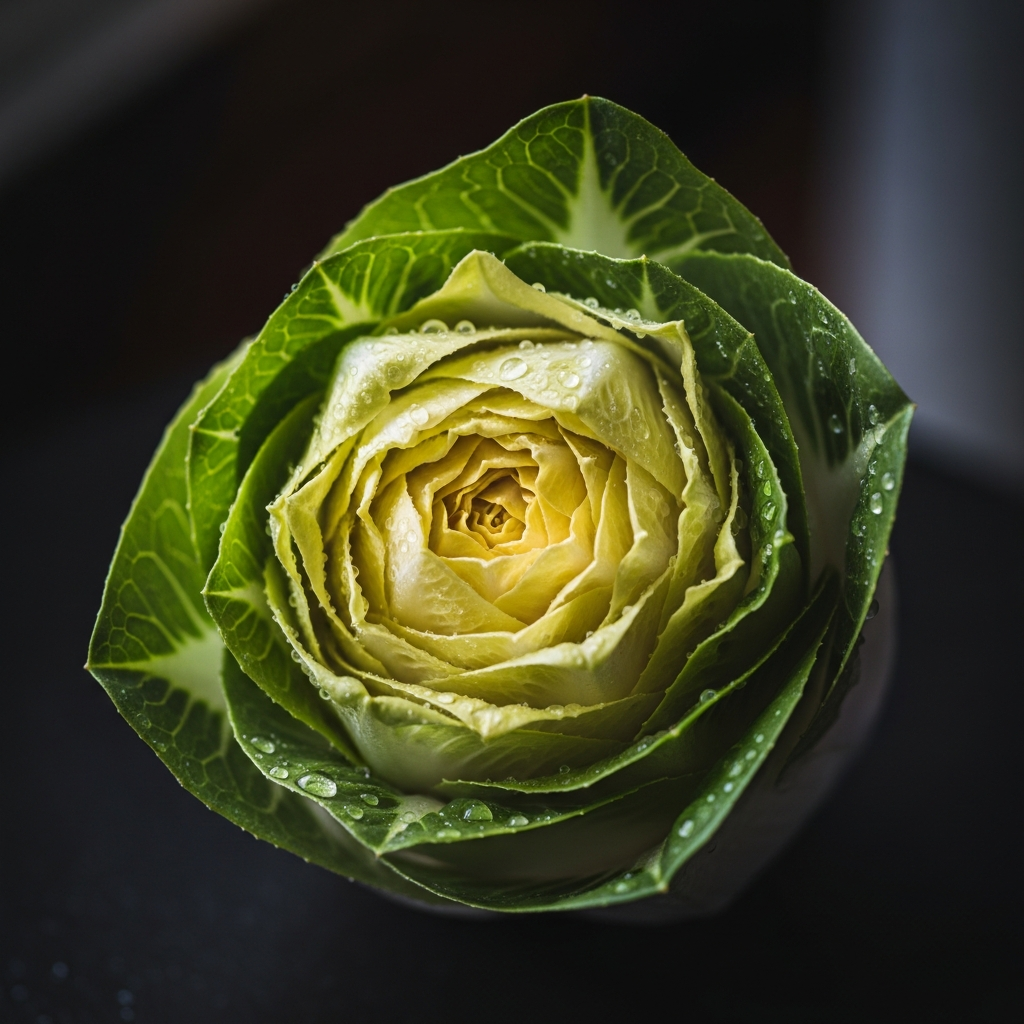
Stoneware mug, dishwasher safe
Buy Mug
Soft cotton tee, unisex sizes
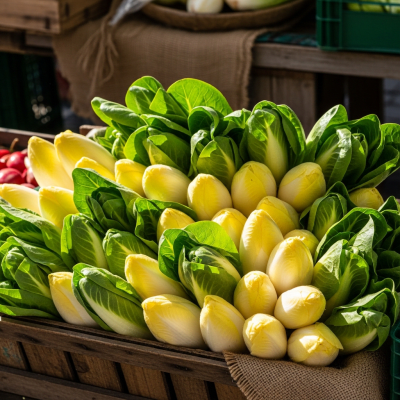
Buy ShirtEndive holds a prominent place in European culinary traditions, especially in France, Belgium, and Italy, where it is a staple ingredient in salads and classic recipes. The vegetable’s dual identity—curly endive and escarole—features in local cuisines and market vernacular, sometimes sparking confusion with Belgian endive. Its presence in food markets and home gardens reflects its enduring popularity and adaptability.
Endive is exceptionally low in calories and provides a robust source of vitamins A and K, folate, and dietary fiber. Its nutrient density supports eye health, bone strength, and digestive wellness, making it a smart addition to balanced diets.
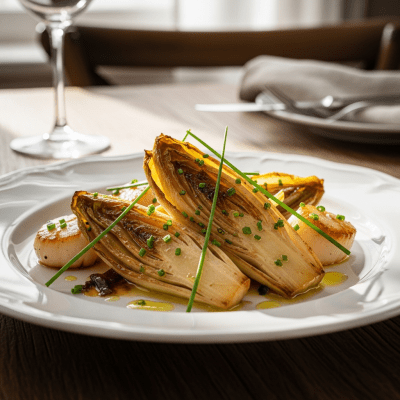
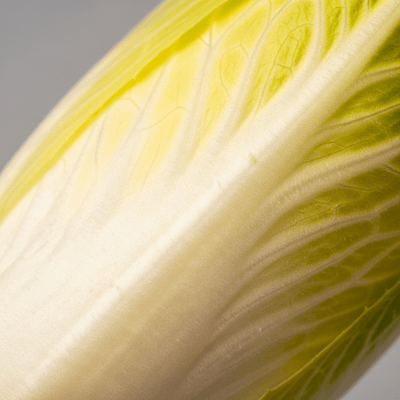
Endive shines in fresh salads, where its crisp texture and mild bitterness complement other greens. It is also used as a garnish, in sandwiches, or gently cooked in soups and stews. Escarole is particularly popular in Italian cuisine for hearty soups, while curly endive is favored for its decorative, frilly leaves.
Endive thrives in cool weather and well-drained soils, with optimal growth at 15–20°C. Sensitive to bolting in high temperatures, it is often grown as a spring or autumn crop. Commercial yields range from 15–30 tons per hectare. Blanching is practiced to improve tenderness and reduce bitterness. For best storage, endive should be kept at 0–2°C with high humidity, lasting up to two to three weeks.
Endive is moderately resistant to many pests and diseases but can be affected by downy mildew, aphids, and tip burn. Careful crop rotation, monitoring, and environmental controls help minimize these risks during cultivation.
Regional naming conventions for endive can be confusing. In France, "endive" may refer to Belgian endive, while in Italy it is called "indivia." The term "chicory" is sometimes used interchangeably but may denote different species. These variations influence both market labeling and culinary use, especially between Europe and North America.
Choose endive with firm, crisp leaves and no signs of wilting or browning. Store in the refrigerator at 0–2°C with high humidity to preserve freshness, ideally using a perforated bag or container. Consume within two to three weeks for best quality, and avoid storing near ethylene-producing fruits to prevent premature spoilage.