Broccoli
Broccoli is a nutrient-rich vegetable prized for its edible green flower heads and stalks, widely enjoyed in cuisines around the world for both its flavor and health benefits.
Broccoli is a nutrient-rich vegetable prized for its edible green flower heads and stalks, widely enjoyed in cuisines around the world for both its flavor and health benefits.
Broccoli traces its roots to the Mediterranean, specifically Italy, where it was selectively bred from wild cabbage (Brassica oleracea) during the Roman Empire. Its development is the result of centuries of traditional selection, rather than the work of a single breeder. Commercial cultivation expanded globally in the 20th century, with the United States embracing broccoli in the 1920s. Today, California dominates US production, while China leads worldwide output.
Botanically, broccoli belongs to the Brassicaceae family, sharing close kinship with cauliflower, cabbage, kale, and Brussels sprouts. Its scientific name is Brassica oleracea var. italica. Classified as a 'flower vegetable' in trade and culinary contexts, broccoli is recognized for its edible immature flower heads and is grouped alongside other cruciferous vegetables in both scientific and culinary taxonomies.
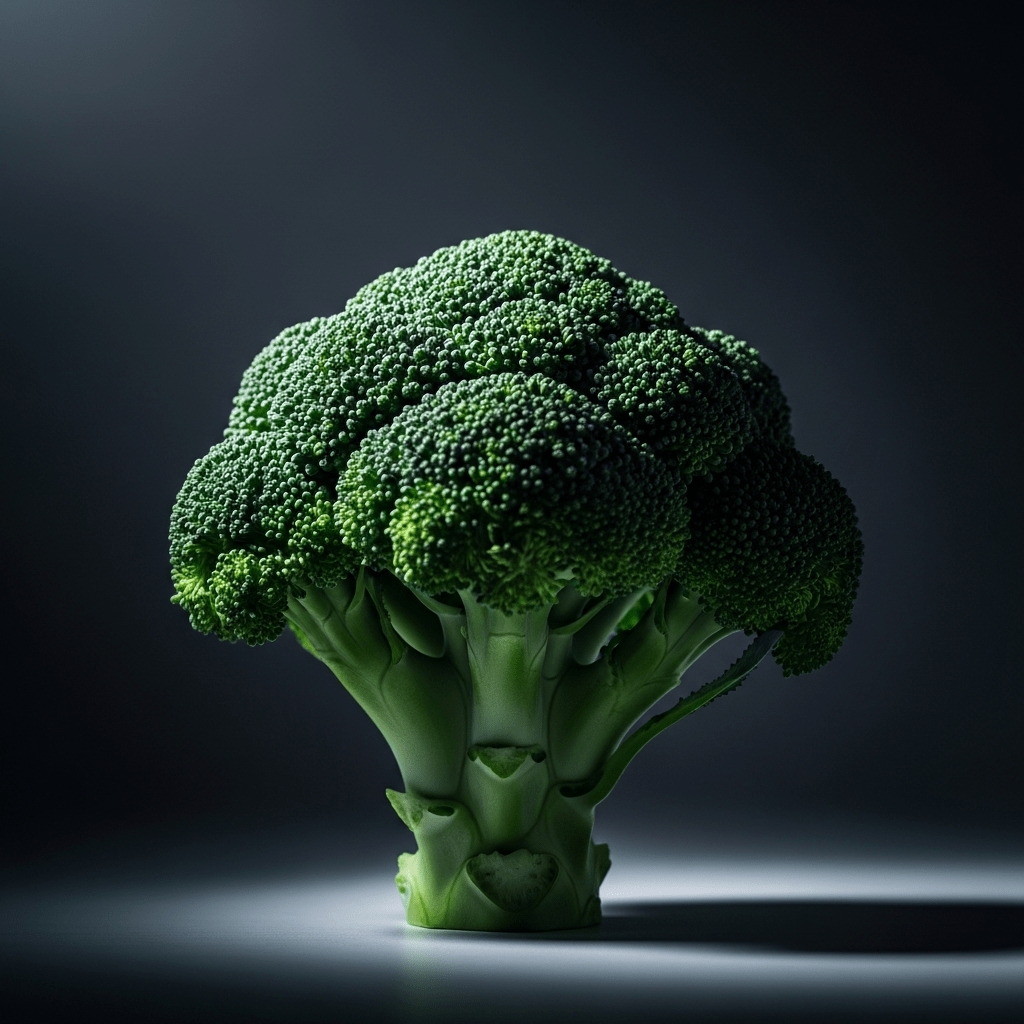
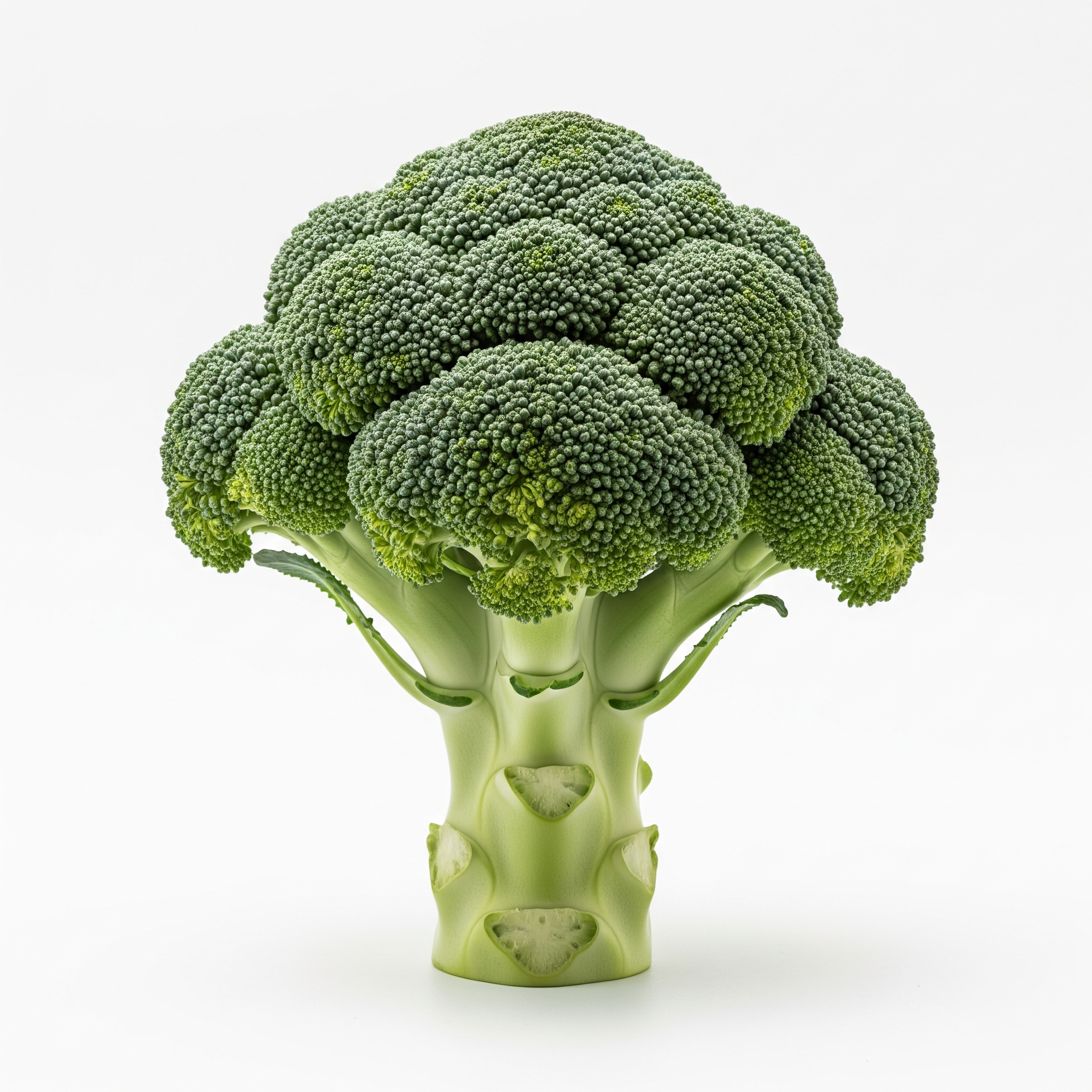
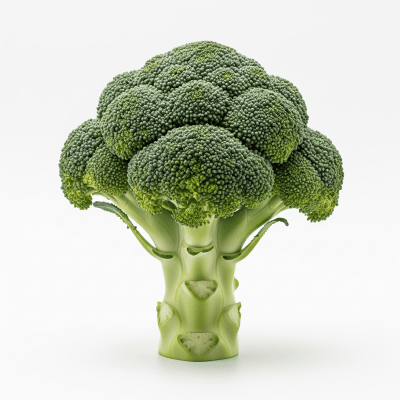
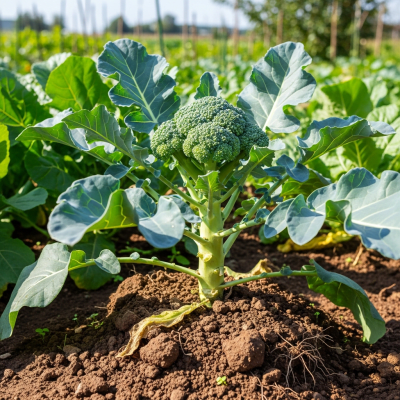
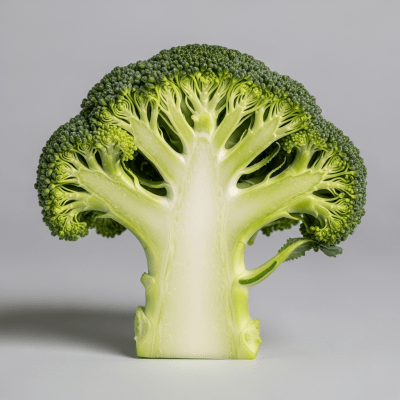
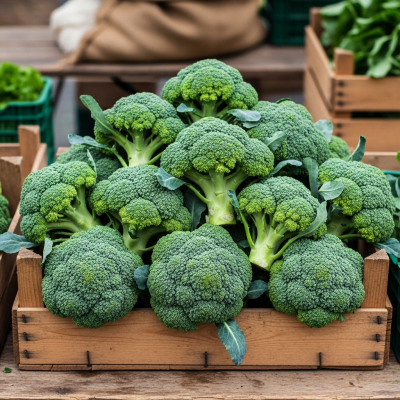
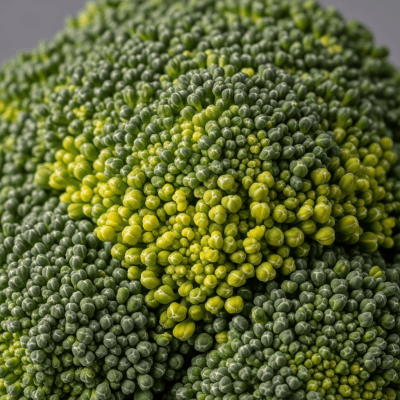
Broccoli plants reach 60–90 cm in height, featuring thick green stalks and large, dark green leaves. The signature edible portion is the dense cluster of green flower buds, known as the 'head' or 'crown,' typically 10–20 cm in diameter. When fresh, the heads are compact, vibrant green, and slightly grainy to the touch, while the stalks are firm and fibrous. The overall appearance is robust and leafy, with a crisp texture and mild, earthy aroma.
Broccoli is cultivated primarily for its immature flower heads, harvested before blooming. It thrives in cool climates and is sensitive to heat, which can cause premature flowering or poor head formation. In the kitchen, broccoli is versatile—enjoyed raw, steamed, boiled, roasted, or stir-fried. Its mild flavor and hearty texture make it a staple in salads, soups, casseroles, and Asian stir-fries, offering both nutritional value and culinary flexibility.
Bring this kind into your world illustrated posters, mugs, and shirts.
Archival print, museum-grade paper
Buy Poster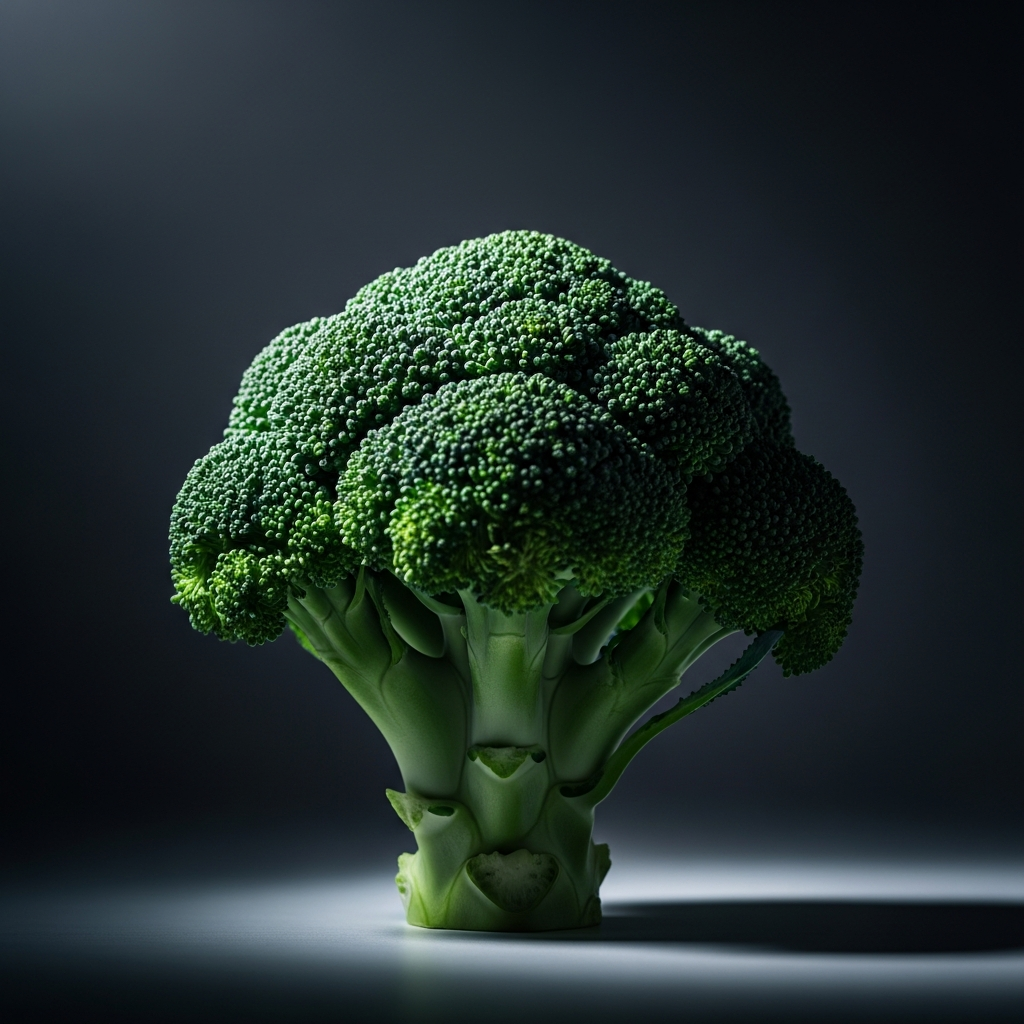
Stoneware mug, dishwasher safe
Buy Mug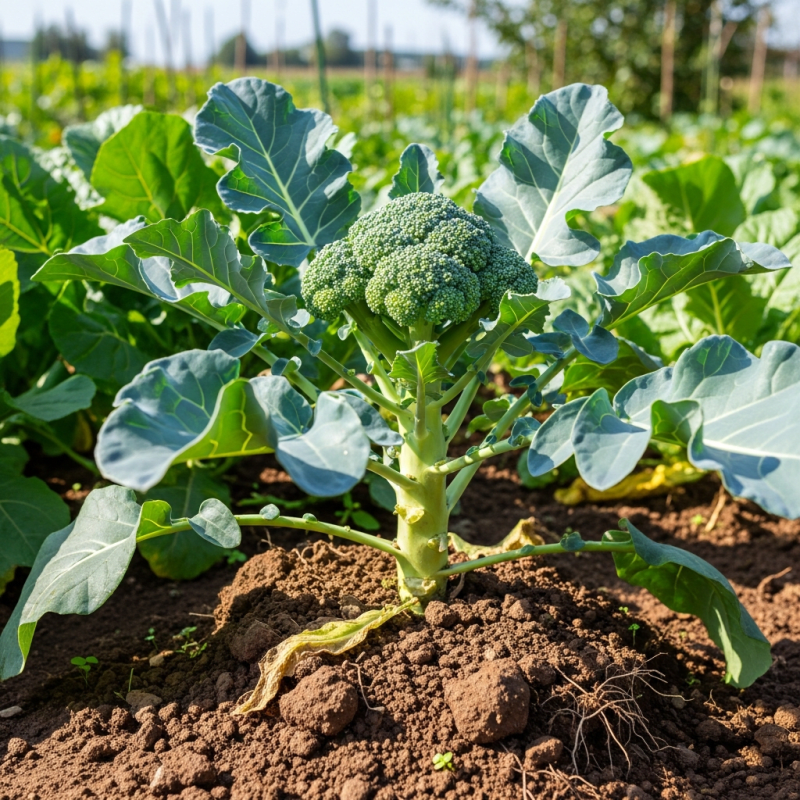
Soft cotton tee, unisex sizes
Buy ShirtBroccoli has become a symbol of healthy eating, often featured in dietary campaigns and wellness literature for its nutrient density and potential health benefits. In Western culture, it is a staple side dish and a popular ingredient in family meals. In Asia, broccoli appears in stir-fries and festive dishes. The vegetable’s association with vitality and wellness has made it a recurring motif in art, advertising, and popular media, representing wholesome living and natural abundance.
Broccoli is exceptionally high in vitamin C, vitamin K, folate, and dietary fiber. It also provides glucosinolates and sulforaphane, which are linked to potential anticancer effects. Low in calories and rich in antioxidants, broccoli supports immune health, bone strength, and digestive wellness, making it a celebrated choice for balanced diets.
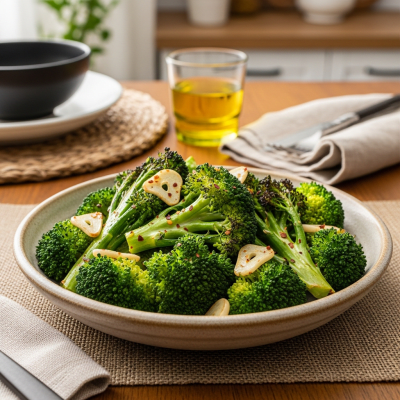
Broccoli’s versatility shines in the kitchen. It can be steamed, boiled, roasted, stir-fried, or eaten raw. Common uses include salads, soups, casseroles, and Asian stir-fries. The florets and stalks absorb flavors well, pairing with garlic, lemon, cheese, and soy-based sauces. Broccoli is also popular as a side dish, blended into purees, or incorporated into pasta and grain bowls.
Broccoli is grown as an annual crop, favoring cool climates with optimal temperatures between 18–23°C (65–73°F). It requires fertile, well-drained soil and consistent moisture. High temperatures may cause bolting or poor head development. Commercial yields typically range from 7,000 to 12,000 kg/ha. Post-harvest, broccoli is highly perishable and must be stored at 0–2°C (32–36°F) with high humidity to maintain freshness for 7–14 days.
Broccoli faces threats from cabbage worms, aphids, bacterial soft rot, and alternaria leaf spot. Some cultivars offer resistance to clubroot, downy mildew, and black rot, but vigilance is required to manage pests and diseases. Integrated pest management and crop rotation are common strategies to maintain healthy crops.
Broccoli is known as "Calabrese" in the UK and Europe, while "purple sprouting broccoli" is a regional favorite in the UK. In Asian cuisine, Chinese broccoli (Gai lan) is often grouped with broccoli, though it is botanically distinct. US production is centered in California, and China leads global production and consumption, reflecting diverse culinary roles and naming conventions worldwide.
Choose broccoli with firm, compact heads and deep green color, avoiding yellowing or limp stalks. Store unwashed broccoli in the refrigerator, ideally in a perforated bag, at 0–2°C (32–36°F) with high humidity. For longer preservation, blanch and freeze florets. Use within 7–14 days for optimal freshness and flavor.