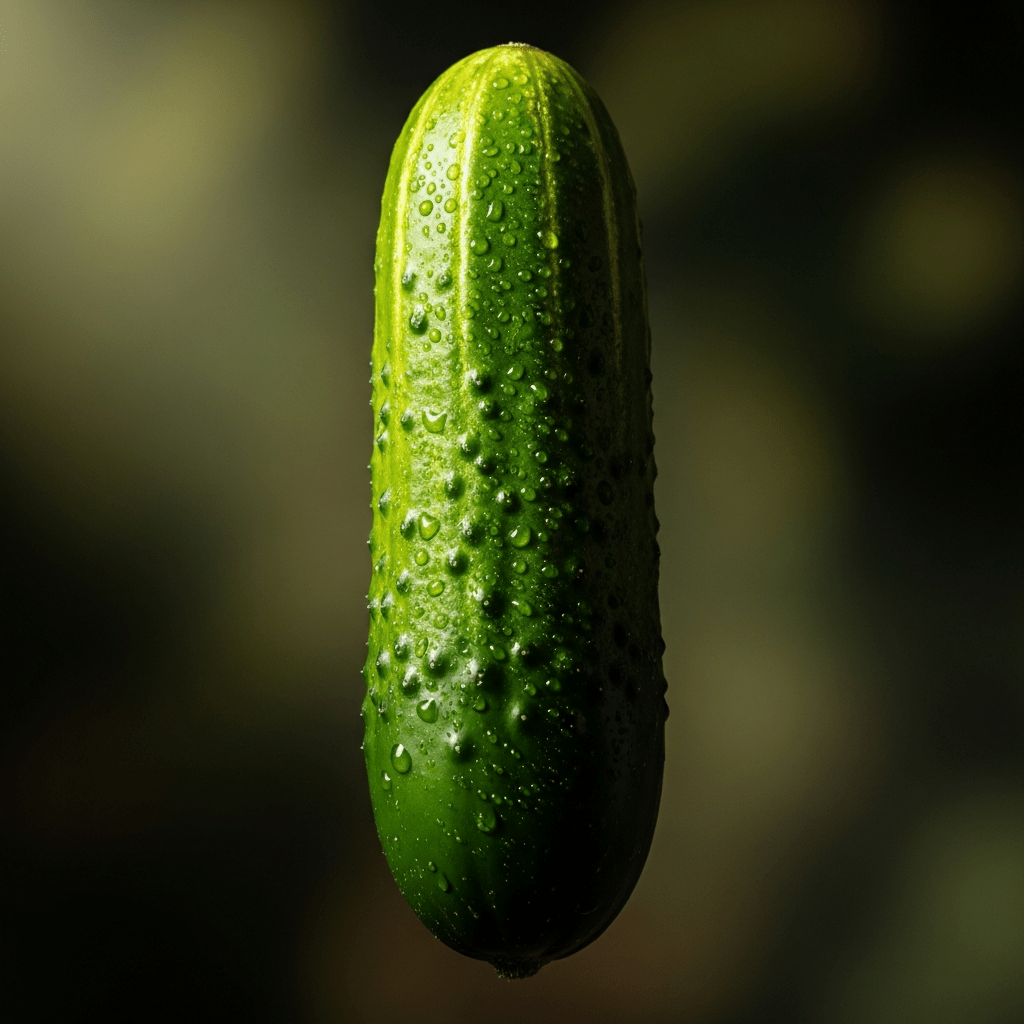
Cucumber
Cucumber is a crisp, refreshing vegetable enjoyed worldwide for its mild flavor, high water content, and versatility in both fresh and pickled forms.
Cucumber is a crisp, refreshing vegetable enjoyed worldwide for its mild flavor, high water content, and versatility in both fresh and pickled forms.
Cucumber (Cucumis sativus) traces its roots to South Asia, with evidence of cultivation in India dating back over 3,000 years. Domesticated from wild Cucumis species, cucumbers spread through Asia and Europe, evolving through centuries of selection and breeding. Today, modern cultivars reflect a global heritage shaped by regional preferences and agricultural innovation.
Botanically, cucumber belongs to the family Cucurbitaceae, sharing lineage with melons, squashes, and pumpkins. Its scientific name is Cucumis sativus. Though technically a fruit (developing from the flower and containing seeds), cucumber is universally classified as a vegetable in culinary traditions due to its savory uses and flavor profile.
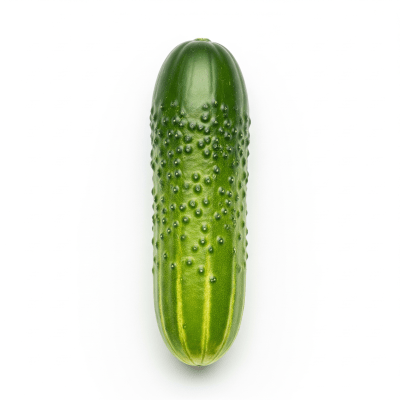
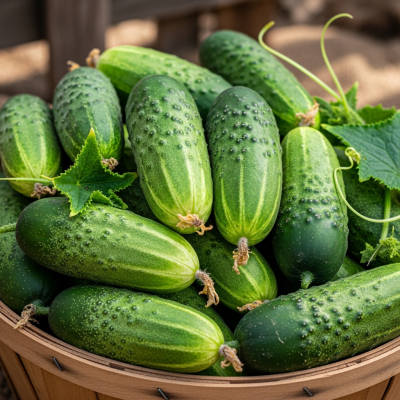
Cucumbers are typically elongated and cylindrical, ranging from 10 to 60 centimeters in length and 2 to 10 centimeters in diameter. Their skin is smooth or lightly ridged, colored in shades of green with occasional white or yellow stripes or spines. The interior flesh is pale green to white, exceptionally crisp, and remarkably juicy, with about 95% water content, delivering a refreshing crunch with every bite.
Cucumber’s primary role is as a fresh, cooling ingredient in salads, sandwiches, and garnishes. It is also widely pickled—transformed into gherkins or dill pickles—and occasionally cooked in regional dishes. Beyond the kitchen, cucumber’s hydrating properties make it popular in beverages and even cosmetic preparations. Its mild flavor and texture make it a staple in diets seeking lightness and refreshment.
Bring this kind into your world illustrated posters, mugs, and shirts.
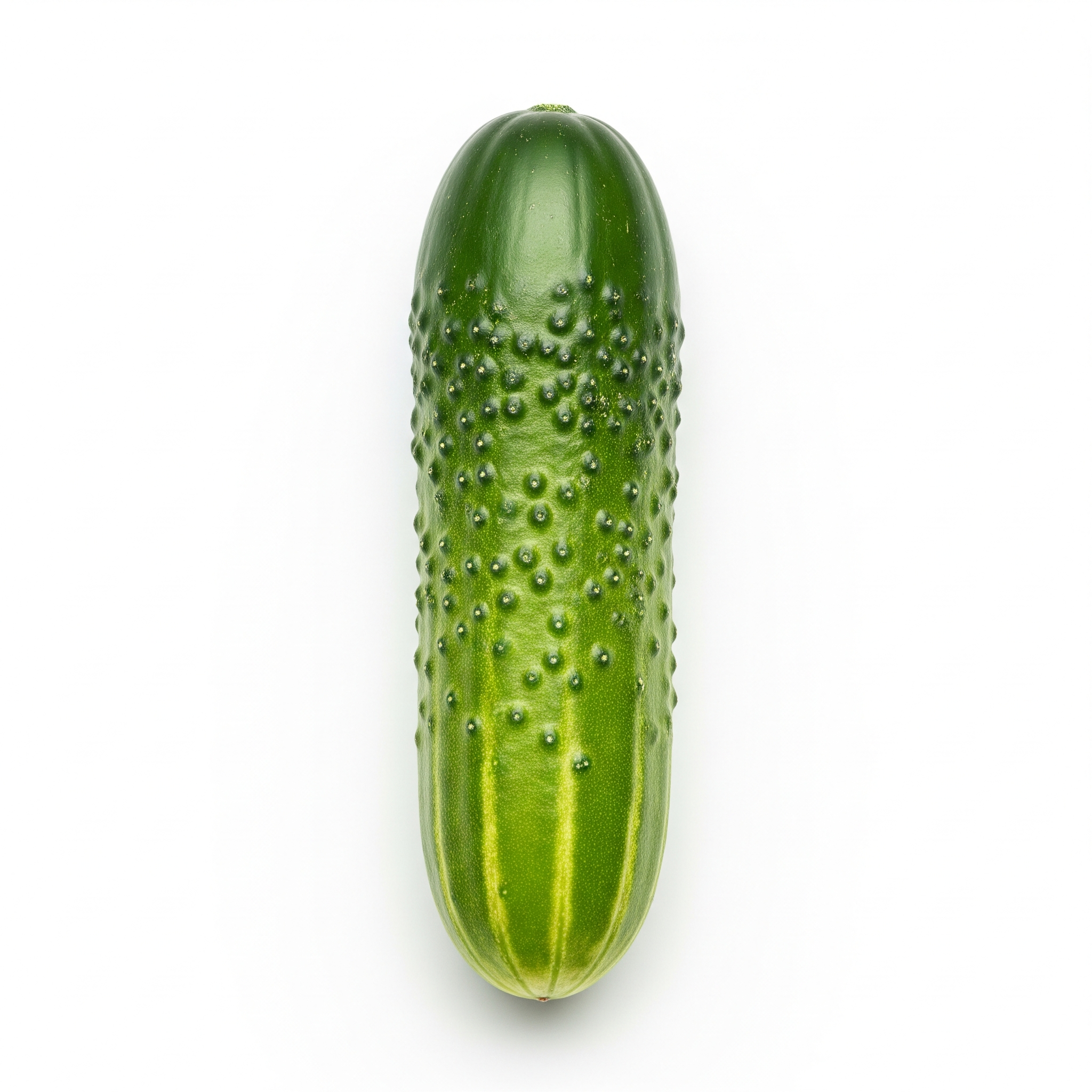
Archival print, museum-grade paper
Buy Poster
Stoneware mug, dishwasher safe
Buy Mug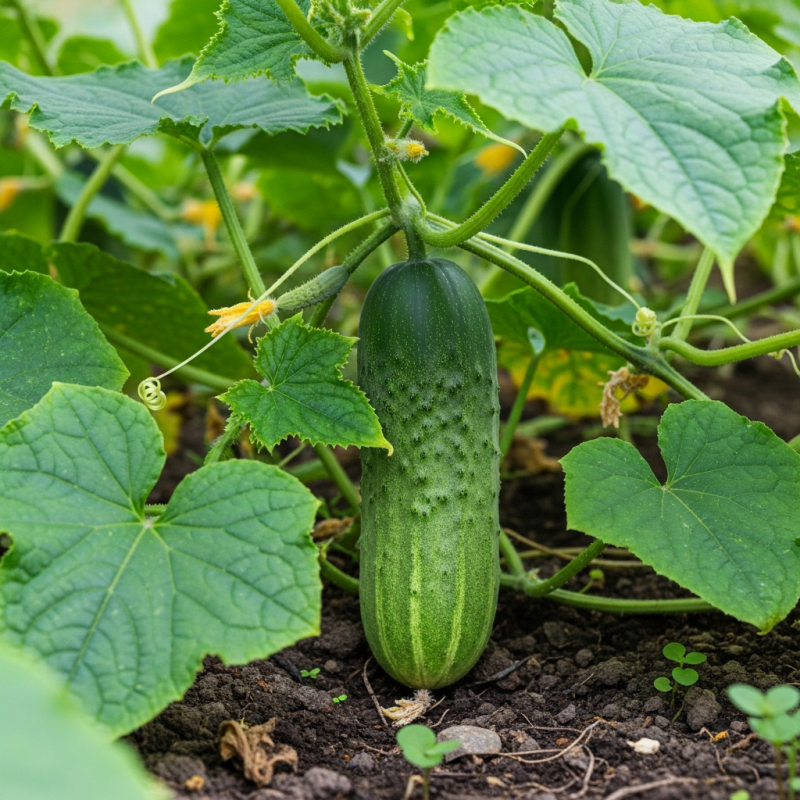
Soft cotton tee, unisex sizes
Buy ShirtAcross cultures, cucumber symbolizes freshness and purity, often featured in traditional dishes and rituals. In many cuisines, it is a sign of summer and abundance, celebrated in salads and pickles. The vegetable appears in folklore, language, and art—from the phrase “cool as a cucumber” to its role in spa treatments and beauty rituals, reflecting its enduring appeal and versatility.
Cucumber is low in calories and rich in water, making it an excellent hydrating food. It provides vitamin K, vitamin C, potassium, and dietary fiber, supporting bone health, immunity, and digestion. Its high water content and minimal fat make it a favored choice for light, healthy meals.


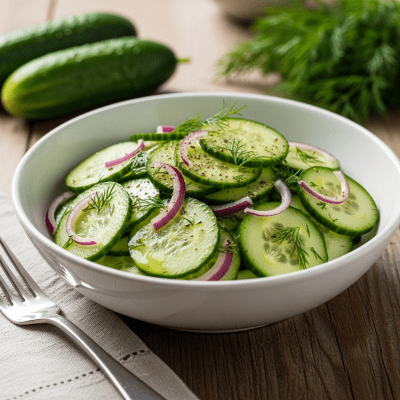

Cucumbers shine in fresh preparations—sliced into salads, layered in sandwiches, or served as crunchy garnishes. They are also pickled into gherkins and dill pickles, adding tang and texture to dishes. In some cuisines, cucumbers are blended into cold soups, beverages, or relishes, and occasionally cooked in stir-fries or stews. Their versatility makes them a staple in kitchens around the world.
Cucumbers are annual, vining or bush plants that thrive in warm climates and well-drained soils. They climb via tendrils and often require support structures in commercial production. Yields vary by region and cultivar, typically ranging from 20 to 60 metric tons per hectare. For best storage, cucumbers should be kept at 10–13°C, as temperatures below 10°C can cause chilling injury. Shelf life under optimal conditions is 1–2 weeks.
Some cucumber cultivars are bred for resistance to powdery mildew, downy mildew, and cucumber mosaic virus. However, the crop remains susceptible to bacterial wilt and various pests. Disease management and selection of resistant varieties are essential for successful cultivation.
Cucumber’s name and form vary widely: ‘pepino’ in Spanish, ‘concombre’ in French, ‘Gurke’ in German, ‘kyuri’ in Japanese, ‘kheera’ in Hindi, ‘ogórek’ in Polish, and ‘huángguā’ in Chinese. Armenian cucumber, though botanically a melon, is often treated as a cucumber in culinary contexts. In some regions, ‘gherkin’ refers to a distinct species. These variations reflect cucumber’s global reach and adaptability.
Choose cucumbers that are firm, evenly colored, and free from soft spots or wrinkles. Store them at 10–13°C to preserve freshness, avoiding refrigeration below 10°C to prevent chilling injury. For best quality, consume within 1–2 weeks. Pickling cucumbers should be used promptly for optimal texture, while slicing and specialty types can be stored slightly longer if kept dry and cool.