Swiss Chard
Swiss chard is a vibrant leafy green vegetable celebrated for its colorful stalks, mild flavor, and exceptional nutritional value, making it a staple in kitchens and gardens worldwide.
Swiss chard is a vibrant leafy green vegetable celebrated for its colorful stalks, mild flavor, and exceptional nutritional value, making it a staple in kitchens and gardens worldwide.
Swiss chard traces its roots to the Mediterranean region, where it was cultivated as early as ancient Greece and Rome. Although its modern cultivars lack precise breeder records, the species was formally described by Carl Linnaeus in 1753. Over centuries, Swiss chard has spread across Europe and beyond, adapting to diverse climates and becoming a beloved ingredient in many global cuisines.
Botanically, Swiss chard belongs to the Amaranthaceae family, genus Beta, and species vulgaris, specifically the Cicla Group. It is closely related to beetroot, sharing the same species but differing in its edible part—Swiss chard is prized for its leaves and stems, while beetroot is grown for its root. In culinary terms, it is classified as a leafy vegetable and is grouped with other greens for its use in savory dishes.
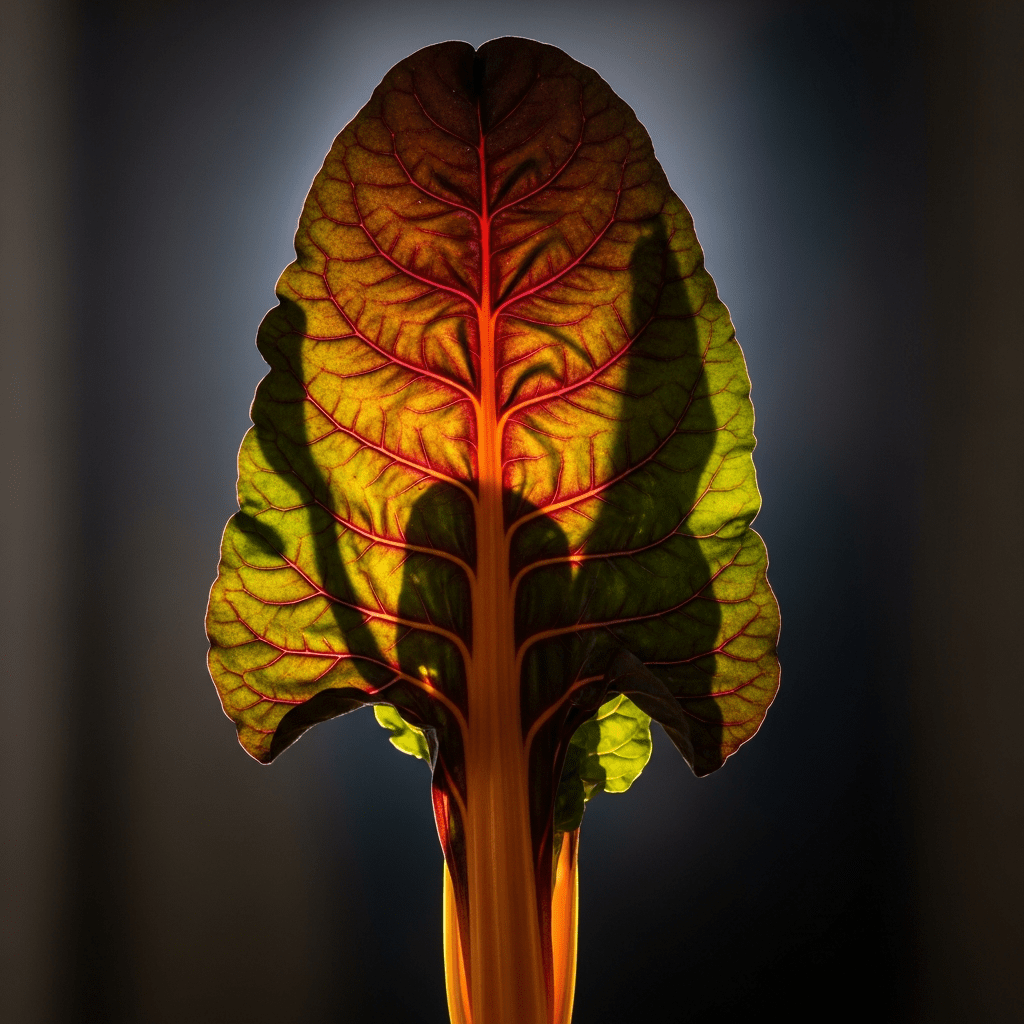
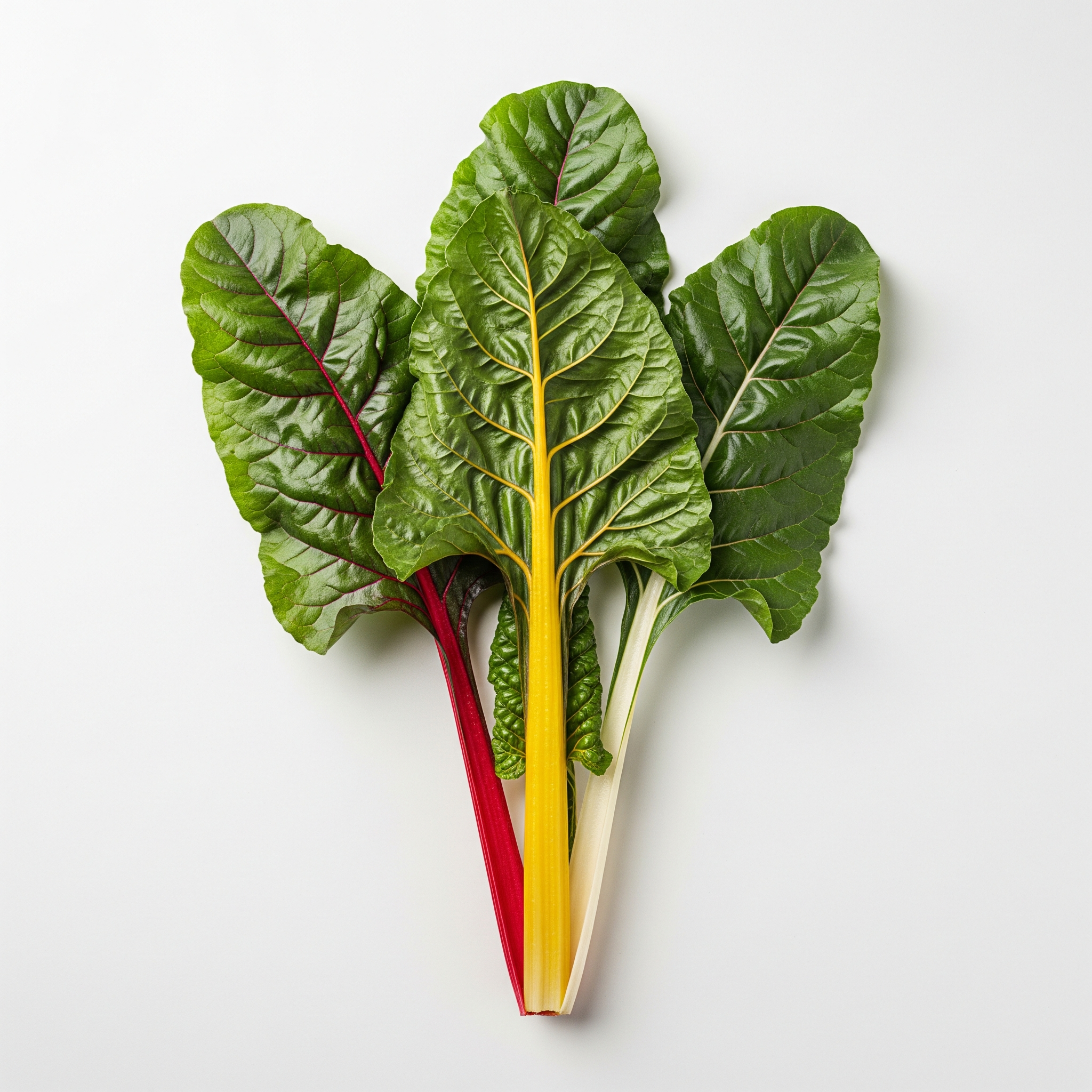
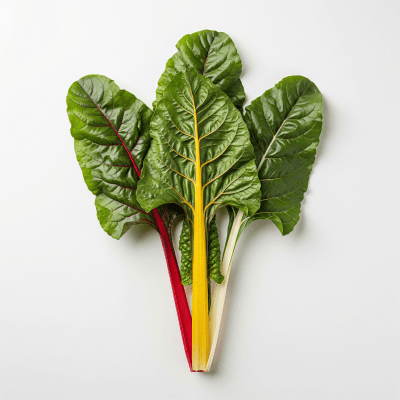
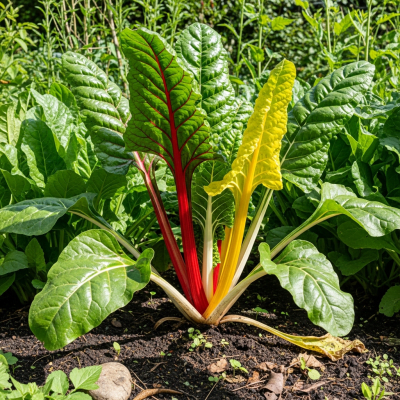
Swiss chard stands out with its large, glossy, dark green leaves and striking stalks that can be white, yellow, orange, pink, or red, depending on the cultivar. The plant typically grows to 30–60 cm tall, with crisp, juicy stems and tender leaves. The visual appeal of varieties like 'Rainbow Chard' makes it both a culinary and ornamental favorite.
Grown as an annual for its edible foliage, Swiss chard thrives in both cool and warm climates and is moderately drought-tolerant. Its versatility in the kitchen is matched by its adaptability in the garden, where it can withstand light frosts and produce a steady harvest. Both the leaves and stalks are consumed, with stems often prepared separately due to their firmer texture.
Bring this kind into your world illustrated posters, mugs, and shirts.
Archival print, museum-grade paper
Buy Poster
Stoneware mug, dishwasher safe
Buy Mug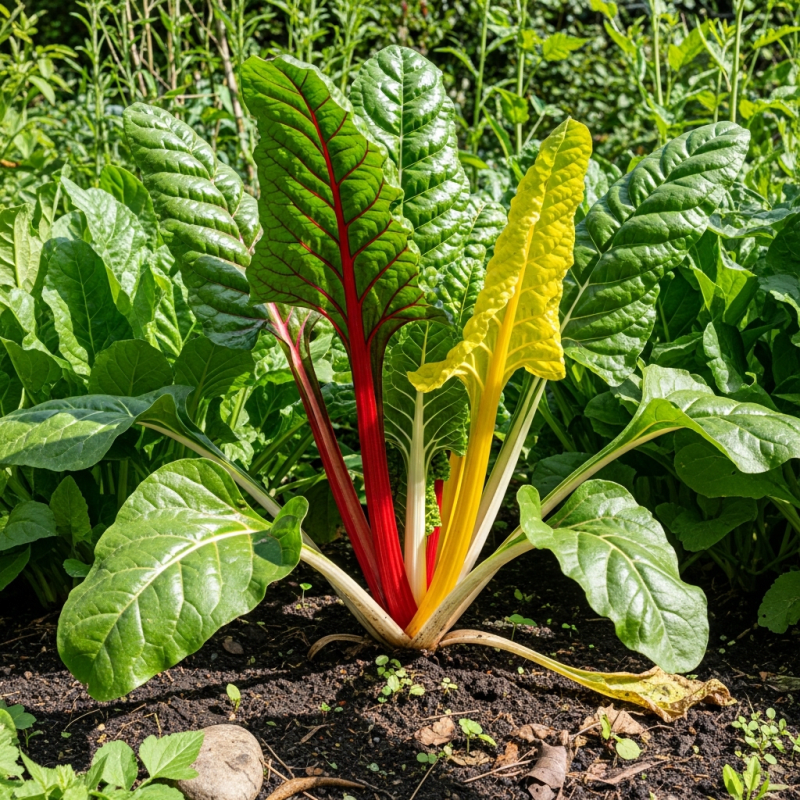
Soft cotton tee, unisex sizes
Buy ShirtSwiss chard features prominently in Mediterranean and Middle Eastern cuisines, symbolizing health and abundance. Its vivid colors have inspired culinary presentations and garden designs alike. Known by various names—such as 'silverbeet' in Australia and New Zealand, 'blette' in France, and 'acelga' in Spain—it reflects a rich tapestry of regional food traditions and linguistic heritage.
Swiss chard is renowned for its high nutritional content, providing generous amounts of vitamins A, C, and K, as well as minerals like magnesium and potassium. Rich in dietary fiber and antioxidants, it supports heart health, bone strength, and overall wellness, making it a valuable addition to a balanced diet.

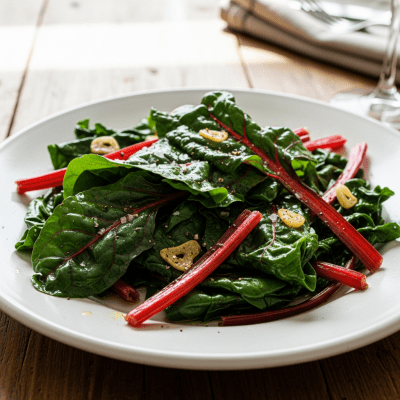
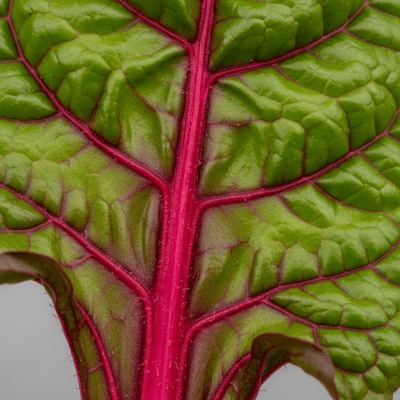
Swiss chard is a versatile ingredient in the kitchen. Its leaves are enjoyed raw in salads or cooked in sautés, soups, and stews. The stems, firmer in texture, are often chopped and cooked separately, adding color and crunch to dishes. Swiss chard is a staple in Mediterranean, Middle Eastern, and American cuisines, valued for its mild, slightly earthy flavor and adaptability to numerous recipes.
Swiss chard is a biennial plant grown as an annual for its foliage. It thrives in well-drained, fertile soils with a pH of 6.0–7.0 and prefers temperatures between 16–24°C. The crop is moderately drought-tolerant and can withstand light frosts, making it suitable for extended harvests. Commercial yields range from 20–40 tons per hectare, and the plant stores well under refrigeration for up to two weeks.
Swiss chard is susceptible to leaf spot (Cercospora beticola), downy mildew (Peronospora farinosa), and aphid infestations. However, it exhibits moderate resistance to bolting compared to spinach, allowing for a longer harvest period. Regular monitoring and good cultural practices help minimize disease and pest impact.
Swiss chard is known as 'silverbeet' in Australia and New Zealand, especially for white-stemmed types, and carries different names across Europe—'blette' in France, 'bietola' in Italy, and 'acelga' in Spain. Regional preferences and naming conventions reflect local culinary traditions, with heritage and landrace varieties present but less standardized globally.
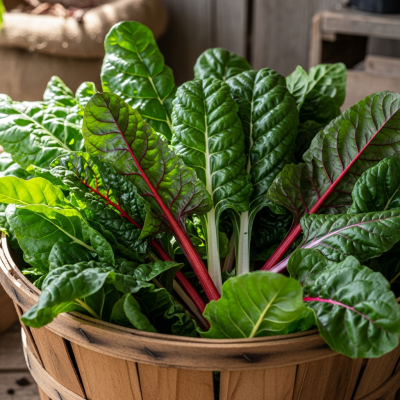
When selecting Swiss chard, look for crisp, glossy leaves and firm, colorful stalks free of blemishes. Store in the refrigerator at 0–2°C with high humidity to preserve freshness for up to two weeks. For longer storage, Swiss chard can be blanched and frozen, though fresh use is preferred for optimal texture and flavor.