
Spinach
Spinach is a tender, leafy green vegetable celebrated worldwide for its mild flavor and exceptional nutritional value, making it a staple in both fresh and cooked savory dishes.
Spinach is a tender, leafy green vegetable celebrated worldwide for its mild flavor and exceptional nutritional value, making it a staple in both fresh and cooked savory dishes.
Spinach (Spinacia oleracea) traces its roots to ancient Persia, now Iran, where it was first cultivated. Its journey began centuries ago, spreading eastward to China via Nepal in the 7th century, and westward to Europe by the 12th century. The species was formally described by Carl Linnaeus in 1753, but its domestication is the result of generations of traditional selection rather than a single breeder. Today, breeding programs in the United States, the Netherlands, and China have refined spinach for improved yield, disease resistance, and leaf quality.
Botanically, spinach belongs to the Amaranthaceae family, genus Spinacia, species oleracea. It is classified as a leafy vegetable in culinary contexts, distinct from similar greens like New Zealand spinach and Malabar spinach. Spinach is an annual, cool-season crop, fitting squarely within the vegetable taxonomy as an edible plant part consumed in savory dishes.
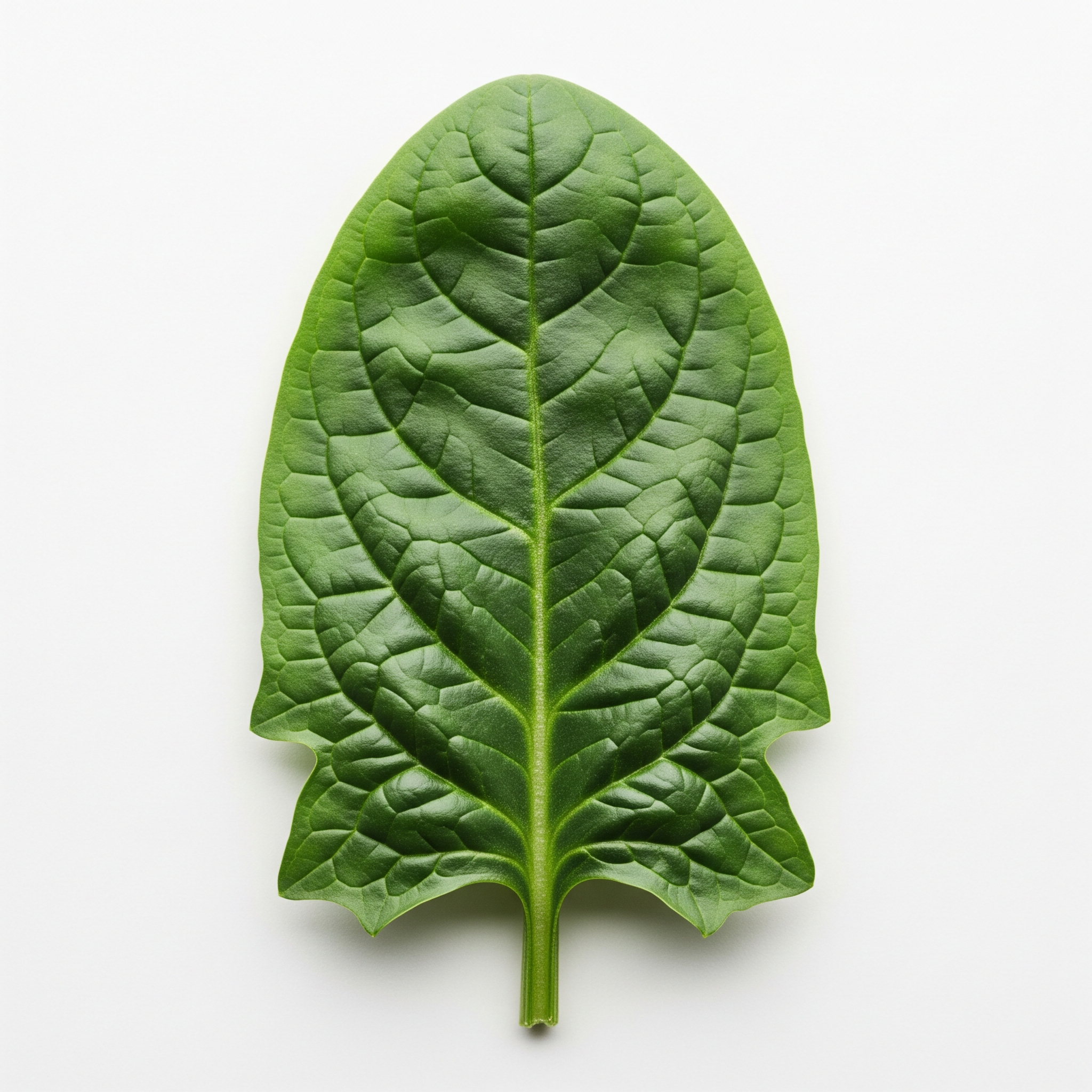
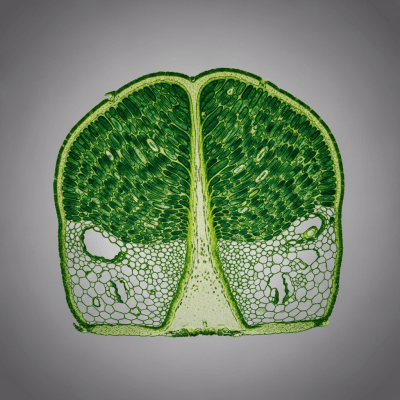
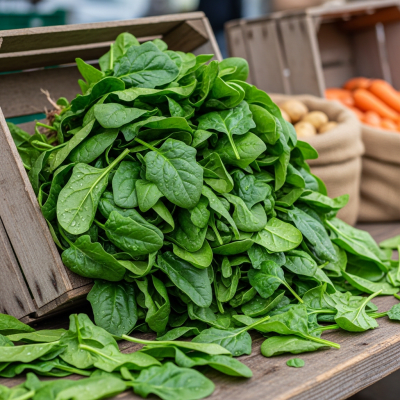
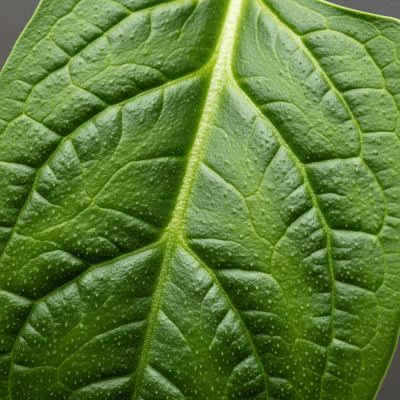
Spinach plants form compact rosettes of broad, ovate to lanceolate leaves, which may be smooth or savoyed (crinkled) depending on the variety. The leaves are medium to dark green, tender, and typically reach heights of 20–30 cm. Baby spinach refers to the young, delicate leaves harvested early, prized for their mild taste and soft texture.
Spinach is valued for its versatility and ease of use. It can be enjoyed raw in salads, quickly wilted as a side, or incorporated into soups, stews, pastries, and sauces. Its mild flavor and soft texture make it a favorite in both home kitchens and commercial food production, where it is also processed into frozen, canned, and dehydrated forms. Spinach’s rapid growth and short harvest period allow for multiple plantings and continuous supply throughout cool seasons.
Bring this kind into your world illustrated posters, mugs, and shirts.
Archival print, museum-grade paper
Buy Poster
Stoneware mug, dishwasher safe
Buy Mug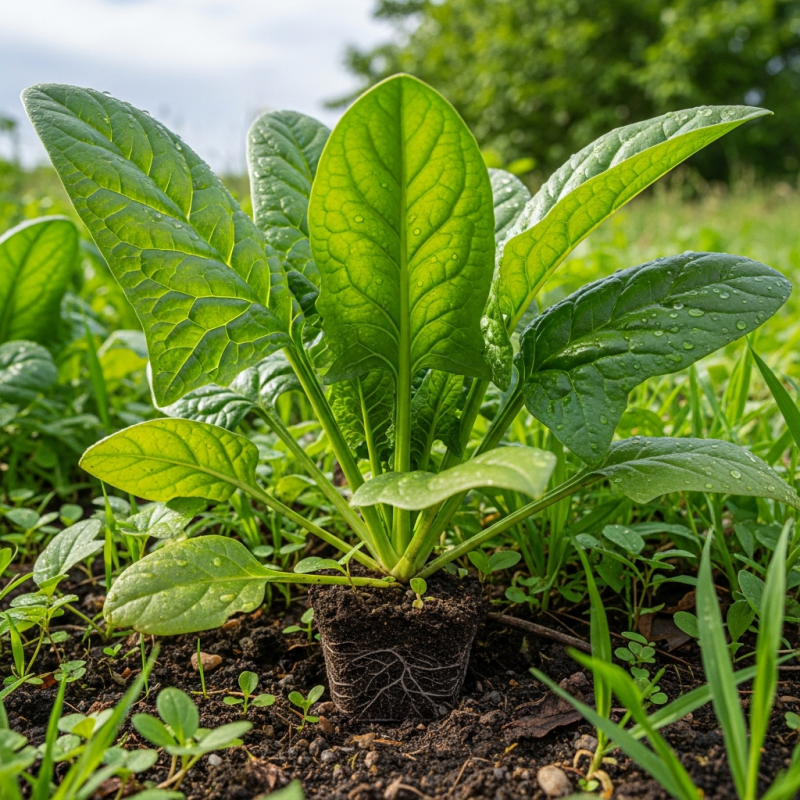
Soft cotton tee, unisex sizes
Buy ShirtSpinach has woven itself into culinary traditions worldwide—from Mediterranean pies and South Asian curries to classic Western salads. Its reputation as a health food is legendary, popularized in modern culture by the cartoon character Popeye, who famously attributed his strength to spinach’s iron content. Across languages and cuisines, spinach is celebrated as a symbol of vitality and wholesome eating.
Spinach is a nutritional powerhouse, rich in iron, vitamin K, vitamin A, folate, vitamin C, and dietary fiber, while remaining low in calories (23 kcal/100g raw). It is also a source of antioxidants such as lutein and beta-carotene, supporting eye health and overall wellness. Its nutrient density makes it a cornerstone of healthy diets worldwide.
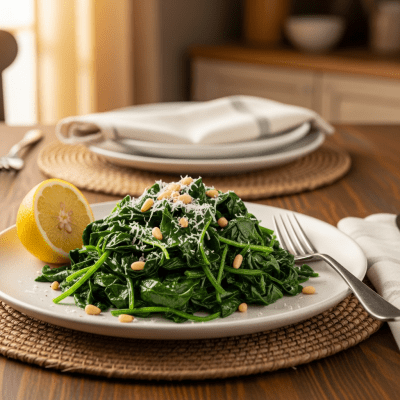
Spinach’s mild flavor and tender texture lend themselves to a wide range of preparations. It is commonly eaten raw in salads, lightly sautéed or steamed as a side dish, and blended into soups, stews, quiches, and pastries. Spinach features prominently in Mediterranean spanakopita, South Asian palak paneer, and Italian pasta dishes. It is also available frozen, canned, and dehydrated for convenient use year-round.
Spinach thrives as a cool-season annual, growing best in well-drained, fertile soils with a pH of 6.5–7.5. It is sensitive to heat, which can cause bolting and reduce leaf quality. The crop matures quickly, typically ready for harvest 30–45 days after sowing, with yields averaging 15–25 tons per hectare under optimal conditions. Disease-resistant cultivars are available, particularly those bred to withstand downy mildew, a major threat to spinach crops.
While specific cultivar pedigrees are not widely documented, modern spinach varieties are often bred for resistance to downy mildew and improved leaf quality. Commercially, distinctions are made between smooth-leaf and savoyed (crinkled-leaf) types, as well as baby spinach for early harvest. Leading breeding programs in the US, Netherlands, and China continue to develop new cultivars for yield, disease resistance, and market preference.
Spinach is susceptible to several pests and diseases, most notably downy mildew (Peronospora farinosa f. sp. spinaciae), leaf miners, aphids, and various fungal pathogens. Breeding efforts have produced cultivars with resistance to downy mildew, but vigilance and crop rotation remain essential for growers. Spinach’s sensitivity to heat and its rapid growth also require careful management to minimize stress and pest pressure.
Spinach is known by many names around the world, including "espinaca" (Spanish), "épinard" (French), "spinaci" (Italian), "palak" (Hindi/Urdu), and "bōcài" (Chinese: 菠菜). In some regions, baby spinach is favored for salads, while mature spinach is preferred for cooking. Spinach should not be confused with New Zealand spinach or Malabar spinach, which are botanically distinct but used similarly in certain cuisines.
For best quality, select spinach with crisp, vibrant green leaves free from yellowing or wilting. Fresh spinach is highly perishable and should be refrigerated immediately, ideally consumed within 5–7 days of harvest. To extend shelf life, spinach can be blanched and frozen or purchased in canned or dehydrated forms. Avoid washing spinach until just before use to prevent premature spoilage.