Asparagus
Asparagus is a perennial stem vegetable celebrated for its tender, spear-like shoots and delicate spring flavor, enjoyed fresh or prepared in a variety of savory dishes worldwide.
Asparagus is a perennial stem vegetable celebrated for its tender, spear-like shoots and delicate spring flavor, enjoyed fresh or prepared in a variety of savory dishes worldwide.
Asparagus traces its roots to the eastern Mediterranean and western Asia, where it grew wild along riverbanks and sandy soils. Its domestication began in ancient Egypt and Greece, with historical records and artwork attesting to its early cultivation and culinary use. Over centuries, selective breeding produced modern varieties prized for their yield, spear thickness, and disease resistance, making asparagus a global springtime delicacy.
Botanically, asparagus belongs to the family Asparagaceae, genus Asparagus, and species officinalis. It is classified as a stem vegetable in culinary traditions, distinct from leafy, root, or bulb vegetables. Its scientific name, Asparagus officinalis, reflects its status as the canonical edible species among several wild and ornamental relatives.
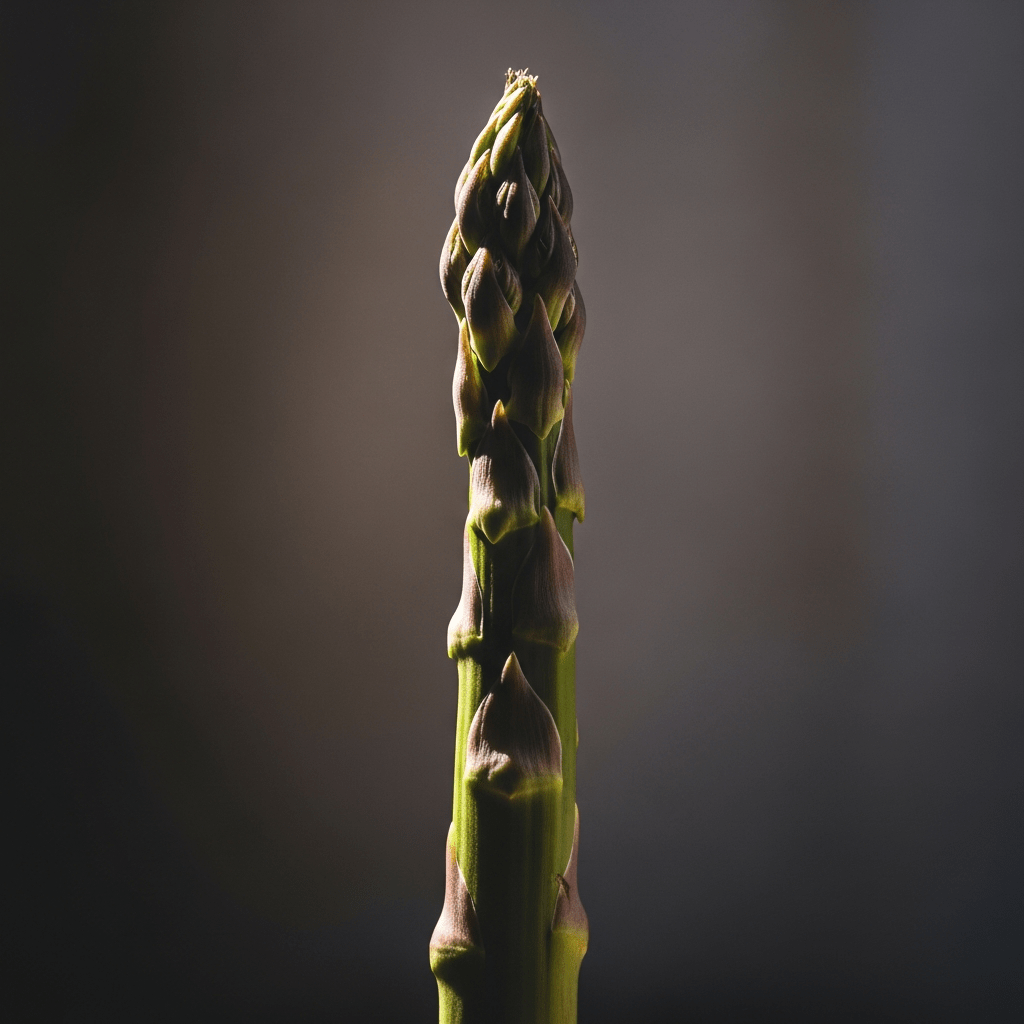
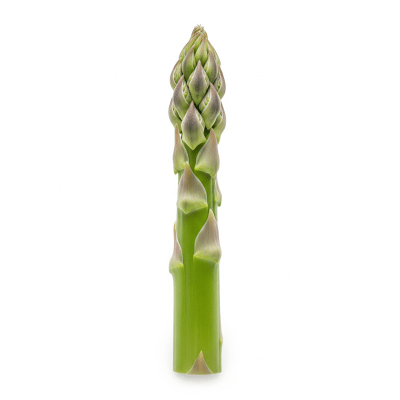
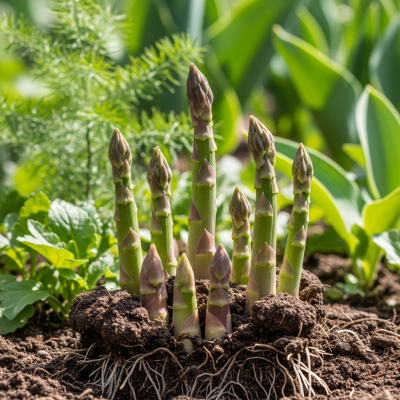
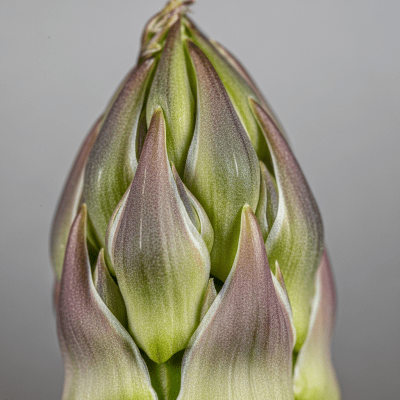
Asparagus is instantly recognizable by its tall, slender spears, which range from vibrant green to deep purple or creamy white depending on cultivation method. Harvested young, the spears are typically 15–25 cm long and 1–2 cm thick, with tightly closed tips and a crisp, juicy texture. After harvest, mature plants develop feathery foliage and can reach heights of up to 2 meters, creating a lush, airy presence in the garden.
Asparagus is valued for its rapid spring growth and tender shoots, which are harvested before the tips open. Its spears are enjoyed fresh, cooked, or preserved, featuring in salads, soups, and gourmet side dishes. The plant’s perennial nature allows for annual harvests from established crowns, making it both a home garden favorite and a commercially important crop in temperate regions.
Bring this kind into your world illustrated posters, mugs, and shirts.
Archival print, museum-grade paper
Buy Poster
Stoneware mug, dishwasher safe
Buy Mug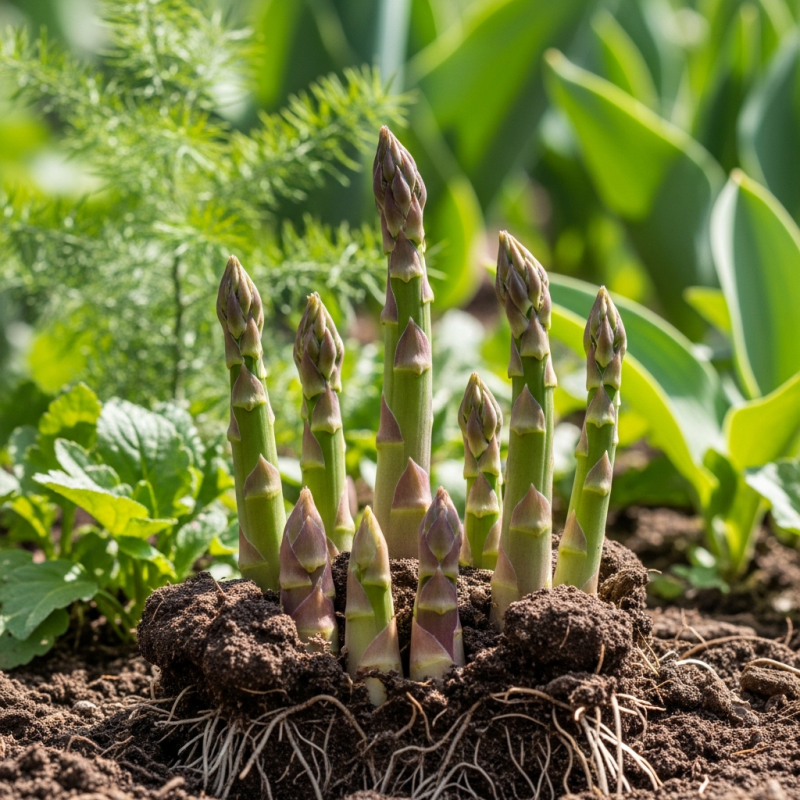
Soft cotton tee, unisex sizes
Buy ShirtThroughout history, asparagus has symbolized luxury and renewal, appearing in ancient Egyptian tomb paintings and Greco-Roman banquets. It remains a springtime delicacy in Europe and Asia, celebrated in festivals and regional cuisine. The vegetable’s elegant form and fleeting season have inspired chefs and artists alike, while its reputation as a healthful food endures in modern wellness culture.
Asparagus is low in calories and rich in vitamins A, C, E, K, and folate. It provides dietary fiber, antioxidants, and essential minerals such as potassium and iron, supporting immune health, digestion, and metabolic function. Its nutrient density makes it a popular choice for balanced, health-conscious diets.
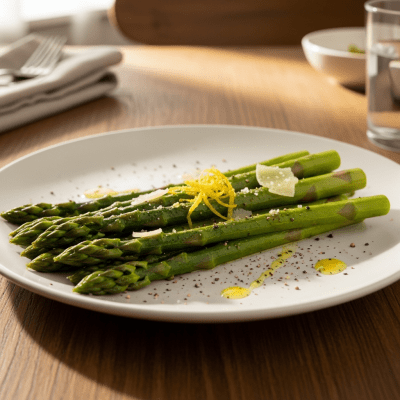
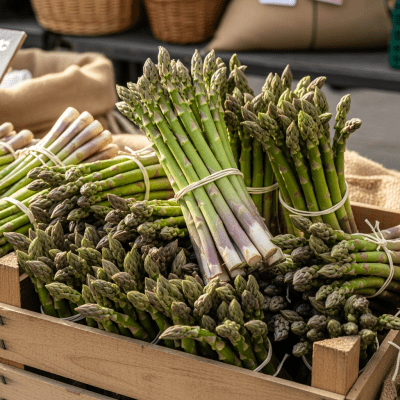
Asparagus shines in a variety of culinary preparations: it is commonly steamed, boiled, roasted, or grilled, and featured in salads, soups, and elegant side dishes. In Europe and Asia, white asparagus is a prized seasonal specialty, often served with butter or hollandaise sauce. The vegetable is also canned, frozen, or pickled for year-round enjoyment, and its subtle, grassy flavor pairs well with eggs, seafood, and fresh herbs.
Asparagus thrives in cool climates with well-drained soils and requires a winter dormancy period for optimal spear production. It is a herbaceous perennial, propagated by seed or crown division, and can yield 5,000–8,000 kg per hectare annually depending on cultivar and farming practice. Disease-resistant varieties help manage soil-borne pathogens, but growers must remain vigilant for rust and asparagus beetle infestations. Fresh spears are highly perishable, typically lasting 1–2 weeks under refrigeration.
Asparagus is susceptible to rust (caused by Puccinia asparagi) and damage from the asparagus beetle. Some cultivars offer resistance to soil-borne pathogens like Fusarium species, but careful crop rotation and pest management are essential for healthy yields.
Asparagus is enjoyed globally, with notable regional preferences for green, white, or purple varieties. White asparagus is especially popular in Germany, France, and parts of Asia, where it is considered a gourmet delicacy. In Spanish-speaking countries, it is called "espárrago," while "sparrow grass" remains an archaic term in English. Major production and consumption centers include the United States, China, Germany, and Peru.
For best quality, select asparagus spears that are firm, straight, and brightly colored with tightly closed tips. Store fresh spears in the refrigerator, ideally upright in a little water or wrapped in a damp cloth, and consume within 1–2 weeks. Asparagus can also be preserved by freezing, canning, or pickling, though fresh spears offer the best texture and flavor.