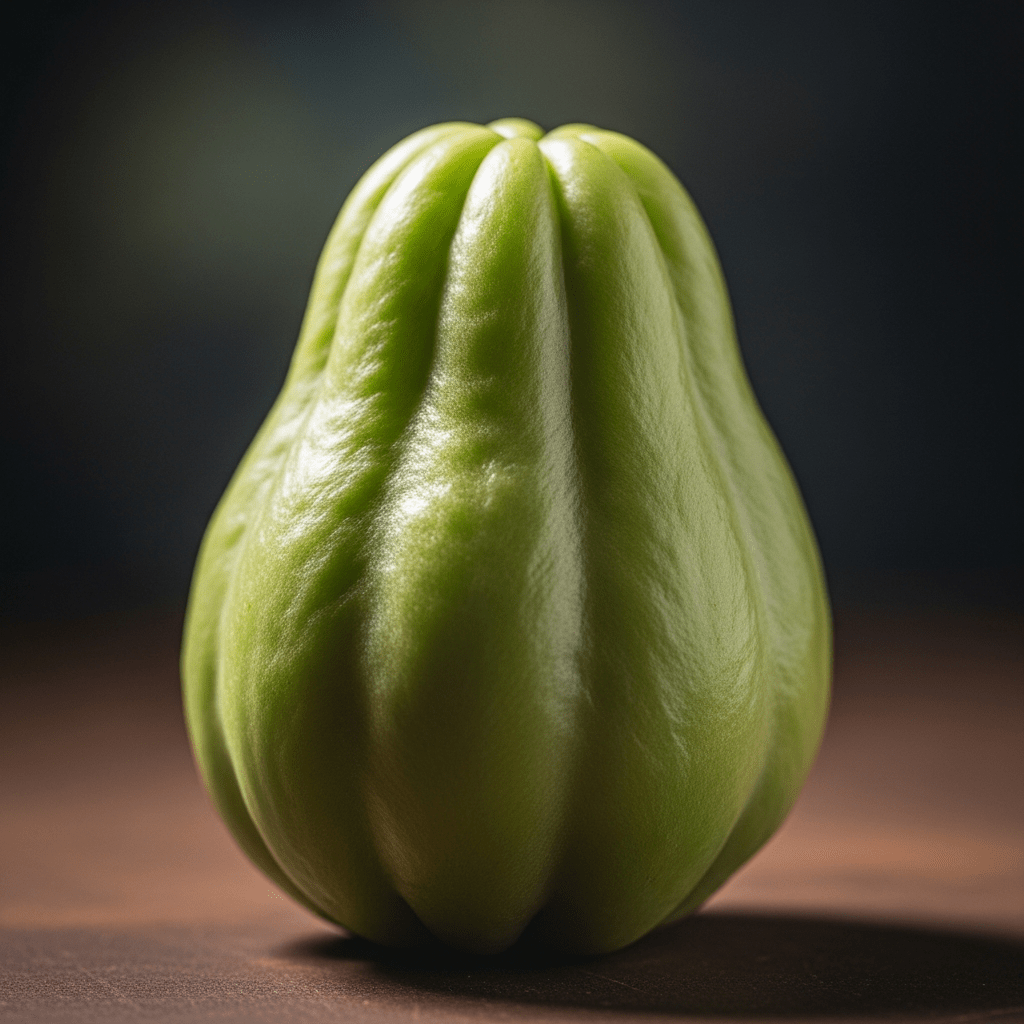
Chayote
Chayote is a versatile, pear-shaped vegetable from the gourd family, prized for its mild flavor, crisp texture, and adaptability in savory dishes across the globe.
Chayote is a versatile, pear-shaped vegetable from the gourd family, prized for its mild flavor, crisp texture, and adaptability in savory dishes across the globe.
Chayote (Sechium edule) traces its roots to southern Mexico and Central America, where it has been cultivated since pre-Columbian times. As an ancient crop, its domestication is woven into the traditions of indigenous peoples, with no single breeder or institution credited for its development. Over centuries, chayote spread through tropical and subtropical regions, becoming a staple in diverse cuisines and agricultural systems.
Botanically, chayote belongs to the Cucurbitaceae family—the same group as squash, pumpkin, and cucumber. It is a monotypic genus, with Sechium edule as its sole widely cultivated species. In culinary contexts, chayote is classified as a fruit vegetable, valued for its edible fruit, shoots, leaves, and roots, and is grouped with other savory produce in global vegetable taxonomies.
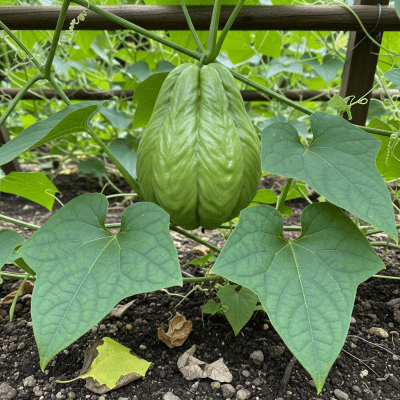
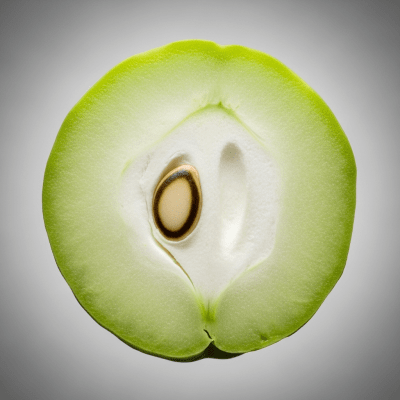
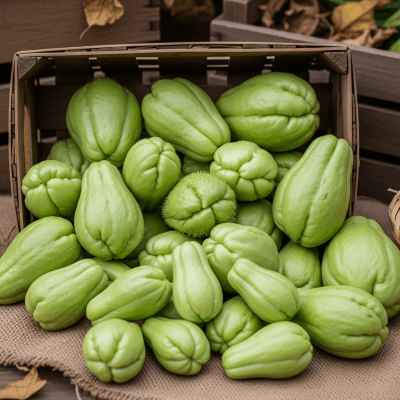
Chayote fruits are typically pale green to white, pear-shaped, and measure 10–20 cm in length, weighing between 200 and 500 grams. The skin is thin, smooth or slightly wrinkled, and encloses a crisp, pale flesh with a single, large edible seed. The plant itself is a vigorous, climbing vine with broad, heart-shaped leaves and tendrils that support its sprawling growth. When handled, chayote feels firm and moist, with a subtle, fresh aroma.
Chayote is remarkably versatile in the kitchen and the garden. Its fruit is consumed both raw and cooked—boiled, steamed, sautéed, stuffed, or added to soups and stews. Young shoots, leaves, and tuberous roots are also edible, expanding its utility beyond the fruit. In agriculture, chayote vines require trellising or support, and thrive in warm, humid climates, making them a common sight in tropical home gardens and commercial farms alike.
Bring this kind into your world illustrated posters, mugs, and shirts.
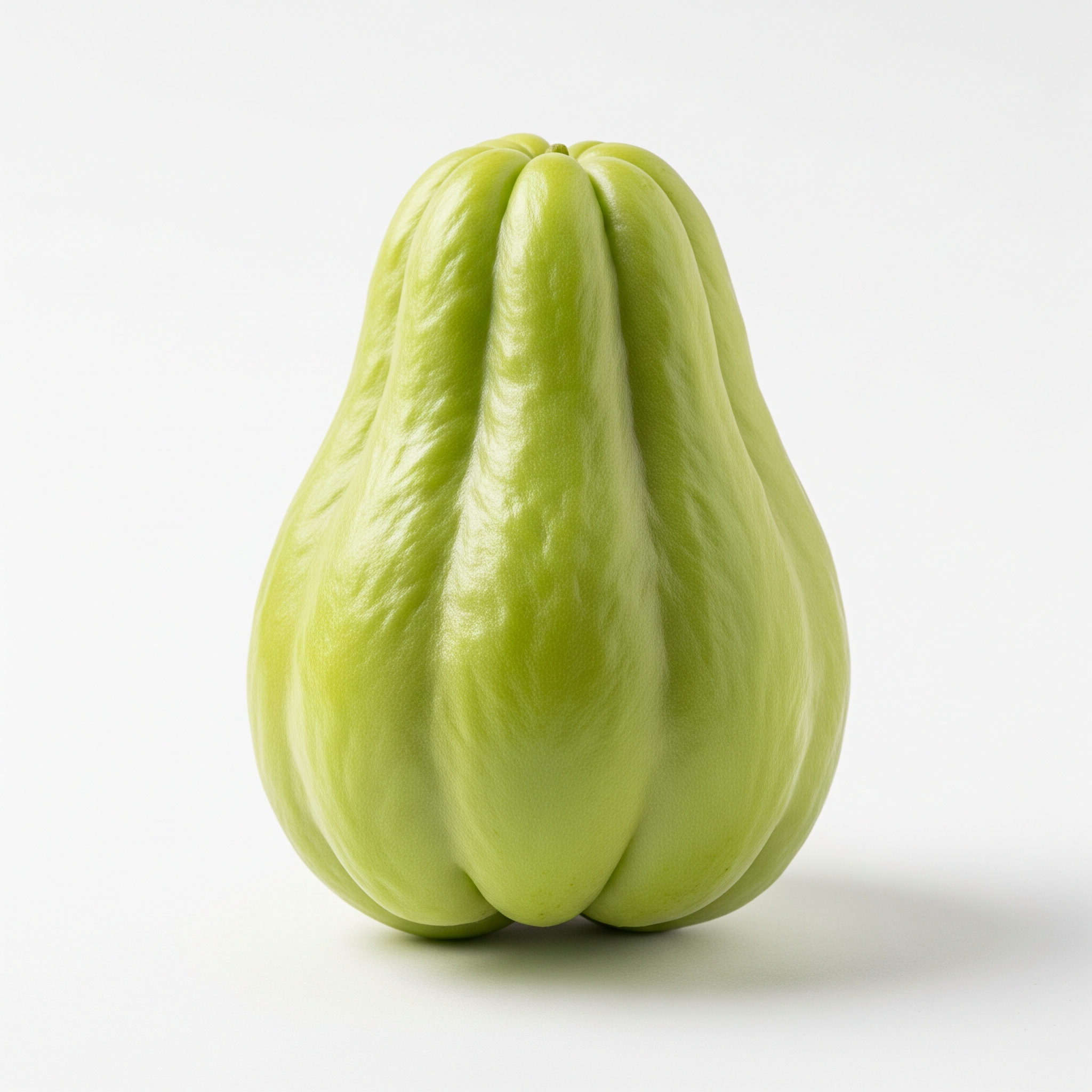
Archival print, museum-grade paper
Buy Poster
Stoneware mug, dishwasher safe
Buy Mug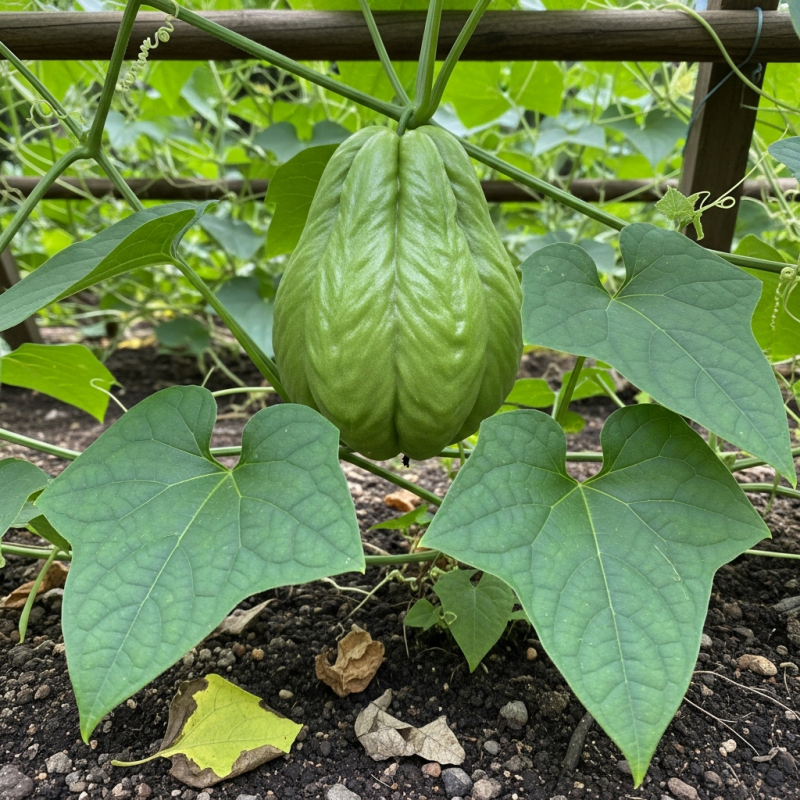
Soft cotton tee, unisex sizes
Buy ShirtChayote holds a cherished place in the culinary and cultural traditions of Latin America, the Caribbean, Southeast Asia, and Africa. In Louisiana, it is celebrated as "mirliton" and features in festive dishes. Across the Philippines, "sayote" is a household staple, while in Jamaica, "chocho" appears in everyday meals. Its many regional names reflect its integration into local identities and foodways, symbolizing adaptability and resourcefulness in global cuisines.
Chayote is valued for its low calorie content and nutritional richness. It provides vitamin C, potassium, folate, and dietary fiber, supporting immune health, heart function, and digestion. Its mild flavor and crisp texture make it an appealing addition to balanced diets.

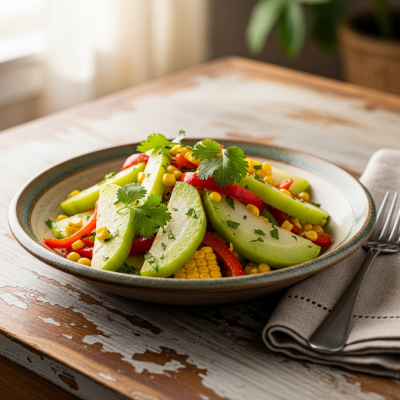
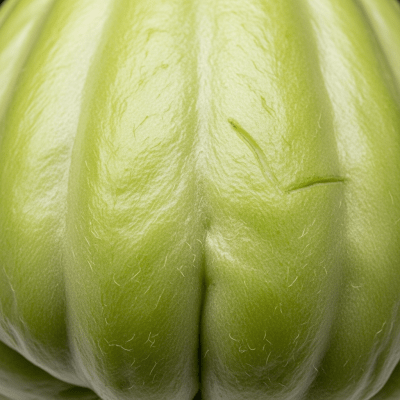
Chayote is a culinary chameleon, enjoyed boiled, steamed, sautéed, stuffed, or incorporated into soups, stews, and stir-fries. Raw chayote adds crunch to salads, while its shoots and leaves are featured in stir-fried or braised dishes. Its subtle taste allows it to absorb spices and flavors, making it a staple in Latin American, Caribbean, Southeast Asian, and African kitchens.
Chayote thrives in warm, humid climates and prefers well-drained soils. The perennial vines require trellising or sturdy support and consistent moisture for optimal yields, which can reach 30–80 tons per hectare. While moderately drought-tolerant, chayote is sensitive to frost and susceptible to fungal diseases such as powdery and downy mildew, as well as insect pests like fruit flies and aphids. Fruits keep for several weeks under cool, humid conditions but may dehydrate and wrinkle over time.
While chayote is primarily grown as a single species (Sechium edule), local varieties differ in fruit size, skin texture, and color. However, no globally standardized cultivars are widely recognized or named in commercial trade.
Chayote is prone to fungal diseases such as powdery mildew and downy mildew, which can affect leaves and fruit. Insect pests, including fruit flies and aphids, pose additional challenges for growers. The plant has moderate drought tolerance but requires vigilant management to maintain healthy vines and high yields.
Chayote is known by a rich array of regional names: "mirliton" in Louisiana, "chocho" in Jamaica, "christophene" in the Caribbean, "sayote" in the Philippines, "choko" in Australia and New Zealand, "pipinola" in Hawaii, and "guatila" in Colombia. Its culinary uses and popularity vary widely, reflecting local tastes and traditions—from stews and salads to festive dishes and everyday fare.
Choose chayote fruits that are firm, pale green, and free from blemishes or deep wrinkles. Store them in a cool, humid environment—such as the crisper drawer of a refrigerator—where they can keep for several weeks. Avoid prolonged dry storage, as chayote is prone to dehydration and wrinkling. For longer preservation, consider pickling or using in preserves, though fresh chayote offers the best texture and flavor.