Origin Story
Legumes originated millions of years ago, evolving as a distinct plant family with a widespread native range across temperate and tropical regions worldwide. Their evolutionary success is closely tied to their symbiotic relationship with nitrogen-fixing bacteria, which allowed them to thrive in nutrient-poor soils and become vital components of natural ecosystems and human agriculture.
Classification
Legumes belong to the botanical family Fabaceae, also known as Leguminosae, which is subdivided into subfamilies such as Faboideae, Caesalpinioideae, and Mimosoideae. Within this family are numerous genera including Phaseolus (common beans), Pisum (peas), and Cicer (chickpeas). Classification follows a hierarchy from family to subfamily, genus, species, and cultivar, with binomial nomenclature used for scientific naming.
Appearance or Form
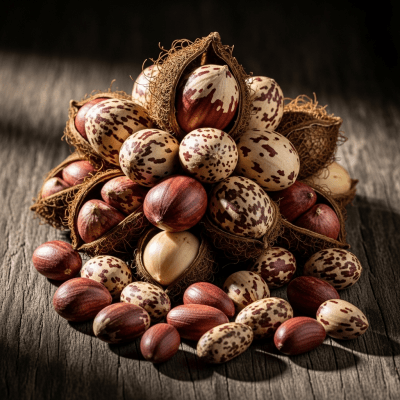
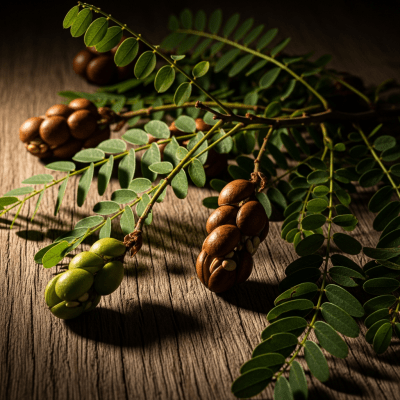
Legumes typically produce fruits known as pods, which encase their seeds. These pods vary widely in size, shape, and color depending on the species. The plants themselves range from herbaceous annuals to woody shrubs and trees. Leaves are often compound and may exhibit a variety of textures and arrangements, while flowers are usually bilateral and can be brightly colored, attracting pollinators.
Behavior or Usage
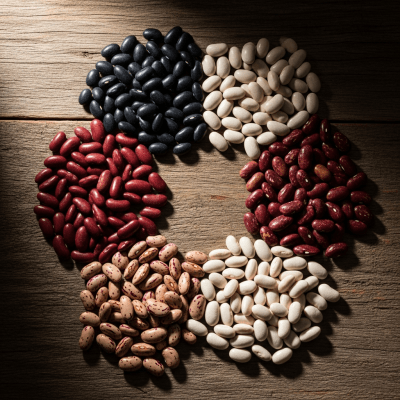
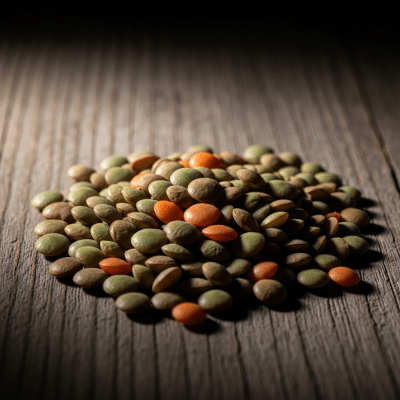
Legumes play a crucial role in agriculture and ecology by fixing nitrogen in the soil, reducing the need for synthetic fertilizers. Humans cultivate them extensively for food—such as beans, lentils, and chickpeas—for forage crops like alfalfa and clover, and for ornamental purposes including wisteria and lupin. Their seeds are valued for high protein content, making them dietary staples worldwide.