Fennel
Fennel is a Mediterranean vegetable prized for its aromatic bulb, feathery fronds, and crisp stems, offering a sweet, anise-like flavor and versatility in savory cuisine.
Fennel is a Mediterranean vegetable prized for its aromatic bulb, feathery fronds, and crisp stems, offering a sweet, anise-like flavor and versatility in savory cuisine.
Originating in the Mediterranean basin, fennel (Foeniculum vulgare) has been cultivated since ancient times, with historical roots in Greece and Rome. Its domestication involved selection from wild fennel for larger, more succulent bulbs, though detailed records of early breeding are lost to history. Modern bulb varieties, such as Florence fennel, reflect centuries of adaptation to regional climates and culinary preferences.
Fennel belongs to the Apiaceae family, sharing botanical ties with carrots, celery, and parsley. Its scientific name is Foeniculum vulgare, and the bulb-forming type is classified as Foeniculum vulgare var. azoricum. In the culinary taxonomy of vegetables, fennel is grouped as a bulb vegetable, valued for its edible stem base and leafy fronds.
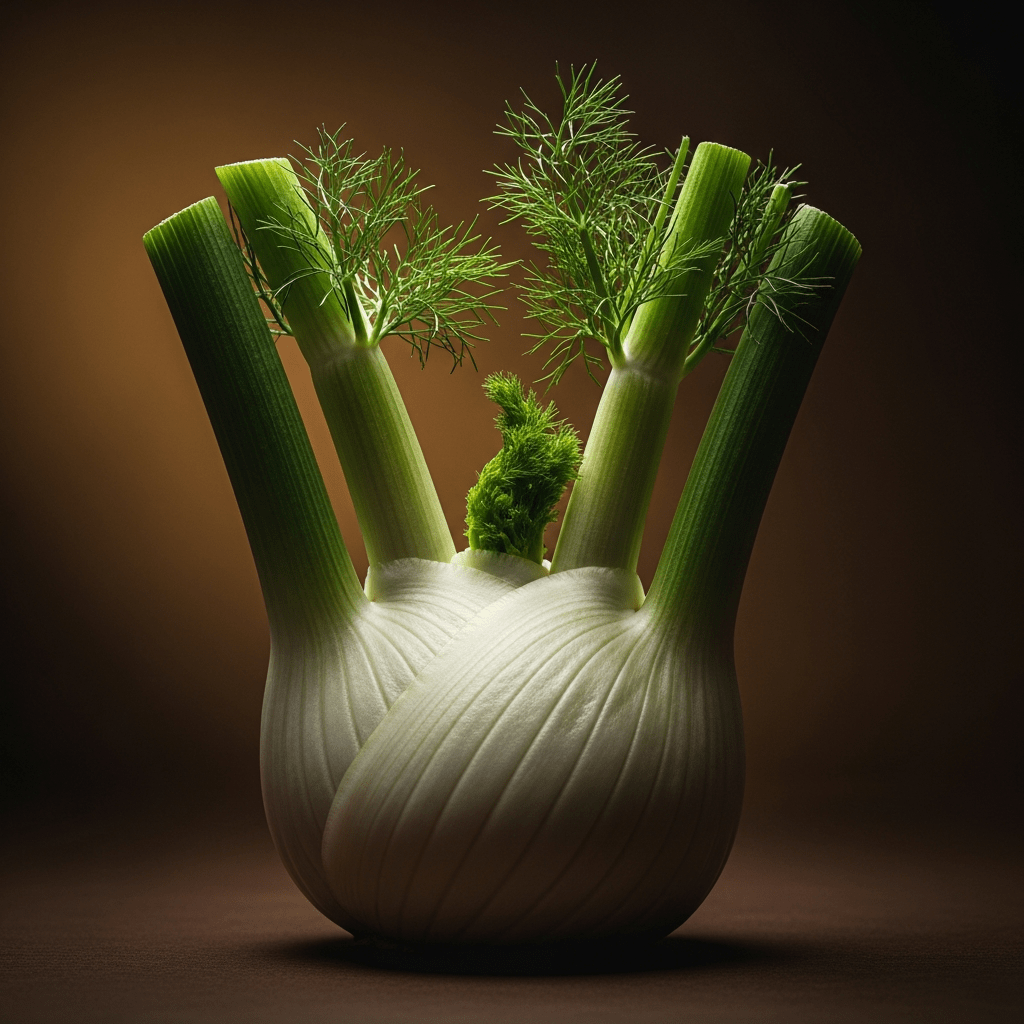
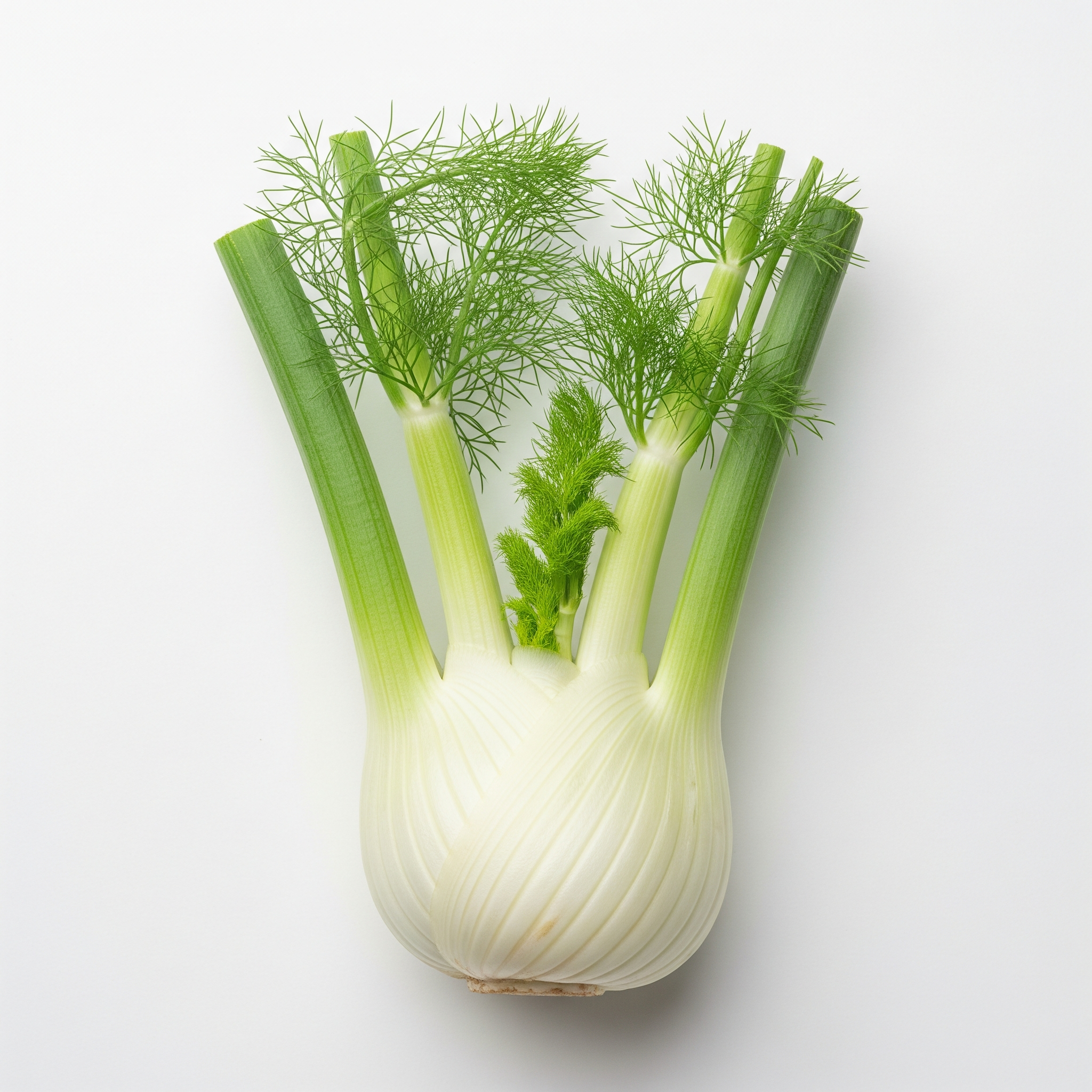
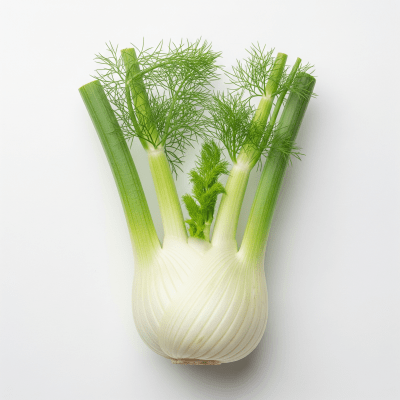
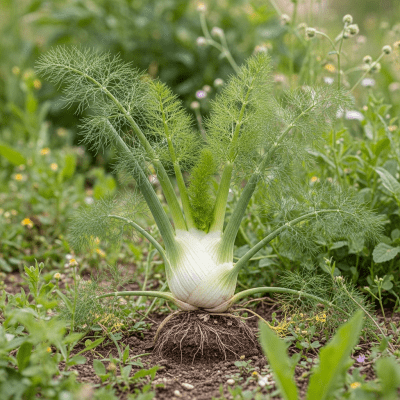
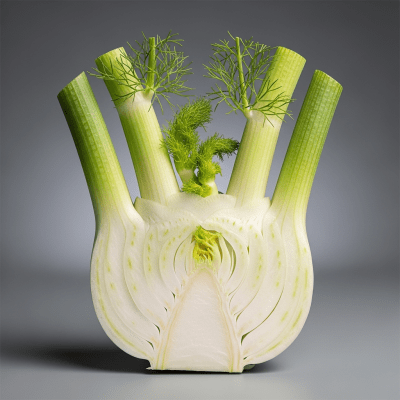
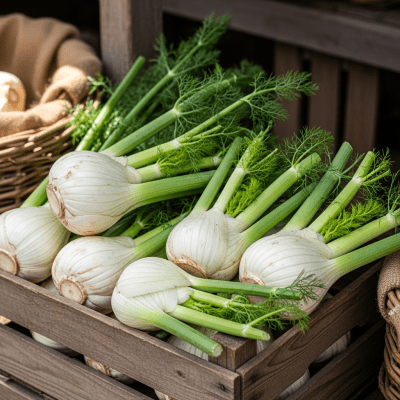
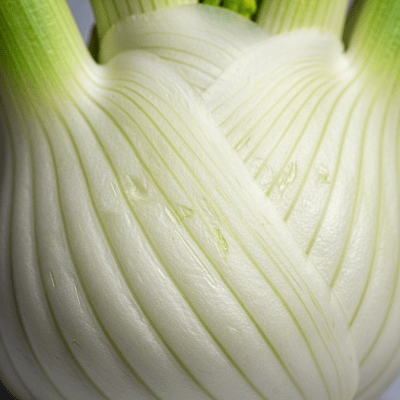
Fennel displays a swollen, layered bulb that ranges from white to pale green, typically 7–15 cm in diameter and weighing up to half a kilogram. Upright, hollow stems rise above the bulb, crowned with delicate, feathery green fronds. The plant can reach heights of 60–150 cm, and its crisp bulb offers a refreshing snap when sliced, while the fronds impart a light, herbal aroma.
All above-ground parts of fennel are edible and widely used: the bulb is enjoyed raw or cooked, stems enrich stocks and stews, and fronds serve as a fresh garnish. Its distinct sweet, licorice-like flavor makes fennel a staple in Mediterranean and European dishes. Fennel’s aromatic oils deter some pests, and its moderate drought tolerance allows for reliable cultivation in temperate climates.
Bring this kind into your world illustrated posters, mugs, and shirts.
Archival print, museum-grade paper
Buy Poster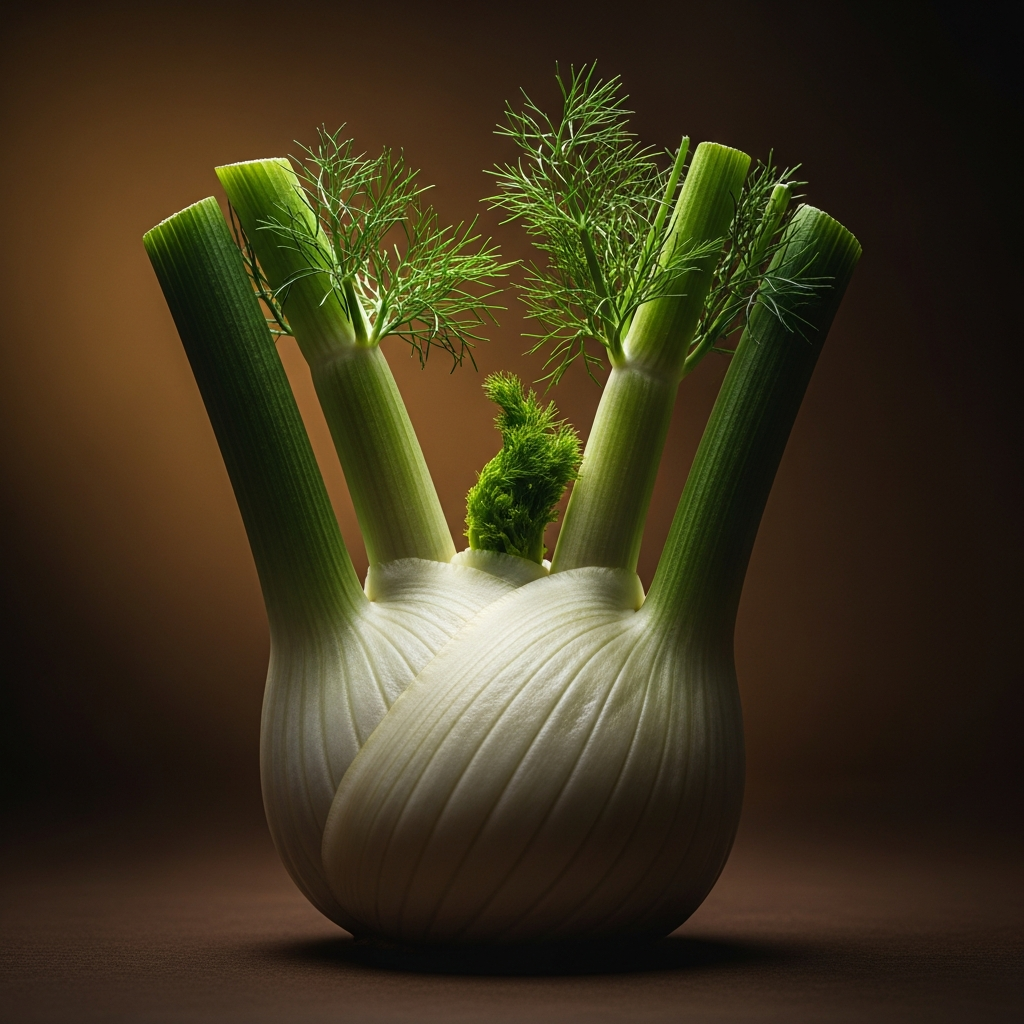
Stoneware mug, dishwasher safe
Buy Mug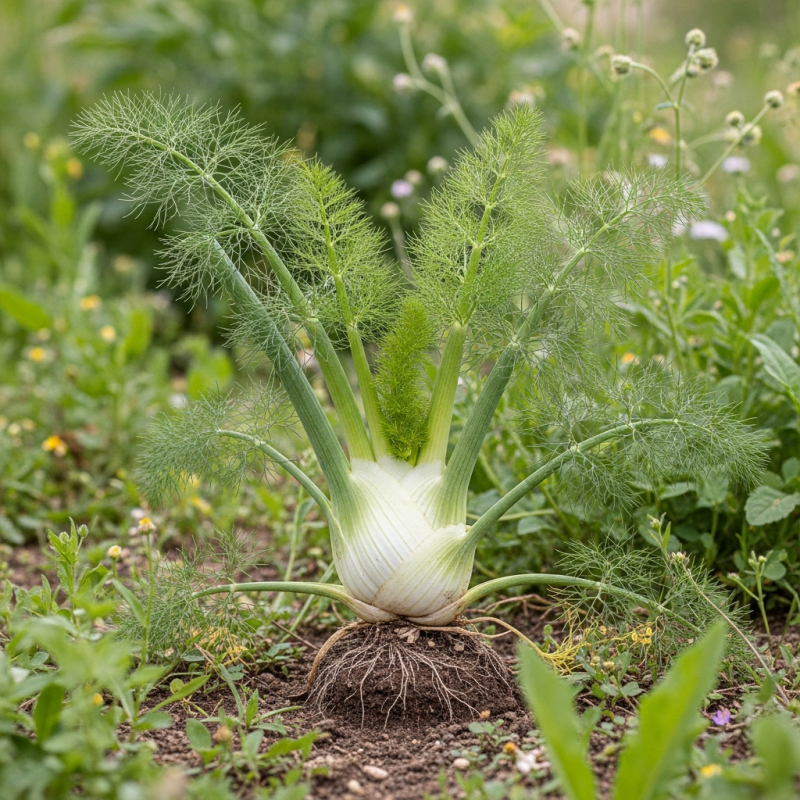
Soft cotton tee, unisex sizes
Buy ShirtFennel has long held a place in culinary and medicinal traditions, symbolizing strength and renewal in ancient Greek and Roman cultures. It appears in classic recipes across Italy, France, and beyond, and is celebrated in art and literature for its elegant form and fragrance. The vegetable’s presence in regional cuisines underscores its enduring cultural value.
Fennel is low in calories and provides a good source of dietary fiber, vitamin C, and potassium. Its phytonutrients contribute antioxidant benefits, making it a healthful addition to a balanced diet.
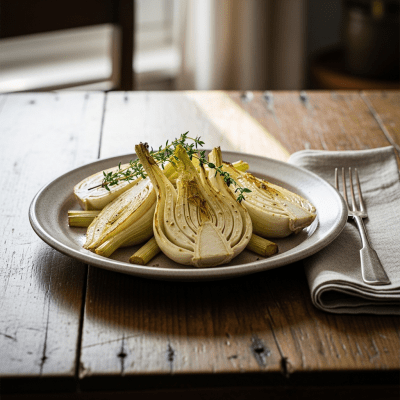
Fennel bulb is enjoyed raw in salads for its crisp texture, or cooked—roasted, braised, or grilled—to enhance its sweetness. Stems are added to stocks and stews for depth of flavor, while fronds are finely chopped as a fresh herb garnish. Fennel’s versatility makes it a favorite in Mediterranean, European, and South Asian cuisines.
Fennel thrives in well-drained, fertile soils and full sun, preferring temperate climates. It is grown as an annual for vegetable production, with commercial yields averaging 20–30 tons per hectare. While moderately drought-tolerant, fennel is sensitive to waterlogging and frost. Bulbs are harvested when swollen and firm, and store for up to two weeks under refrigeration.
Fennel’s aromatic oils offer natural resistance to some pests, but the plant is vulnerable to fungal diseases such as root rot and rust. Careful soil management and crop rotation help mitigate these risks for growers.
Fennel is known as “finocchio” in Italy and “fenouil” in France, reflecting its popularity in regional cuisines. In India, “saunf” refers to fennel seeds, not the vegetable itself. Local cultivars may carry unique names, but the bulb-forming types are widely recognized across Mediterranean and European markets.
Choose fennel bulbs that are firm, unblemished, and pale green to white, with fresh fronds. Store bulbs in the refrigerator, where they keep for 1–2 weeks. To preserve optimal flavor and texture, avoid moisture buildup and use fronds promptly as a garnish or herb.