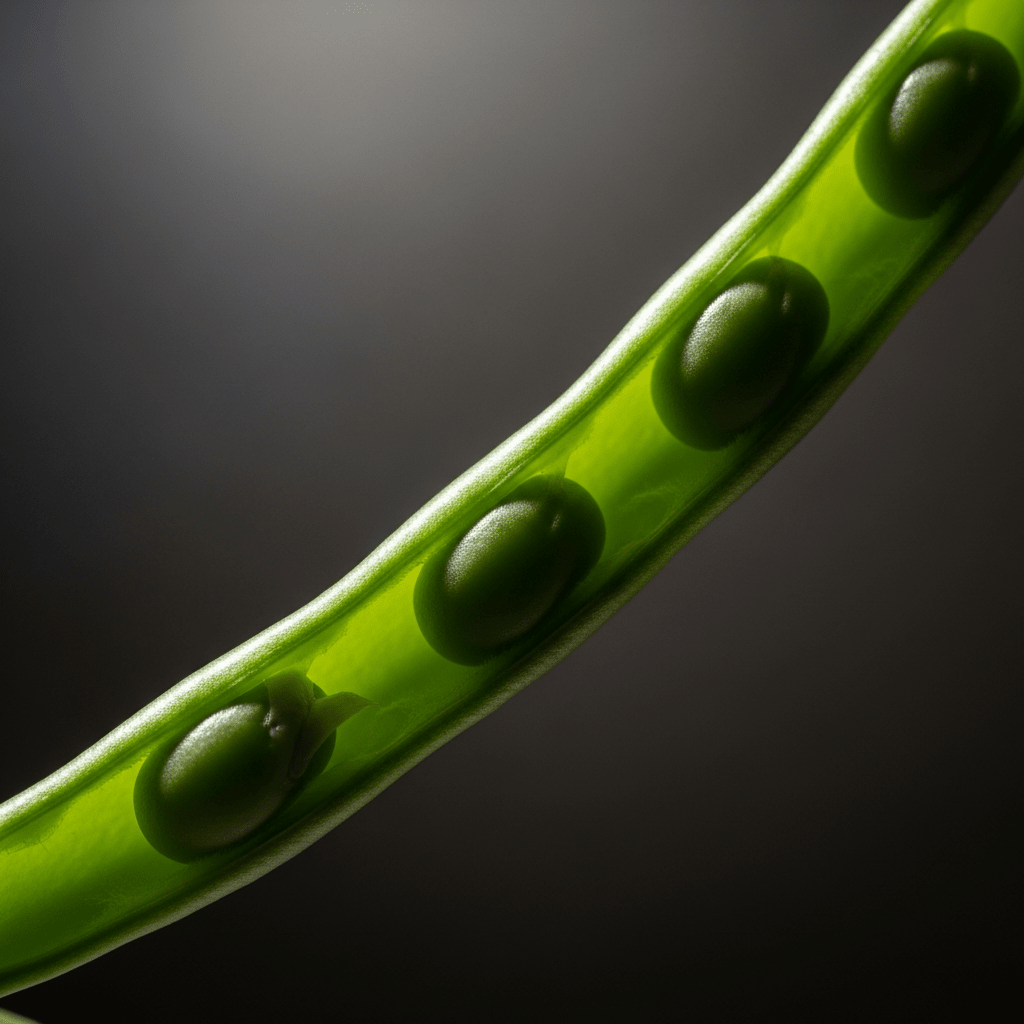
Green Bean
The green bean is an edible, immature pod of Phaseolus vulgaris, prized worldwide for its crisp texture, mild flavor, and versatility in both fresh and processed forms.
The green bean is an edible, immature pod of Phaseolus vulgaris, prized worldwide for its crisp texture, mild flavor, and versatility in both fresh and processed forms.
Green beans trace their origins to Central and South America, where they were domesticated from wild Phaseolus vulgaris over 7,000 years ago. Their cultivation spread globally, with breeding focused on pod tenderness, disease resistance, and improved yields. Today, green beans are grown on every continent and feature prominently in diverse cuisines, reflecting a rich agricultural heritage shaped by centuries of selection and adaptation.
Botanically, green beans belong to the family Fabaceae, genus Phaseolus, species vulgaris. Though classified as legumes, they are distinct in being consumed as immature pods, unlike dry beans. In culinary terms, green beans are grouped as vegetables, specifically within the category of fresh market and processed vegetables. Their classification bridges both botanical and culinary frames, making them a staple in vegetable taxonomies worldwide.
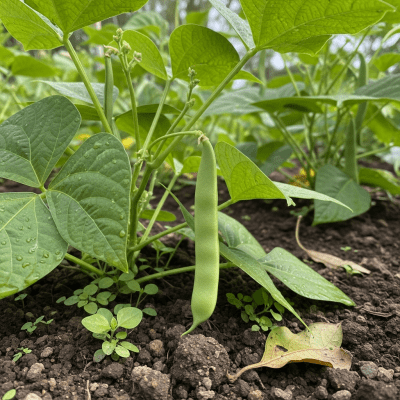
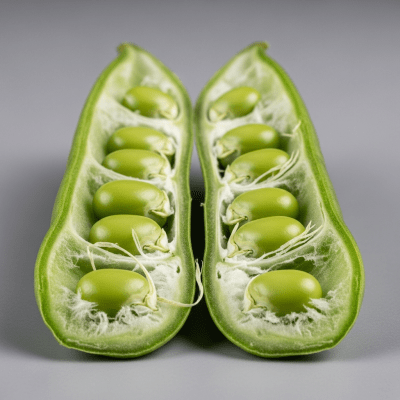
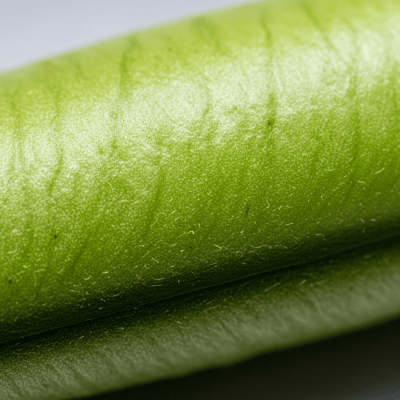
Green beans present as slender, cylindrical to slightly flattened pods, typically 8–20 cm long. Their vibrant green color is most common, though some cultivars display yellow or purple hues. Pods are smooth, crisp, and snap easily when fresh, enclosing small, undeveloped seeds. Plants may be bushy and compact or tall and climbing, with lush green foliage and delicate white or purple flowers preceding pod formation.
Green beans are cultivated as annuals, thriving in well-drained soils and moderate climates. They are harvested before seeds mature, ensuring a tender pod. In the kitchen, green beans are valued for their quick cooking and adaptability—steamed, boiled, stir-fried, or incorporated into salads and casseroles. Their mild flavor and crisp bite make them a favorite in both home and commercial kitchens, while their short storage life encourages prompt use or processing.
Bring this kind into your world illustrated posters, mugs, and shirts.

Archival print, museum-grade paper
Buy Poster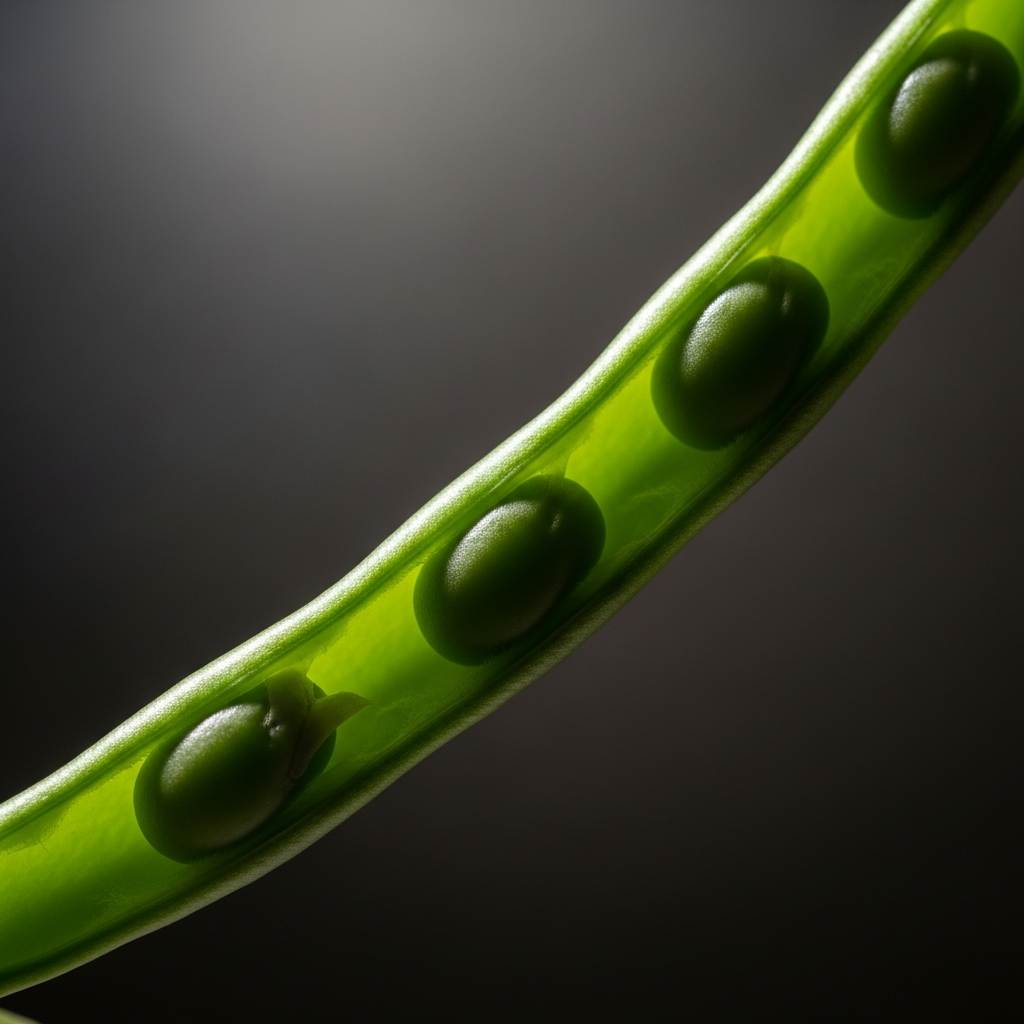
Stoneware mug, dishwasher safe
Buy Mug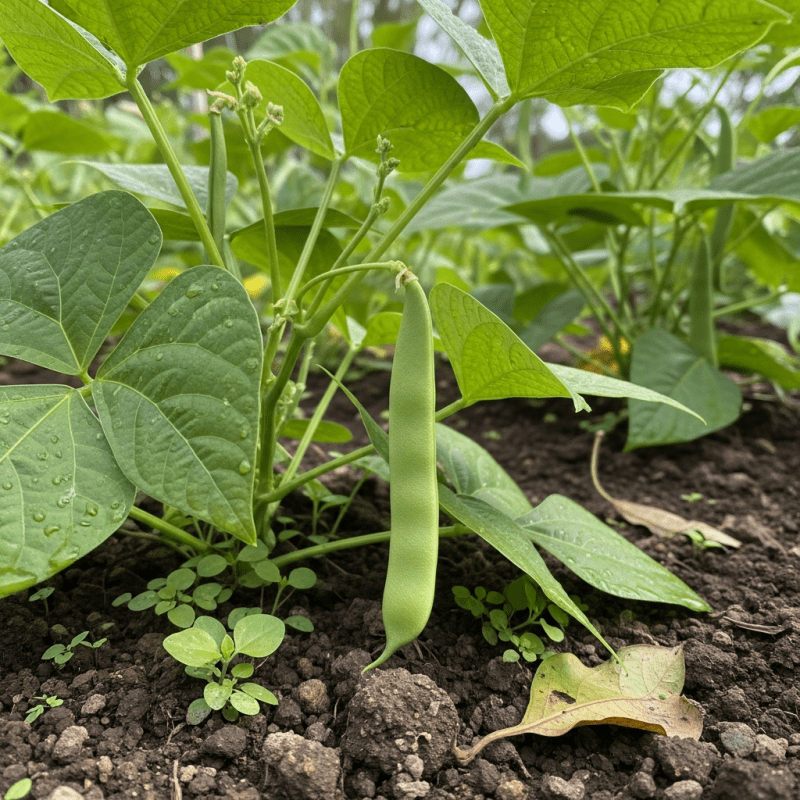
Soft cotton tee, unisex sizes
Buy ShirtGreen beans hold a cherished place in global food culture. They are a staple at holiday tables in North America, notably in classic green bean casseroles. In French cuisine, "haricot vert" denotes slender, tender beans celebrated for elegance and flavor. Across Asia and Africa, green beans appear in stir-fries and stews, symbolizing freshness and abundance. Their presence in art, literature, and tradition underscores their enduring appeal and versatility.
Green beans are low in calories (~31 kcal per 100g) and rich in dietary fiber, vitamins, and minerals. They provide vitamin C, vitamin K, folate, potassium, and magnesium, supporting immune function, bone health, and digestion. Their high water content and minimal fat make them a nutritious addition to balanced diets.
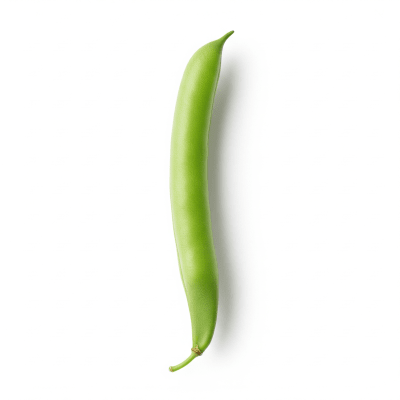
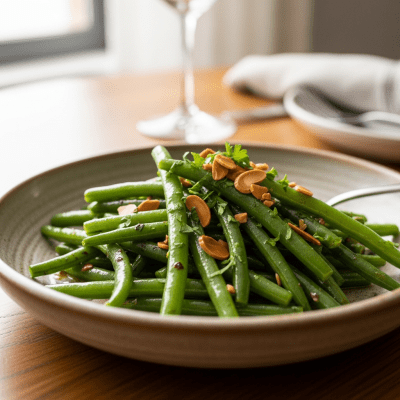
Green beans shine in a variety of dishes: steamed, boiled, or stir-fried as a side, tossed into salads, or baked in casseroles. They are also widely processed—canned or frozen—for convenience and extended shelf life. In global cuisines, green beans complement meats, grains, and other vegetables, adding color, crunch, and subtle flavor.
Green beans are grown as annuals, with bush and pole types suited to different farming practices. They require well-drained, moderately fertile soils and are sensitive to frost. Commercial yields range from 5–10 tons per hectare. Disease resistance, especially to common bean mosaic virus and rust, is a breeding focus, while susceptibility to bacterial blight and root rot remains a challenge. Fresh beans are harvested young for optimal tenderness.
Green beans exhibit tolerance to common bean mosaic virus and rust in select cultivars. However, they are susceptible to bacterial blight and root rot, which can impact yields and quality. Integrated pest management and resistant varieties help mitigate these challenges for growers.
Green beans are known by many names: "snap bean" and "string bean" in North America, "French bean" in the UK, and "haricot vert" in France for slender, tender types. While "runner bean" is botanically distinct (Phaseolus coccineus), it is sometimes grouped with green beans in culinary contexts. Regional preferences shape both naming and culinary use, reflecting local traditions and tastes.
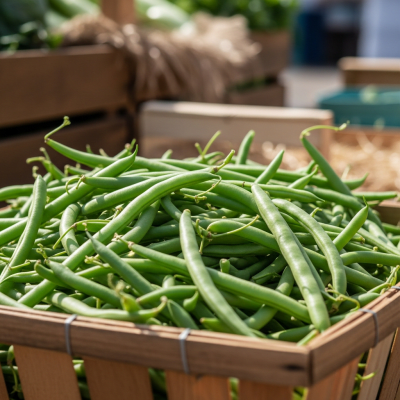
Choose green beans that are firm, brightly colored, and free of blemishes. Store fresh beans in the refrigerator for up to 7–10 days; avoid washing until use to prevent spoilage. For longer preservation, green beans can be blanched and frozen or purchased canned. Prompt use ensures optimal flavor and texture.