Yam
Yam is a starchy, underground tuber vegetable from the genus Dioscorea, widely cultivated and consumed as a staple food across tropical regions of Africa, Asia, the Caribbean, and Oceania.
Yam is a starchy, underground tuber vegetable from the genus Dioscorea, widely cultivated and consumed as a staple food across tropical regions of Africa, Asia, the Caribbean, and Oceania.
Yams originated independently in both Africa and Asia, with evidence of domestication in West Africa dating back to at least 8000 BCE. Indigenous farmers selected and propagated wild Dioscorea species over millennia, resulting in a rich diversity of local varieties. Unlike crops with centralized breeding histories, yam domestication is decentralized and deeply rooted in local tradition, with modern breeding efforts led by institutes such as the International Institute of Tropical Agriculture (IITA) and national agricultural research systems.
Botanically, yams belong to the genus Dioscorea within the family Dioscoreaceae, order Dioscoreales. They are classified as tuber vegetables, distinct from sweet potatoes (Ipomoea batatas) both in scientific and culinary terms. In culinary taxonomy, yams are grouped as starchy root vegetables, and are further categorized by species and local varieties.
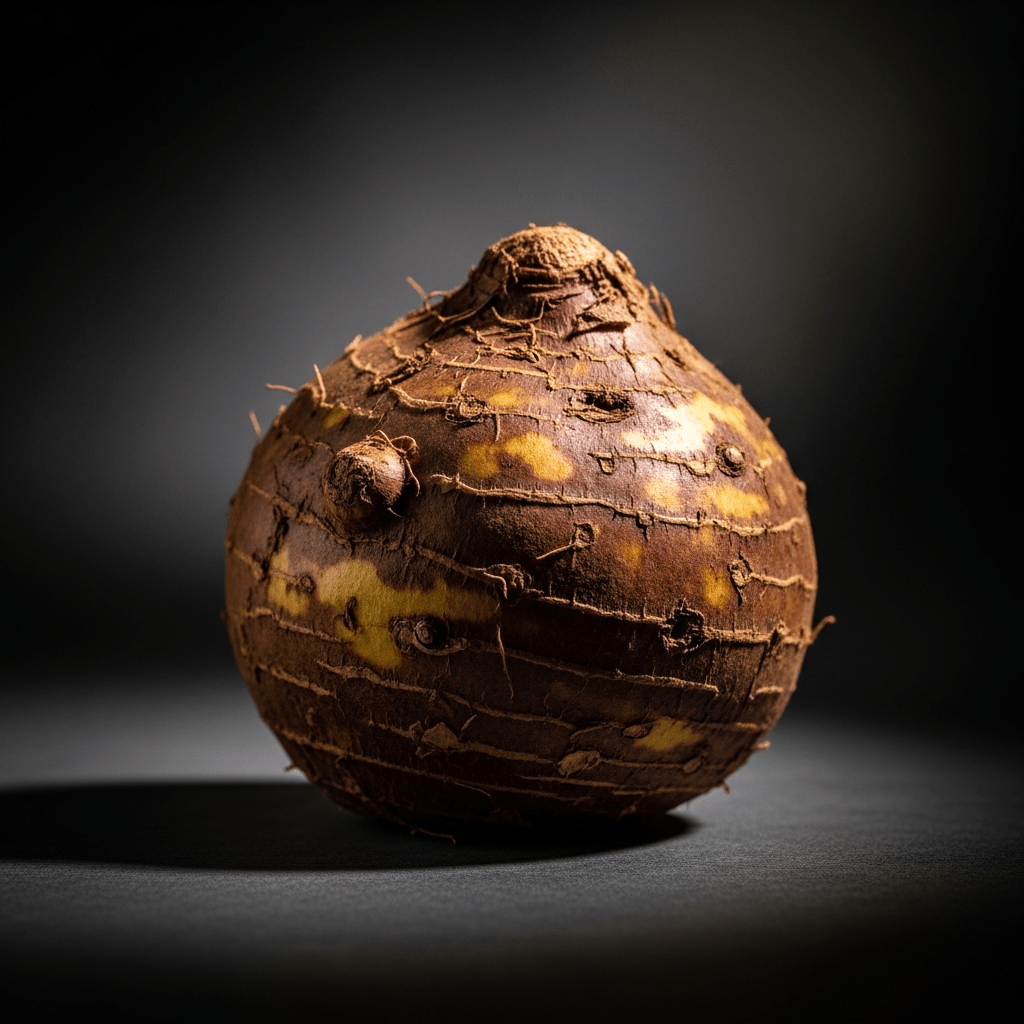
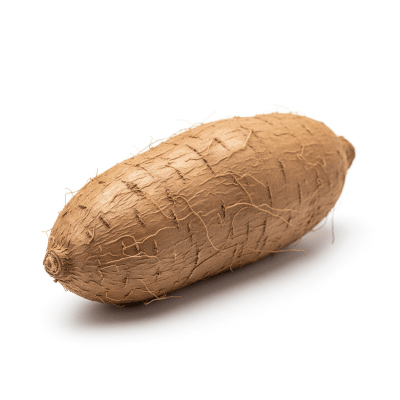
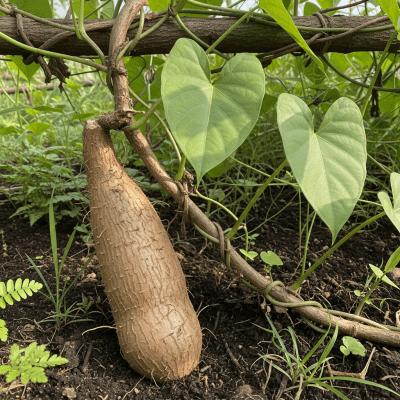
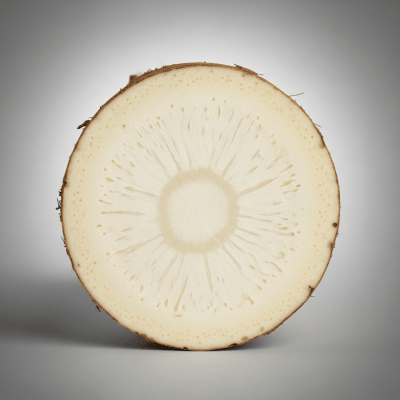
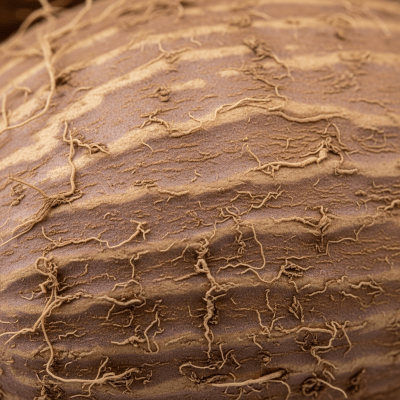
Yams are produced by perennial climbing vines, yielding large underground tubers that can range from 500 grams to over 50 kilograms. The tubers are typically cylindrical or irregular, with rough, brown to dark skin and flesh that may be white, yellow, or purple depending on the species. The plants feature heart-shaped leaves, twining stems, and sometimes aerial bulbils. When cut, the flesh is firm and starchy, with a texture that becomes soft and fluffy when cooked.
Yams are primarily used as a staple food, providing essential carbohydrates and energy. They are boiled, roasted, fried, or pounded into dough-like dishes, especially in West African cuisine. Yams are also processed into flour, chips, and other forms for extended storage and diverse culinary uses. Their resilience to drought and ability to be stored for months make them vital for food security in tropical climates.
Bring this kind into your world illustrated posters, mugs, and shirts.
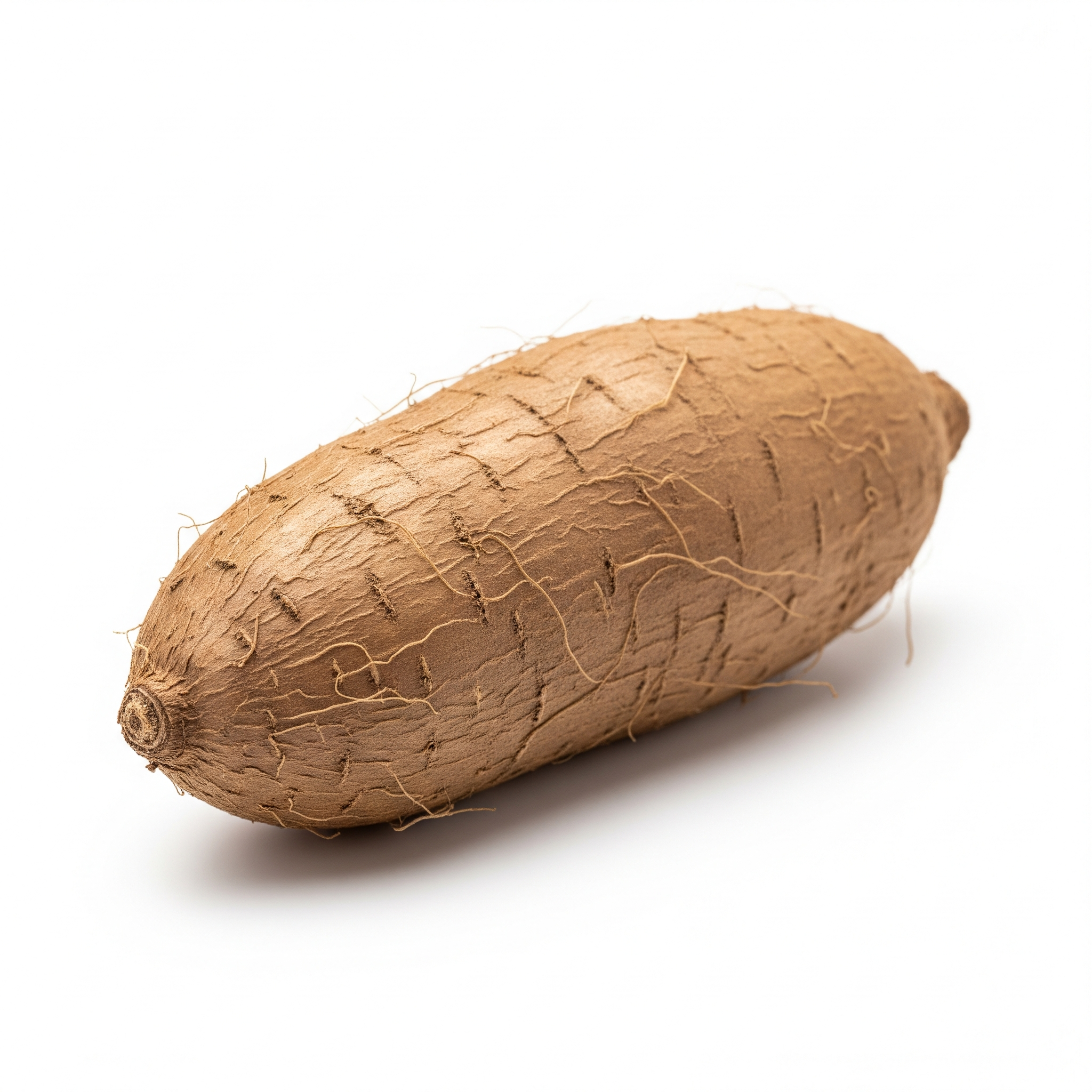
Archival print, museum-grade paper
Buy Poster
Stoneware mug, dishwasher safe
Buy Mug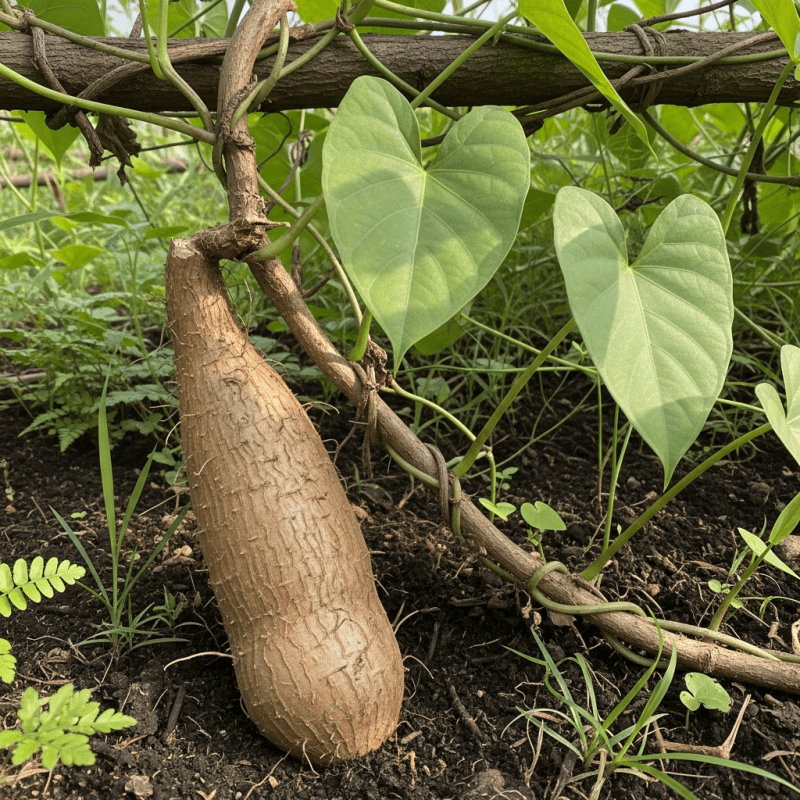
Soft cotton tee, unisex sizes
Buy ShirtYams hold profound cultural importance in many societies. In West Africa, the yam is celebrated during annual festivals that mark the harvest and symbolize prosperity and community. Pounded yam is a central dish in ceremonies and daily meals. In the Caribbean and Pacific islands, yams are integral to traditional feasts and rituals. The vegetable also features in folklore, proverbs, and art, representing sustenance and abundance.
Yams are a major source of carbohydrates and dietary fiber, providing energy and supporting digestive health. They contain potassium, vitamin C, and B vitamins, making them valuable for balanced nutrition. Their starchy content makes them a vital staple in regions where food security is a concern.

Yams are versatile in the kitchen: they are boiled, roasted, fried, or pounded into dough for dishes like pounded yam in West Africa. In the Caribbean and Pacific, yams are used in soups, stews, and ceremonial meals. They can also be dried and ground into flour or sliced into chips, offering a range of textures and flavors distinct from sweet potatoes.
Yams thrive in warm, humid climates with well-drained soils. They are grown from tuber pieces called "setts" and require 8–12 months to mature. Yields can reach 10–30 tonnes per hectare under optimal conditions. White yam species can be stored for up to six months, while others are more perishable. Grading in markets is based on tuber size, skin integrity, and absence of disease. Yams are tolerant to drought but susceptible to nematodes, viruses, and fungal diseases.
Yams display tolerance to drought and some pests, but are vulnerable to nematodes, yam mosaic virus, anthracnose, and tuber rots. Effective management includes crop rotation, selection of healthy setts, and careful storage to minimize losses from disease and spoilage.
Yams are known by many names worldwide, including "igname" in French-speaking Africa and "ñame" in Spanish-speaking regions. Hundreds of local cultivars exist, each adapted to specific climates and cultural preferences. In the United States, "yam" is often used to refer to sweet potatoes, but true yams are botanically distinct and less commonly found in North American markets.
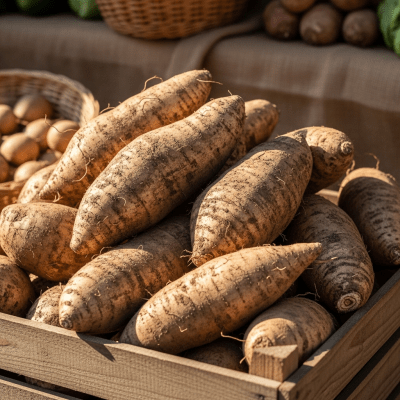
When selecting yams, look for firm, unblemished tubers with intact skin. Store white yams in a cool, dry, well-ventilated place, where they can last up to six months. Other species are more perishable and should be used promptly. Avoid refrigeration, as it can cause chilling injury. For longer preservation, yams can be dried or processed into flour and chips.