Sweet Corn
Sweet corn is a beloved vegetable distinguished by its plump, sweet kernels, harvested while tender and enjoyed fresh, canned, or frozen in cuisines around the world.
Sweet corn is a beloved vegetable distinguished by its plump, sweet kernels, harvested while tender and enjoyed fresh, canned, or frozen in cuisines around the world.
Sweet corn originated as a natural mutant of field corn in the Americas, with its earliest documentation traced to the Iroquois people in the northeastern United States during the 18th century. The 'Papoon' variety was among the first recorded, and over time, selective breeding enhanced its sweetness and tenderness. Modern cultivars owe much to agricultural research in the US and Europe, with landmark varieties such as 'Golden Bantam' (introduced in 1902) and 'Silver Queen' shaping its popularity and flavor profile.
Though botanically a grain (Zea mays var. saccharata) within the grass family Poaceae, sweet corn is classified as a vegetable in culinary traditions due to its immature, soft kernels and savory uses. It belongs to the genus Zea and species mays, with 'saccharata' denoting its sweet variety. In culinary taxonomy, sweet corn is grouped among seed and fruit vegetables, distinct from field corn and other maize types.
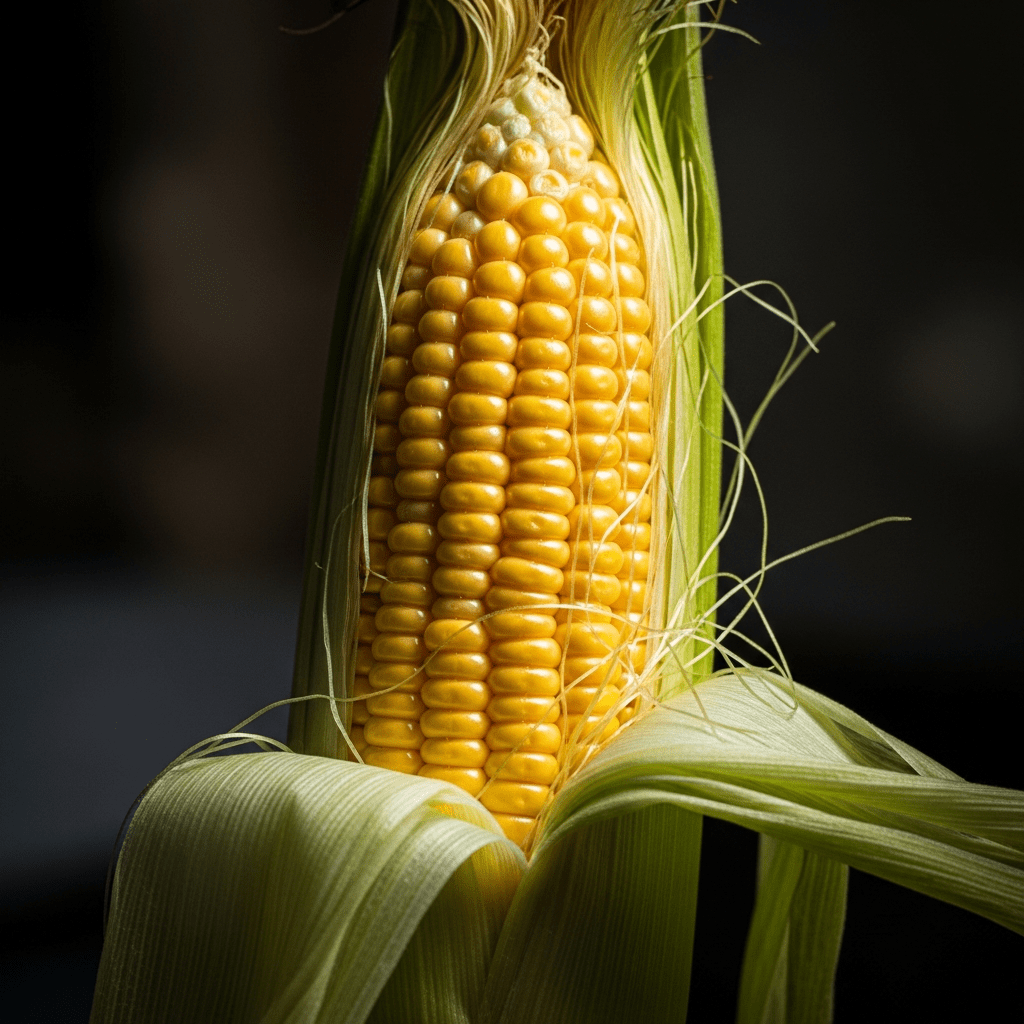
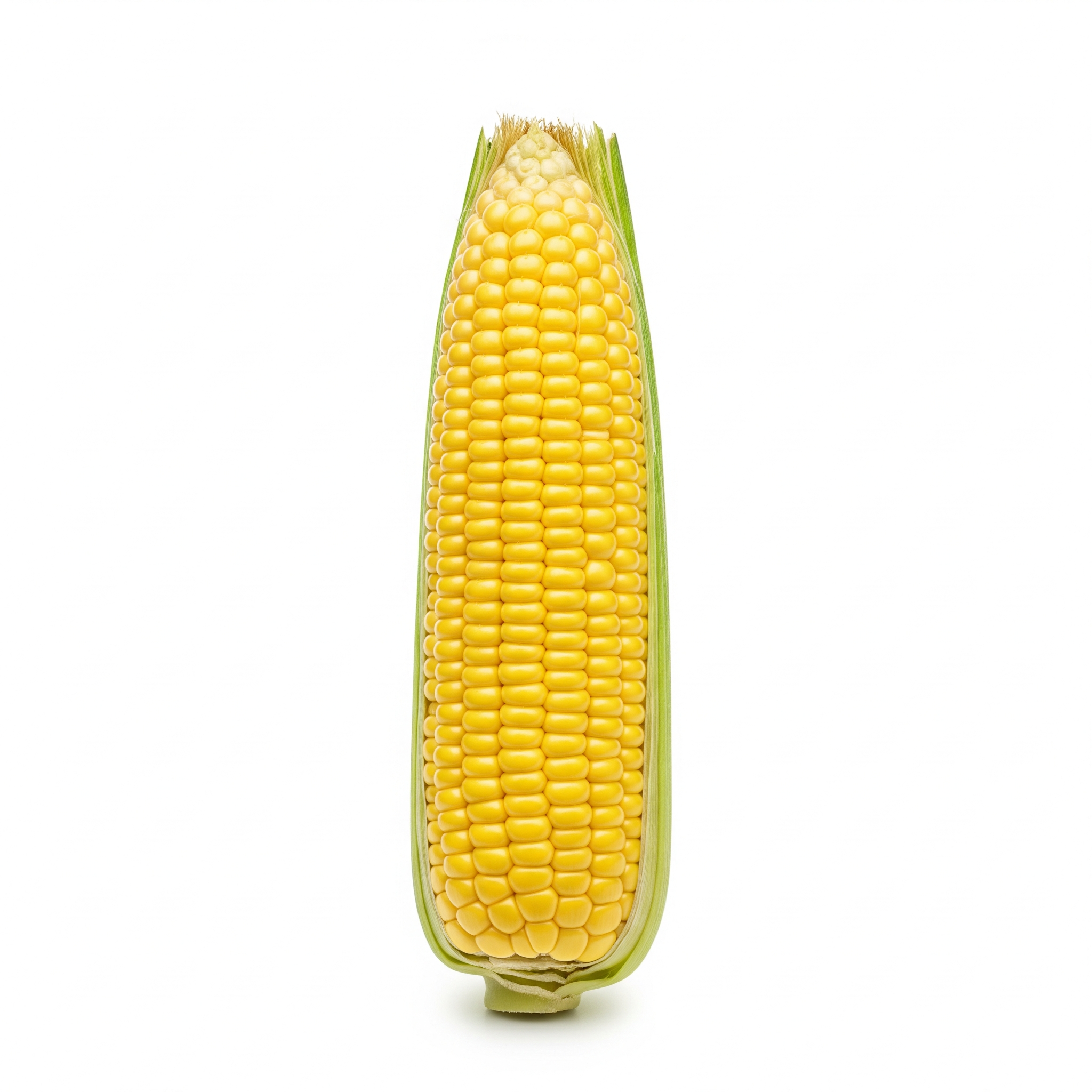
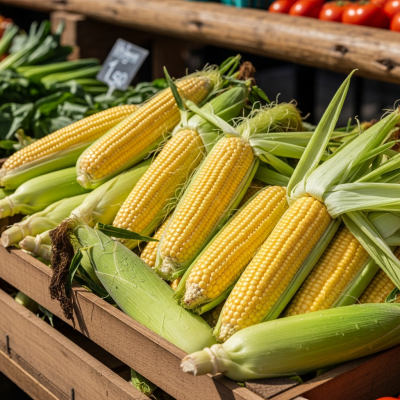
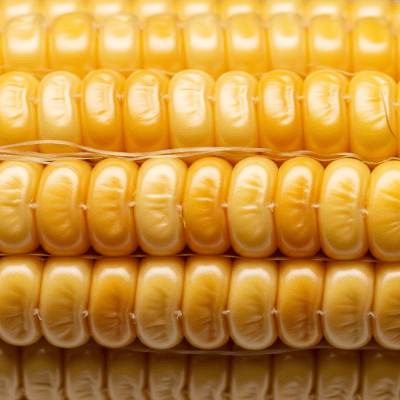
Sweet corn plants are tall and upright, typically reaching 1.5–2.5 meters, with long, narrow leaves. The edible part is the ear, harvested in the milk stage when kernels are plump, juicy, and sweet. Kernels may be yellow, white, or bicolored, depending on the cultivar, and are arranged in neat rows along the cob. The husk envelops the ear, providing a crisp, green exterior until peeled back to reveal the vibrant kernels within.
Sweet corn is harvested at peak sweetness and consumed as a vegetable, either on the cob, as loose kernels, or processed into canned and frozen products. Its rapid sugar-to-starch conversion after harvest means it is best enjoyed fresh or quickly preserved. Sweet corn is a staple in summer meals, frequently grilled, boiled, or added to salads, soups, and salsas. Its versatility extends to traditional dishes worldwide, and it is valued both for its flavor and nutritional contribution.
Bring this kind into your world illustrated posters, mugs, and shirts.
Archival print, museum-grade paper
Buy Poster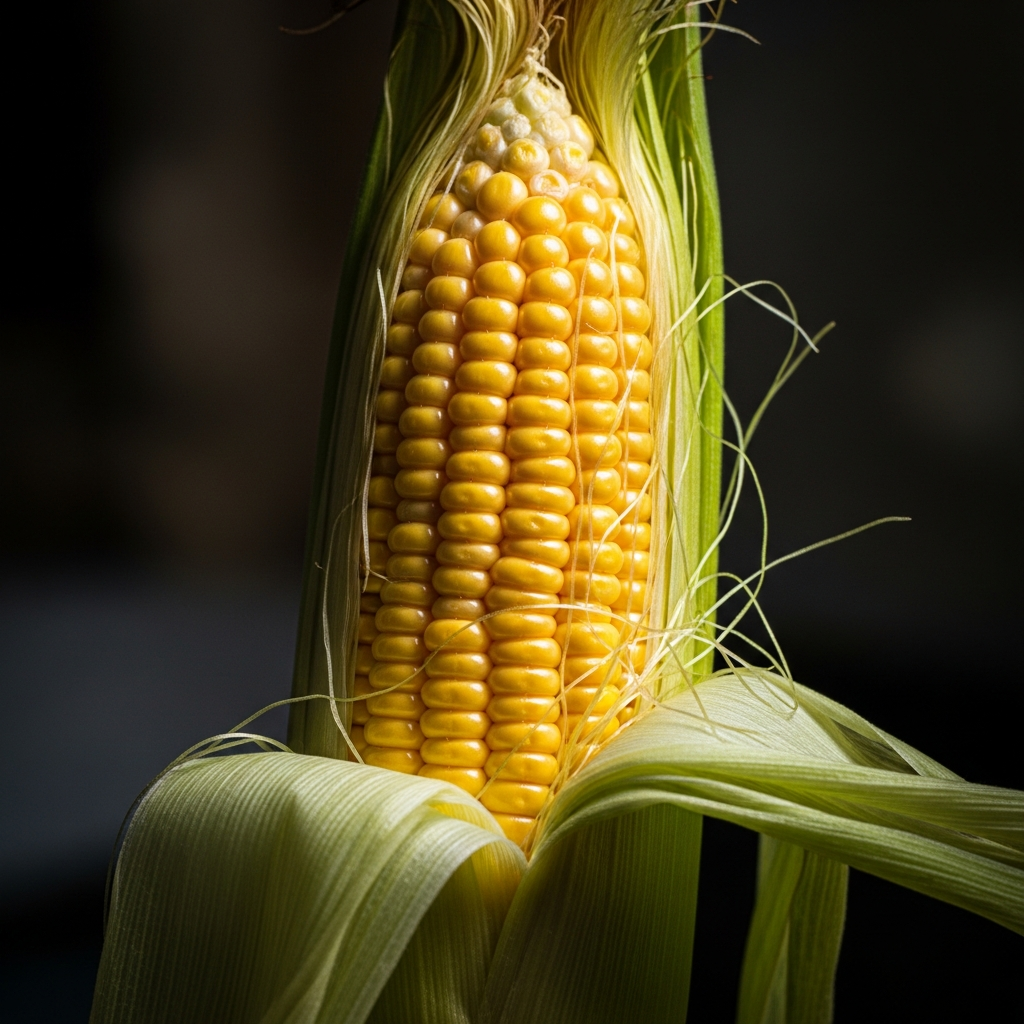
Stoneware mug, dishwasher safe
Buy Mug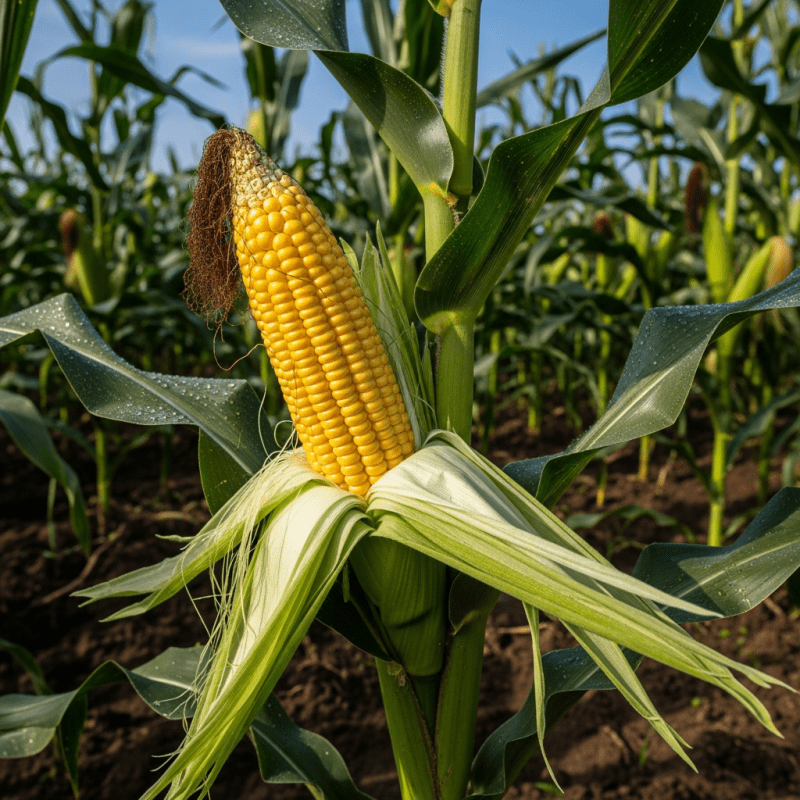
Soft cotton tee, unisex sizes
Buy ShirtSweet corn holds a cherished place in North American cuisine, symbolizing summer gatherings and harvest festivals. It features in folklore and agricultural fairs, and is integral to dishes such as succotash and corn chowder. Globally, sweet corn appears in street foods, holiday feasts, and regional specialties, reflecting its adaptability and universal appeal. Its cultivation and consumption are woven into the agricultural heritage of many cultures, from the Americas to Asia and Africa.
Sweet corn is high in carbohydrates, primarily sugars when fresh, and provides moderate dietary fiber. It is a source of vitamin C, B vitamins, and essential minerals, while being naturally low in fat. Its nutritional profile makes it a wholesome side dish and a staple in many diets, offering both energy and micronutrients.
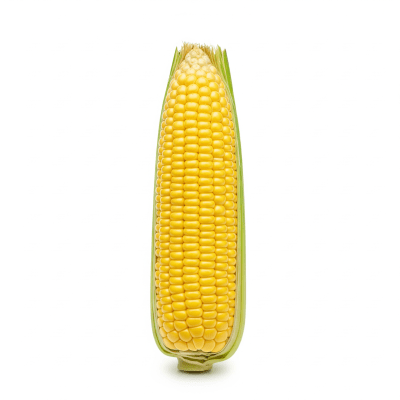
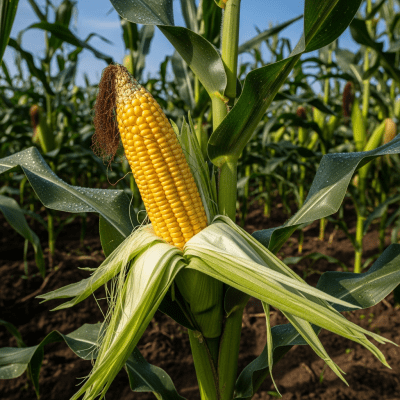
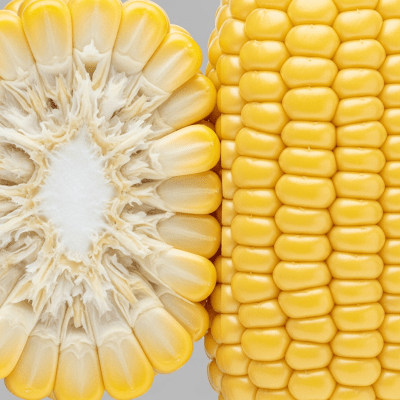
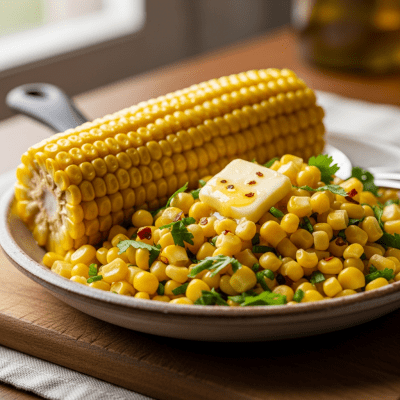
Sweet corn is enjoyed in a variety of preparations: boiled or grilled on the cob, cut into kernels for salads, soups, and salsas, or processed into canned, frozen, and creamed products. It is a key ingredient in summer barbecues, comfort foods like chowders, and traditional dishes worldwide. Its sweet flavor and tender texture make it a versatile addition to both savory and sweet recipes.
Sweet corn thrives in warm climates and well-drained soils, requiring full sun and consistent moisture for optimal growth. Plants are typically sown in spring, with harvest occurring when kernels reach the milk stage. Yields range from 6 to 12 metric tons per hectare, varying by cultivar and farming practices. Rapid post-harvest sugar loss necessitates prompt refrigeration. Modern hybrids may offer resistance to certain diseases, aiding growers in maintaining crop quality.
Sweet corn is susceptible to pests such as corn earworm (Helicoverpa zea) and diseases like common rust (Puccinia sorghi). Modern hybrids may carry resistance to certain pathogens, but vigilant crop management is essential. Rapid sugar loss after harvest also presents a challenge for maintaining quality.
In the United Kingdom and Commonwealth countries, sweet corn is commonly referred to as "sweetcorn." The term "Indian corn" may denote other maize types in North America, while "maize" is used for field corn in many regions. Sweet corn's popularity and naming conventions vary globally, reflecting local culinary traditions and agricultural practices.
For best quality, select sweet corn with bright green husks, moist silk, and plump kernels. Consume or refrigerate promptly after harvest to preserve sweetness, as sugars quickly convert to starch. For longer storage, sweet corn can be frozen or canned. Avoid ears with dry husks or shriveled kernels, as these indicate age and diminished flavor.