Mustard Greens
Mustard greens are leafy vegetables from the Brassica genus, celebrated for their peppery flavor, vibrant nutrition, and global culinary appeal.
Mustard greens are leafy vegetables from the Brassica genus, celebrated for their peppery flavor, vibrant nutrition, and global culinary appeal.
Mustard greens trace their roots to the Himalayan region of India, where they were first domesticated over 3,000 years ago. Their cultivation spread across Asia, Africa, Europe, and North America through centuries of adaptation and selection by diverse cultures. Today, ongoing breeding and research in China, India, and the United States continue to shape new varieties, but the original domestication remains a collective achievement rather than the work of a single breeder or institution.
Botanically, mustard greens belong to the genus Brassica, with Brassica juncea (Indian mustard) as the primary species. They are part of the Brassicaceae family, which also includes cabbage, kale, and broccoli. In culinary terms, mustard greens are classified as leafy vegetables, prized for their edible leaves and versatility in savory dishes. Regional naming conventions may also group related species such as Brassica rapa and Brassica nigra under the mustard greens umbrella.
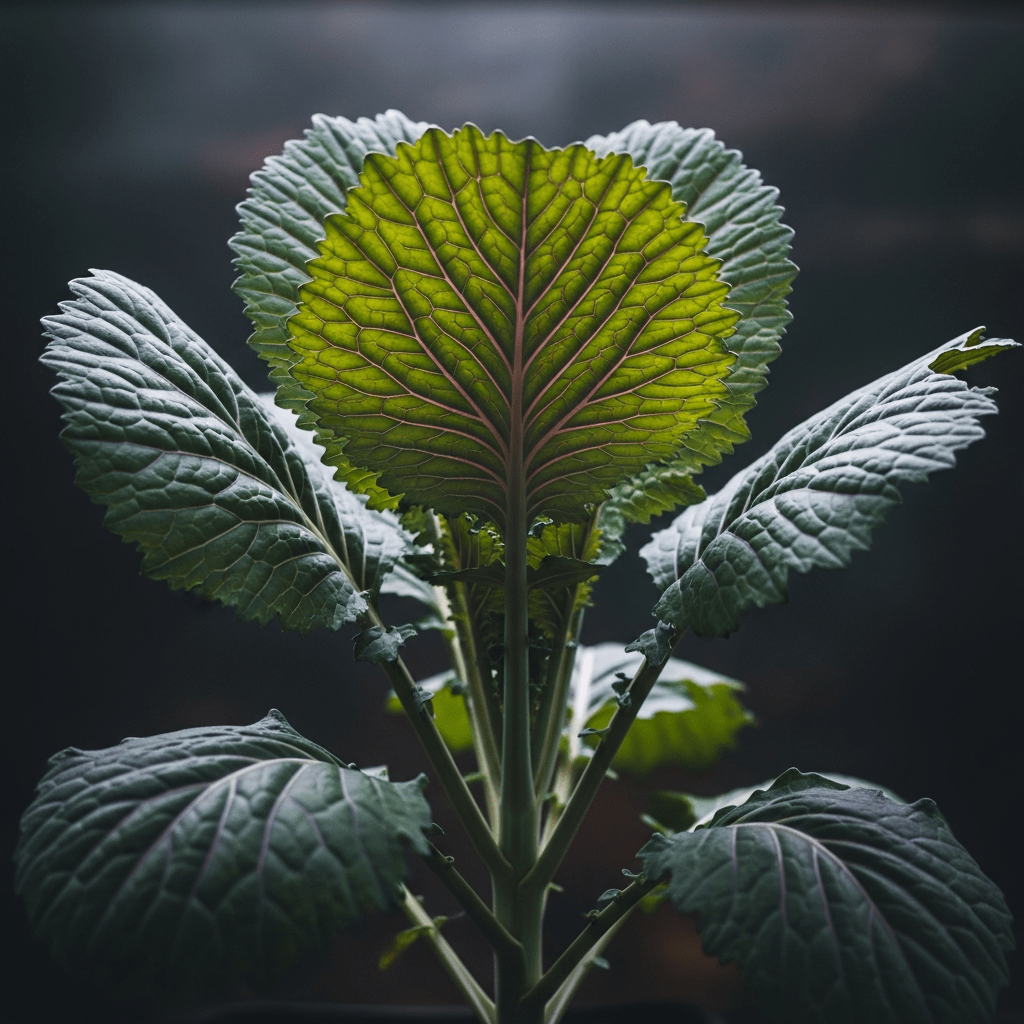
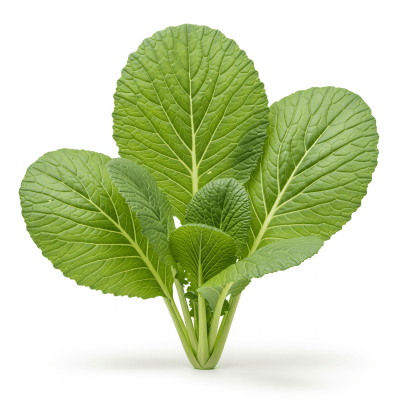
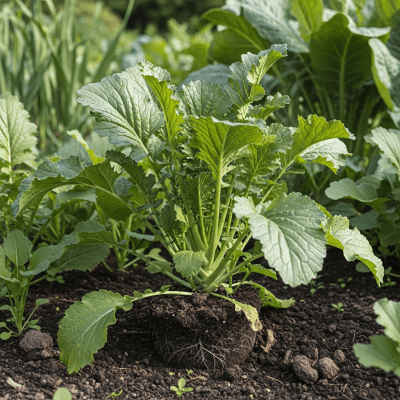
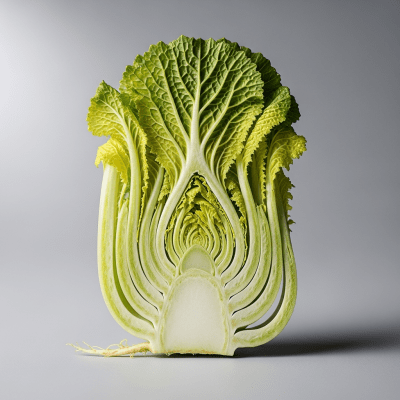
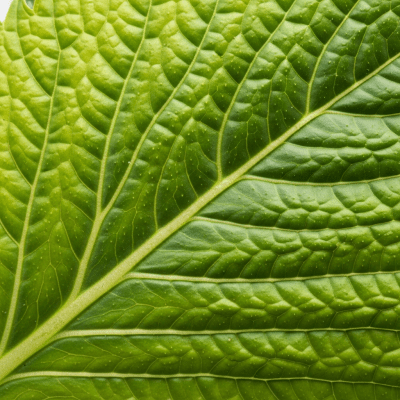
Mustard greens present as annual herbaceous plants with broad, lobed, or frilled leaves. Depending on the variety, leaves may be curly, flat, or tinged with red or purple hues. Leaf sizes range from 10 to 30 centimeters, and mature plants stand 30 to 60 centimeters tall. Their crisp texture and vibrant green color, sometimes accented by reddish tones, make them visually distinctive among leafy vegetables.
Mustard greens are valued for both their culinary and agricultural utility. In the kitchen, their pungent, peppery taste adds character to salads, stir-fries, soups, and pickles. Agriculturally, they serve as cover crops, improving soil health and managing pests. Their rapid growth and tolerance for cool temperatures make them a reliable choice for spring and autumn harvests, while their short storage life encourages consumption soon after picking.
Bring this kind into your world illustrated posters, mugs, and shirts.
Archival print, museum-grade paper
Buy Poster
Stoneware mug, dishwasher safe
Buy Mug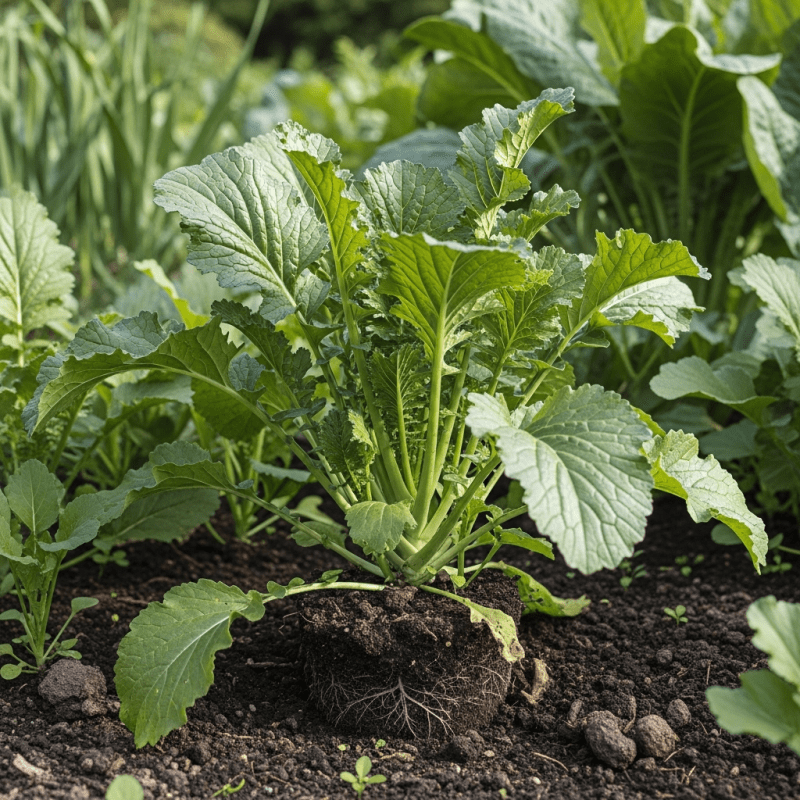
Soft cotton tee, unisex sizes
Buy ShirtAcross continents, mustard greens hold a cherished place in traditional cuisines and food culture. In India, they star in sarson ka saag, a beloved Punjabi dish. Chinese culinary traditions feature pickled mustard greens in dishes like xuelihong and zha cai. In the Southern United States, they are often simmered with smoked meats, reflecting African-American heritage. Their presence in diverse foodways underscores their adaptability and enduring popularity.
Mustard greens are a nutritional powerhouse. Per 100 grams, they provide approximately 27 kcal, 2.9g protein, 0.4g fat, 4.7g carbohydrates, and 3.2g fiber. They are especially rich in vitamin K (257% daily value), vitamin A (35% DV), and vitamin C (70% DV), alongside folate, calcium, and potent antioxidants. These nutrients support bone health, immune function, and overall wellness.
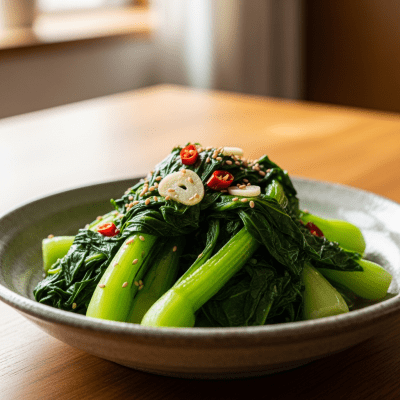

Mustard greens shine in a variety of culinary contexts. They are enjoyed raw in salads for their spicy bite, cooked in stir-fries and soups, or pickled for tangy side dishes. In Indian cuisine, they are the star of sarson ka saag, while Chinese dishes often feature them pickled or braised. In the Southern United States, they are traditionally simmered with smoked meats. Their versatility makes them a staple in kitchens around the world.
Mustard greens thrive in cool seasons, making spring and autumn ideal for cultivation. They grow rapidly—ready for harvest in 30–45 days—and tolerate mild frost. Optimal yields range from 10 to 25 tons per hectare under good conditions. While moderately resistant to aphids and flea beetles, they are susceptible to downy mildew and white rust. For best results, sow in well-drained soil and harvest promptly to preserve freshness.
Mustard greens encompass several morphological types, including curly-leaf, flat-leaf, and red-leaf varieties. While specific cultivar names are not widely standardized, regional favorites such as gai choy (Chinese mustard), xuelihong (Mandarin), and sarson (Indian mustard) reflect local preferences and adaptations. Ongoing breeding efforts continue to introduce new cultivars tailored to climate and culinary use.
Growers of mustard greens contend with moderate resistance to aphids and flea beetles but must watch for downy mildew and white rust, which can affect crop health. Integrated pest management and timely harvest are key strategies for minimizing losses and maintaining quality.
Regional naming and use of mustard greens vary widely. In China, varieties like xuelihong and gai choy are popular, often pickled or stir-fried. In India, sarson is a staple in northern cuisine. African and Southern US traditions favor cooked preparations, while Japanese cuisine sometimes includes related greens like mizuna under the mustard greens umbrella. These variations reflect local tastes, cultivars, and culinary heritage.
For optimal quality, select mustard greens with crisp, vibrant leaves free from yellowing or wilting. Store them in the refrigerator, ideally wrapped in a damp cloth or within a perforated bag to retain moisture. Due to their short shelf life, consume fresh or use in pickled preparations soon after purchase. Avoid prolonged storage, as leaves wilt quickly and lose flavor.