Cabbage
Cabbage is a leafy vegetable from the Brassicaceae family, prized worldwide for its dense, layered heads and versatility in both raw and cooked dishes.
Cabbage is a leafy vegetable from the Brassicaceae family, prized worldwide for its dense, layered heads and versatility in both raw and cooked dishes.
Cabbage traces its roots to the Mediterranean region of Europe, where it was first domesticated from wild Brassica oleracea populations over 3,000 years ago. Through centuries of careful selection for compact, head-forming traits, cabbage evolved into the familiar vegetable we know today. While the original breeder remains unknown, the crop has benefited from ongoing improvements by European, Asian, and North American agricultural institutions, resulting in a rich diversity of cultivars adapted to climates around the globe.
Cabbage belongs to the Brassicaceae family, sharing its botanical lineage with vegetables like broccoli, kale, and Brussels sprouts. Its scientific name is Brassica oleracea var. capitata, placing it within a species renowned for its edible, leafy forms. In culinary terms, cabbage is classified as a leafy vegetable, and it is further grouped by head type (smooth, red, or savoy) and use (fresh, processed, or fermented). This dual botanical and culinary classification reflects cabbage’s importance in both scientific and everyday contexts.
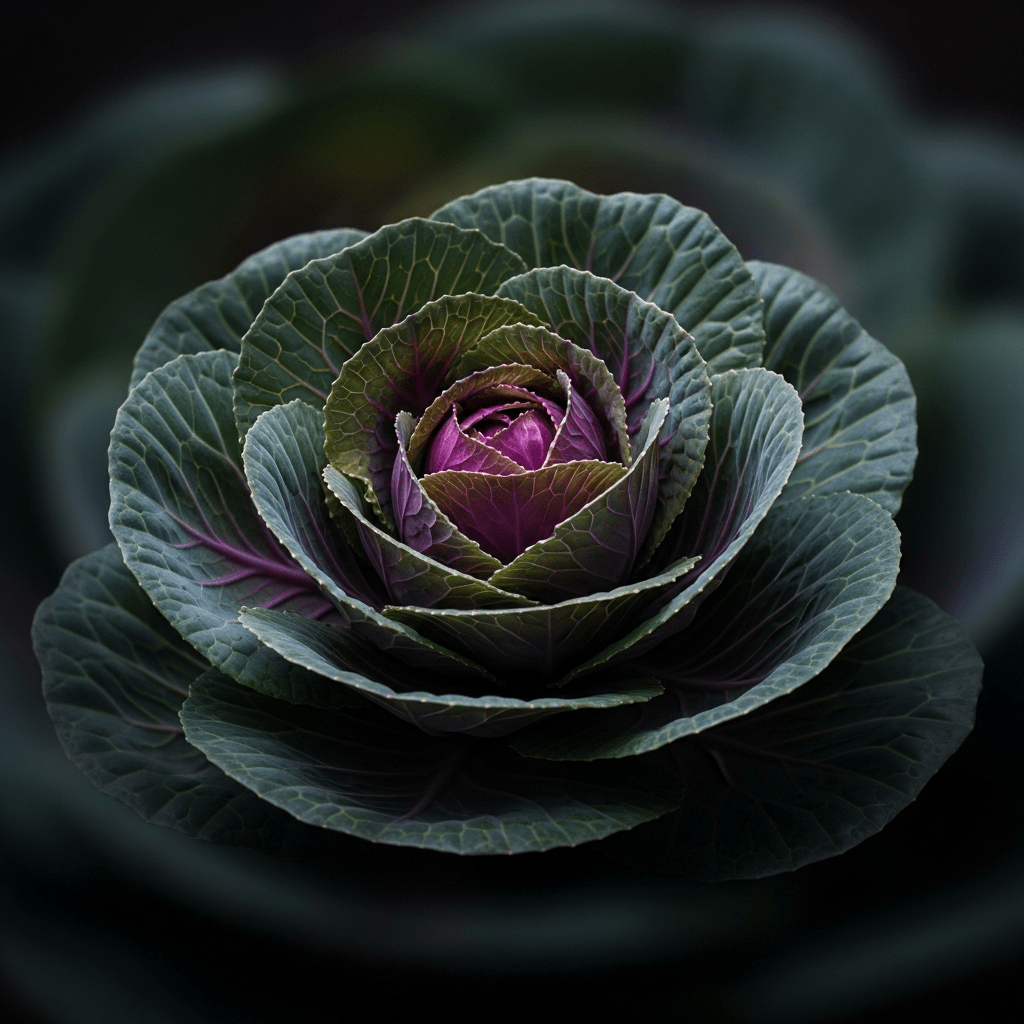
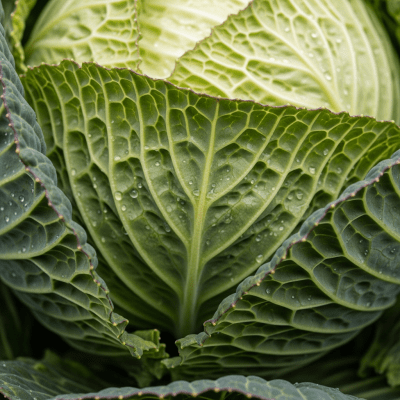
Cabbage forms a tight, spherical or slightly flattened head made up of overlapping leaves. Most commonly, the leaves are smooth and green, but red/purple and savoy (crinkled) varieties are also widely grown. Heads can range in size from half a kilogram to four kilograms, depending on the cultivar and growing conditions. The plant’s short stem and dense, layered structure give it a satisfying heft and crisp texture, while the outer leaves may be waxy or slightly glossy to the touch.
Cabbage is remarkably versatile in the kitchen and beyond. It can be eaten raw in salads and slaws, cooked in soups, stir-fries, or stews, or transformed through fermentation into staples like sauerkraut and kimchi. Its storability and high yield make it a reliable crop for both home gardeners and commercial farmers. In some regions, cabbage is also used as animal fodder, further demonstrating its agricultural value.
Bring this kind into your world illustrated posters, mugs, and shirts.
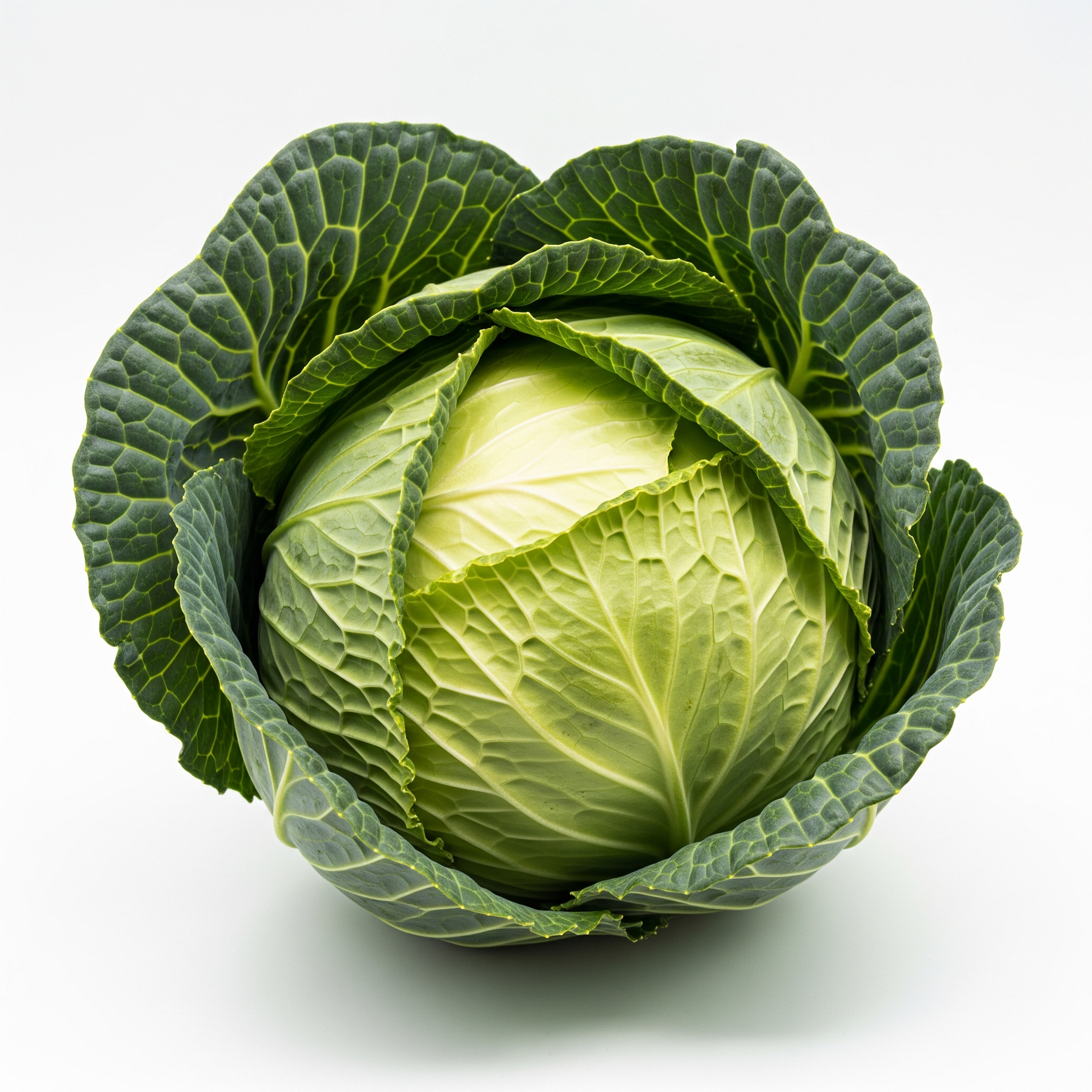
Archival print, museum-grade paper
Buy Poster
Stoneware mug, dishwasher safe
Buy Mug
Soft cotton tee, unisex sizes
Buy ShirtAcross continents, cabbage has played a starring role in culinary traditions and cultural symbolism. In Europe, it is central to dishes like sauerkraut and colcannon; in East Asia, it is the foundation of kimchi and stir-fries. Cabbage’s humble reputation belies its historical importance as a food security crop during times of scarcity. It appears in folklore as a symbol of simplicity and sustenance, and in modern times, it continues to inspire art, literature, and even festivals celebrating its harvest.
Cabbage is low in calories and rich in essential nutrients. It is an excellent source of vitamin C, vitamin K, dietary fiber, and folate. The vegetable also provides antioxidants, particularly in red varieties, and supports digestive health. Its high water content and low fat make it a heart-healthy choice for a balanced diet.
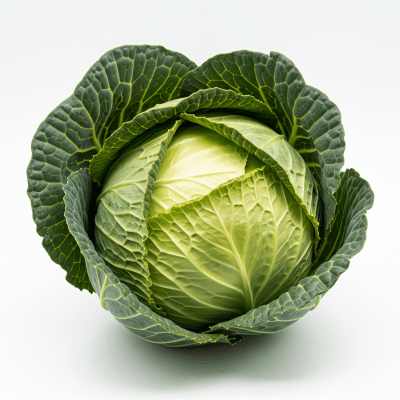
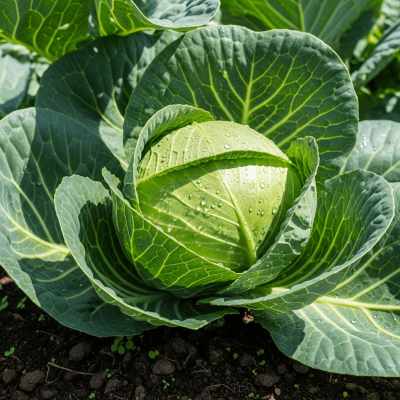
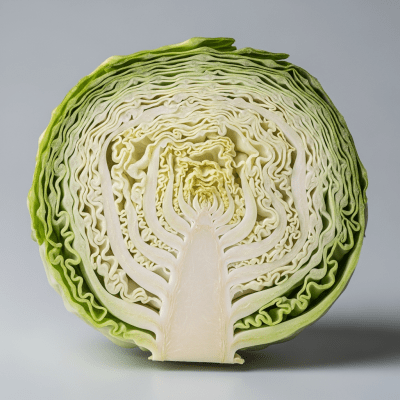
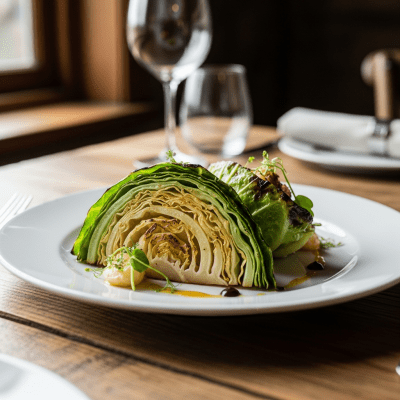
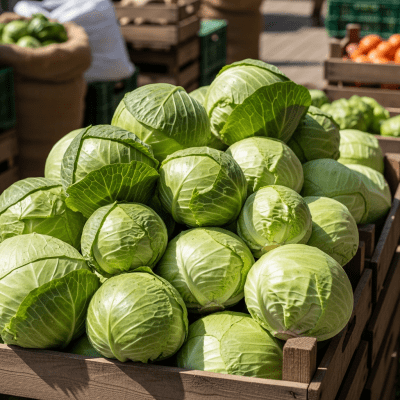
Cabbage shines in a wide range of dishes. It is enjoyed raw in coleslaw and salads, cooked in soups, stews, stir-fries, and casseroles, or fermented into sauerkraut and kimchi. Its leaves can be stuffed or wrapped, and shredded cabbage is a popular addition to tacos, dumplings, and spring rolls. The vegetable’s mild, slightly sweet flavor adapts well to both bold and subtle seasonings, making it a staple in cuisines from Europe to Asia and the Americas.
Cabbage thrives in cool, temperate climates and is tolerant of light frost. Optimal growth occurs between 15–20°C in well-drained, fertile soils. Plants are typically grown as annuals, forming heads within a single season. Commercial yields can reach 25–70 tonnes per hectare, depending on variety and conditions. Cabbage’s robust storage life—several months under cool, humid conditions—adds to its appeal for growers and consumers alike.
Cabbage shows moderate resistance to some common pests and diseases, such as cabbage looper, aphids, black rot, and clubroot. However, susceptibility varies by cultivar, and the crop can be vulnerable to certain fungal and bacterial pathogens, as well as insect pests. Integrated pest management and careful cultivar selection are important for minimizing losses.
Cabbage is known by many names around the world, including "Repollo" (Spanish), "Chou" (French), "Kohl" (German), "Kapusta" (Polish/Russian), and "Kyabetsu" (Japanese). While "Baechu" refers to napa cabbage in Korean cuisine—a related but distinct species—head cabbage remains a staple in European, Asian, and American diets. Regional preferences influence the choice of variety and preparation methods, from Eastern European stuffed cabbage rolls to East Asian stir-fries and pickles.
When selecting cabbage, look for heads that are firm, heavy for their size, and free from blemishes or wilted outer leaves. Store whole heads in the refrigerator crisper drawer, where they can last for several weeks. For longer-term storage, keep cabbage in a cool, humid environment; some varieties can be stored for months. Once cut, wrap unused portions tightly and use within a few days for best quality. Avoid washing cabbage before storage to prevent excess moisture and spoilage.