Sweet Potato
The sweet potato is a starchy, sweet-tasting root vegetable prized for its vibrant tubers and edible leaves, celebrated worldwide for its nutritional value and culinary versatility.
The sweet potato is a starchy, sweet-tasting root vegetable prized for its vibrant tubers and edible leaves, celebrated worldwide for its nutritional value and culinary versatility.
Sweet potatoes (Ipomoea batatas) trace their origins to tropical Central or South America, with archaeological evidence of cultivation in Peru dating back at least 5,000 years. The crop’s wild ancestors are closely related to native Ipomoea species, and sweet potatoes spread to Polynesia and Asia long before European contact, likely via ancient transoceanic routes. Today, sweet potatoes are cultivated globally, their domestication history reflecting centuries of adaptation and migration.
Botanically, sweet potatoes belong to the family Convolvulaceae, making them distinct from common potatoes (Solanaceae). Their scientific name is Ipomoea batatas. In culinary taxonomy, sweet potatoes are classified as root vegetables, valued for their edible tuberous roots and, in some regions, their leaves. Despite frequent confusion with yams, true yams (Dioscorea spp.) are unrelated; the sweet potato’s unique classification underscores its special place among vegetables.
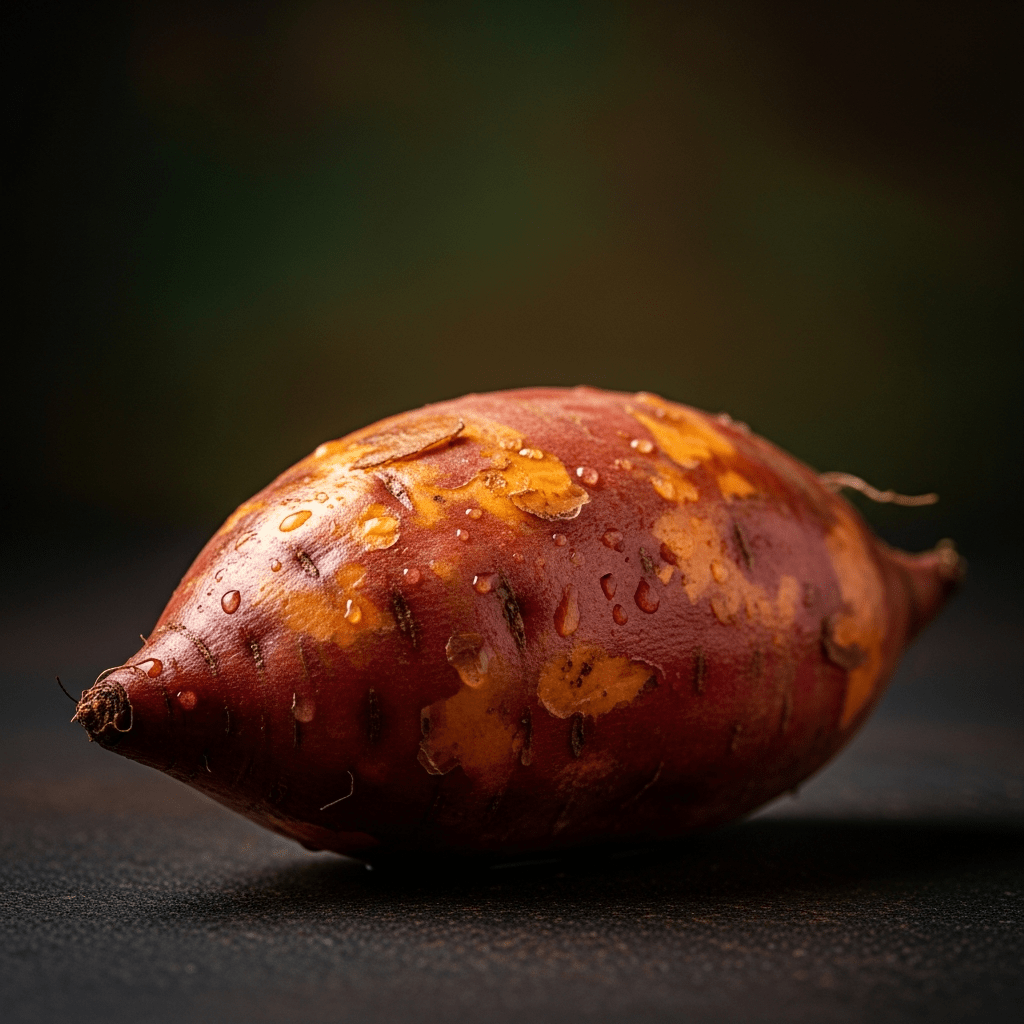
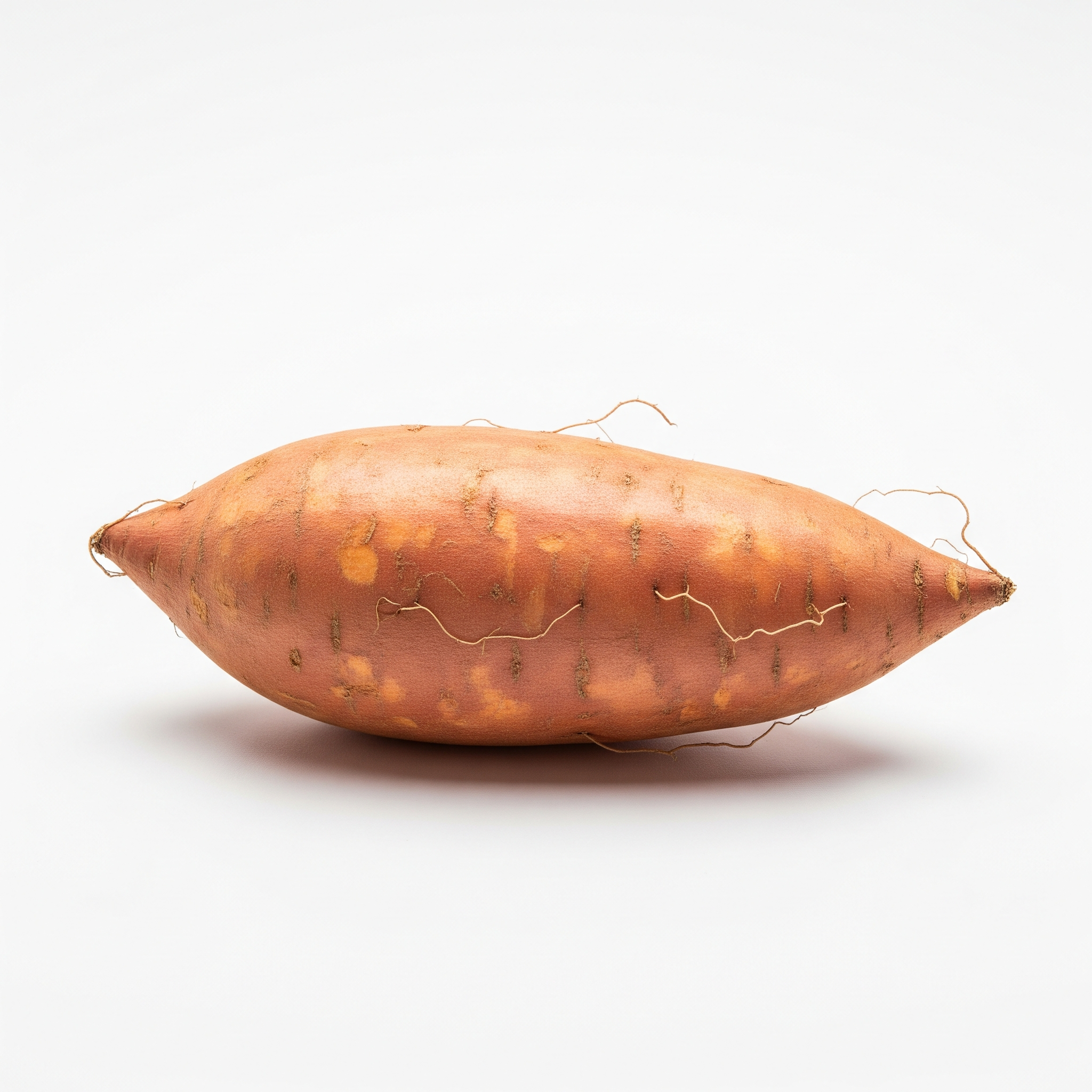
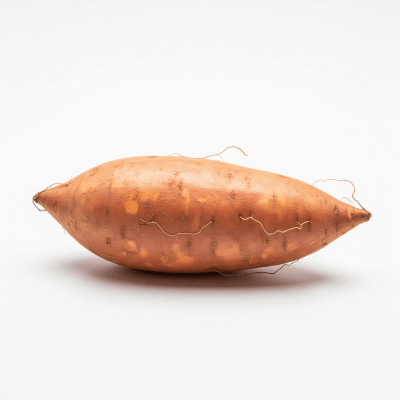
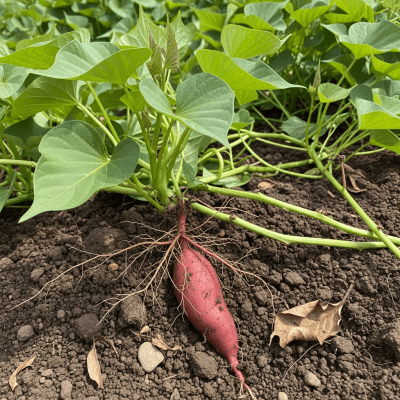
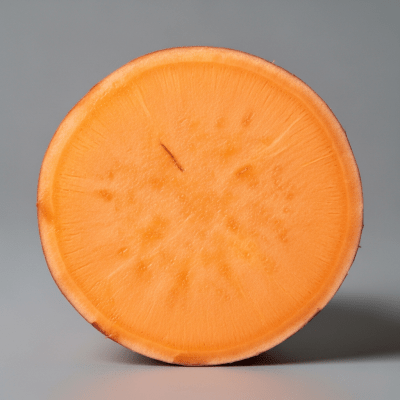
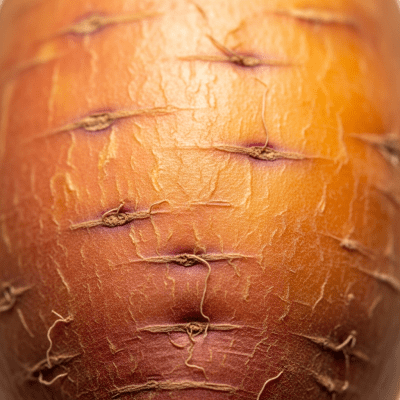
Sweet potatoes typically feature elongated, tapered tubers with skin colors ranging from creamy white and yellow to vivid orange, red, or deep purple. The flesh varies from pale white to rich orange or purple, depending on the cultivar. Their leaves are heart-shaped to lobed, lush green, and also edible. The plant itself grows as a trailing vine, creating a dense, leafy ground cover in the field.
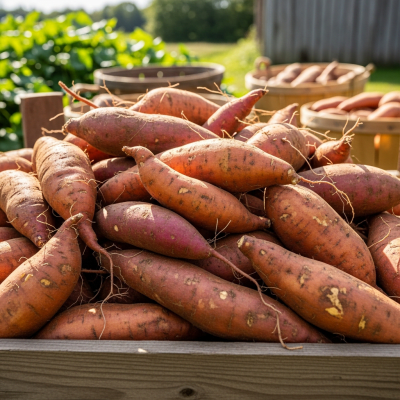
Sweet potatoes are grown primarily for their storage roots, which serve as a staple food in many regions. The roots are harvested, cured, and stored for months, making them a reliable source of nutrition and food security. Edible leaves are also consumed as a leafy green, especially in Asia and Africa. In culinary contexts, sweet potatoes are boiled, baked, roasted, fried, or processed into flour, chips, and starch, while their adaptability makes them suitable for diverse climates and farming systems.
Bring this kind into your world illustrated posters, mugs, and shirts.
Archival print, museum-grade paper
Buy Poster
Stoneware mug, dishwasher safe
Buy Mug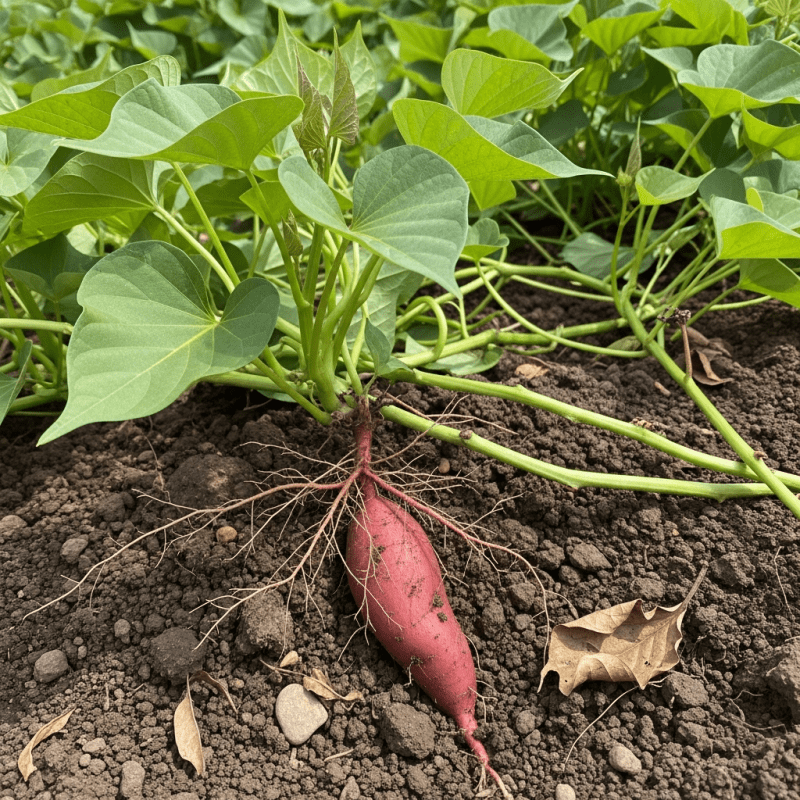
Soft cotton tee, unisex sizes
Buy ShirtSweet potatoes hold deep cultural significance across the globe. In Polynesia and New Zealand, "kumara" is woven into traditional stories and diets. In the Americas, sweet potatoes have been a staple since pre-Columbian times. In the Southern United States, they are central to holiday feasts and soul food traditions, often confused with "yams" in local markets. Public health campaigns in Africa and Asia promote orange-fleshed varieties for their vitamin A content, highlighting the sweet potato’s role in nutrition and community well-being.
Sweet potatoes are a nutrient-dense vegetable, providing complex carbohydrates, dietary fiber, and an array of vitamins and minerals. Orange-fleshed varieties are especially high in beta-carotene (provitamin A), supporting immune function and vision. They also offer vitamin C, potassium, manganese, and modest amounts of protein. Their low fat content and high antioxidant levels make them a wholesome choice for balanced diets.

Sweet potatoes shine in the kitchen, prepared in countless ways: boiled, baked, roasted, mashed, or fried. They are the foundation for dishes like sweet potato pie, fries, chips, and casseroles. In many cultures, the leaves are sautéed or added to soups and stews. Sweet potatoes are also processed into flour, starch, and snacks, and used in desserts, savory meals, and even beverages.
Sweet potatoes are grown as annuals, propagated by stem cuttings or slips. They thrive in warm climates with well-drained soils and moderate rainfall. The crop is moderately drought-tolerant and yields between 10 and 30 tonnes per hectare, depending on management and region. Proper curing (at 29–32°C and high humidity) extends storage life, while integrated pest management helps control weevils, nematodes, and viral diseases. Their adaptability makes them suitable for smallholders and commercial farms alike.
Sweet potatoes are known by many names worldwide: "batata" in Spanish-speaking countries, "camote" in Latin America and the Philippines, "kumara" in New Zealand and Polynesia, and "boniato" in the Caribbean. In the United States, orange-fleshed sweet potatoes are often called "yams," though they are botanically distinct. Regional preferences influence flesh color, flavor, and culinary uses, with local landraces and heritage varieties reflecting centuries of adaptation.
Choose sweet potatoes that are firm, smooth, and free from cracks or soft spots. Store them in a cool, dry, well-ventilated place, avoiding refrigeration, which can alter texture and flavor. Properly cured sweet potatoes (kept at warm, humid conditions for several days after harvest) can be stored for several months. Handle gently to prevent bruising, and use within a week once cut or cooked for best quality.