Lettuce
Lettuce is a leafy vegetable renowned for its crisp texture and mild flavor, serving as a staple ingredient in salads and fresh dishes worldwide.
Lettuce is a leafy vegetable renowned for its crisp texture and mild flavor, serving as a staple ingredient in salads and fresh dishes worldwide.
Lettuce (Lactuca sativa) traces its roots to the Mediterranean, with evidence of cultivation in ancient Egypt as early as 2680 BC. Initially grown for its seeds, lettuce was later prized for its edible leaves. Over centuries, selective breeding in Europe and North America shaped the diverse varieties enjoyed today, with key milestones documented by international plant authorities.
Lettuce belongs to the family Asteraceae, sharing botanical lineage with sunflowers and daisies. Within the vegetable taxonomy, it is categorized as a leafy vegetable, with types such as butterhead, crisphead, romaine, and loose-leaf forming distinct culinary and market classes. Its scientific name is Lactuca sativa, and it sits within the broader context of edible garden produce consumed for its leaves.
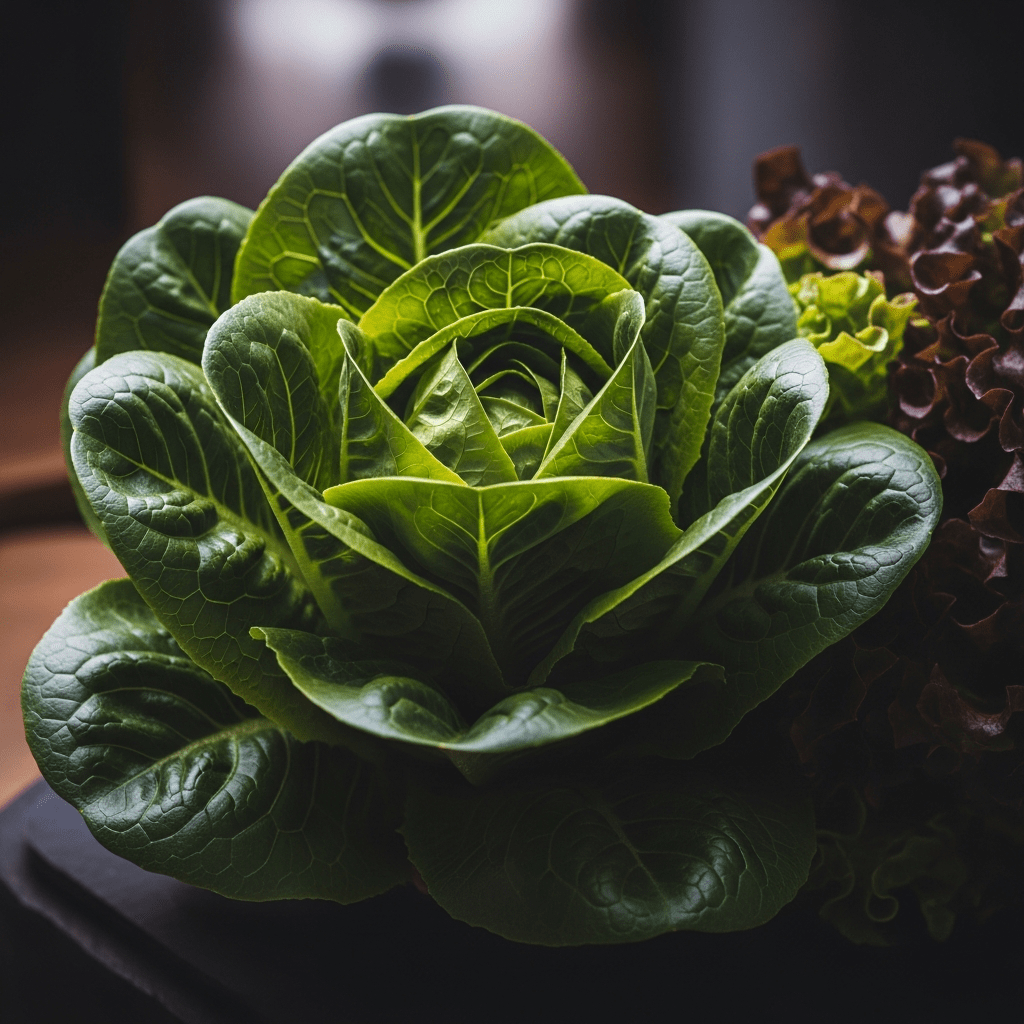
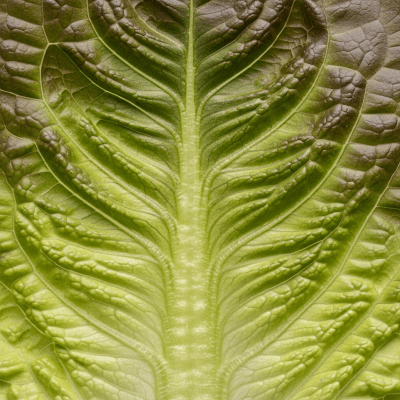
Lettuce plants form a basal rosette of leaves that can be oval, round, or elongated, with colors ranging from pale green to deep red. Textures vary by type: butterhead varieties are soft and tender, crisphead (like iceberg) are dense and crunchy, romaine features upright, sturdy leaves, and loose-leaf types offer frilled or ruffled edges. Mature plants typically reach 15–30 cm in height, with a fresh, watery snap when broken.
Lettuce is most commonly consumed raw, adding freshness and crunch to salads, sandwiches, wraps, and garnishes. Some varieties, such as romaine, are also suitable for grilling, stir-frying, or inclusion in soups. Its mild flavor and high water content make it a versatile base for countless dishes, and its popularity spans home kitchens, restaurants, and commercial food services.
Bring this kind into your world illustrated posters, mugs, and shirts.
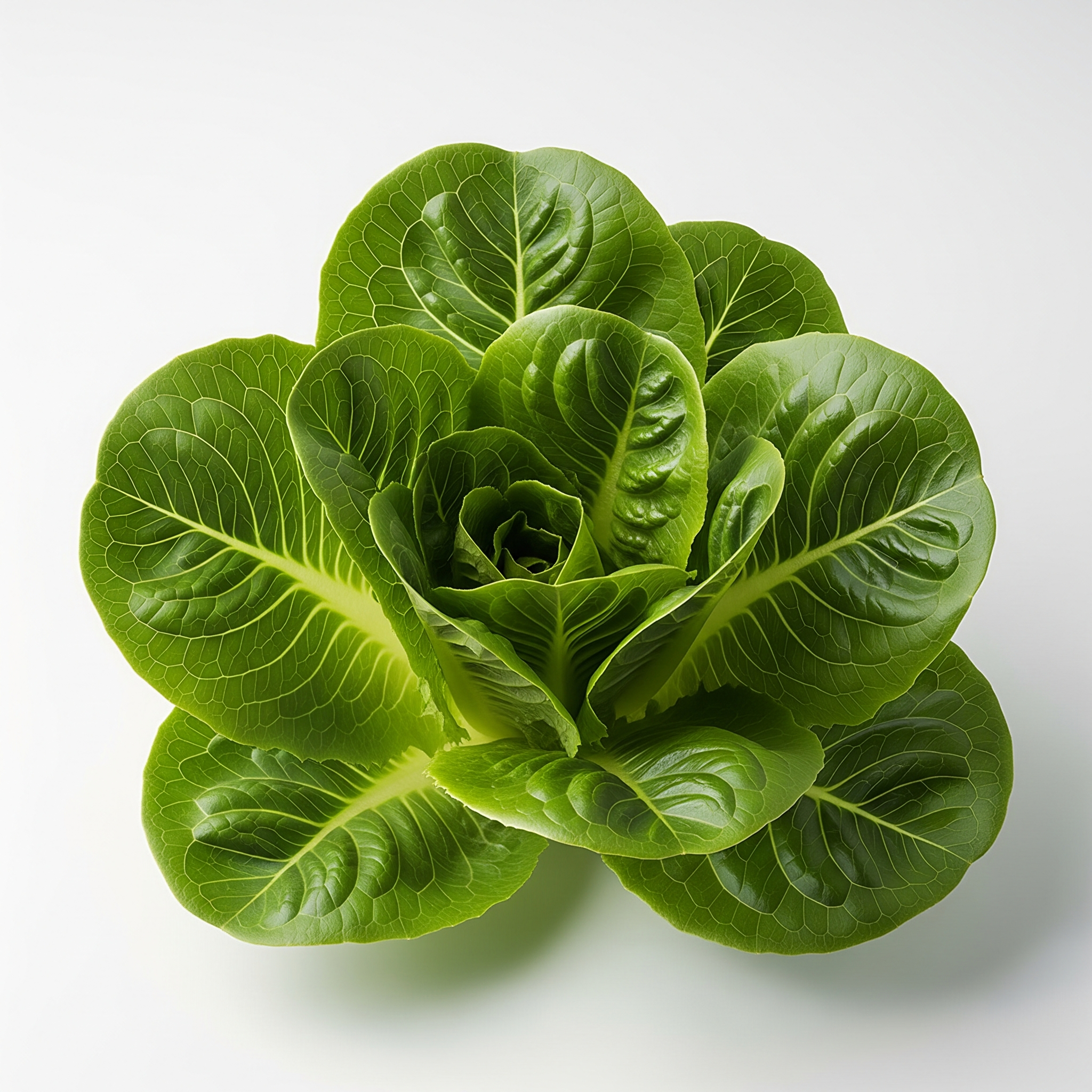
Archival print, museum-grade paper
Buy Poster
Stoneware mug, dishwasher safe
Buy Mug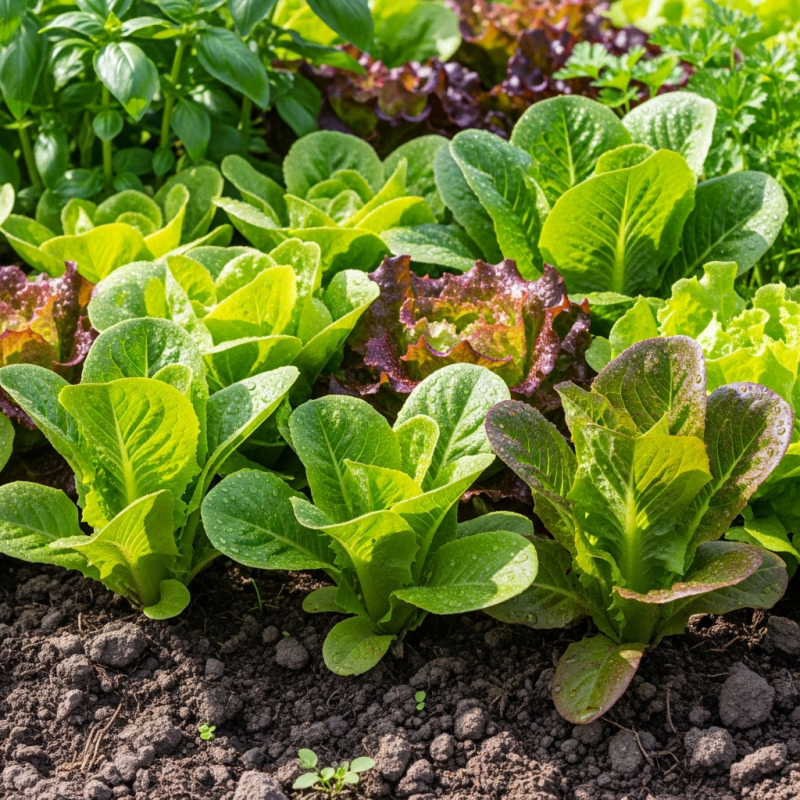
Soft cotton tee, unisex sizes
Buy ShirtLettuce has held symbolic and practical roles throughout history. In ancient Egypt, it was associated with fertility and ritual offerings. Today, lettuce is a universal emblem of healthy eating, featured in cuisines from Mediterranean mezze to American fast food. Its presence in art and language—such as the French "laitue" and Spanish "lechuga"—reflects its global reach and cultural integration.
Lettuce is exceptionally low in calories and rich in water, making it a hydrating food choice. It provides dietary fiber, vitamin K, vitamin A, folate, and small amounts of vitamin C and potassium. Its nutrient density varies by type, with darker leaves generally offering more vitamins and antioxidants. Lettuce supports digestive health and is favored in weight-conscious diets.
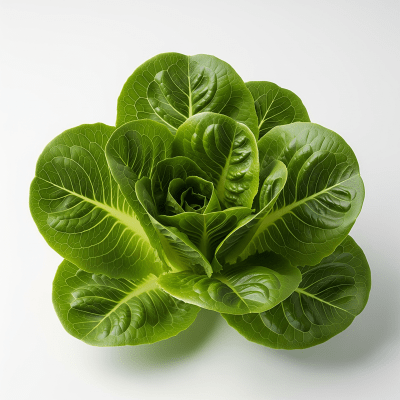
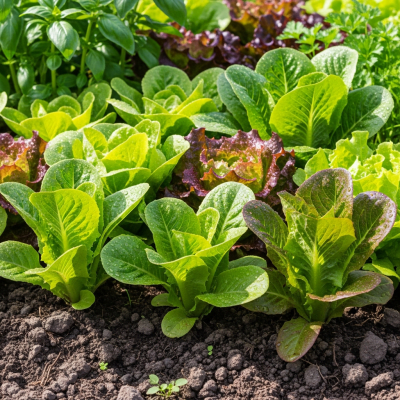
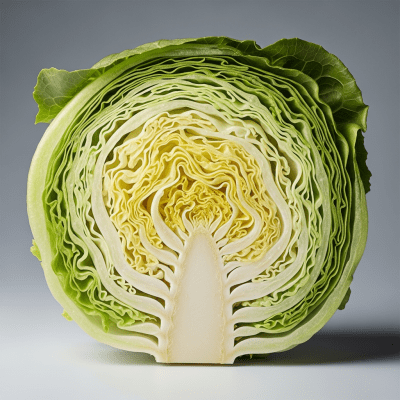

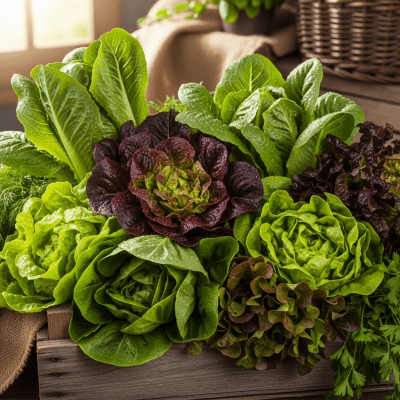
Lettuce is a foundation for salads, from classic Caesar to mixed greens. It adds crunch to sandwiches, wraps, and burgers, and is used as a bed for appetizers or grilled meats. Romaine can be grilled or sautéed, while stem lettuce is stir-fried in Asian cuisine. Pre-cut and bagged lettuce mixes offer convenience for quick meals and entertaining.
Lettuce thrives in cool climates, preferring temperatures between 15–20°C. It is grown as an annual crop, with optimal yields achieved in well-drained, fertile soils. Heat stress can cause bolting and bitterness, so growers often plant in spring or autumn. Commercial production averages 20–35 tons per hectare. Lettuce is sensitive to pests like aphids and diseases such as downy mildew, but resistant cultivars and crop rotation help manage risks. Harvesting is typically done by hand or machine, with rapid cooling essential to preserve quality.
Lettuce is vulnerable to aphids, leaf miners, and slugs, as well as fungal diseases like downy mildew (Bremia lactucae) and lettuce mosaic virus. Breeding for disease resistance, crop rotation, and integrated pest management are key strategies for growers. Resistant cultivars help reduce losses, but vigilance is required, especially in humid or warm conditions.
Lettuce is known by different names worldwide: "laitue" in French, "lechuga" in Spanish, "salat" in German, and "yēcài" in Chinese. Regional preferences influence the popularity of types—romaine is favored in Mediterranean diets, iceberg dominates North American markets, and stem lettuce is a specialty in East Asia. Heritage varieties and local cultivars add diversity to global lettuce consumption.
Choose lettuce with crisp, vibrant leaves free of wilting or browning. Store unwashed heads in the refrigerator, ideally in a sealed container or produce drawer, to maintain freshness for up to two weeks. Wash just before use to prevent spoilage. For longer storage, keep leaves dry and avoid crushing. Pre-cut mixes should be consumed promptly for optimal quality.