Squash
Squash is a versatile group of edible plants in the genus Cucurbita, prized for their diverse shapes, flavors, and culinary uses as savory vegetables around the world.
Squash is a versatile group of edible plants in the genus Cucurbita, prized for their diverse shapes, flavors, and culinary uses as savory vegetables around the world.
Squash traces its roots to the Americas, where it was first domesticated between 8,000 and 10,000 years ago in regions now known as Mexico and Central America. Early peoples cultivated various species of Cucurbita, selecting for edible, fleshy fruits long before the arrival of European explorers. Over millennia, independent selection and cultivation led to the rich diversity of squash types seen today, with modern cultivars developed by agricultural institutions and seed companies worldwide.
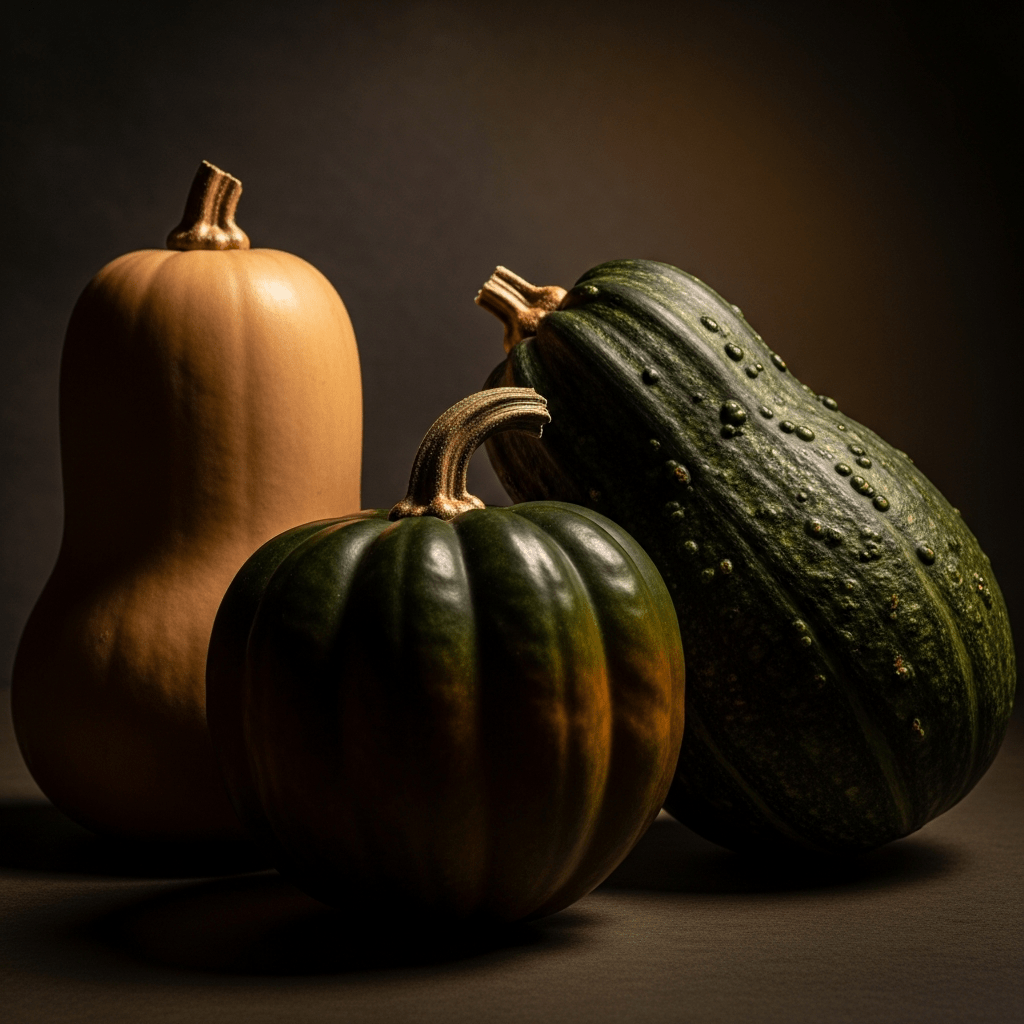
Botanically, squash belongs to the genus Cucurbita within the family Cucurbitaceae. This group encompasses several species, including Cucurbita pepo (zucchini, acorn squash), Cucurbita maxima (kabocha, buttercup), and Cucurbita moschata (butternut squash). While technically fruits, squashes are universally treated as vegetables in culinary contexts, falling under the broader vegetable taxonomy due to their savory applications and agricultural significance.
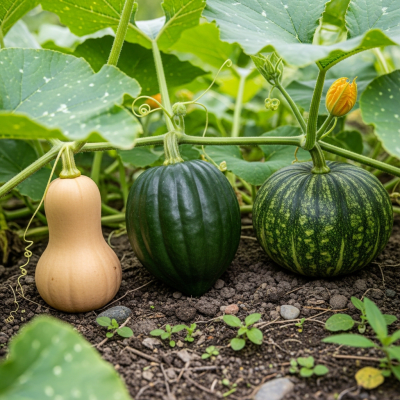
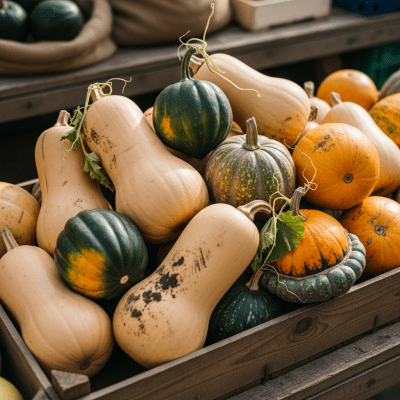
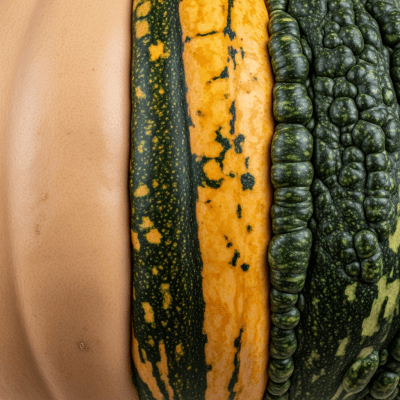
Squash plants are annual vines or bush-types with broad, lobed leaves and curling tendrils. Their large, yellow-orange flowers are both showy and edible. The fruits themselves are remarkably varied: summer squashes like zucchini are soft-skinned, slender, and typically green or yellow, while winter squashes such as butternut, acorn, and kabocha feature hard rinds, diverse shapes (round, oblong, turban), and colors ranging from deep green to vibrant orange or mottled patterns. Fruit size can range from a few hundred grams to over 10 kilograms.
Squash is cultivated for its edible fruits, which are harvested at different stages depending on type. Summer squash is picked young for its tender skin and mild flavor, while winter squash is allowed to mature, developing a dense, sweet flesh and tough rind ideal for storage. Beyond the fruit, both seeds and blossoms are edible, with blossoms featured in various cuisines. Squash plays a vital role in home gardens, commercial agriculture, and global food systems, valued for its productivity and adaptability.
Bring this kind into your world illustrated posters, mugs, and shirts.
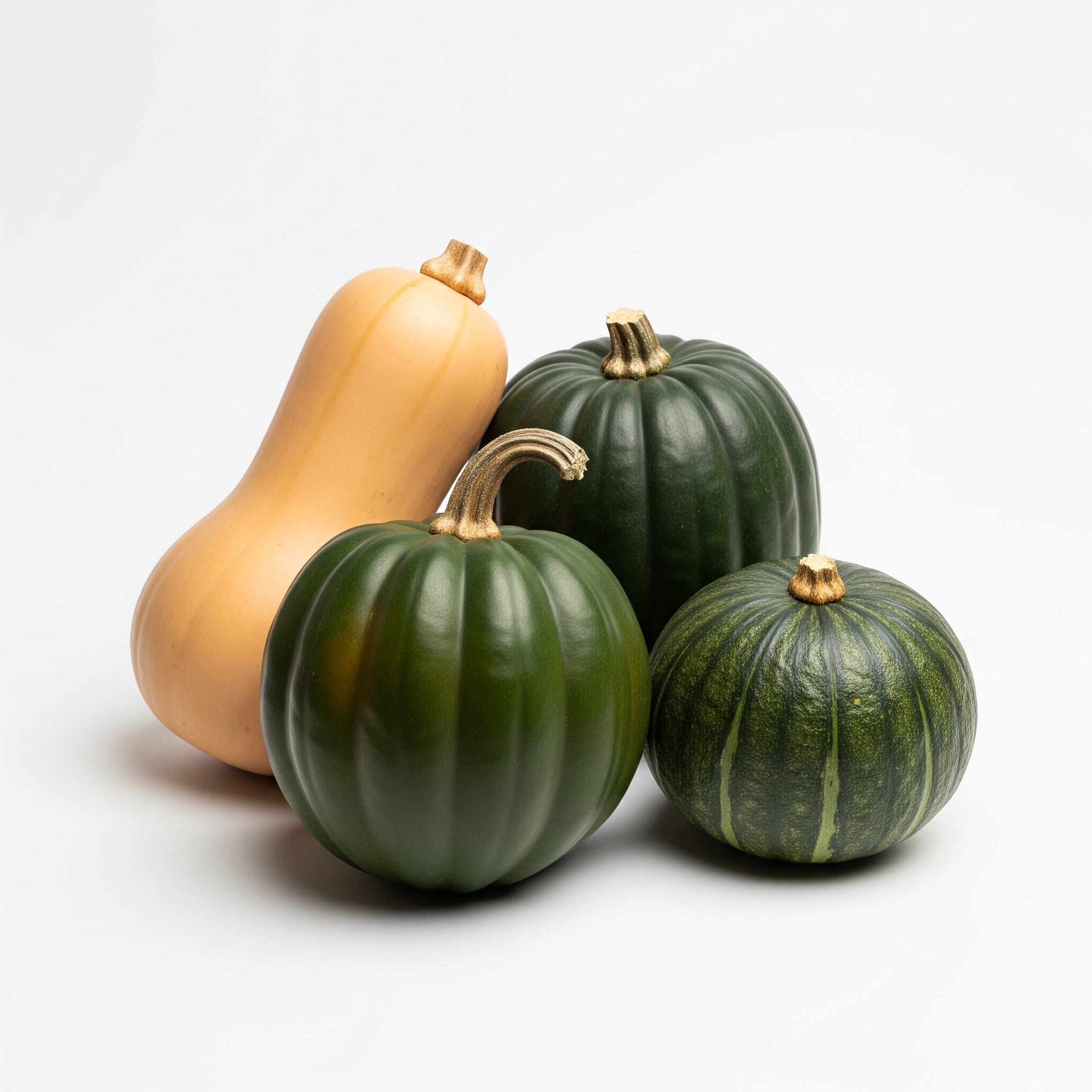
Archival print, museum-grade paper
Buy Poster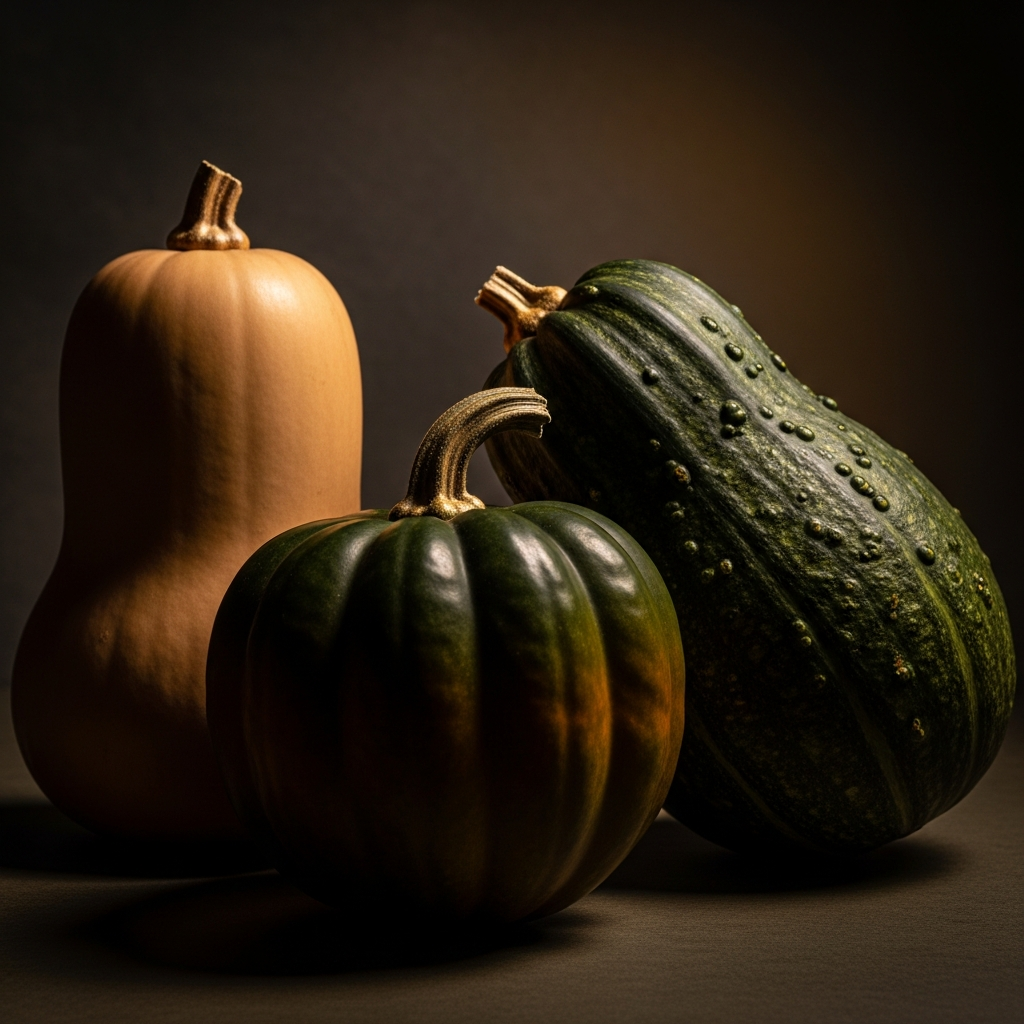
Stoneware mug, dishwasher safe
Buy Mug
Soft cotton tee, unisex sizes
Buy ShirtSquash holds deep cultural roots, especially in the Americas, where it is one of the "Three Sisters" crops alongside maize and beans—an ancient agricultural trio foundational to Indigenous societies. Its imagery appears in folklore, harvest festivals, and art, and it features prominently in autumnal celebrations such as Halloween and Thanksgiving, often represented by pumpkins (a type of squash). In Japan, kabocha squash is a culinary staple, while in Europe, names and uses vary widely, reflecting local traditions.
Squash is a nutritious addition to the diet, offering generous amounts of vitamins A and C, dietary fiber, and potassium, while being low in calories. The nutritional content varies by species and cultivar, but all types contribute to a balanced, healthful diet, supporting immune function, vision, and digestive health.
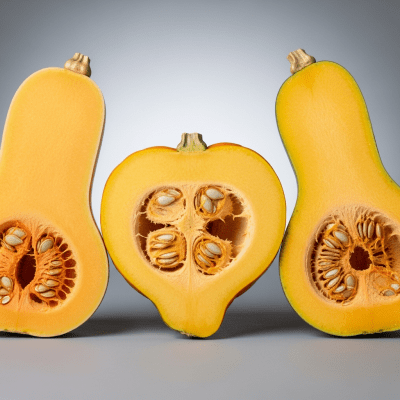

Squash is celebrated for its versatility in the kitchen. Summer squash, such as zucchini, is often sliced and sautéed, grilled, or used raw in salads. Winter squash varieties like butternut and kabocha are commonly roasted, pureed for soups, stuffed, or baked into casseroles. Seeds can be roasted for snacks, and blossoms are delicately stuffed and fried in some cuisines. Squash adapts beautifully to both simple and elaborate preparations, making it a staple in global cooking.
Squash thrives in warm climates and is sensitive to frost. It prefers well-drained soils with moderate to high fertility and benefits from consistent moisture. Plants can be grown as sprawling vines or compact bushes, depending on variety. Commercial yields range from 15 to 40 tons per hectare. While some cultivars are bred for resistance to diseases like powdery mildew and mosaic viruses, susceptibility varies, and crop rotation is recommended to minimize pest and disease pressure. Summer squash matures quickly and has a short storage life, while winter squash is harvested mature and stores well under cool, dry conditions.
Squash can be affected by a range of diseases and pests. Common threats include powdery mildew, mosaic viruses, and vine borers. Some modern cultivars are bred for improved resistance, but susceptibility varies, so integrated pest management and crop rotation are important for healthy crops.
Naming and usage of squash vary widely by region. In the UK, large summer squash are called "marrow," while "courgette" refers to zucchini. In Japan, kabocha is a beloved winter squash known as Japanese pumpkin. In some cultures, "pumpkin" and "squash" are used interchangeably, and heritage cultivars carry local names and culinary traditions, reflecting the crop's global reach and adaptability.
When selecting squash, look for firm, blemish-free skin and a heavy feel for its size. Summer squash should have glossy, tender skin, while winter squash should have a hard, intact rind. Store summer squash in the refrigerator and use within 1–2 weeks. Winter squash keeps best in a cool, dry place and can last for several months. For longer preservation, squash can be frozen, canned, or pureed, extending its use well beyond the harvest season.