Artichoke
The artichoke is a perennial thistle prized for its edible flower buds, celebrated in Mediterranean cuisine for its distinctive flavor and nutritional richness.
The artichoke is a perennial thistle prized for its edible flower buds, celebrated in Mediterranean cuisine for its distinctive flavor and nutritional richness.
Originating in the Mediterranean basin, the artichoke traces its roots to ancient Greece and Rome, where it was cultivated from the wild cardoon. Over centuries, selective breeding in Italy, Spain, and France refined the artichoke into the varieties enjoyed today. Its domestication predates written records, but the species was formally described by Linnaeus in the 18th century, with local cultivars emerging across Southern Europe and North Africa.
Botanically, the artichoke belongs to the family Asteraceae, genus Cynara, species cardunculus, and is classified as the variety scolymus. It is considered a flower vegetable, with its edible portion being the immature flower bud. In culinary terms, artichokes are grouped among savory vegetables, distinct from fruits and herbs, and are recognized for their unique role in Mediterranean gastronomy.
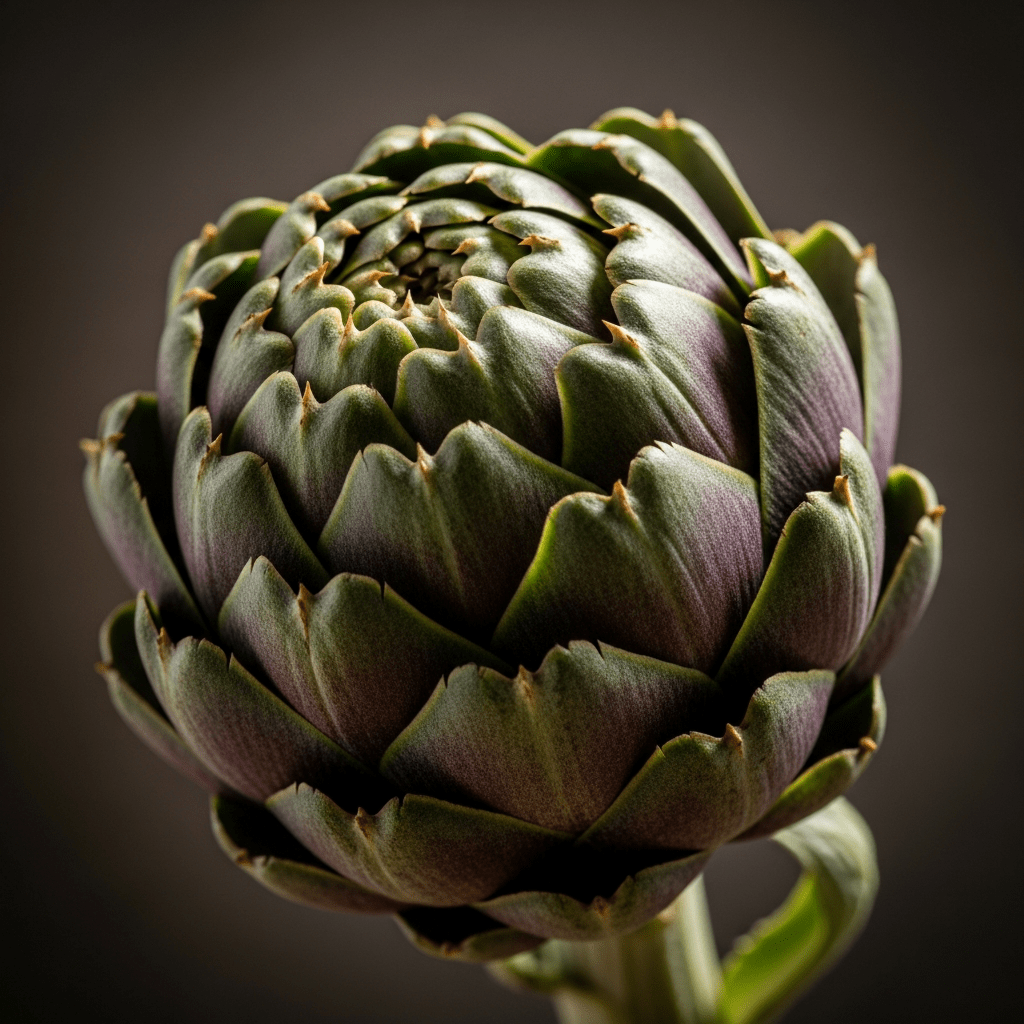
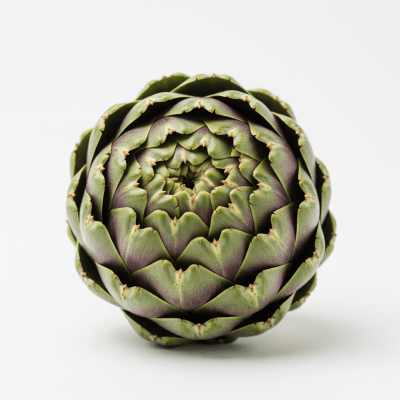
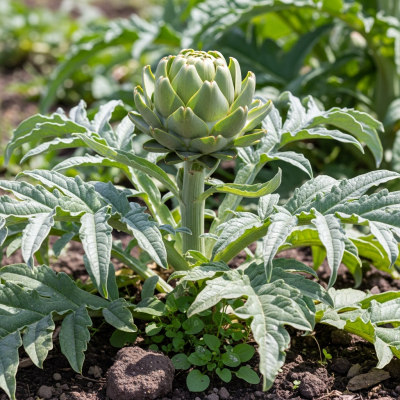
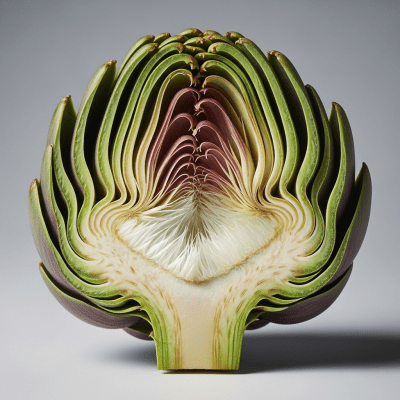
The artichoke plant is a striking perennial thistle, growing up to 2 meters tall with deeply lobed, silvery-green leaves and sturdy stems. Its edible buds are large—typically 8 to 15 centimeters in diameter—with overlapping fleshy bracts that range in color from vibrant green to deep purple, depending on the cultivar. At the center lies the prized heart, tender and delicately flavored, surrounded by layers that soften when cooked.
Artichokes are harvested before their flower buds bloom, ensuring the bracts and heart remain tender. They are most commonly cooked—boiled, steamed, or roasted—and served as appetizers, main dishes, or ingredients in salads and dips. Beyond the kitchen, artichoke leaves find use in herbal remedies and liqueurs, though culinary consumption remains their primary role. Their versatility and distinctive taste make them a staple in Mediterranean diets and a sought-after export in global markets.
Bring this kind into your world illustrated posters, mugs, and shirts.
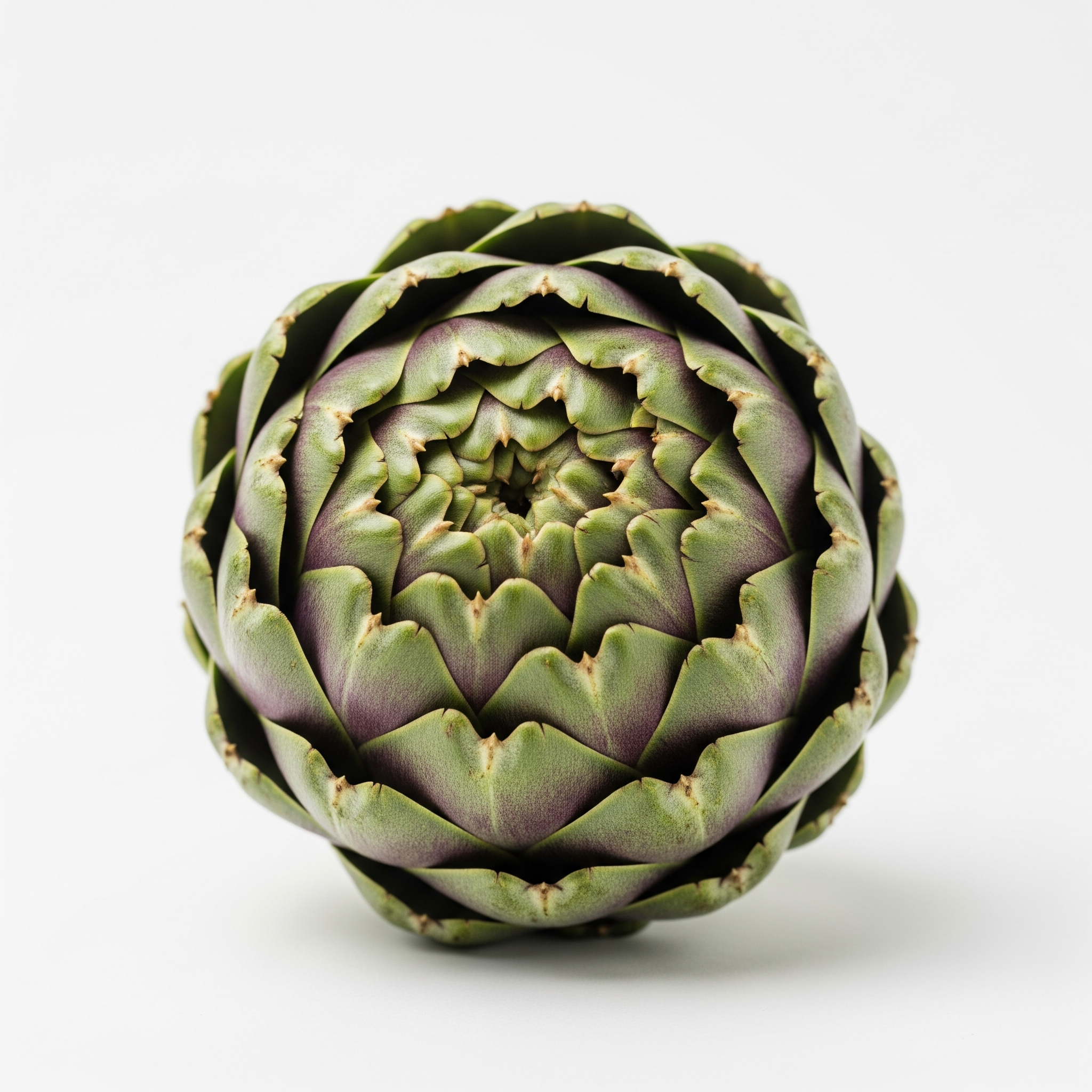
Archival print, museum-grade paper
Buy Poster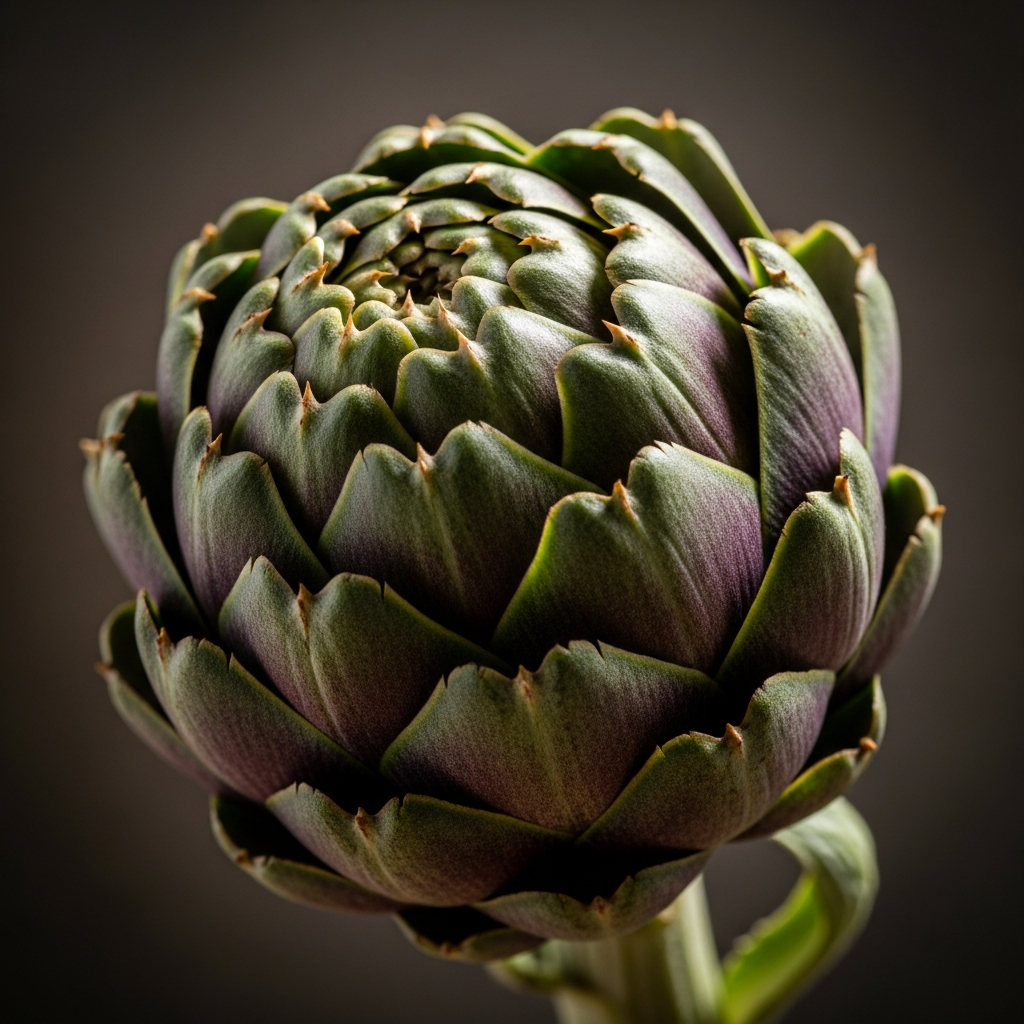
Stoneware mug, dishwasher safe
Buy Mug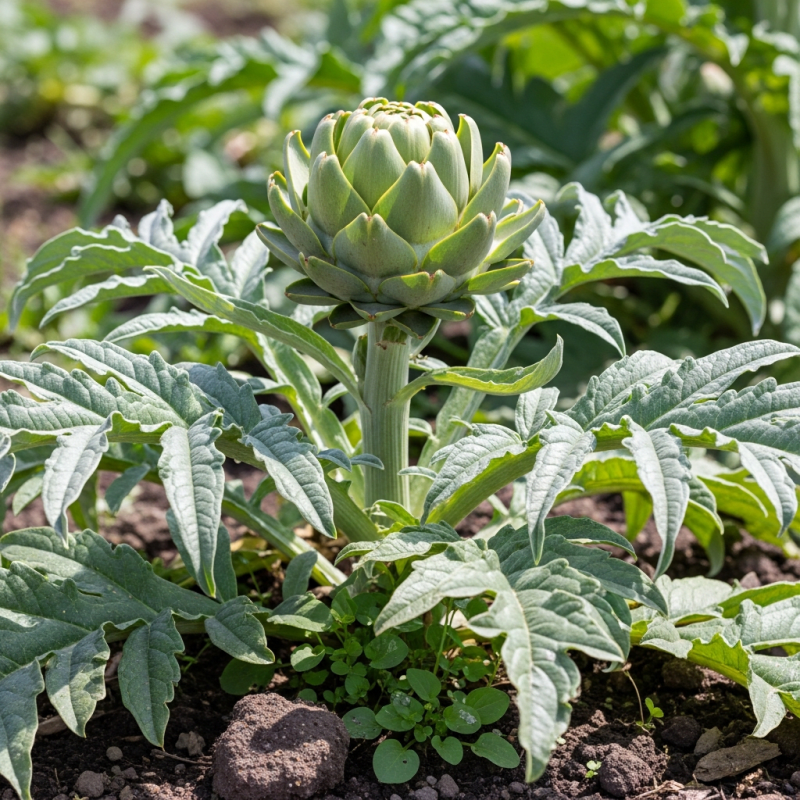
Soft cotton tee, unisex sizes
Buy ShirtArtichokes hold a prominent place in Mediterranean culture, featured in classic Roman and Spanish dishes and celebrated at festivals such as the annual Artichoke Festival in California. They appear in art and literature as symbols of abundance and refinement. In Italy and France, artichokes are woven into culinary traditions, while in Spain, they are cherished as 'alcachofa' in regional specialties. Their enduring popularity reflects both historical reverence and modern appreciation.
Artichokes are nutrient-dense yet low in calories, offering abundant dietary fiber, vitamin C, folate, and magnesium. They are notable for their antioxidant content, particularly cynarin and silymarin, which contribute to digestive and liver health. Their balanced nutritional profile makes them a wholesome choice for varied diets.
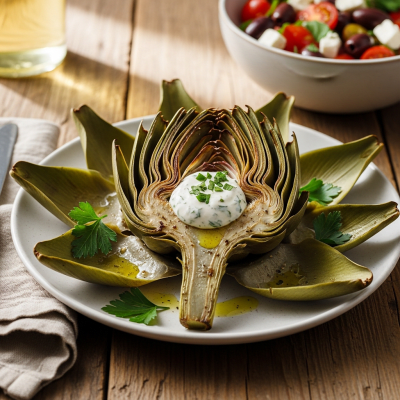
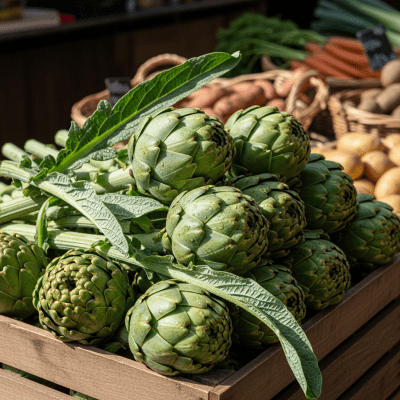
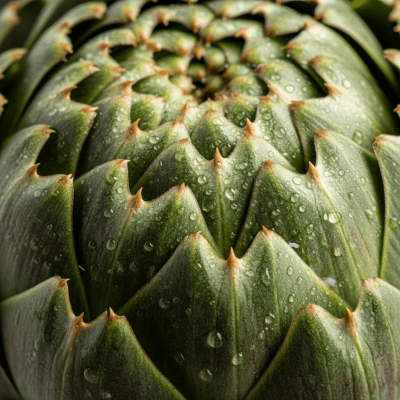
Artichokes shine in the kitchen when boiled, steamed, or roasted, with their bracts and heart enjoyed as appetizers or main courses. They feature in classic Mediterranean dishes like Roman-style artichokes and Spanish 'alcachofas a la plancha,' and are popular in salads, dips, and marinated preparations. Artichokes are also processed—canned, frozen, or pickled—for convenient use year-round, while their leaves lend flavor to herbal liqueurs such as Cynar.
Artichokes thrive in mild climates with cool, moist conditions and deep, fertile soils. They are grown as perennial crops, propagated by seed or vegetative offsets. Commercial yields can reach 10–20 metric tons per hectare under optimal conditions. While sensitive to frost and waterlogging, artichokes display moderate resistance to drought and some fungal diseases. Harvesting occurs before buds open, and fresh artichokes are best consumed within one to two weeks, though they may be stored longer when canned or frozen.
Artichokes are moderately resistant to drought and some fungal pathogens but remain sensitive to frost and waterlogging. Growers must monitor for pests such as aphids and fungal diseases like botrytis, ensuring healthy crops through careful site selection and timely harvest.
Known as 'alcachofa' in Spanish, 'carciofo' in Italian, 'artichaut' in French, and 'al-khurshuf' in Arabic, the artichoke enjoys widespread popularity across the Mediterranean. Regional cultivars and landraces abound, with local preferences shaping size, color, and culinary use. In some areas, the term 'artichoke' may refer to unrelated vegetables, such as the Jerusalem artichoke, highlighting the importance of context in naming.
When selecting artichokes, look for firm, tightly closed buds with vibrant green or purple coloration and minimal browning. Store fresh artichokes in the refrigerator and consume within one to two weeks for optimal flavor and texture. For longer preservation, artichokes can be canned, marinated, or frozen, making them available year-round without significant loss of quality.