
Zucchini
Zucchini is a tender, mild-flavored summer squash harvested while immature and enjoyed as a versatile vegetable in cuisines worldwide.
Zucchini is a tender, mild-flavored summer squash harvested while immature and enjoyed as a versatile vegetable in cuisines worldwide.
Originating from ancestral squashes first domesticated in Mesoamerica over 7,000 years ago, zucchini’s modern form was developed in Italy during the late 19th century. Italian growers selected for plants producing delicate, immature fruits ideal for culinary use, with no single breeder credited for its emergence. The zucchini’s lineage traces back to Cucurbita pepo squashes introduced to Europe after the Columbian Exchange, blending ancient agricultural heritage with European innovation.
Zucchini belongs to the botanical family Cucurbitaceae, genus Cucurbita, species pepo. Though botanically a fruit, it is classified and consumed as a vegetable in culinary traditions. Within the broader taxonomy of vegetables, zucchini is a principal type of summer squash, grouped for its edible immature fruit and savory culinary applications.
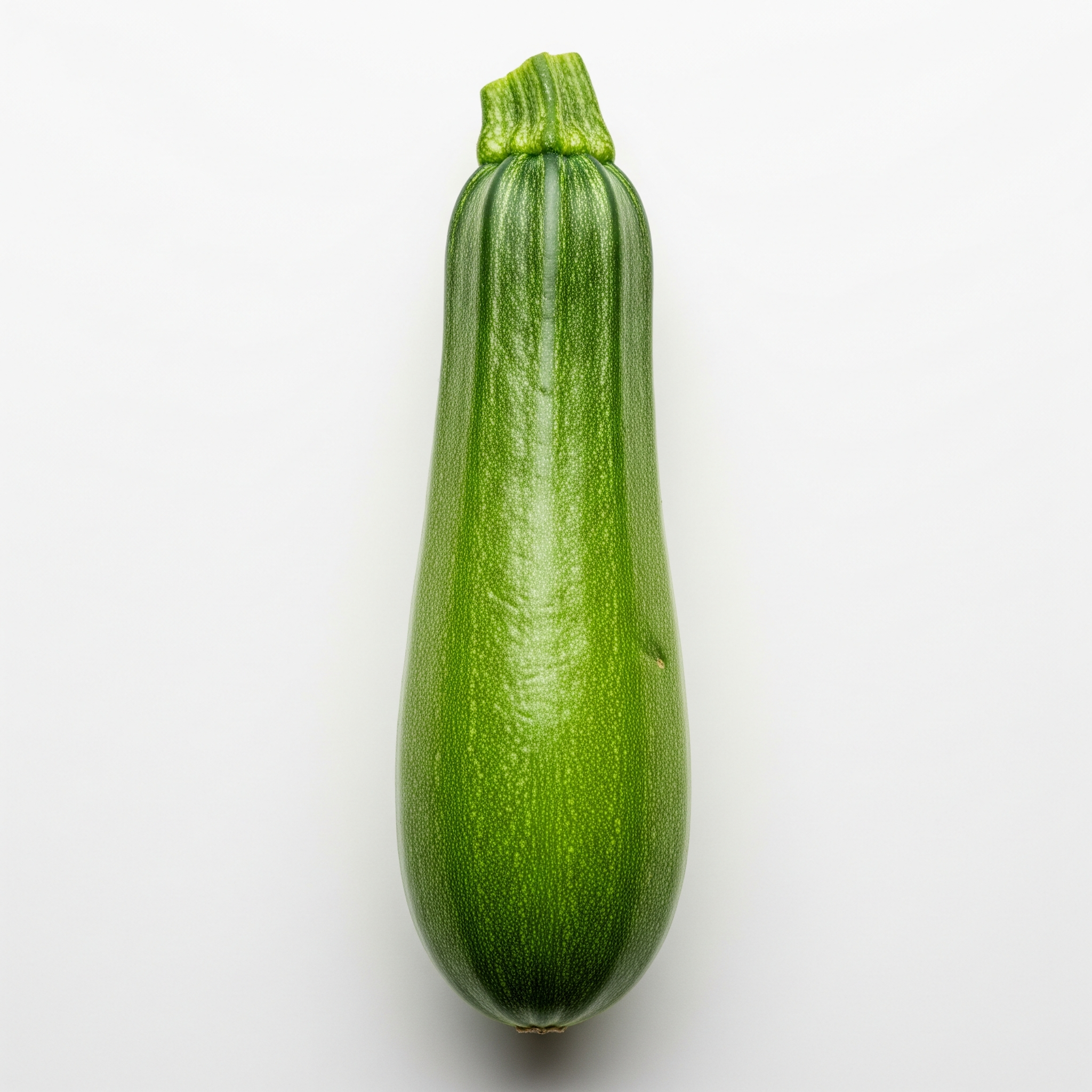
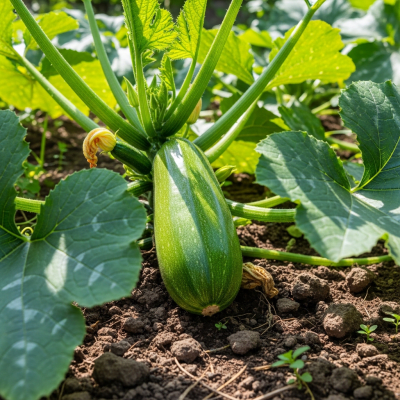
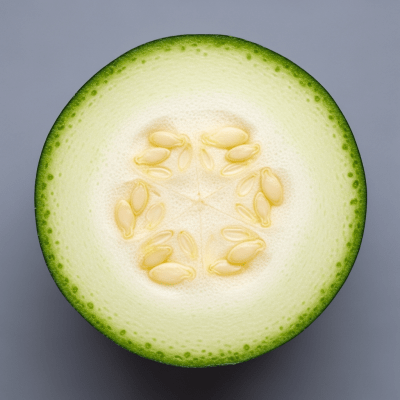
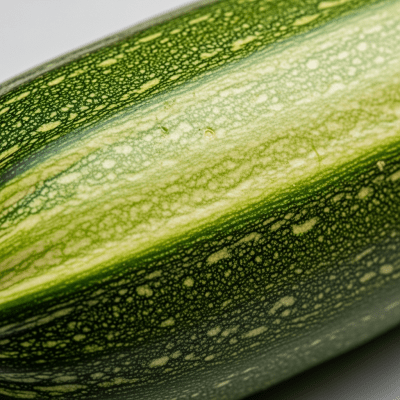
Zucchini fruits are typically cylindrical and elongated, measuring 15–20 cm (6–8 inches) when harvested young. Their skin is smooth and thin, ranging from dark to light green, often with subtle stripes or speckles; golden-yellow varieties add visual diversity. The flesh is pale, tender, and contains small, soft seeds at the immature stage. The plant itself features large, lobed, rough leaves with prominent veins and bright yellow, unisexual flowers.
Zucchini is prized for its rapid growth, prolific fruiting, and adaptability in gardens and commercial fields. It is harvested while young for optimal tenderness and flavor, and used extensively in raw, cooked, and baked preparations. The edible flowers further expand its culinary versatility, and its mild taste allows it to blend seamlessly into savory dishes, baked goods, and even salads.
Bring this kind into your world illustrated posters, mugs, and shirts.
Archival print, museum-grade paper
Buy Poster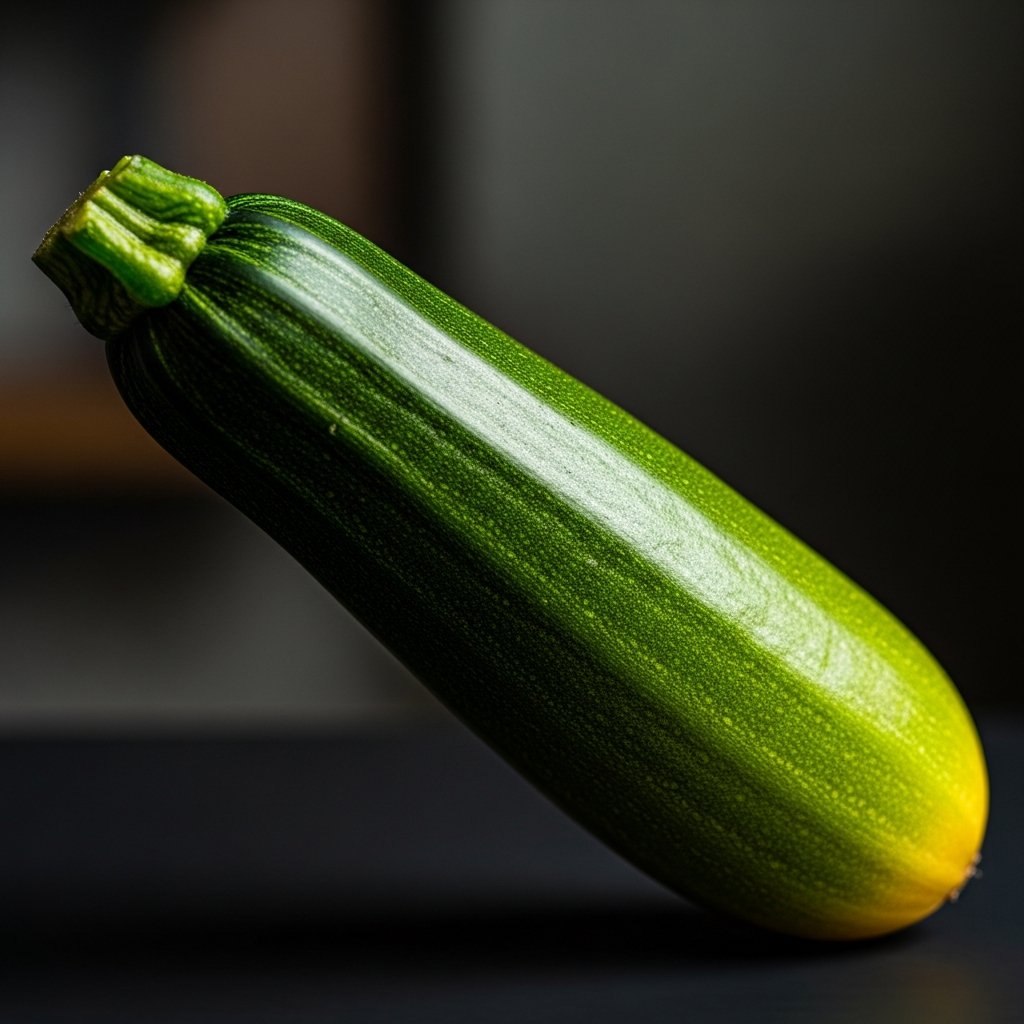
Stoneware mug, dishwasher safe
Buy Mug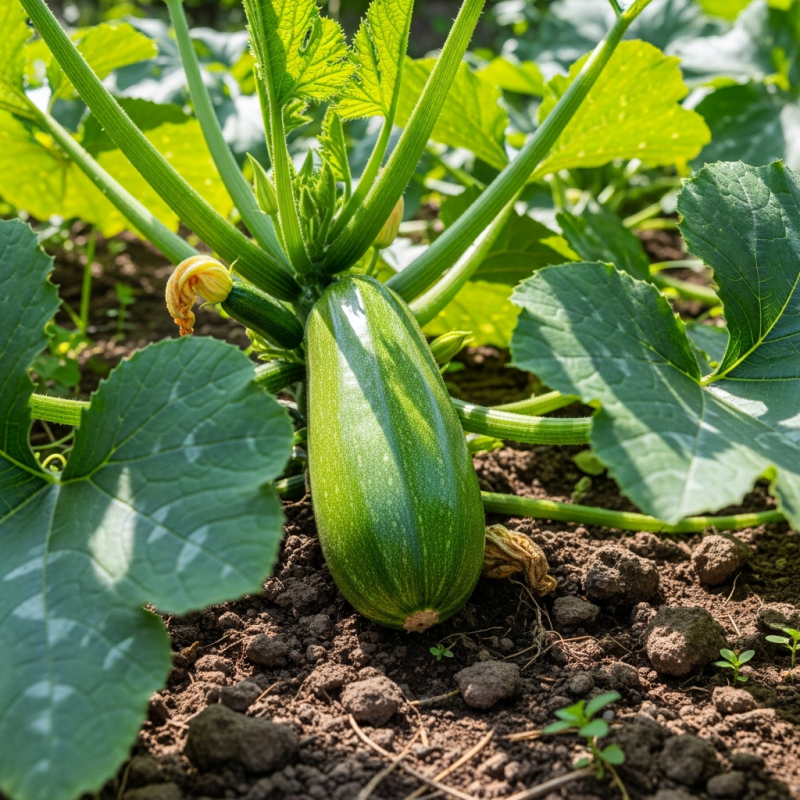
Soft cotton tee, unisex sizes
Buy ShirtZucchini holds a prominent place in Mediterranean and North American cuisines, symbolizing summer abundance and garden-to-table freshness. Its name varies by region—"courgette" in the UK and France, "zucchina" in Italy—reflecting its global reach. Zucchini flowers are celebrated in Italian and French cooking, while the vegetable itself is a staple at farmers’ markets and in home gardens, often featured in seasonal festivals and culinary traditions.
Zucchini is low in calories and provides a good source of vitamin C, potassium, folate, and dietary fiber. Its high water content makes it hydrating and light, while its nutrients support immune function, heart health, and digestion.
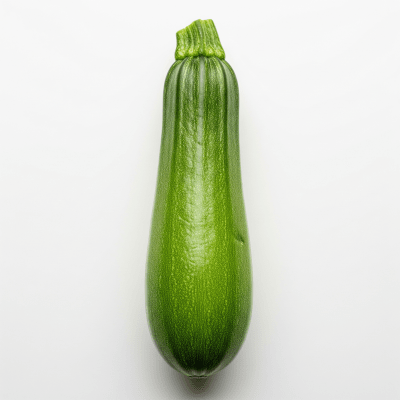
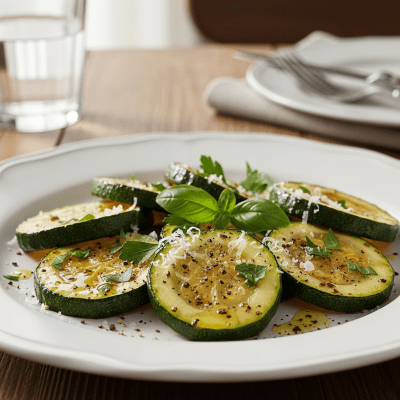
Zucchini is enjoyed in countless ways: raw in salads, grilled, sautéed, baked, stuffed, or spiralized as a pasta substitute. It is a favorite ingredient in soups, stews, fritters, and savory casseroles, and can be baked into breads and cakes. Zucchini flowers are stuffed or fried in Mediterranean cuisines, adding a delicate flavor and visual appeal.
Zucchini is grown as an annual in temperate and subtropical climates, thriving in well-drained, fertile soil and full sun. Plants mature rapidly, with fruit ready for harvest 40–60 days after sowing. Yields are high—20–30 tons per hectare in commercial production. Zucchini is sensitive to frost and prefers consistent moisture, but is susceptible to pests like squash vine borer and diseases such as powdery mildew and mosaic viruses. Resistant cultivars have improved reliability for growers.
Zucchini is susceptible to squash vine borer, cucumber beetles, powdery mildew, and mosaic viruses. Resistant cultivars are available to mitigate these threats, but vigilant crop management and rotation are essential for healthy yields.
Zucchini is called "courgette" in the UK, Ireland, France, and Commonwealth countries; "zucchina" or "zucchine" in Italy; "baby marrow" in South Africa; and "calabacín" in Spanish-speaking regions. Culinary uses and preferred cultivars may vary, with Mediterranean countries favoring stuffed flowers and ribbed varieties, while North America emphasizes grilled and baked preparations.
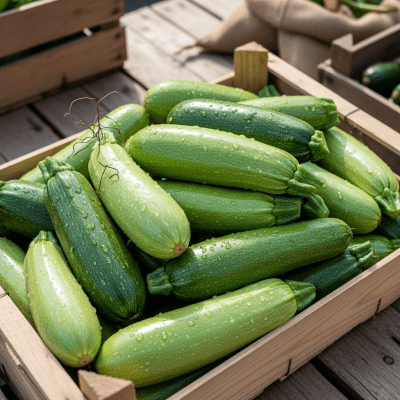
Choose zucchini that are firm, glossy, and free from blemishes, ideally harvested when 15–20 cm (6–8 inches) long for peak tenderness. Store in the refrigerator, unwashed, for up to one week. For longer preservation, zucchini can be sliced and frozen, though texture may change. Avoid overly large fruits, which tend to be watery and less flavorful.