
Bok Choy
Bok choy is a crisp, leafy green vegetable prized for its mild flavor, succulent white stalks, and versatility in Asian and global cuisines.
Bok choy is a crisp, leafy green vegetable prized for its mild flavor, succulent white stalks, and versatility in Asian and global cuisines.
Bok choy originated in China, where it has been cultivated for over 1,500 years as an ancient landrace vegetable. Its domestication history is rooted in centuries of selective breeding for desirable leaf shapes, sizes, and colors. While no single breeder or institution is credited with its initial development, modern cultivars have emerged through ongoing efforts by agricultural research bodies such as the Chinese Academy of Agricultural Sciences and regional institutions across East Asia. Today, bok choy is grown and enjoyed worldwide.
Bok choy belongs to the Brassicaceae family, genus Brassica, and is classified botanically as Brassica rapa subsp. chinensis. It is a non-heading, leafy vegetable within the broader culinary category of greens. While often called "Chinese cabbage," this term may also refer to Napa cabbage, a related subspecies. Bok choy is distinguished by its upright growth and smooth, spoon-shaped leaves, setting it apart from other brassicas like cabbage and kale.
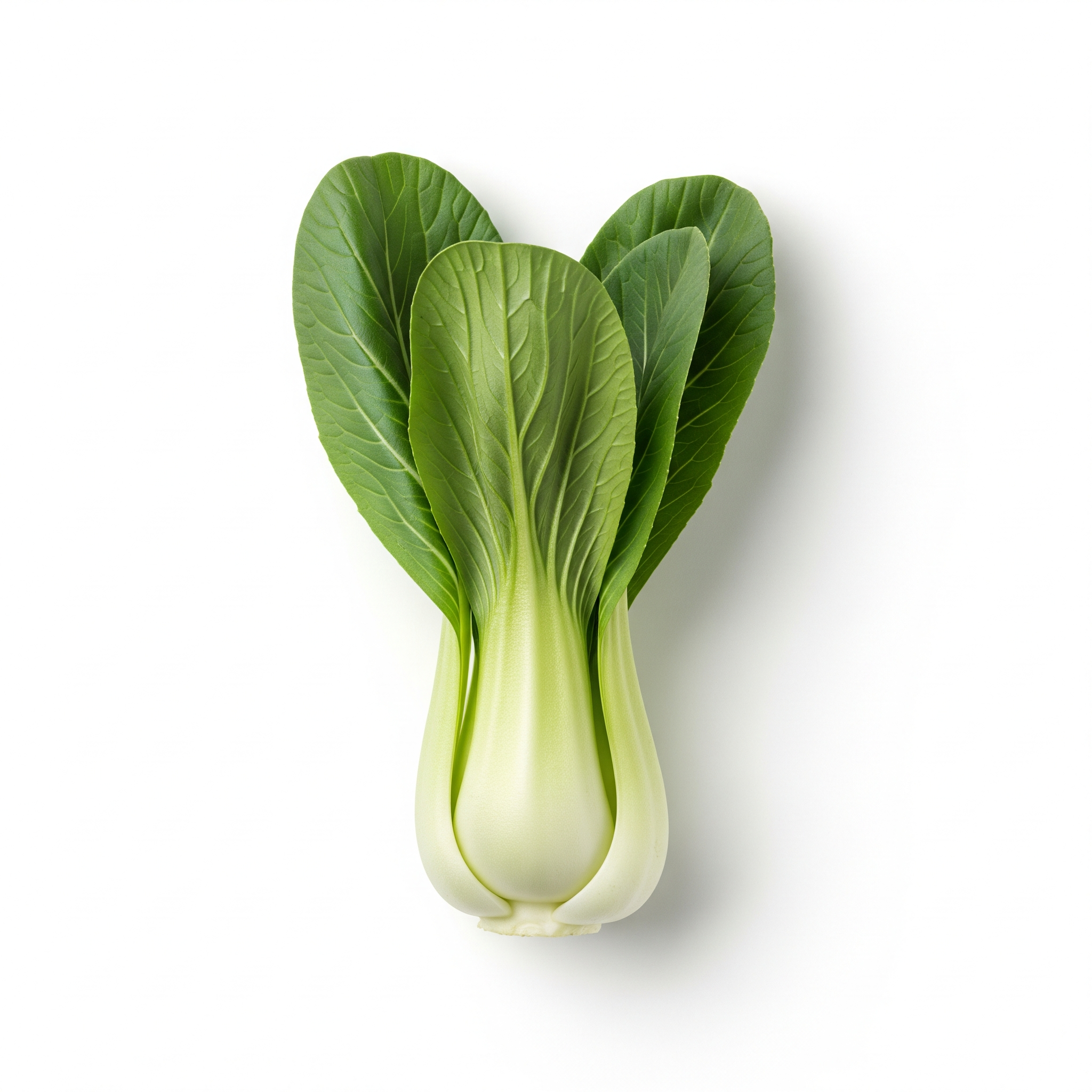
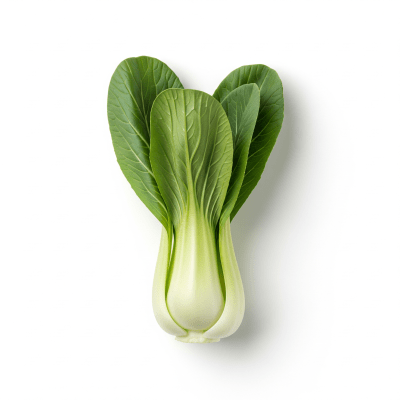
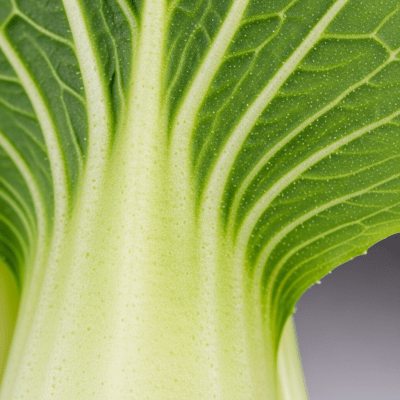
Bok choy features glossy, dark green leaves that are smooth and spoon-shaped, attached to thick, crisp white to pale green stalks. The plant typically stands 15–40 cm tall, with morphology varying between petite, tender "baby bok choy" and larger, robust standard types. Its succulent stalks provide a refreshing crunch, while the leaves are tender yet resilient, making bok choy visually striking and appealing in any dish.
Bok choy is valued for its adaptability in the kitchen and rapid growth in the field. It matures quickly—usually within 45–60 days—and thrives in cool seasons, tolerating light frost but sensitive to heat, which can cause premature flowering. In culinary contexts, bok choy is celebrated for its mild, slightly sweet flavor and crunchy texture, making it a staple in stir-fries, soups, steamed dishes, and salads. Its upright habit and non-heading form allow for easy harvesting and minimal waste.
Bring this kind into your world illustrated posters, mugs, and shirts.
Archival print, museum-grade paper
Buy Poster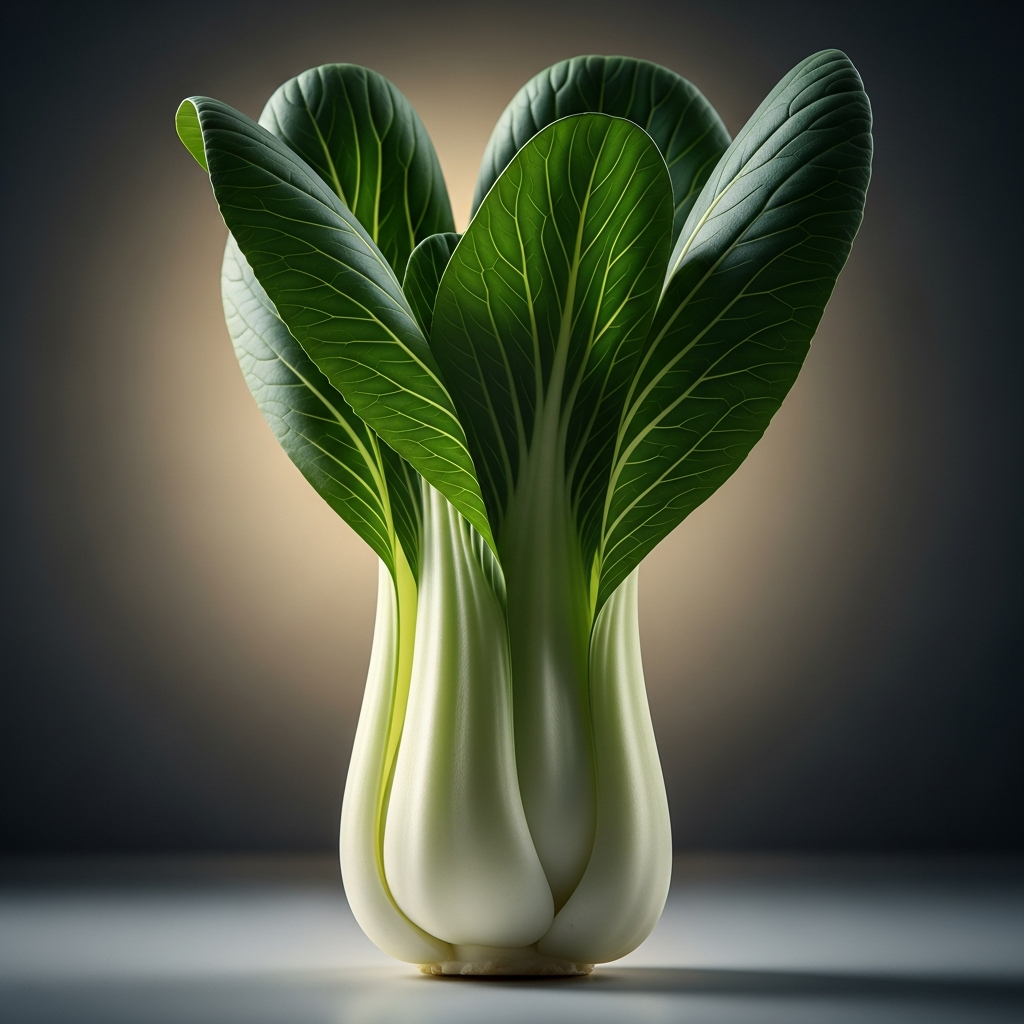
Stoneware mug, dishwasher safe
Buy Mug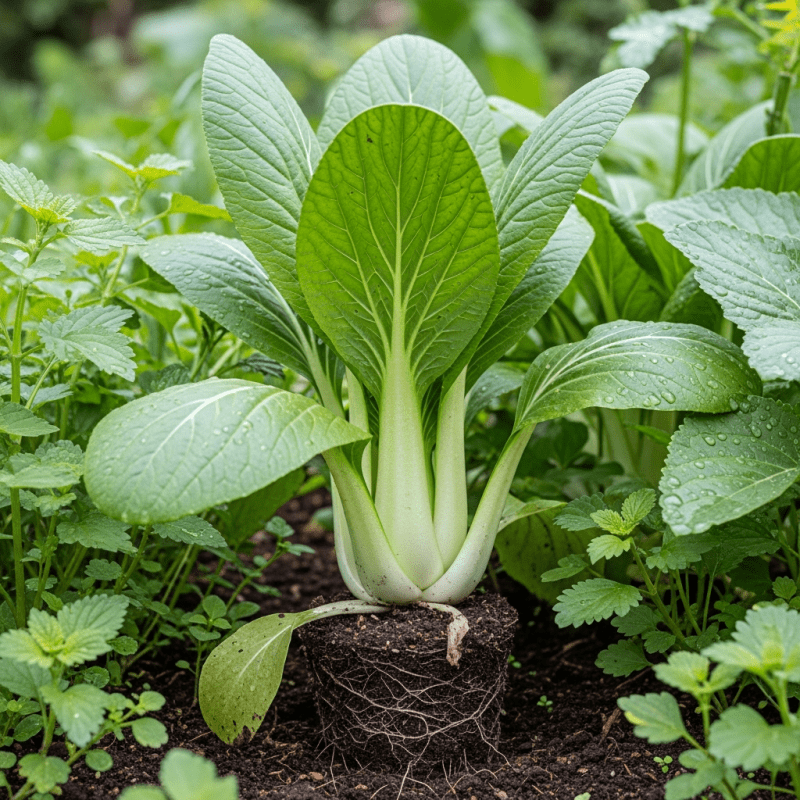
Soft cotton tee, unisex sizes
Buy ShirtDeeply woven into East Asian culinary traditions, bok choy is a symbol of nourishment and simplicity. It is a core ingredient in Chinese, Korean, and Japanese dishes, often featured in festive meals such as hot pot and dim sum. In Chinese culture, bok choy is associated with everyday home cooking and is referenced in language and art as a staple green. Its popularity has spread globally, making it a bridge between traditional Asian cuisine and contemporary fusion cooking.
Bok choy is exceptionally rich in vitamins A, C, and K, and provides a good source of folate, calcium, and dietary fiber. Its low calorie content makes it ideal for healthy diets, while its antioxidants and micronutrients support immune function, bone health, and overall wellness.
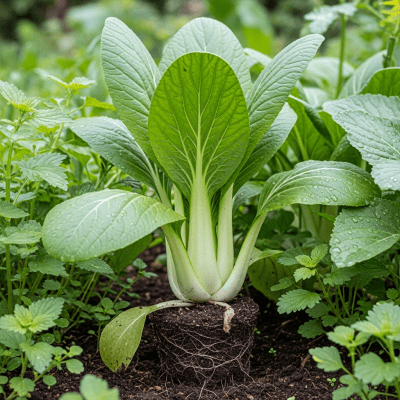
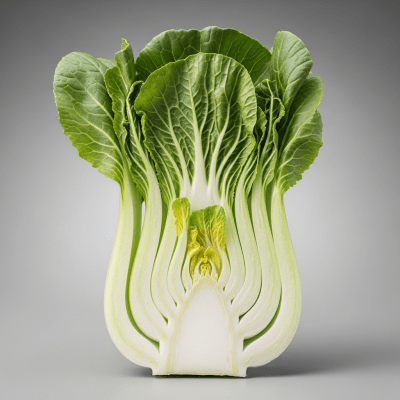
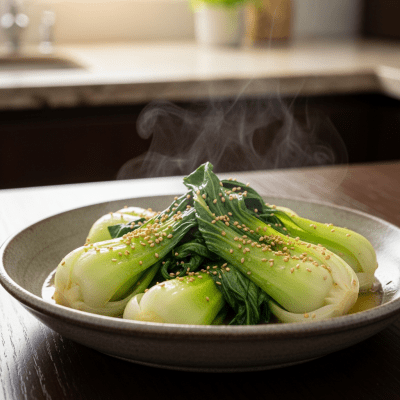
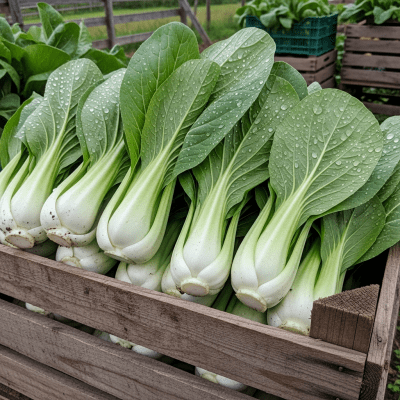
Bok choy shines in a variety of dishes—stir-fried with garlic, simmered in soups, steamed as a side, or added raw to salads. It is a key ingredient in Asian specialties such as hot pot, dim sum, and ramen, where its mild flavor and crisp texture complement bold seasonings and broths. Both the leaves and stalks are edible, making it a versatile choice for home cooks and chefs alike.
Bok choy is a cool-season crop that prefers moderate temperatures and well-drained, fertile soil. It matures rapidly, typically within 45–60 days, and can tolerate light frost but is sensitive to heat, which may cause bolting. Average yields range from 15 to 30 metric tons per hectare under optimal conditions. While moderately resistant to aphids and flea beetles, bok choy is susceptible to clubroot and downy mildew. Its storage life is short—fresh bok choy keeps for 1–2 weeks when refrigerated.
Bok choy is most commonly sold fresh, but can also be found in specialty or ethnic markets in processed forms.
Bok choy is moderately resistant to common brassica pests such as aphids and flea beetles but is vulnerable to diseases like clubroot and downy mildew. Growers should monitor for these threats and practice crop rotation and proper soil management to reduce risk.
Bok choy is known by various names across regions: in Mandarin, "青菜" (qing cai) or "小白菜" (xiao bai cai) refers to baby bok choy; in Cantonese, "白菜" (baak choi) is common. The term "Chinese cabbage" may also refer to Napa cabbage, so local context matters. Regional cultivars differ in leaf shape and stem color, with Shanghai bok choy featuring green stems and other types exhibiting classic white stalks.
When selecting bok choy, look for firm, crisp stalks and vibrant green leaves free of yellowing or wilting. Store unwashed bok choy in the refrigerator crisper drawer, ideally in a perforated bag, for up to 1–2 weeks. To preserve freshness, avoid excess moisture and use promptly, as bok choy is highly perishable. For longer storage, blanch and freeze, though texture may soften.