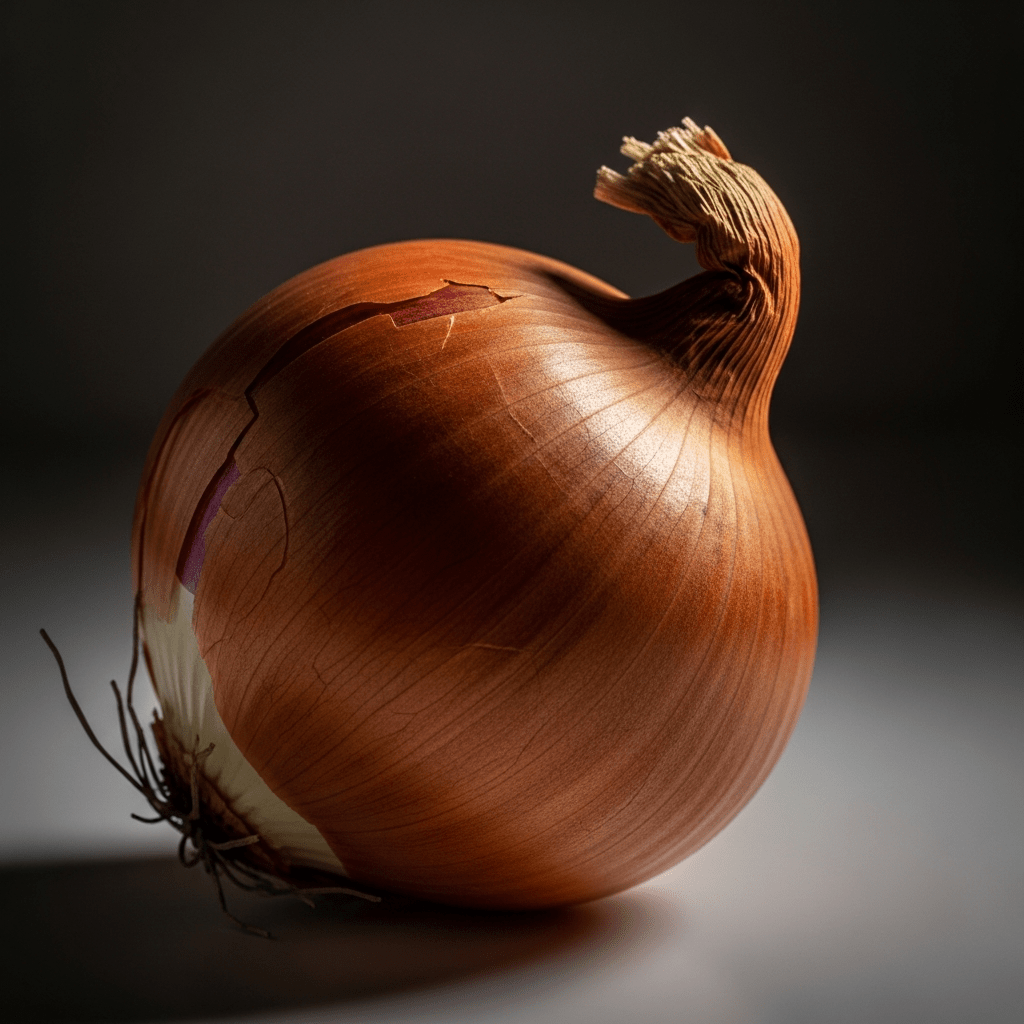
Onion
The onion is a globally essential vegetable, prized for its pungent flavor, layered bulb, and foundational role in savory cooking across cultures.
The onion is a globally essential vegetable, prized for its pungent flavor, layered bulb, and foundational role in savory cooking across cultures.
Onions trace their roots to Central Asia, where they were first cultivated over 5,000 years ago. Their ancient domestication means no single originator is credited; instead, onions have evolved through centuries of selection by farmers and breeders worldwide. Today’s diversity reflects a lineage of landraces, hybrids, and modern cultivars developed by agricultural research institutions and local growers alike.
Botanically, the onion belongs to the genus Allium within the family Amaryllidaceae, and its scientific name is Allium cepa. It is classified as a bulb vegetable in culinary and agricultural contexts, sharing close kinship with garlic, leeks, and shallots. Onions are grouped by both botanical lineage and culinary use, bridging scientific and everyday food traditions.
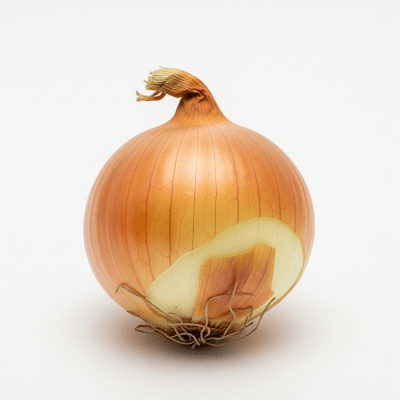
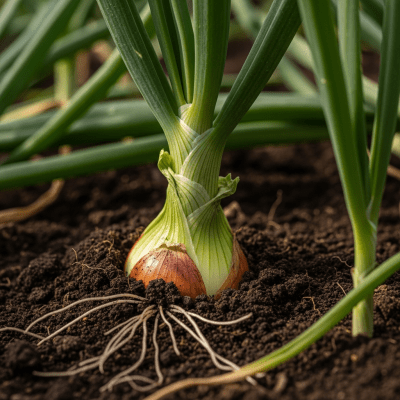
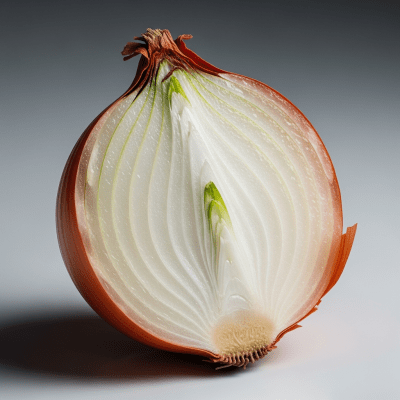
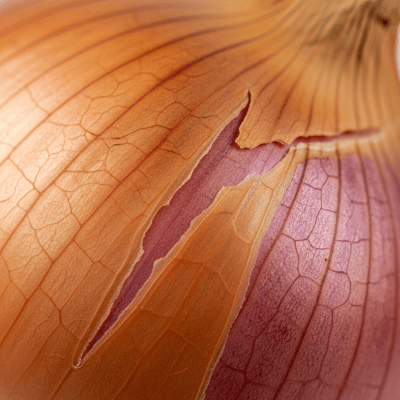
Onions are recognized by their rounded or slightly elongated bulbs, typically 5–10 centimeters in diameter, composed of concentric fleshy layers. Bulb colors range from white and yellow to red and purple, with a papery outer skin. Above ground, onions produce hollow, cylindrical green leaves, and in their second year, they send up tall stalks topped with clusters of small, white flowers. When cut, onions release a sharp aroma that brings tears to the eyes—an iconic sensory trait.
Onions are exceptionally versatile in the kitchen, serving as a base ingredient, seasoning, or main component in countless recipes. They can be eaten raw, cooked, pickled, or dehydrated, and are integral to soups, stews, salads, sauces, and spice blends. Beyond flavor, onions contribute texture, aroma, and even preservative qualities to dishes. Their robust storage life and adaptability make them a staple for home cooks and food industries worldwide.
Bring this kind into your world illustrated posters, mugs, and shirts.
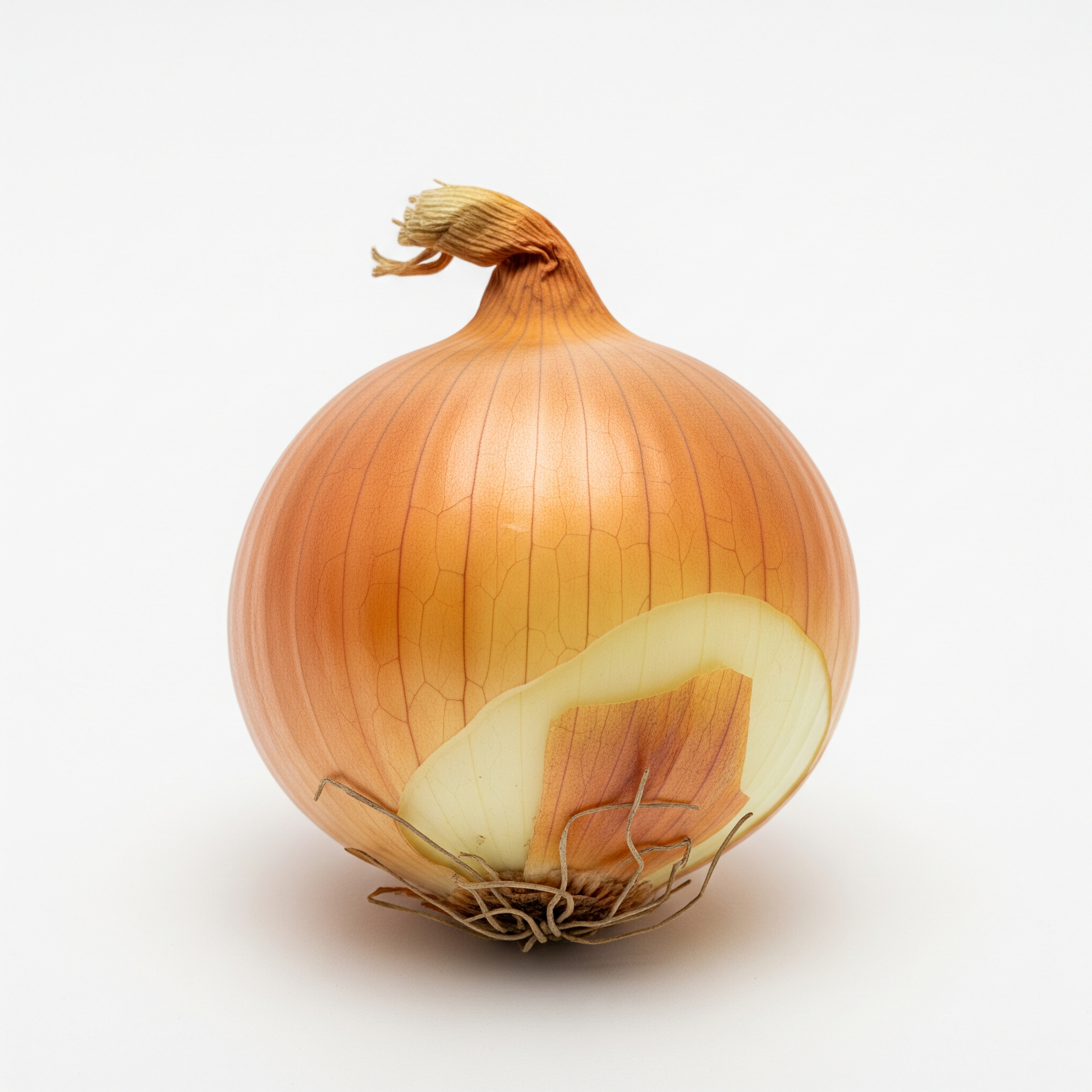
Archival print, museum-grade paper
Buy Poster
Stoneware mug, dishwasher safe
Buy Mug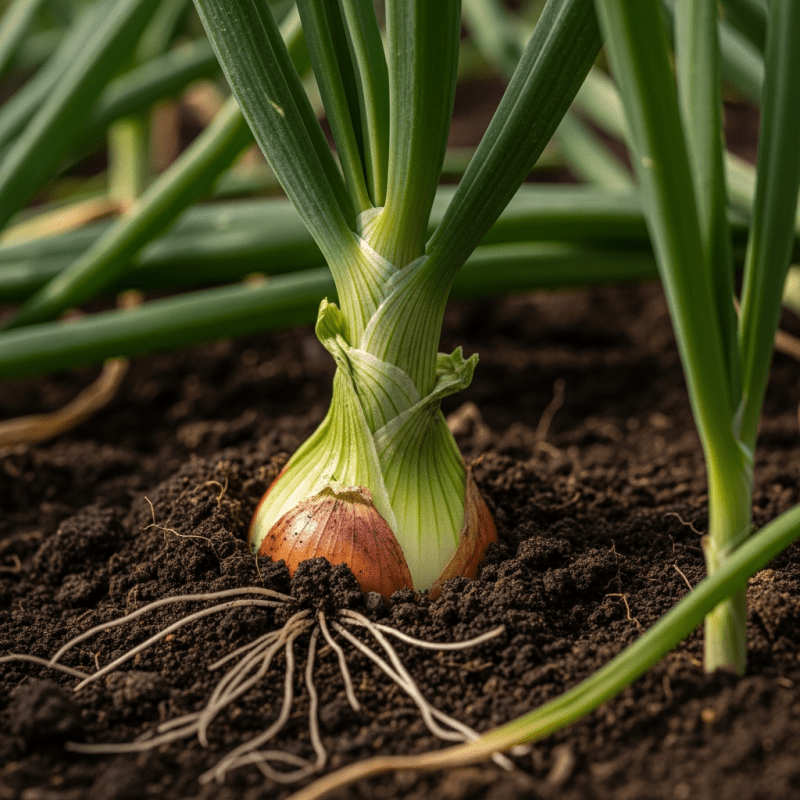
Soft cotton tee, unisex sizes
Buy ShirtThroughout history, onions have held symbolic and practical importance in many cultures. Ancient Egyptians revered them as symbols of eternity, while in modern times, onions appear in folklore, proverbs, and national cuisines from France to India. Their ubiquity in global cooking and frequent appearance in art, literature, and even religious rituals underscore their enduring cultural resonance.
Onions are low in calories yet rich in vitamin C, dietary fiber, and antioxidants. They contain beneficial sulfur compounds, which may support heart health and immune function. Their nutritional profile makes them a valuable addition to a balanced diet.
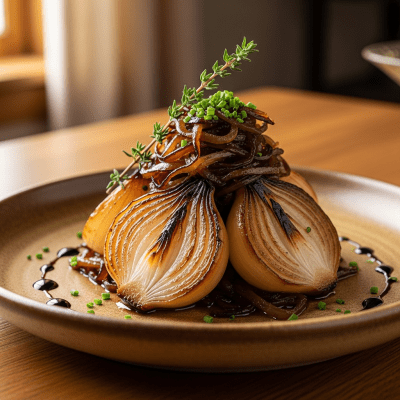
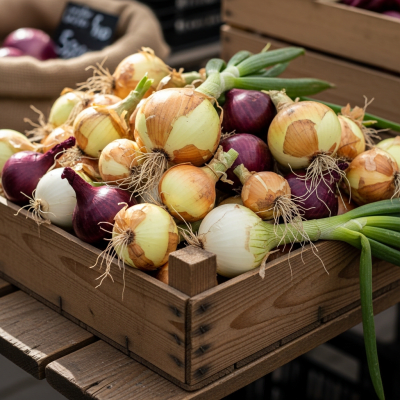
Onions are used in nearly every cuisine, providing a flavor base for soups, stews, sauces, and stir-fries. They can be sautéed, caramelized, roasted, grilled, pickled, or eaten raw. Dehydrated and powdered forms are common in spice blends, while sweet and specialty onions shine in salads and as garnishes. Their versatility makes them indispensable in both home and professional kitchens.
Onions are typically grown as annuals, though they are biennial by nature. They thrive in well-drained soils and moderate climates, with optimal growth temperatures between 13–24°C. Cultivation requires careful management of watering and disease, and yields can range from 20 to 60 metric tons per hectare depending on variety and conditions. Some cultivars are bred for long storage life, while others are valued for sweetness or disease resistance.
Onions show tolerance to some fungal pathogens like Fusarium and pests such as onion thrips, but remain susceptible to downy mildew and bacterial soft rot. Breeding efforts continue to improve resistance, but careful crop rotation and field hygiene are essential for healthy yields.
Onions are known by many names worldwide—cebolla in Spanish, oignon in French, Zwiebel in German—and are adapted to diverse climates and cuisines. Leading producers include China, India, and the United States, each with distinctive local cultivars and culinary traditions. Regional preferences influence onion color, flavor, and typical uses, from sweet Vidalias in the American South to pungent red onions in Mediterranean salads.
For best quality, select onions that are firm, heavy for their size, and free of soft spots or sprouting. Store whole bulbs in a cool, dry, well-ventilated place—never in plastic bags or near potatoes. Properly stored, many varieties will keep for months. Once cut, onions should be refrigerated and used within a few days. Specialty types like sweet or fresh onions may have shorter shelf lives and require gentler handling.