
Kale
Kale is a hardy leafy green vegetable, prized for its frilly or flat leaves and exceptional nutritional value, making it a staple in health-conscious and traditional cuisines worldwide.
Kale is a hardy leafy green vegetable, prized for its frilly or flat leaves and exceptional nutritional value, making it a staple in health-conscious and traditional cuisines worldwide.
Kale traces its roots to the eastern Mediterranean and Asia Minor, with cultivation dating back at least 4,000 years. As a non-heading form of Brassica oleracea, kale was developed through centuries of selection rather than hybridization. Its domestication predates modern plant breeding, with no single breeder or institution credited—kale's heritage is truly ancient, shaped by generations of farmers across diverse cultures.
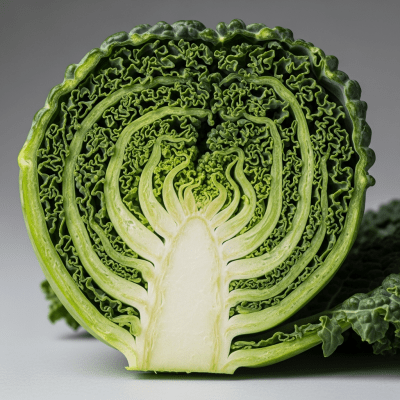
Kale belongs to the Brassicaceae family, which includes other cruciferous vegetables like cabbage, broccoli, and Brussels sprouts. Botanically, it is classified as Brassica oleracea var. acephala, meaning it is a variety of cabbage that does not form a central head. In culinary terms, kale is grouped among leafy greens, valued for its edible foliage and versatility in savory dishes.
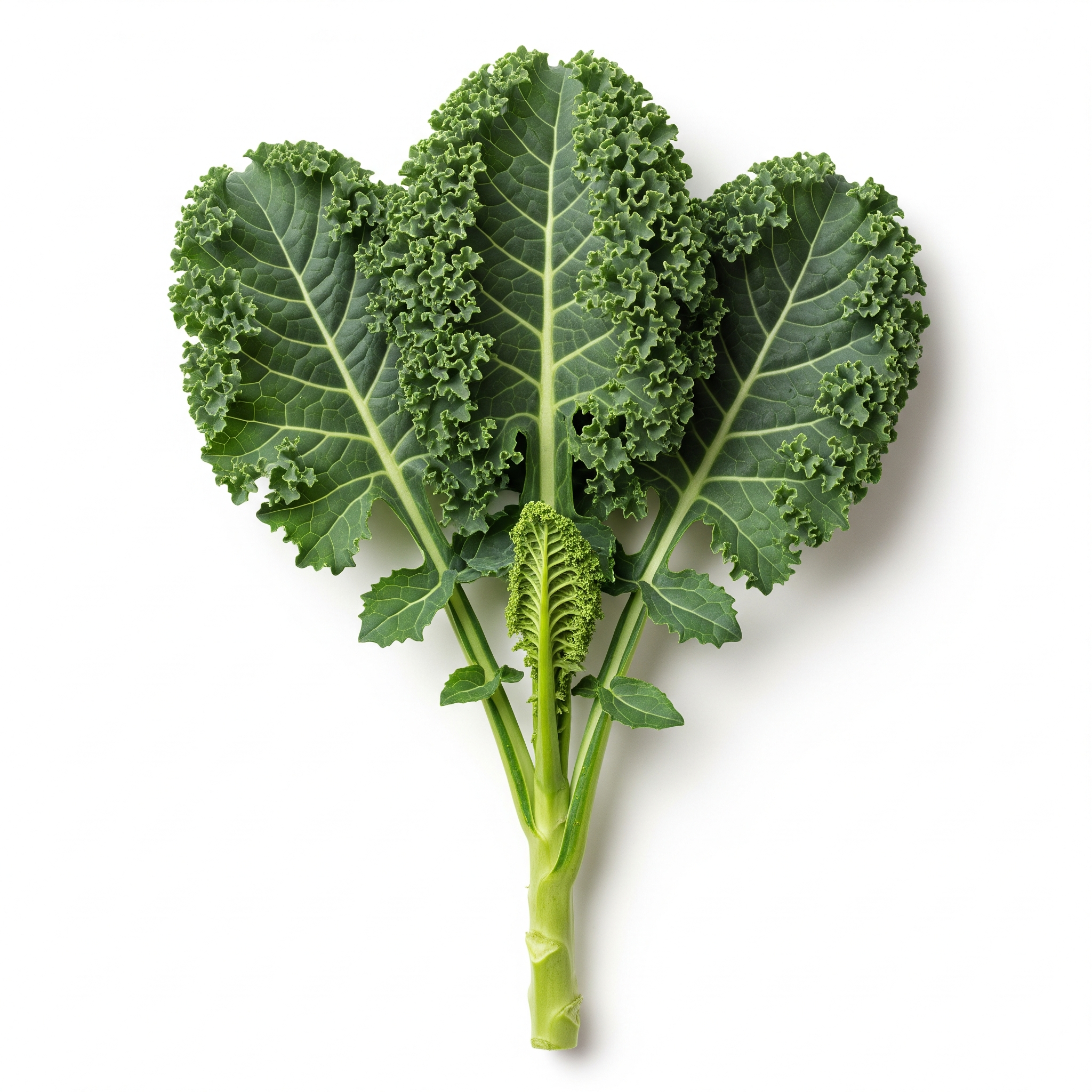
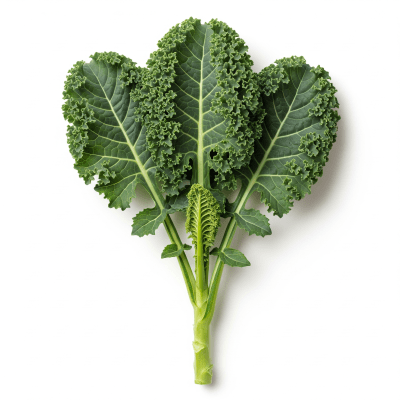
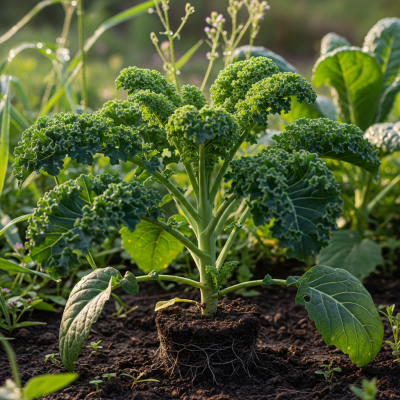
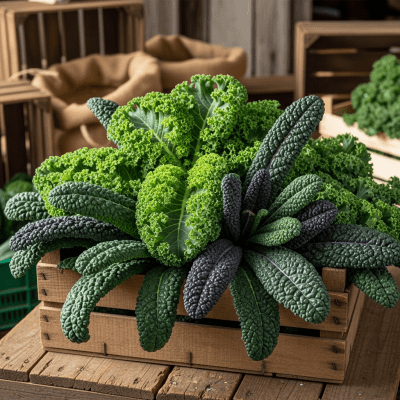
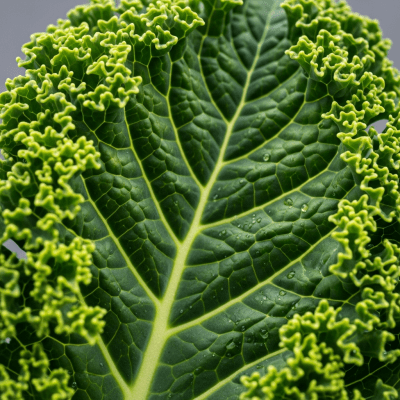
Kale plants feature large, textured leaves that may be curly, frilly, or flat, depending on the cultivar. Leaf colors range from deep green and blue-green to vibrant purple. The plant typically grows 30–90 cm (12–36 inches) tall, with robust stems and a bushy habit. The leaves are sturdy, slightly coarse to the touch, and often display a waxy sheen—qualities that contribute to kale's resilience and distinctive mouthfeel.
Kale is cultivated primarily for its edible leaves, which can be harvested continuously over several months. Its cold tolerance allows it to thrive in cooler climates and even improve in flavor after frost. In the kitchen, kale is used raw in salads, cooked in soups and stews, sautéed, or baked into chips. Beyond human consumption, kale also serves as animal fodder in some regions, reflecting its versatility and agricultural value.
Bring this kind into your world illustrated posters, mugs, and shirts.
Archival print, museum-grade paper
Buy Poster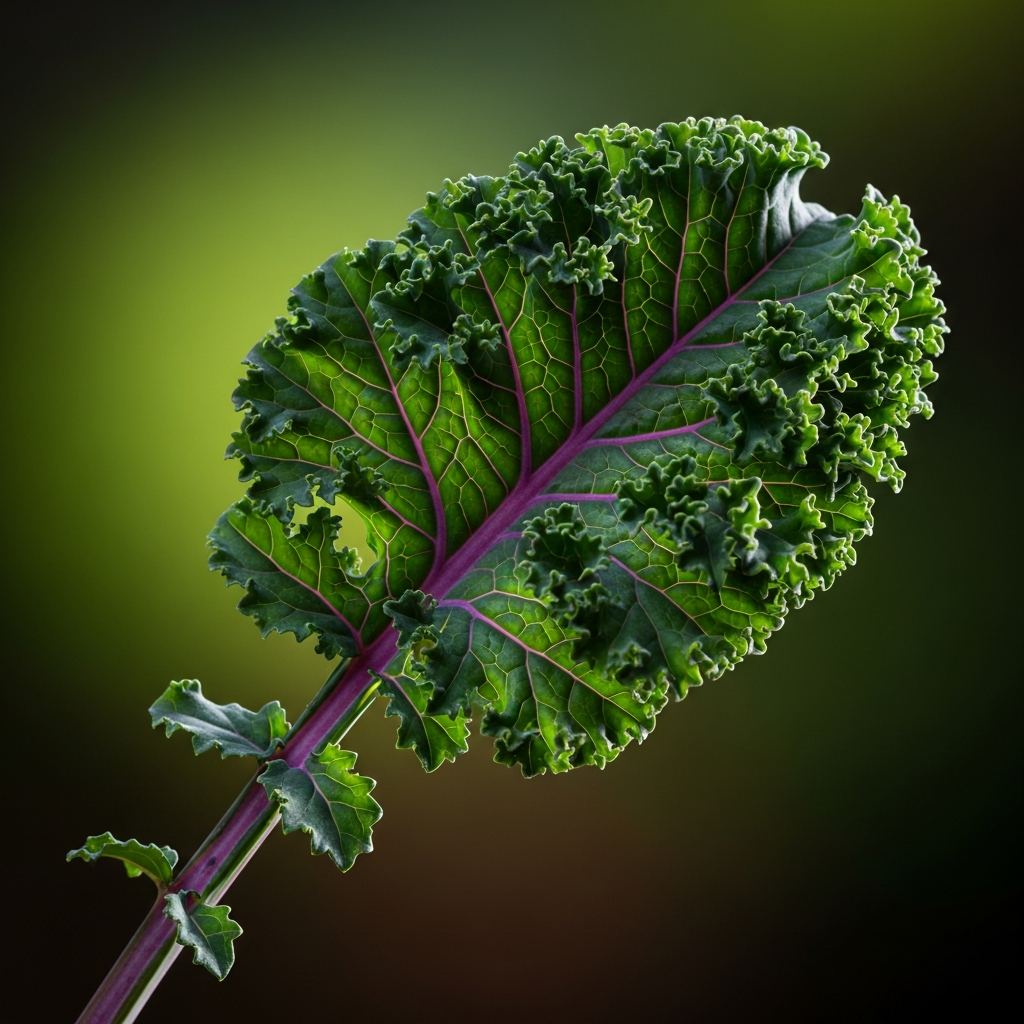
Stoneware mug, dishwasher safe
Buy Mug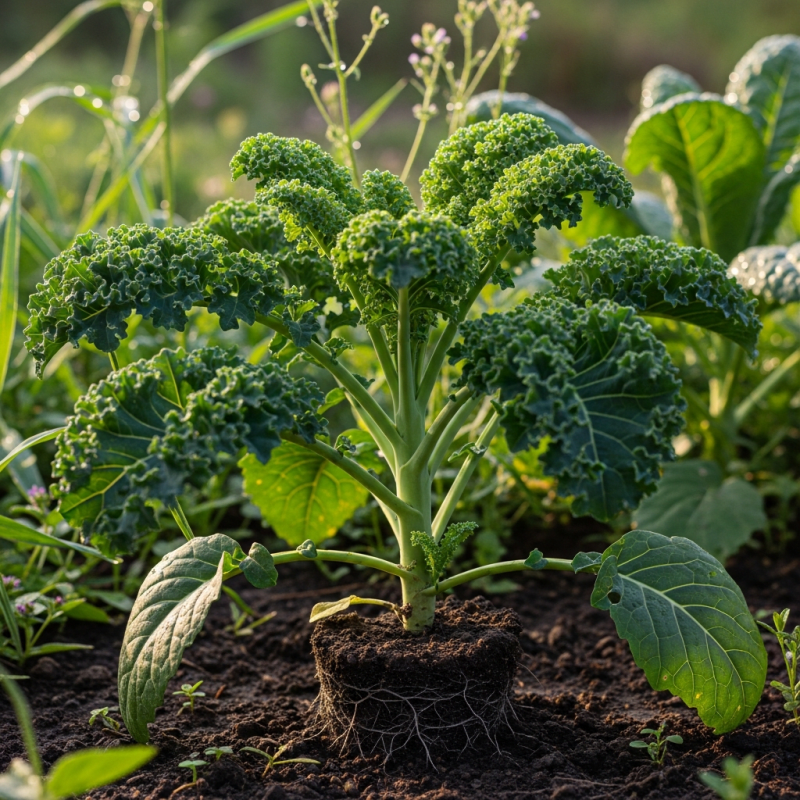
Soft cotton tee, unisex sizes
Buy ShirtKale has enjoyed a resurgence in global popularity, especially as a symbol of healthy eating and wellness. In Germany, "Grünkohl" is celebrated in winter festivals, while Italy's "cavolo nero" (Lacinato kale) is central to classic Tuscan dishes. In East Africa, "sukuma wiki" is a daily staple, sustaining communities with its affordability and nutrition. Kale's presence in art, social media, and food trends underscores its enduring cultural relevance.
Kale is renowned for its robust nutrient density. It is exceptionally high in vitamins A, C, and K, and provides significant amounts of fiber, antioxidants, and minerals like calcium and iron. Regular consumption supports immune function, bone health, and overall wellness, making kale a standout choice for nutrient-rich diets.
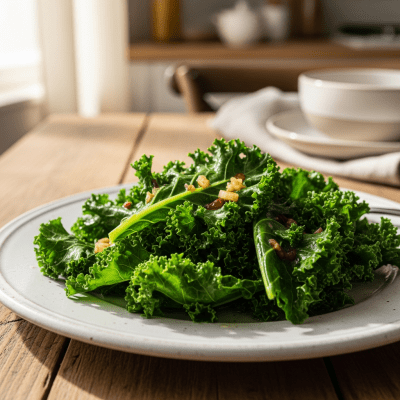
Kale's versatility shines in the kitchen. It is enjoyed raw in salads and slaws, sautéed or steamed as a side dish, simmered in soups and stews, and baked into crispy chips. Kale can also be blended into smoothies, processed into powders or juices, and used as a garnish. Its sturdy leaves hold up well to cooking, making it a favorite in both traditional and modern recipes.
Kale is a biennial plant typically grown as an annual for its leaves. It thrives in cool climates and tolerates frost, which can enhance its flavor. Optimal growth occurs in well-drained, fertile soils with regular moisture. Commercial yields average 10–15 tons per hectare, with continuous harvesting possible over several months. Kale is relatively resistant to pests and diseases, though cabbage worms, aphids, and clubroot can pose challenges. Fresh leaves store well under refrigeration for up to two weeks.
Kale is generally resilient but can be affected by cabbage worms, aphids, and clubroot. Good crop rotation, monitoring, and integrated pest management help maintain healthy plants. Some cultivars offer improved resistance, but vigilance is key for successful cultivation.
Kale is known by many names around the world: "Grünkohl" in Germany, "cavolo nero" in Italy (especially for Lacinato), and "sukuma wiki" in East Africa. Regional cultivars differ in leaf shape, color, and culinary use. While "collard" is sometimes used interchangeably, it typically refers to a distinct variety with broader, smoother leaves.
When selecting kale, look for firm, vibrant leaves free from yellowing or wilting. Fresh kale can be refrigerated in a plastic bag for up to two weeks. To extend shelf life, avoid washing until ready to use. For preservation, kale can be blanched and frozen, or dehydrated for chips and powders.