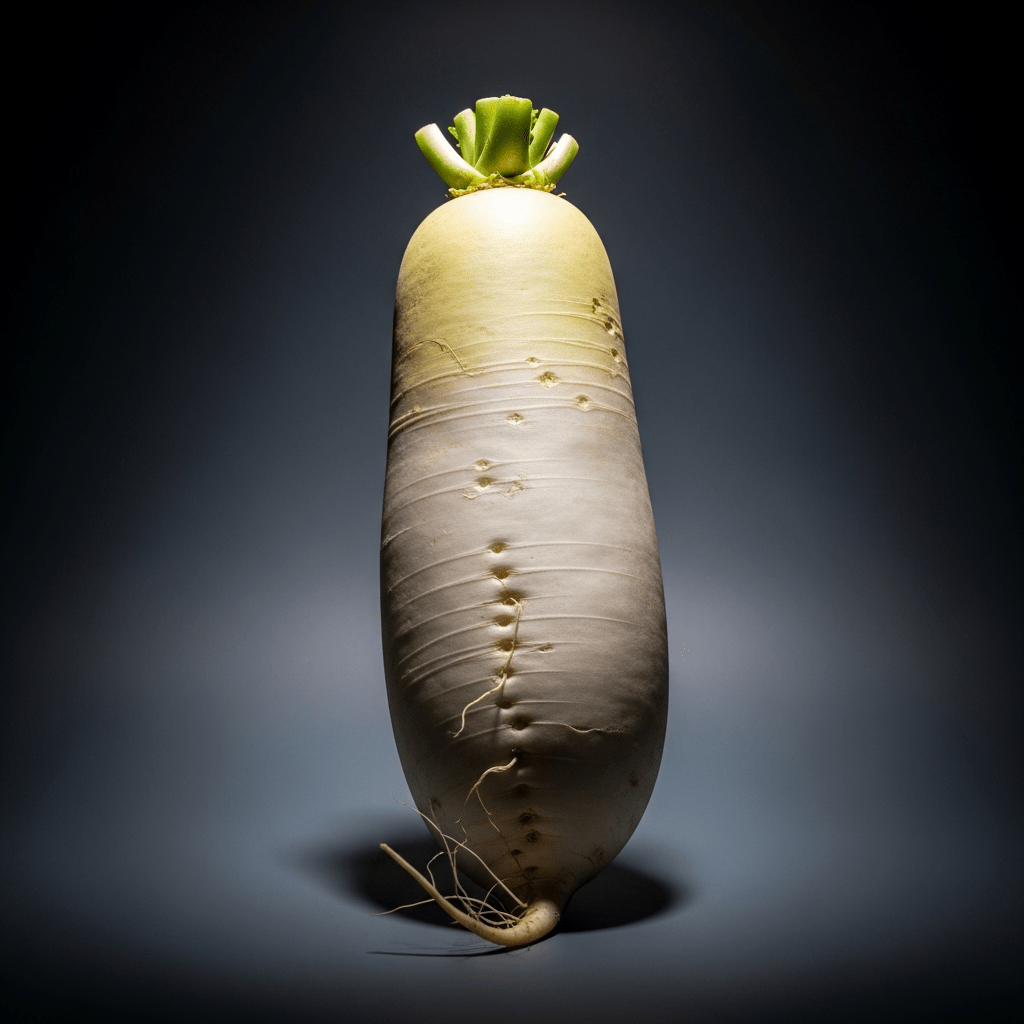
Daikon
Daikon is a large, crisp white radish prized for its mild flavor and versatility, serving as a staple root vegetable across Asian cuisines and increasingly worldwide.
Daikon is a large, crisp white radish prized for its mild flavor and versatility, serving as a staple root vegetable across Asian cuisines and increasingly worldwide.
Daikon traces its origins to the Mediterranean and Central Asia, where it was cultivated in ancient Egypt and Greece. Over centuries, it was introduced to East Asia, particularly Japan, China, and Korea, where selective breeding led to the development of modern cultivars. Today, daikon’s lineage reflects a blend of wild Raphanus sativus subspecies and local landraces, with Japanese agricultural institutions playing a key role in refining its traits for culinary and agronomic excellence.
Botanically, daikon belongs to the Brassicaceae family, within the genus Raphanus and species sativus, specifically the variety longipinnatus. In culinary terms, it is classified as a root vegetable, grouped with other edible plant roots commonly used in savory dishes. This dual classification highlights daikon’s importance in both scientific taxonomy and global food traditions.
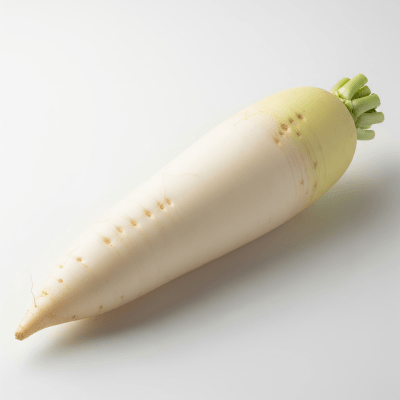
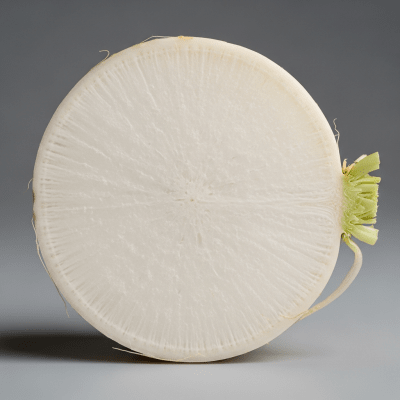
Daikon is easily recognized by its impressive size and shape: a smooth, white, cylindrical to tapered root typically measuring 15–40 cm in length and 5–10 cm in diameter. Its flesh is crisp and juicy, offering a refreshing bite, while the plant’s leafy green tops are deeply lobed. The root’s mild aroma and subtle flavor make it appealing both raw and cooked.
Daikon’s utility spans culinary, agricultural, and nutritional domains. It is consumed raw in salads, grated as a garnish, pickled for preservation, or cooked in soups, stews, and stir-fries. Agriculturally, daikon is valued for its rapid growth, cool-season adaptability, and moderate resistance to common pests. Its digestive benefits and low calorie content make it a favorite in health-conscious diets.
Bring this kind into your world illustrated posters, mugs, and shirts.
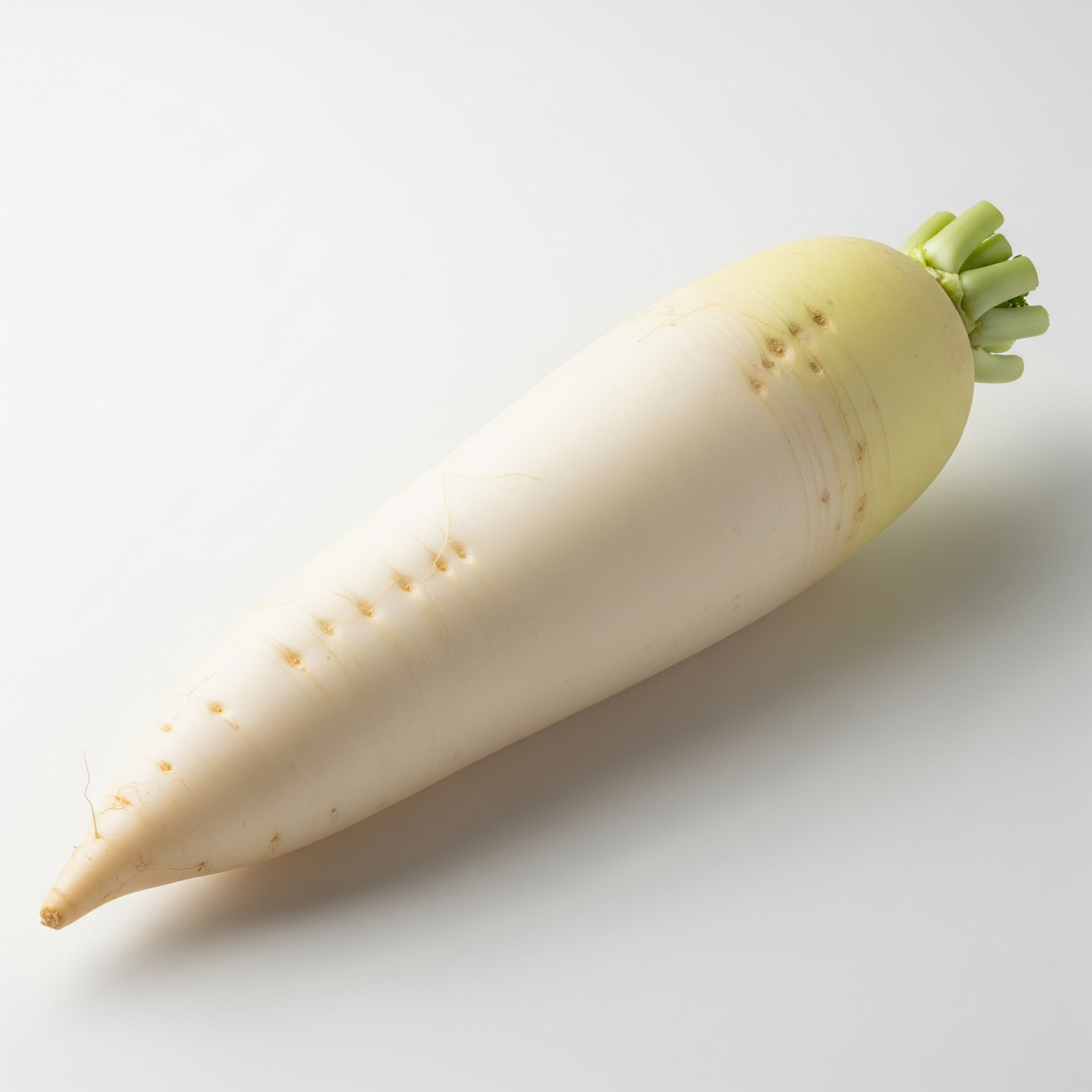
Archival print, museum-grade paper
Buy Poster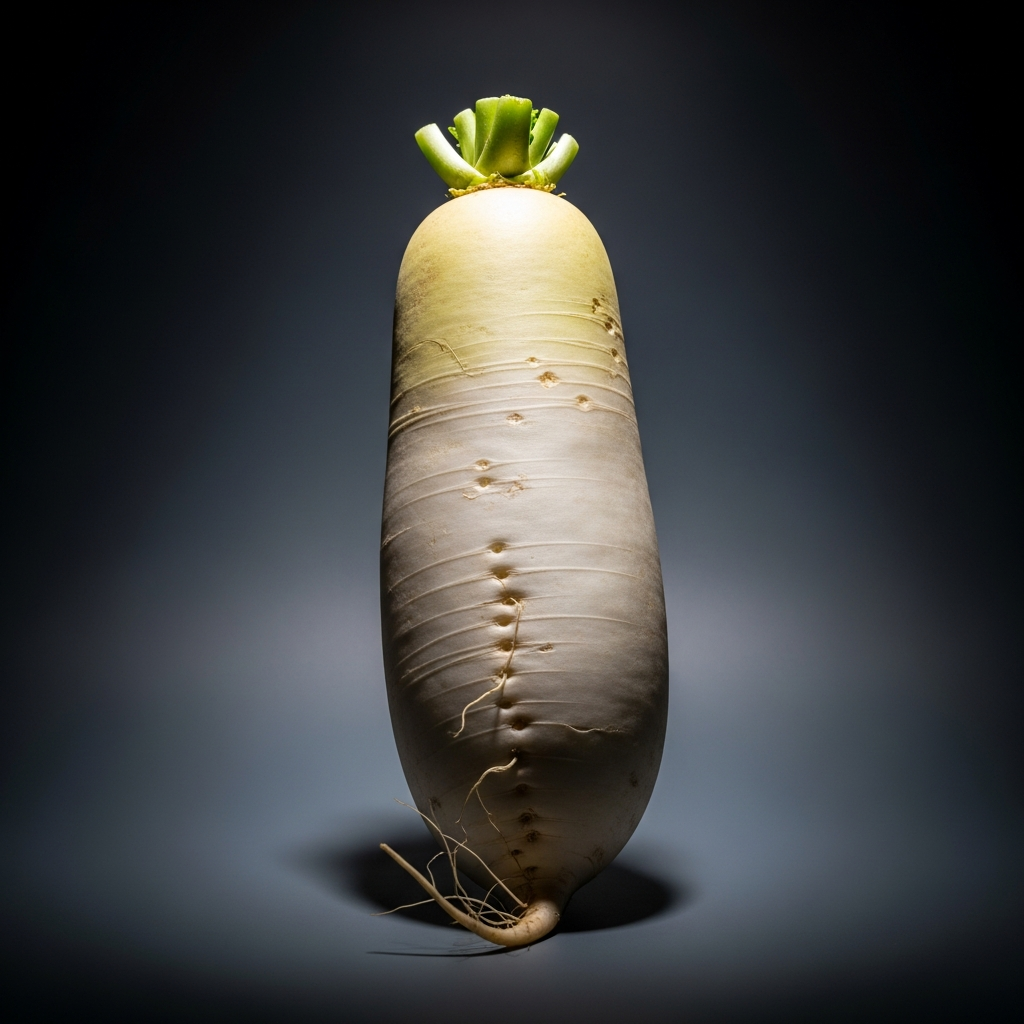
Stoneware mug, dishwasher safe
Buy Mug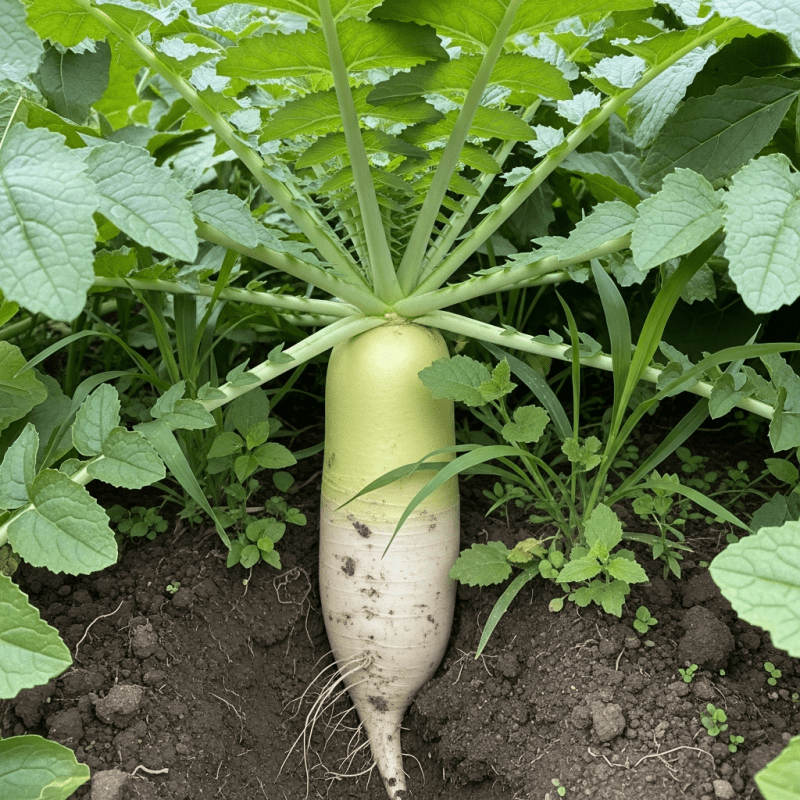
Soft cotton tee, unisex sizes
Buy ShirtDaikon holds a prominent place in East Asian culinary culture, symbolizing simplicity and nourishment in Japanese, Chinese, and Korean traditions. In Japan, grated daikon (“daikon oroshi”) is a classic accompaniment to grilled dishes, while pickled forms like takuan are staples in bento boxes. Its presence in folk art, seasonal festivals, and everyday meals underscores its deep-rooted cultural resonance.
Daikon is low in calories and rich in vitamin C, potassium, and dietary fiber. It contains natural enzymes that support digestion, making it a popular choice for light, healthful meals. Its high water content and mild flavor contribute to its reputation as a cleansing, refreshing vegetable.

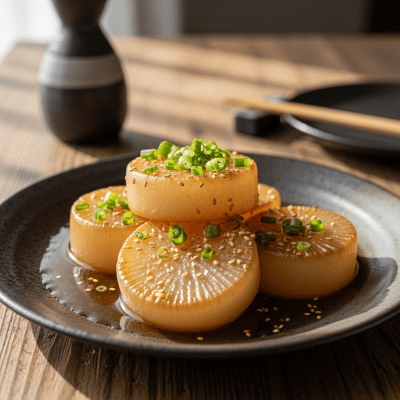
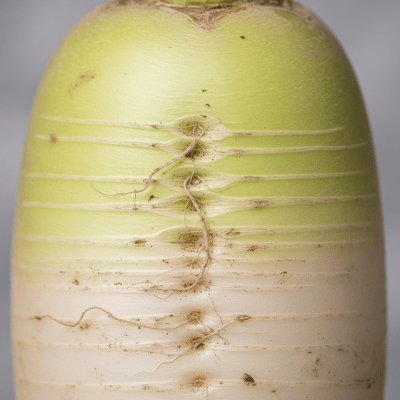
Daikon’s versatility shines in the kitchen: it is sliced raw for salads, grated as “daikon oroshi” for garnishes, pickled into takuan or danmuji, and cooked in soups, stews (such as Japanese oden), and stir-fries. It is also dried into strips for use in savory broths and snacks, and features prominently in kimchi and braised dishes across Asia.
Daikon thrives as a cool-season crop, preferring well-drained, loose soils and tolerating light frost. The plant matures rapidly, with a crop cycle of 50–70 days from sowing to harvest. Under optimal conditions, yields can reach 25–40 tons per hectare. Proper storage is essential to prevent dehydration and softening, with refrigerated roots lasting 2–4 weeks.
These categories reflect daikon’s adaptability to both home kitchens and commercial food processing.
Daikon exhibits moderate resistance to common radish pests and diseases, such as clubroot and root-knot nematodes. However, susceptibility varies by cultivar, and growers must monitor for soil-borne pathogens and practice crop rotation to maintain healthy yields.
Daikon is known by many names worldwide, including “mooli” in South Asia, “lobak” in Southeast Asia, and “rettich” in Germany. Regional cultivars differ in shape, size, and culinary use: Japanese varieties are typically long and slender, Korean mu is shorter and rounder, and Cantonese lobak is favored for braising. Local landrace names and heritage identifiers reflect daikon’s adaptation to diverse climates and cuisines.
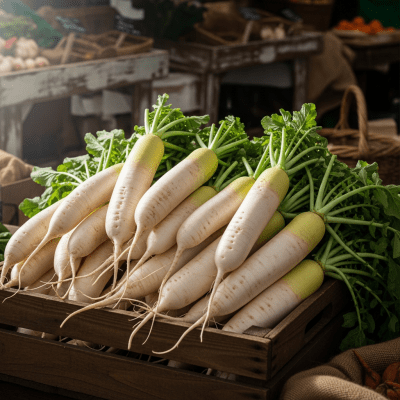
When selecting daikon, look for firm, smooth roots with vibrant green tops and no signs of dehydration or softness. Store daikon in the refrigerator, ideally wrapped to retain moisture; it will keep for 2–4 weeks. For longer preservation, daikon can be pickled or dried, extending its shelf life and culinary utility.