Beetroot
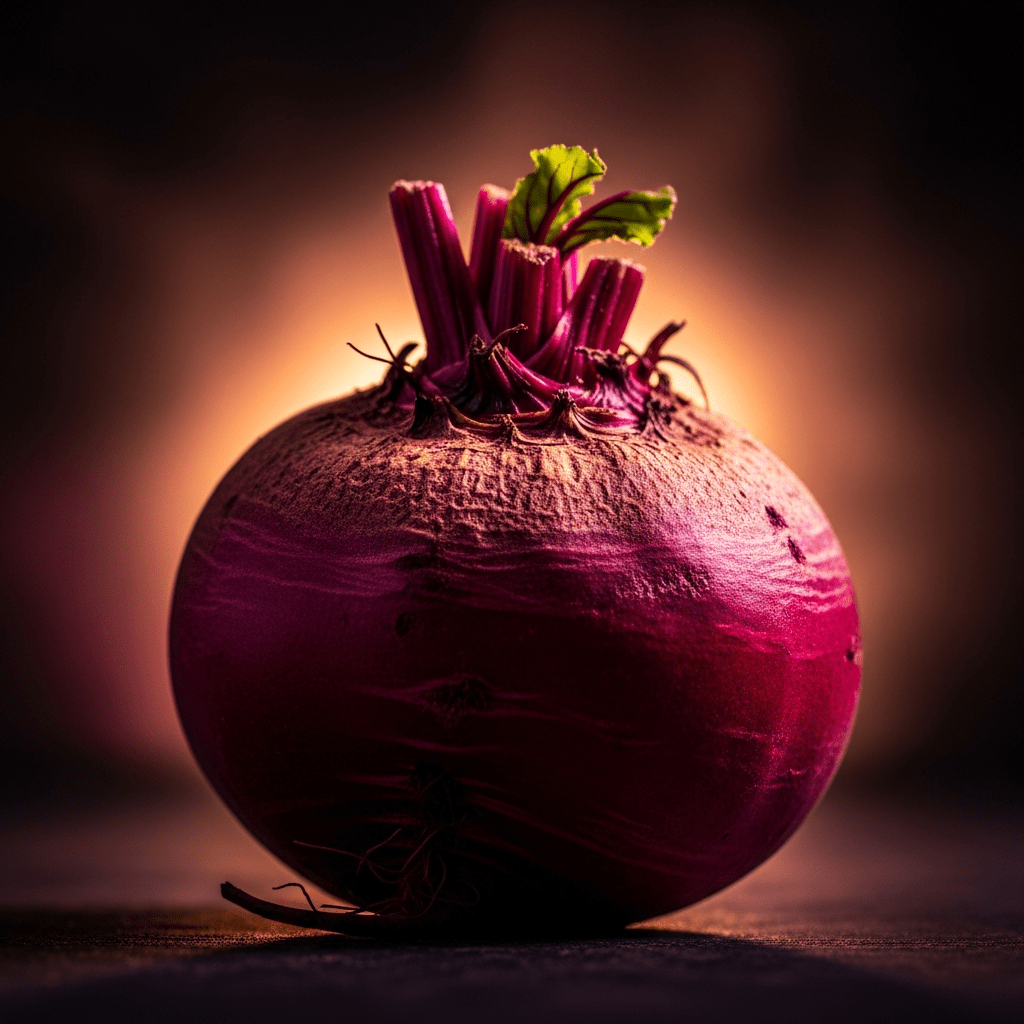
Beetroot is a vibrant root vegetable prized for its deep red-purple color, earthy flavor, and nutritional richness, widely enjoyed both fresh and processed around the world.
Beetroot is a vibrant root vegetable prized for its deep red-purple color, earthy flavor, and nutritional richness, widely enjoyed both fresh and processed around the world.
Beetroot traces its ancestry to the wild sea beet native to the Mediterranean coastline. Ancient Mediterranean civilizations began domesticating this plant before the 1st century CE, selecting for sweeter, larger roots. Over centuries, beetroot spread across Europe and North America, with modern cultivars refined through selective breeding since the 18th and 19th centuries. Today, its lineage reflects a blend of ancient heritage and modern agricultural innovation.
Botanically, beetroot is classified as Beta vulgaris subsp. vulgaris in the Amaranthaceae family. It belongs to the root vegetable category, distinguished by its edible taproot and leafy greens. While its culinary identity is firmly rooted in savory dishes, beetroot’s scientific classification aligns it with other Beta species, including sugar beet and Swiss chard.
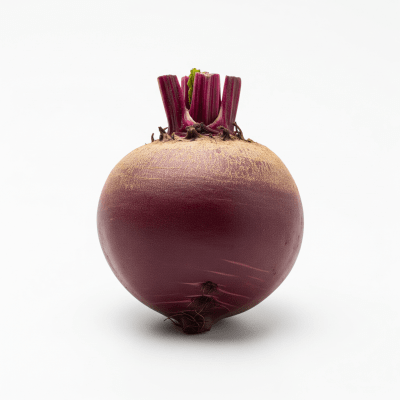
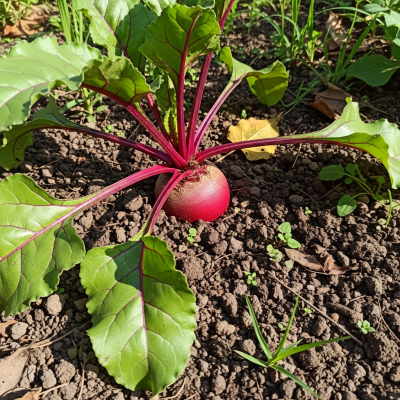
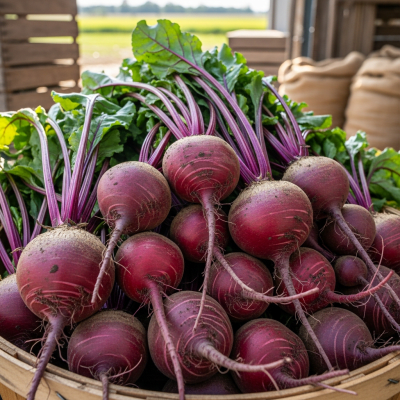
Beetroot features a swollen, globular to cylindrical taproot, typically 5–10 cm in diameter, with smooth or slightly rough skin. Its flesh is most often a striking deep red-purple, though yellow and white varieties exist. The plant’s leafy tops are green with vivid red veins, and both root and leaves are edible. When sliced, some cultivars reveal concentric rings or marbling, adding visual appeal to dishes.
Beetroot is valued for its versatility and utility. The root is consumed raw, cooked, pickled, juiced, or powdered, while the leaves—beet greens—are enjoyed in salads or cooked as a leafy vegetable. Its natural pigments are used as food coloring, and its high nitrate content makes it popular in health-focused diets. Industrially, beetroot serves as a natural colorant and animal feed, extending its use beyond the kitchen.
Bring this kind into your world illustrated posters, mugs, and shirts.
Archival print, museum-grade paper
Buy Poster
Stoneware mug, dishwasher safe
Buy Mug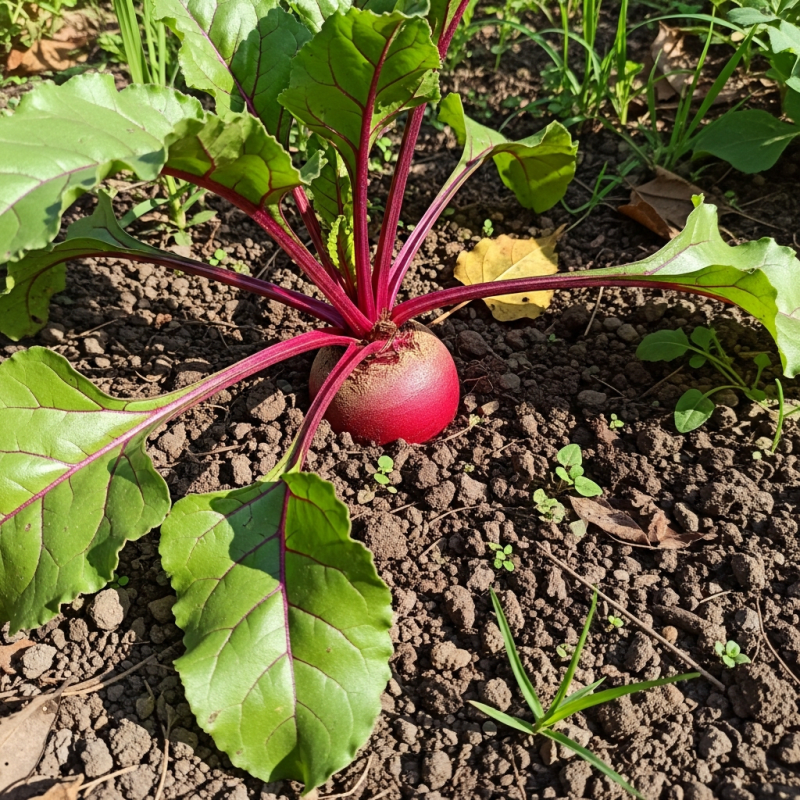
Soft cotton tee, unisex sizes
Buy ShirtBeetroot holds a prominent place in culinary traditions worldwide. In Eastern Europe, it is the heart of borscht, a beloved soup. Its vivid color and earthy taste have inspired artists and chefs alike, and it is often featured in folk remedies and contemporary health trends. Regional cultivars, such as Italy’s Chioggia beet, are celebrated for their unique appearance and flavor, while the vegetable’s symbolism in art and literature evokes themes of vitality and transformation.
Beetroot is a nutritional powerhouse, high in folate, manganese, potassium, fiber, and dietary nitrates. A 100g serving of raw beetroot provides about 43 kcal, 1.6g protein, 0.2g fat, and 9.6g carbohydrates. Its nutrient profile supports heart health, blood pressure regulation, and digestive wellness, making it a valuable addition to balanced diets.

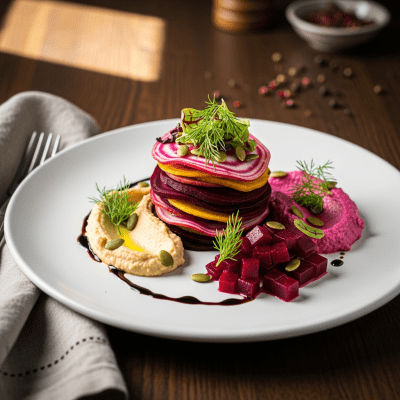

Beetroot is enjoyed in myriad ways: raw in salads for crunch and color, roasted or boiled for earthy sweetness, pickled for tangy flavor, and juiced for a vibrant drink. It stars in classic dishes like borscht and can be blended into smoothies or baked goods. Beet greens are sautéed, steamed, or added to salads, and beetroot’s pigments are used to naturally color foods.
Beetroot thrives in temperate climates, preferring well-drained, fertile soils and full sun exposure. It is typically grown as an annual, maturing in 50–90 days depending on the variety. Moderate drought and salinity tolerance make it adaptable, though it is susceptible to pests like leaf miners and diseases such as Cercospora leaf spot. Yields average 20–40 tonnes per hectare, and optimal storage conditions can preserve roots for up to five months.
Beetroot is vulnerable to leaf miners and fungal diseases such as Cercospora leaf spot. Some cultivars have been bred for improved resistance, though susceptibility varies. Integrated pest management and crop rotation help mitigate risks and maintain healthy yields.
In the US and Canada, beetroot is commonly called simply "beet." In South Asia, it features in curries and salads. The term "beet" can also refer to sugar beet in some regions, though they serve different culinary roles. Heritage varieties like Chioggia (Italy), Boltardy (UK), and Crosby Egyptian (US) reflect local preferences and traditions.
Select beetroot with firm, smooth skin and vibrant color, avoiding soft spots or shriveling. Smaller roots tend to be sweeter and more tender. Store unwashed beetroots in a cool, humid environment—ideally in the refrigerator’s vegetable drawer—for up to five months. Remove greens before storage to prolong freshness, and keep roots dry to prevent mold. Beet greens should be used within a few days for best quality.