Radish
Radish is a crisp, pungent root vegetable cultivated worldwide for its rapid growth, vibrant colors, and versatility in both raw and cooked dishes.
Radish is a crisp, pungent root vegetable cultivated worldwide for its rapid growth, vibrant colors, and versatility in both raw and cooked dishes.
Radish (Raphanus sativus) traces its origins to Southeast Asia, with ancient records of cultivation in Egypt and Greece. Over centuries, it has been domesticated and adapted to diverse climates and cuisines, resulting in a rich tapestry of regional varieties. While the exact breeder and date of domestication remain unknown, modern radishes reflect centuries of agricultural selection and cultural exchange.
Belonging to the Brassicaceae family, radish is classified botanically as Raphanus sativus. It is grouped among root vegetables in culinary traditions, sharing its family with cabbage, broccoli, and mustard. Radishes are annual or biennial herbs, grown primarily for their edible taproots, and are recognized for their wide morphological diversity across cultivars.
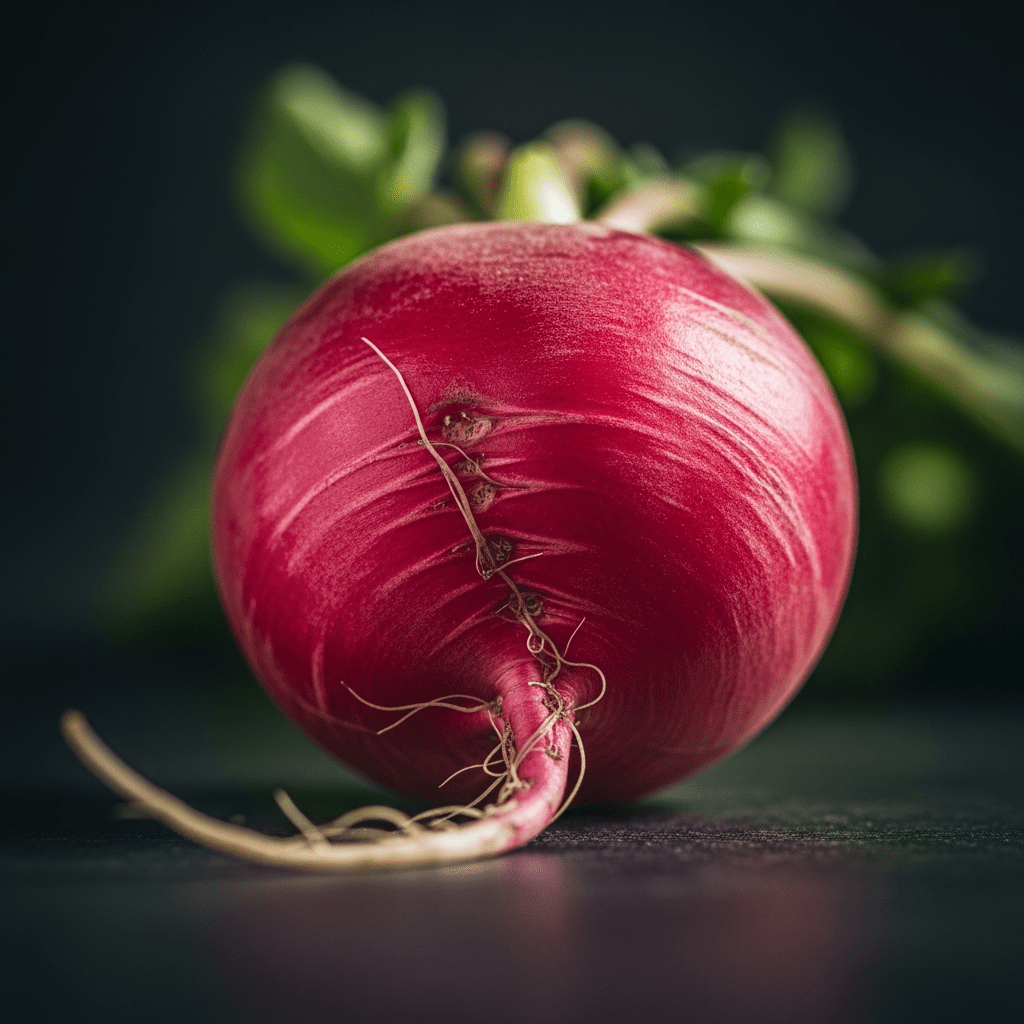
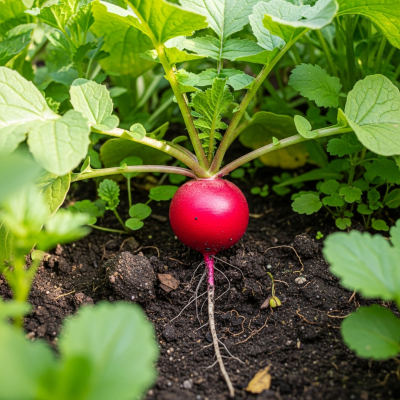
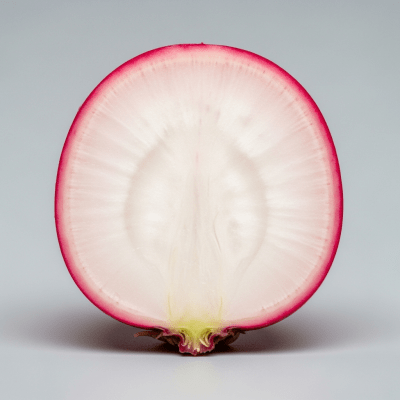
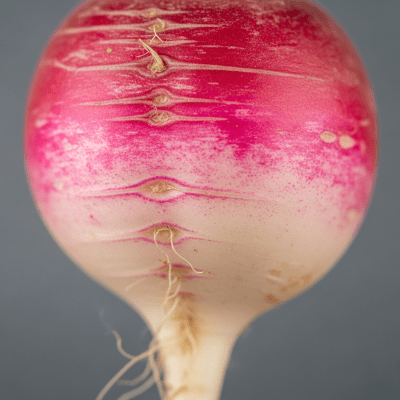
Radishes display remarkable variation in shape, size, and color. Roots may be globular, cylindrical, or elongated, ranging from petite salad types (2–4 cm diameter) to large Daikon varieties (up to 30 cm long). Their skins can be white, red, pink, purple, or black, while the interior is typically crisp and juicy. The leaves are rough-textured and pinnately lobed, adding to the plant's distinctive look. The overall sensory experience is marked by a satisfying crunch and a peppery, sometimes spicy flavor.
Radishes are prized for their rapid growth cycle, with some varieties maturing in just 20–30 days. Their crisp texture and pungent flavor make them ideal for raw consumption in salads and as garnishes. In many cultures, radishes are also pickled, fermented, or cooked in soups and stir-fries, especially in Asian cuisines. The vegetable interacts with its environment by thriving in cool temperatures and well-drained soils, making it a popular choice for home and commercial gardens alike.
Bring this kind into your world illustrated posters, mugs, and shirts.
Archival print, museum-grade paper
Buy Poster
Stoneware mug, dishwasher safe
Buy Mug
Soft cotton tee, unisex sizes
Buy ShirtRadishes hold a prominent place in global culinary traditions. In Japan, Daikon is a staple in pickles and stews; in India and Pakistan, Mooli features in salads and parathas. European cuisines celebrate varieties like French Breakfast and Rettich, while in Mexico, the "Night of the Radishes" festival showcases elaborate radish carvings. Across cultures, radishes symbolize freshness, renewal, and the ingenuity of agricultural adaptation.
Radishes are low in calories and offer a crisp, hydrating texture. They provide vitamin C, potassium, and fiber, with dietary significance varying by cultivar and growing conditions. Their peppery compounds, such as glucosinolates, contribute to both flavor and potential health benefits, including antioxidant properties.
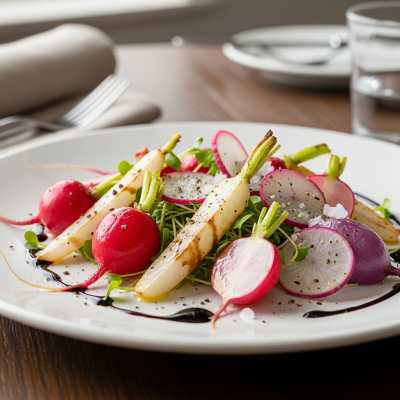

Radishes are enjoyed raw in salads, as crunchy garnishes, or sliced for sandwiches. Pickled and fermented radishes are staples in Japanese, Korean, and Chinese cuisines. Daikon is often stewed, grated, or used in soups, while smaller varieties are ideal for snacking and adding zest to dishes. Radish microgreens and sprouts are increasingly popular for their spicy flavor and nutritional punch.
Radishes thrive in cool climates and well-drained, fertile soils. Their rapid growth allows for multiple plantings in a single season, with some types ready for harvest in just 20–30 days. Commercial yields average 10–20 tonnes per hectare. While tolerant of cool temperatures, radishes are sensitive to drought and require consistent moisture for optimal root development. Storage life is short, typically 1–2 weeks refrigerated, though Daikon varieties store longer.
Radishes exhibit moderate resistance to flea beetles but are susceptible to root maggots and various fungal diseases. Disease pressures and pest resistance can vary by cultivar and growing conditions, making integrated pest management and crop rotation important for healthy yields.
Radish varieties and naming differ widely across regions. In East Asia, Daikon is the preferred large, white type, while "Mooli" is common in South Asia. Germany favors Rettich, and French Breakfast radishes are popular in Europe. These regional distinctions influence culinary uses, market preferences, and even cultural celebrations.
When selecting radishes, look for firm, brightly colored roots with fresh, green leaves. Avoid soft spots or shriveled skin. Store radishes in the refrigerator, ideally separated from their leaves, for up to 1–2 weeks. Daikon and larger varieties may keep longer if stored in a cool, humid environment. For extended preservation, consider pickling or fermenting radishes to enjoy their flavor year-round.