
Okra
Okra is a warm-climate vegetable prized for its edible green pods, mucilaginous texture, and culinary versatility across Africa, Asia, and the Americas.
Okra is a warm-climate vegetable prized for its edible green pods, mucilaginous texture, and culinary versatility across Africa, Asia, and the Americas.
Okra (Abelmoschus esculentus) traces its roots to the region spanning Ethiopia, Sudan, and West Africa, where it was first cultivated and valued for its resilience and nutrition. Over centuries, okra spread to South Asia and the Americas via trade and colonial exchanges, becoming a staple in diverse food cultures. Its scientific description dates to the 18th century, but the vegetable’s history is deeply intertwined with traditional agriculture and landrace selection, rather than formal breeding programs.
Botanically, okra belongs to the Malvaceae family, genus Abelmoschus, and species esculentus. In culinary contexts, it is considered a "fruit vegetable" because its immature pods are eaten as a vegetable. Okra’s classification bridges scientific taxonomy and global culinary traditions, with its edible pods setting it apart within the broader vegetable group.
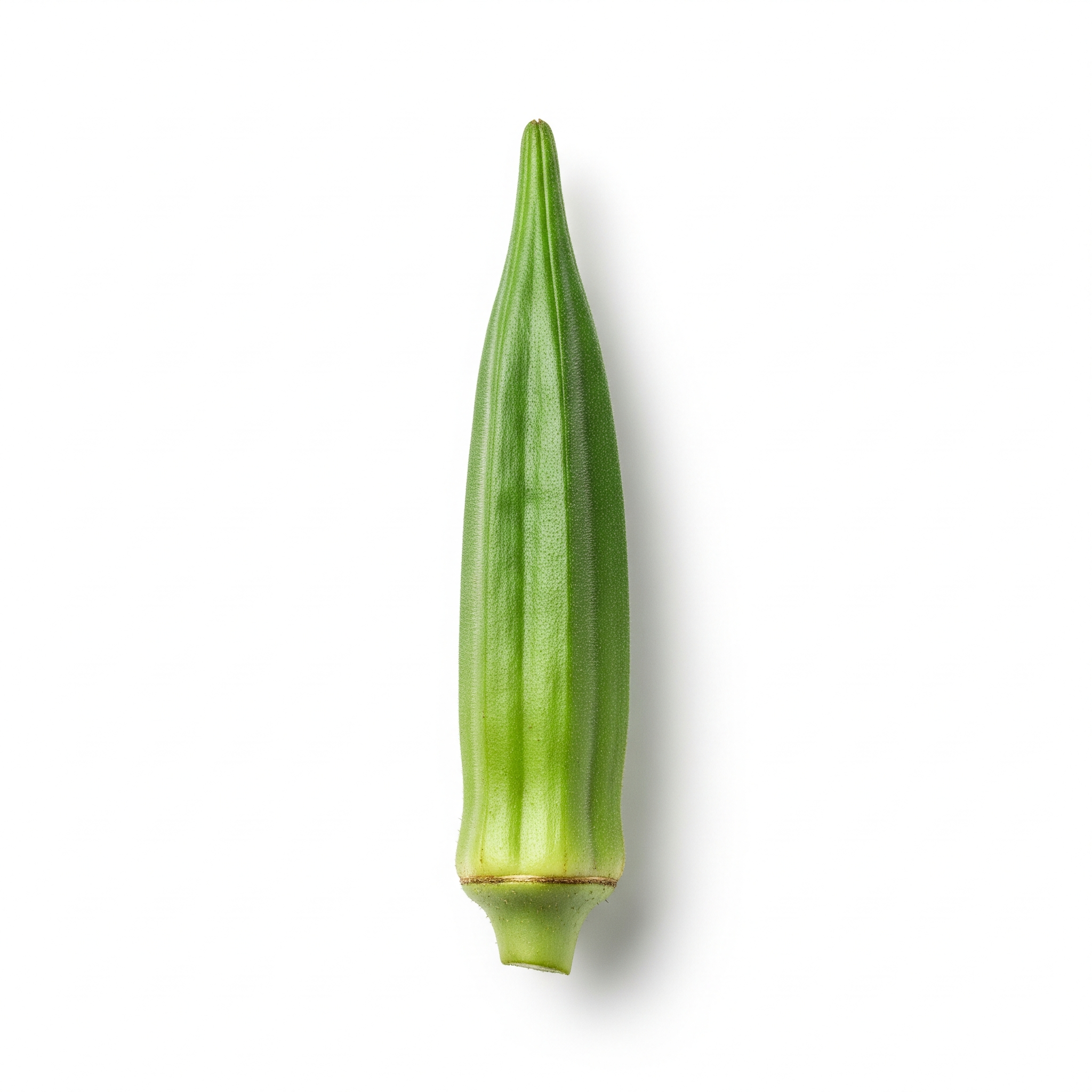
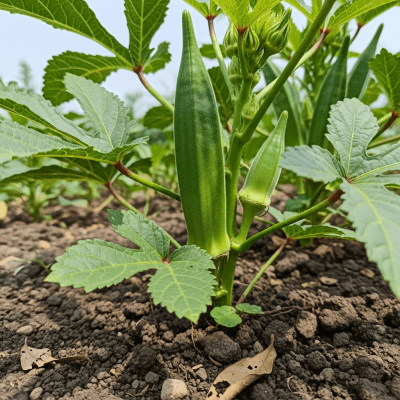
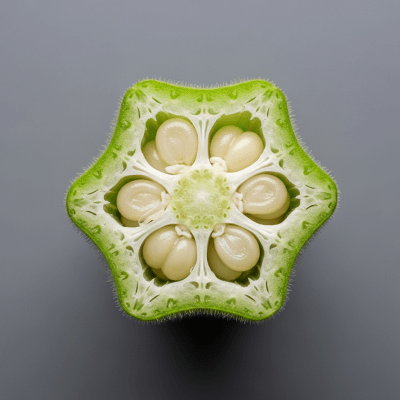
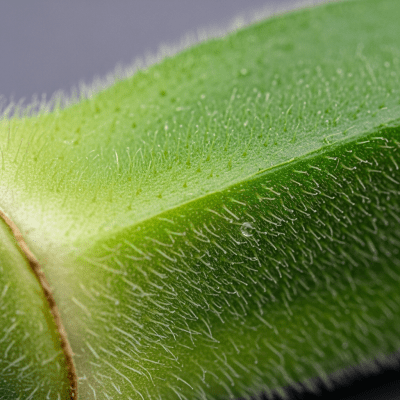
Okra plants are annual and herbaceous, typically reaching heights of 1–2 meters. They feature erect stems, deeply lobed leaves, and striking hibiscus-like flowers in shades of white or yellow with purple centers. The pods—elongated, pentagonal, and most often green (sometimes red)—range from 5 to 20 cm in length. When harvested young, the pods are tender and slightly crisp; when cooked, they develop a distinctive mucilaginous (gel-like) texture that thickens dishes. Pod color, ribbing, and length vary by cultivar and region.
Okra’s primary utility lies in its edible pods, which are harvested immature for cooking. Its mucilage is sought after for thickening stews and soups, notably in gumbo and okra soup. The vegetable adapts well to hot, dry climates and is grown both in small gardens and large-scale farms. Okra pods are eaten whole, sliced, fried, pickled, or dried, and even the seeds can be roasted as a coffee substitute. Its rapid growth and heat tolerance make it an important crop in regions with challenging climates.
Bring this kind into your world illustrated posters, mugs, and shirts.
Archival print, museum-grade paper
Buy Poster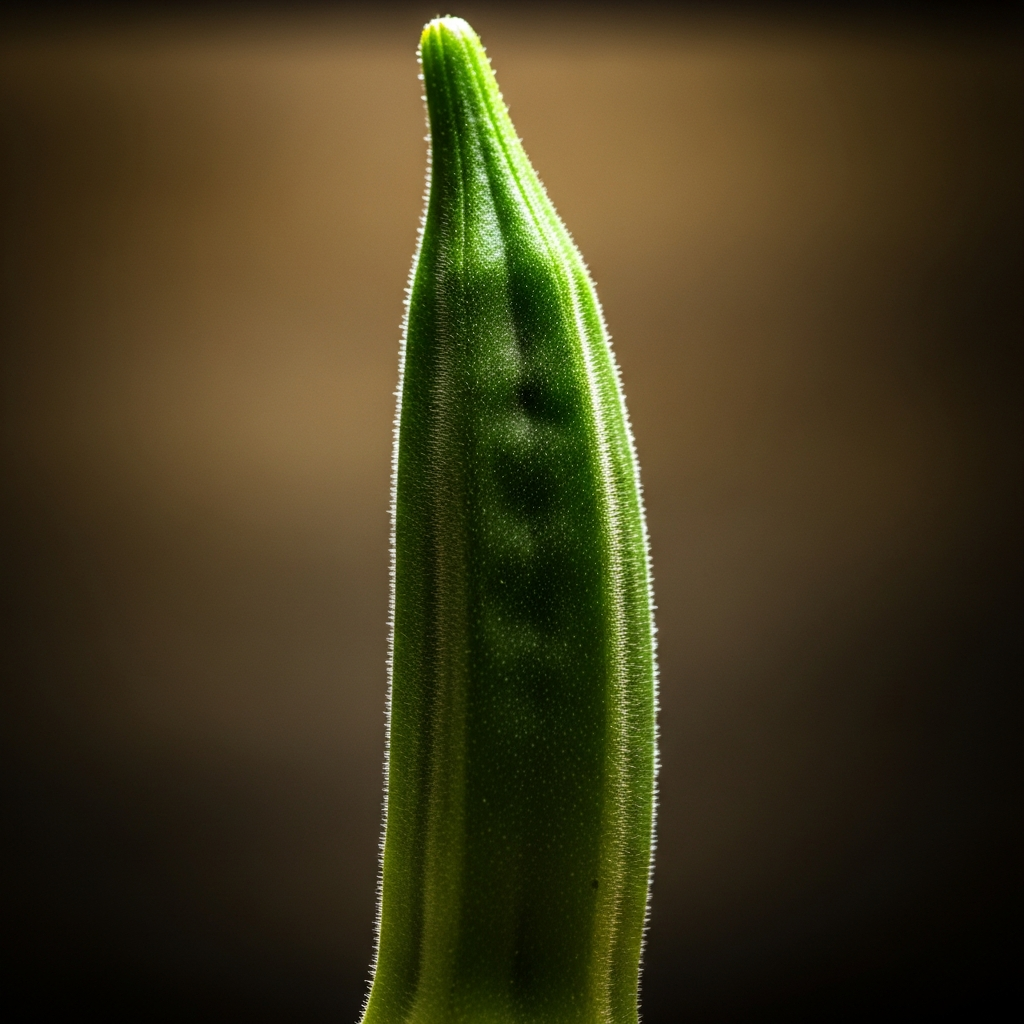
Stoneware mug, dishwasher safe
Buy Mug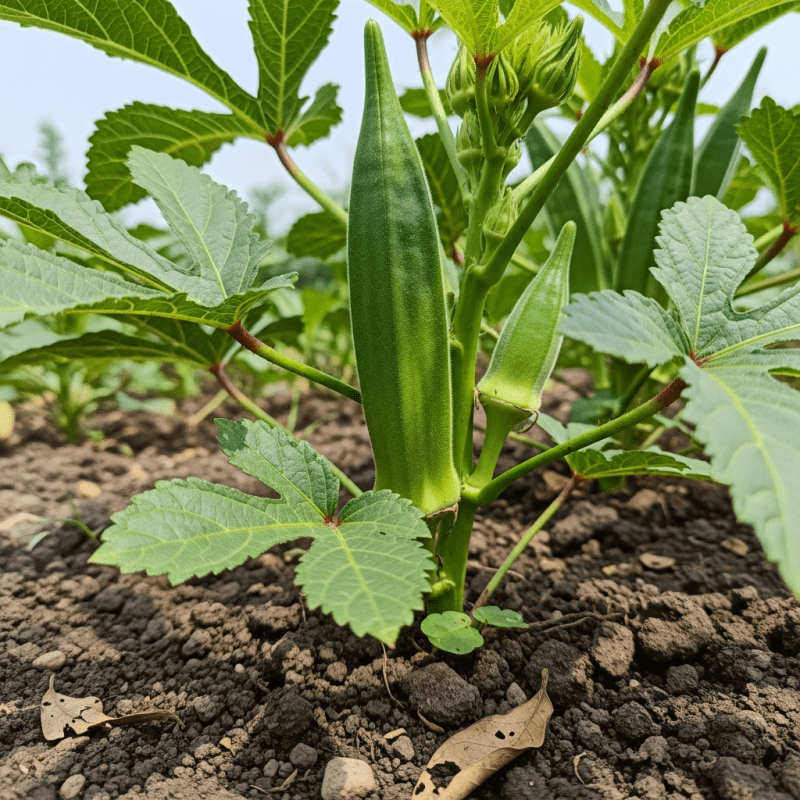
Soft cotton tee, unisex sizes
Buy ShirtOkra holds a prominent place in the cuisines and cultures of Africa, South Asia, the Middle East, and the Americas. Known by names such as "Lady’s Finger," "Gumbo," "Bhindi," and "Bamya," it appears in iconic dishes like Southern gumbo, Indian bhindi masala, and West African okra soup. Its role in traditional diets, folklore, and foodways reflects centuries of adaptation and culinary creativity, and its presence in comfort foods and festive meals underscores its enduring cultural resonance.
Okra is low in calories and rich in dietary fiber, making it a healthy addition to many diets. It provides significant amounts of vitamin C, folate, and antioxidants, along with minerals such as magnesium and potassium. Its nutritional profile supports digestive health, immune function, and overall wellness, especially in staple diets across the tropics.
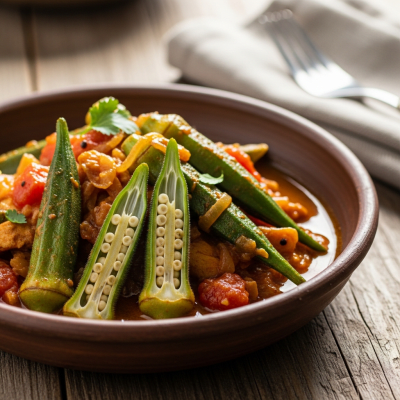
Okra is celebrated for its versatility in the kitchen. It is commonly cooked in stews, soups, stir-fries, and fried dishes, where its mucilage thickens and enriches the texture of meals. Dishes like gumbo (Southern US), bhindi masala (India), and okra soup (West Africa) showcase its culinary importance. Pods may be eaten whole, sliced, pickled, or dried, and seeds are sometimes roasted as a coffee alternative. Okra’s mild flavor adapts well to spices and aromatic ingredients, making it a favorite in both everyday and festive recipes.
Okra thrives in tropical and subtropical climates, thanks to its remarkable tolerance for heat and drought. It is grown as an annual crop, typically reaching commercial yields of 5–12 metric tons per hectare. The plant prefers well-drained soils and benefits from regular watering during dry spells. Okra is susceptible to pests like aphids and whiteflies, and diseases such as powdery mildew and yellow vein mosaic virus, but resistant cultivars are available. Harvesting pods while immature ensures tenderness and optimal quality, while storage at 7–10°C with high humidity extends shelf life.
Major pests affecting okra include aphids and whiteflies, while common diseases are powdery mildew and yellow vein mosaic virus. Breeding efforts have produced cultivars with improved resistance, but vigilance is needed in cultivation to manage infestations and maintain healthy crops.
Okra is known by many names—Lady’s Finger (UK, India), Gumbo (Southern US, French Creole), Bhindi (Hindi, Urdu), Quiabo (Brazil), Bamya (Middle East), and Okro (West Africa)—and its culinary uses vary widely. Red okra varieties are grown in some regions, and local landraces are often named for their unique traits. Dishes and preparation methods reflect regional tastes, from spicy curries in South Asia to hearty stews in West Africa and the American South.
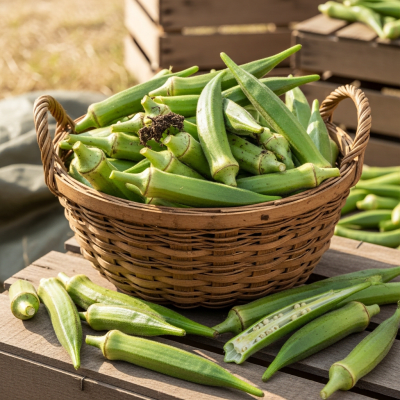
For best quality, select okra pods that are bright green (or red, depending on variety), firm, and free from blemishes. Smaller, younger pods are more tender and less fibrous. Store okra at 7–10°C with high humidity to slow aging and preserve freshness; use within a few days, as pods quickly lose quality. Okra can also be frozen, canned, or dried for extended shelf life. Avoid washing pods until ready to use, as excess moisture can accelerate spoilage.