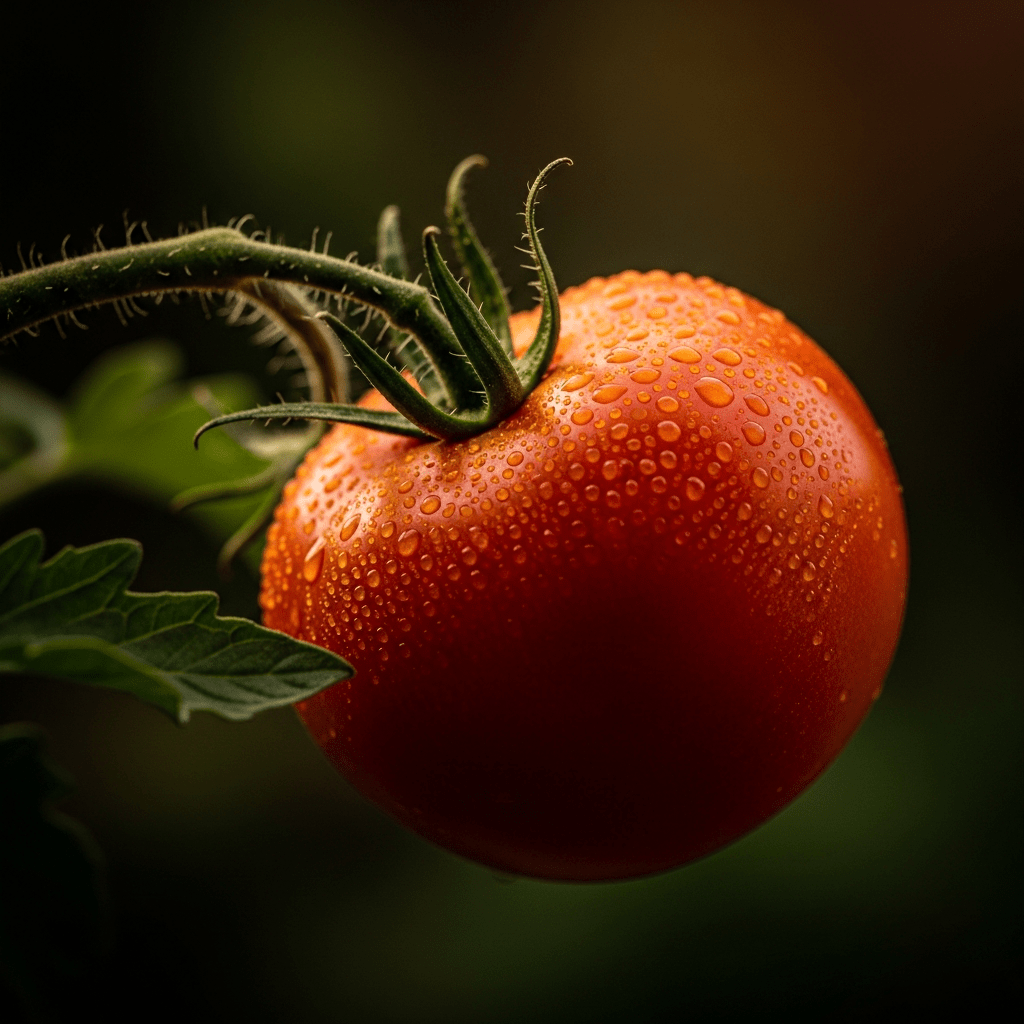
Tomato
The tomato is a vibrant, juicy edible plant universally regarded as a vegetable in kitchens and markets, prized for its versatility and central role in global cuisine.
The tomato is a vibrant, juicy edible plant universally regarded as a vegetable in kitchens and markets, prized for its versatility and central role in global cuisine.
Originating in western South America, the tomato was first domesticated by indigenous peoples in Mexico long before European contact. Its journey to global prominence began in the 16th century, when Spanish explorers introduced it to Europe. Over centuries, the tomato underwent extensive breeding, blending wild and cultivated lineages, and today it is grown worldwide, with modern varieties shaped by contributions from agricultural institutions such as the USDA and FAO.
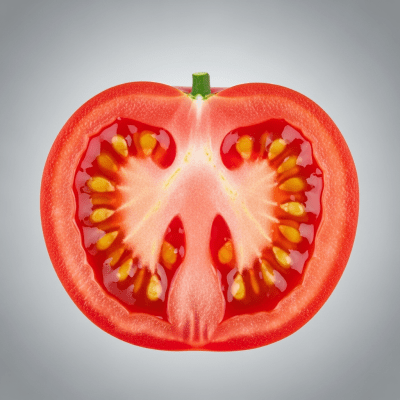
Botanically, the tomato is classified as Solanum lycopersicum within the family Solanaceae. Though technically a berry fruit, it is almost always treated as a vegetable in culinary and trade contexts, reflecting a broader pattern where culinary convention overrides botanical precision. Its close relatives include potatoes, eggplants, and peppers, all members of the same family.
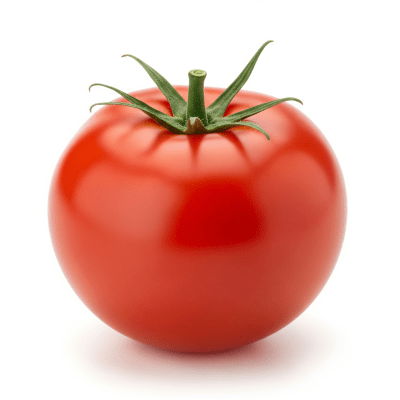
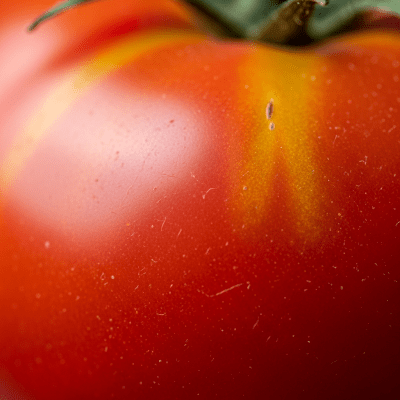
Tomatoes are typically round or oblate, with smooth, glossy skin and a fleshy, juicy interior. Most are bright red when ripe, though cultivars span a spectrum from yellow and orange to green, purple, and even black. Fruits range from petite cherry types to large beefsteaks, measuring 2–10 cm in diameter. The plant itself is a leafy, aromatic annual or short-lived perennial, growing up to 3 meters tall.
Tomatoes are celebrated for their culinary adaptability. They are enjoyed raw in salads and sandwiches, cooked in sauces, soups, and stews, and processed into products like paste, juice, and ketchup. Their balance of acidity and sweetness makes them a foundational ingredient across Mediterranean, Latin American, Asian, and North American cuisines. In agriculture, tomatoes are grown in both determinate (bush) and indeterminate (vining) forms, with commercial yields varying widely based on practices and cultivar.
Bring this kind into your world illustrated posters, mugs, and shirts.
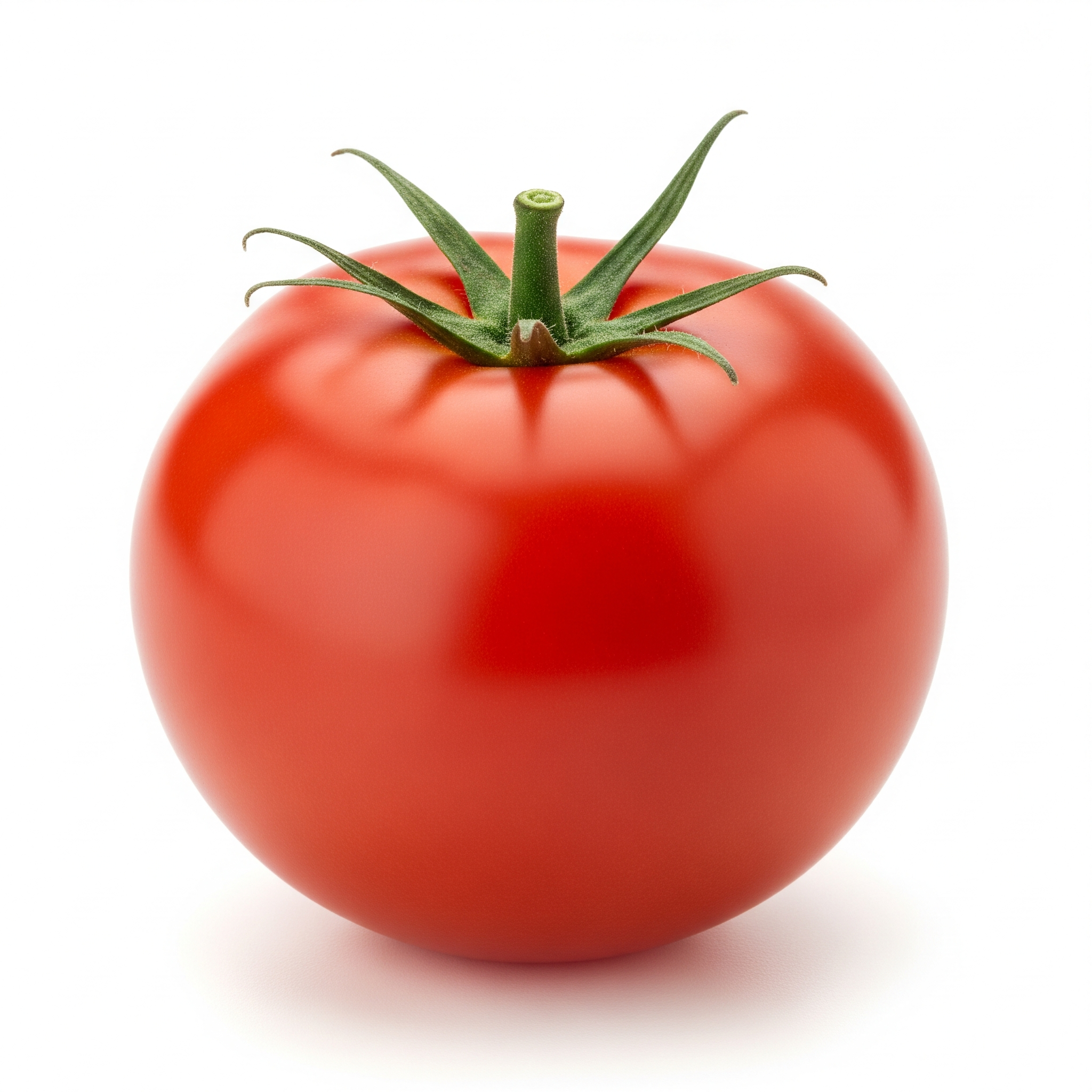
Archival print, museum-grade paper
Buy Poster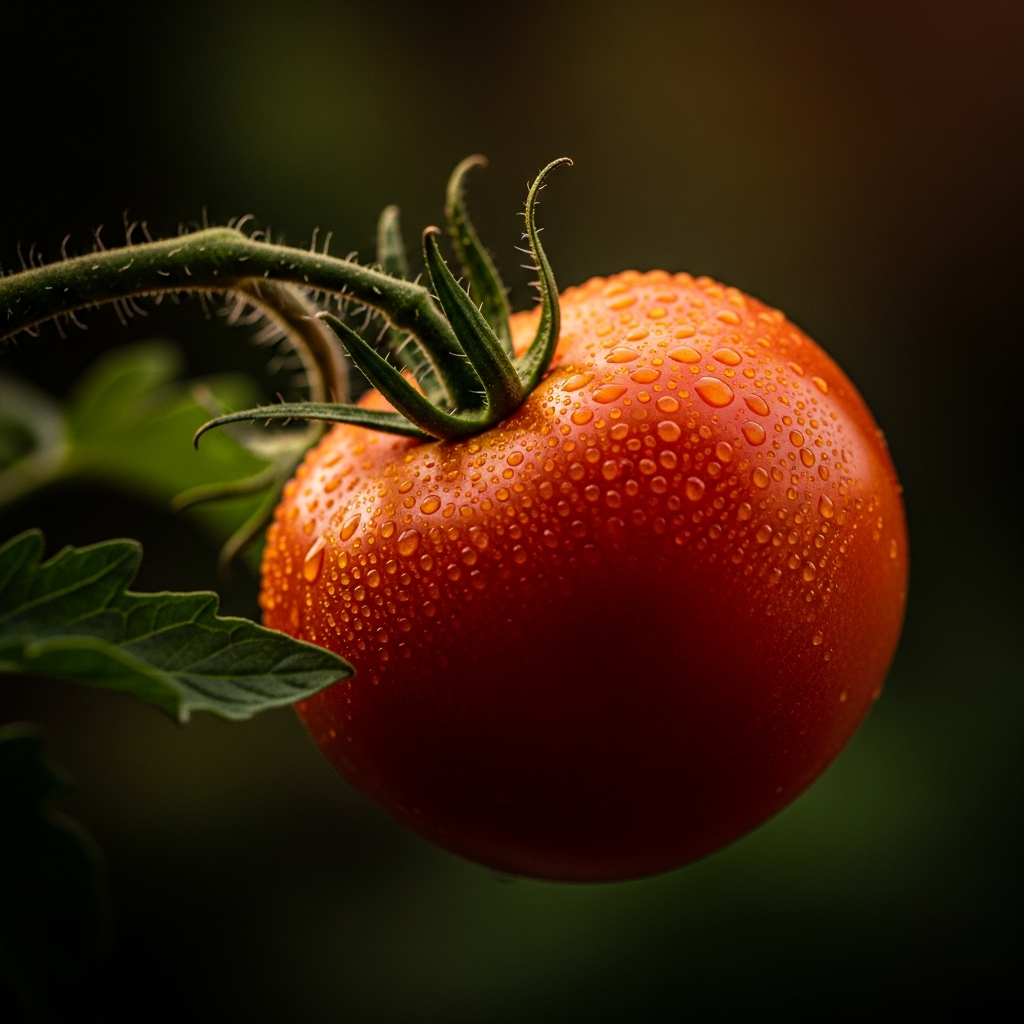
Stoneware mug, dishwasher safe
Buy Mug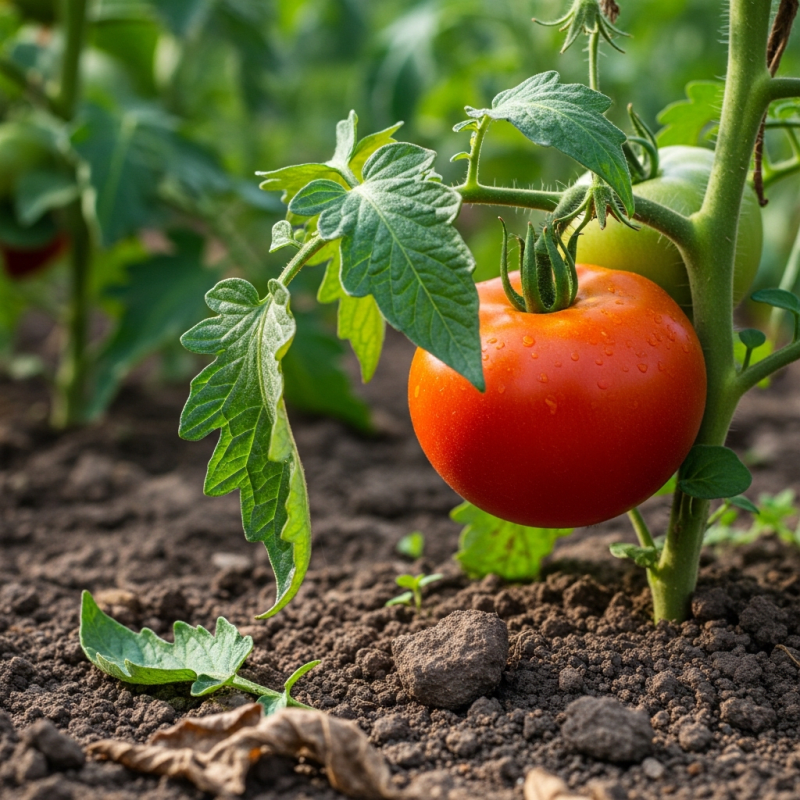
Soft cotton tee, unisex sizes
Buy ShirtFew vegetables have achieved the cultural stature of the tomato. Its arrival in Europe transformed culinary traditions, especially in Italy, where it became the heart of iconic dishes like pasta sauces and pizza. In Mexico, the tomato’s indigenous roots are reflected in language and cuisine. The fruit’s status as a vegetable was even debated in court—famously, the U.S. Supreme Court classified it as a vegetable for trade purposes in 1893. Tomatoes feature in art, literature, and folklore, symbolizing abundance, health, and the fusion of old and new worlds.
Tomatoes are low in calories and rich in vitamin C, potassium, and folate. They are a significant dietary source of lycopene, a powerful antioxidant associated with heart health and cancer prevention. Their high water content and fiber contribute to hydration and digestive wellness.
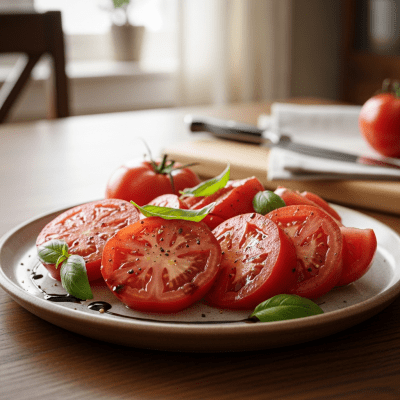
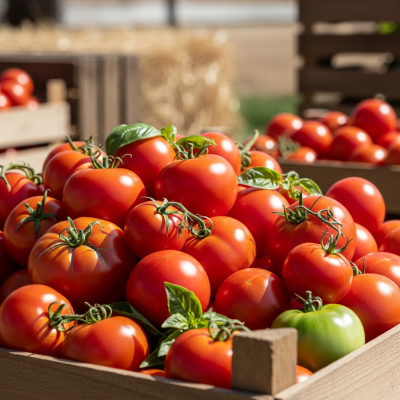
Tomatoes shine in countless culinary roles: sliced fresh in salads and sandwiches, simmered into sauces and soups, roasted, grilled, or sun-dried. They are the backbone of Mediterranean dishes, salsas, and ketchup, and are essential in both home and professional kitchens worldwide. Processing extends their utility into canned tomatoes, pastes, juices, and more.
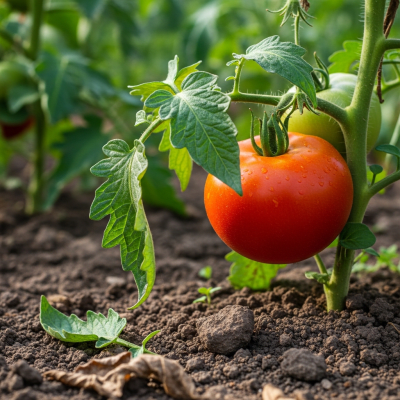
Tomatoes thrive in warm climates with full sun and well-drained, fertile soil. They are grown as annuals, with determinate types suited for compact spaces and indeterminate types for extended harvests. Commercial yields range from 30–80 metric tons per hectare. Tomatoes require regular watering and benefit from staking or caging. They are sensitive to cold; optimal storage is 12–20°C with high humidity to prevent chilling injury and preserve quality.
Tomatoes face threats from late blight, blossom-end rot, fruit cracking, and pests like nematodes. Modern cultivars often carry resistance genes to Fusarium wilt, Verticillium wilt, and Tomato mosaic virus, though susceptibility varies. Integrated pest management and careful selection of resistant varieties help mitigate losses.
Tomato nomenclature and usage shift across regions: in Mexico, “jitomate” refers to the red tomato, while “tomate” may mean green. Italian “pomodoro” and French “tomate” reflect local culinary traditions. Heirloom varieties abound, each with regional stories and flavors. Despite its botanical status as a fruit, the tomato is classified as a vegetable in the U.S. and Europe, shaping its role in trade and cuisine.
Choose tomatoes with firm, smooth skin and vibrant color, free from blemishes or soft spots. Store at room temperature until ripe; refrigeration can dull flavor and texture. For longer preservation, tomatoes may be canned, dried, or made into sauces. Handle gently to avoid bruising, and keep away from direct sunlight for optimal shelf life.