Watercress
Watercress is a fast-growing, aquatic leafy vegetable celebrated for its peppery flavor, crisp texture, and exceptional nutrient density.
Watercress is a fast-growing, aquatic leafy vegetable celebrated for its peppery flavor, crisp texture, and exceptional nutrient density.
Watercress (Nasturtium officinale) traces its roots to Europe and Asia, where it flourished along cool, flowing streams and springs. Its use dates back to ancient Greek and Roman times, prized for both culinary and medicinal purposes. Formally described by botanist Robert Brown in 1812, watercress has been cultivated directly from wild populations for centuries, with no single breeder or institution credited for its domestication.
Botanically, watercress belongs to the Brassicaceae family, which includes other cruciferous vegetables such as broccoli and cabbage. Its genus is Nasturtium and species officinale. In culinary terms, watercress is classified as a leafy vegetable, valued for its fresh, savory qualities and versatility across global cuisines.
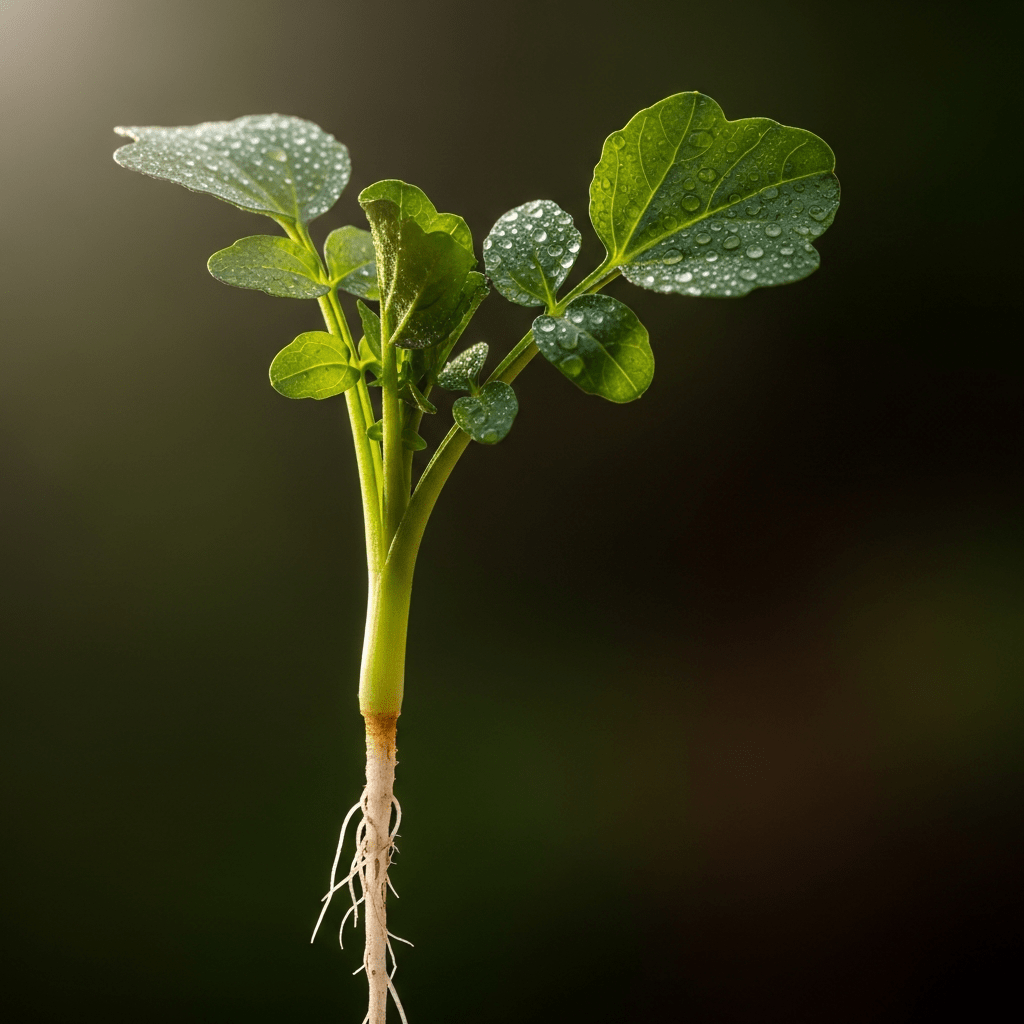
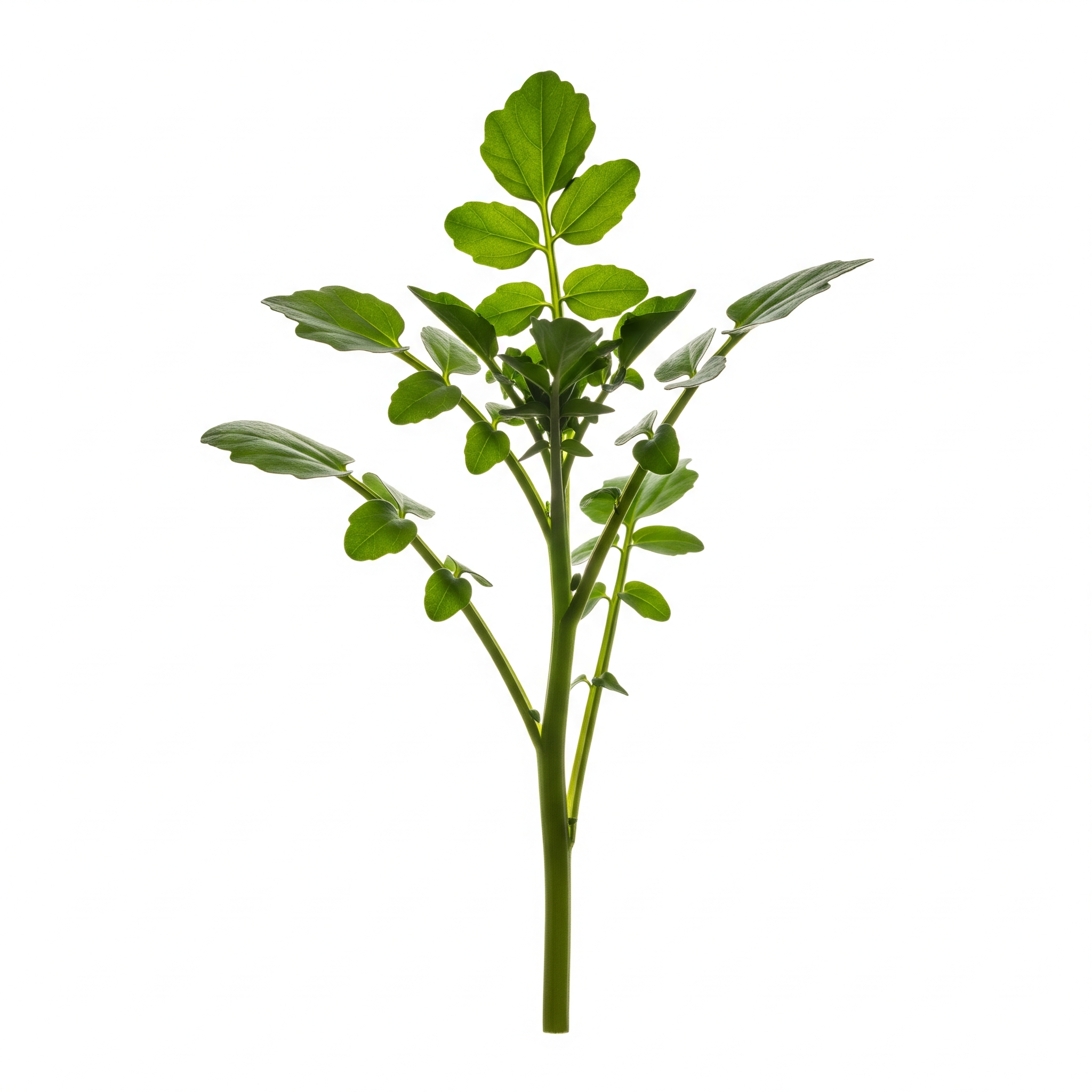
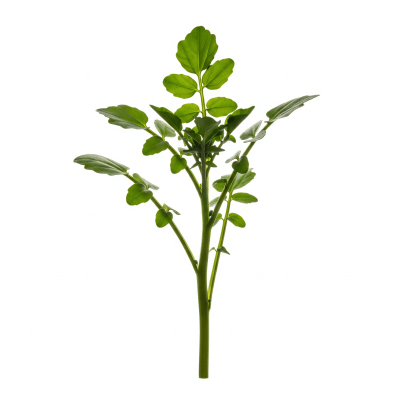
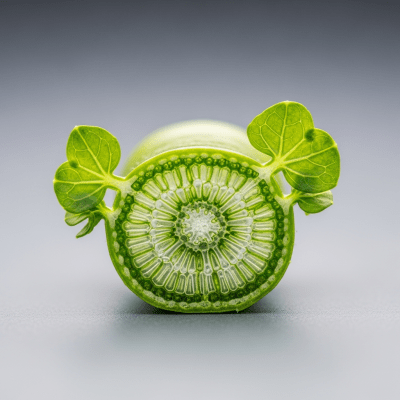
Watercress features dark green, pinnately compound leaves with rounded leaflets, growing on hollow, branching stems that can reach 20–60 cm in height. The plant produces delicate white flowers and boasts a crisp texture. Its leaves deliver a distinctive pungent, peppery taste, making them both visually appealing and flavorful in dishes.
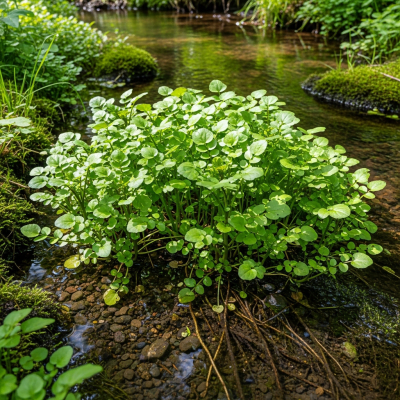
Watercress thrives in aquatic or semi-aquatic environments, preferring cool, clean, flowing water or moist soils. It is harvested primarily for fresh consumption, most often in salads, sandwiches, soups, and as a garnish. Its sharp flavor and nutrient profile make it a staple in British, Mediterranean, and Asian cuisines. Watercress is also valued in traditional medicine and as a natural source of antioxidants.
Bring this kind into your world illustrated posters, mugs, and shirts.
Archival print, museum-grade paper
Buy Poster
Stoneware mug, dishwasher safe
Buy Mug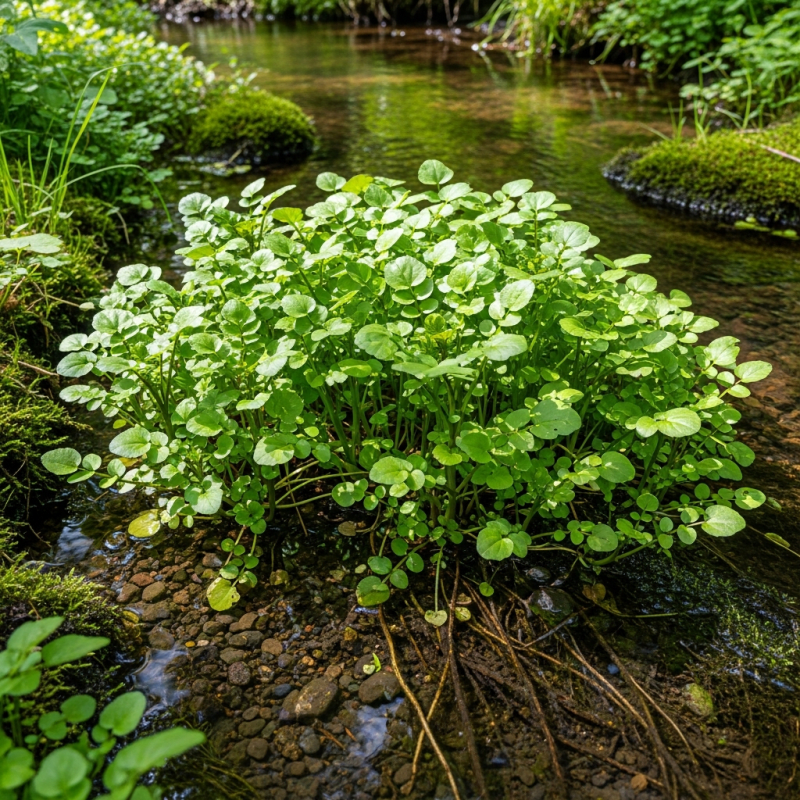
Soft cotton tee, unisex sizes
Buy ShirtThroughout history, watercress has held a place in folklore and daily life. Ancient Greeks and Romans regarded it as a health-promoting herb, and it became a symbol of vitality in Victorian England, where "watercress girls" sold bunches on city streets. Its reputation as a "poor man's bread" highlights its accessibility and importance in working-class diets. Today, watercress continues to be celebrated for its culinary and nutritional contributions in cultures worldwide.
Watercress boasts a dense concentration of essential vitamins and minerals, including vitamin C, vitamin K, calcium, and iron. Its antioxidant properties support immune health and overall wellness, making it a top choice for nutrient-rich diets.
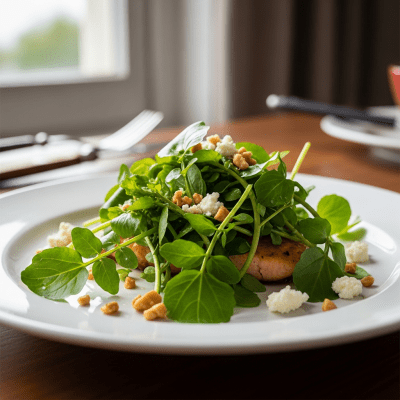
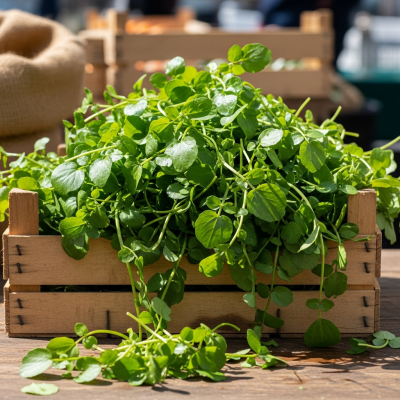

Watercress is most often enjoyed fresh in salads, sandwiches, and as a vibrant garnish. Its peppery bite enhances soups and pairs well with eggs, meats, and cheeses. In British cuisine, watercress is a classic addition to tea sandwiches, while Asian and Mediterranean dishes use it for its flavor and nutritional value.
Watercress thrives in cool climates and prefers temperatures between 10–20°C. It is grown in flowing water, moist soils, or hydroponic systems, with optimal yields reaching 10–20 tons per hectare. The plant is susceptible to waterborne pathogens and flea beetles, but its aquatic habitat offers moderate resistance to some fungal diseases. Watercress requires clean water sources for safe cultivation and is best harvested young for peak flavor and texture.
Watercress is primarily grown as a wild-type species, with few widely recognized commercial cultivars. Regional selections may exist, but most market watercress is direct from wild or semi-wild populations.
Major threats to watercress include waterborne pathogens and flea beetles, which can affect crop yield and safety. While its aquatic environment provides moderate resistance to certain fungal diseases, contamination from polluted water sources remains a significant concern for growers.
Watercress is known by various names around the world, including "Berro" (Spanish), "Cresson de fontaine" (French), "Shui Bai Cai" (Chinese), and "Kresse" (German). It is cultivated in over 50 countries, with major production in the UK, USA, China, and across Europe. Some confusion exists with related species, such as Nasturtium microphyllum, but watercress remains a staple leafy green in many regional diets.
Choose watercress with vibrant, dark green leaves and crisp stems. Avoid wilted or yellowing bunches. Store watercress refrigerated, wrapped in a damp paper towel or kept in a sealed container to maintain moisture. Use within 2–5 days for best quality, and always wash thoroughly before eating to remove potential contaminants.