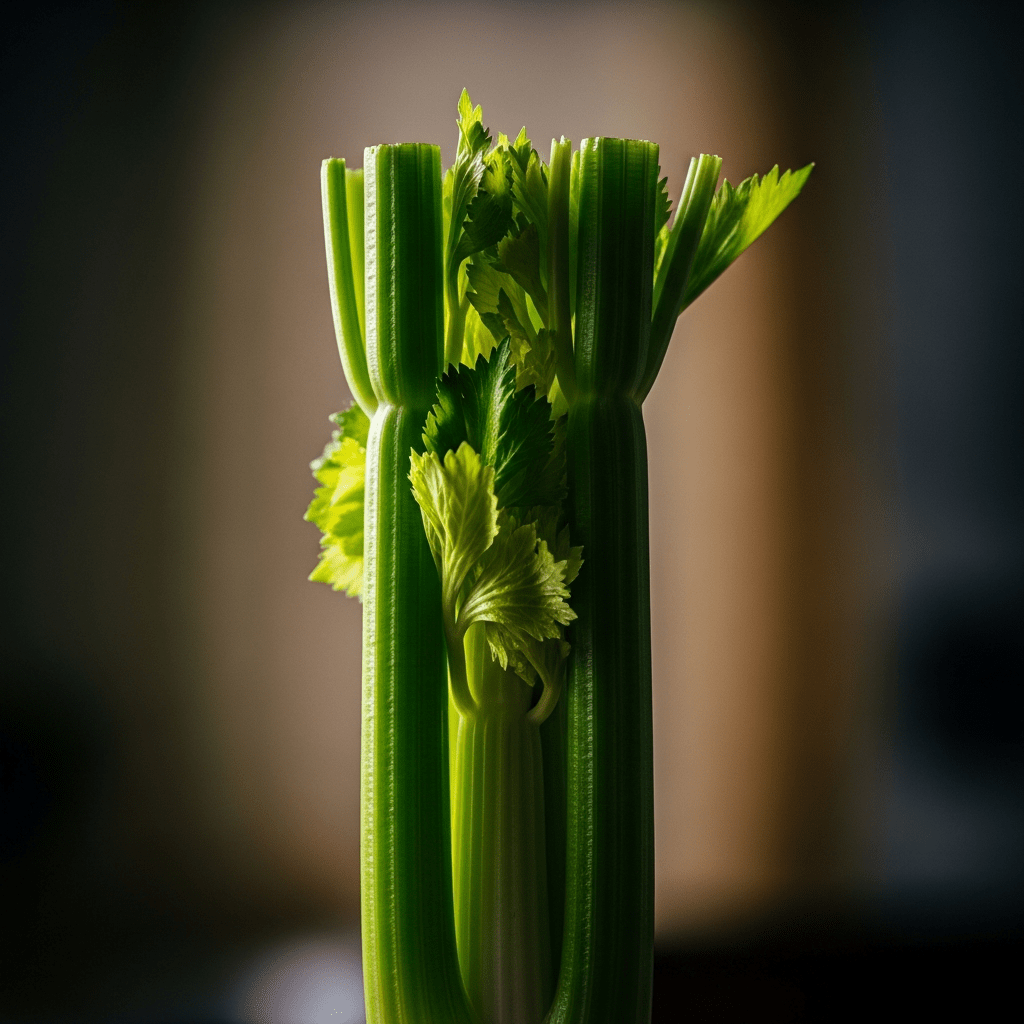
Celery
Celery is a crisp, aromatic stem vegetable prized for its refreshing flavor, versatility in the kitchen, and nutritional benefits.
Celery is a crisp, aromatic stem vegetable prized for its refreshing flavor, versatility in the kitchen, and nutritional benefits.
Celery traces its roots to the Mediterranean basin, where wild forms were cultivated by ancient Egyptians, Greeks, and Romans. Over centuries, selective breeding in France, Italy, and England during the 18th and 19th centuries refined celery into the tender, mild stalks familiar today. Modern celery varieties descend from wild Apium graveolens, with improvements focused on size, texture, and reduced bitterness.
Botanically, celery belongs to the Apiaceae family, under the genus Apium, species graveolens, and is classified as the variety dulce. In culinary terms, it is considered a stem vegetable, valued primarily for its succulent petioles. Celery’s close relatives include celeriac (a root vegetable) and Chinese celery, both distinct species within the same genus.
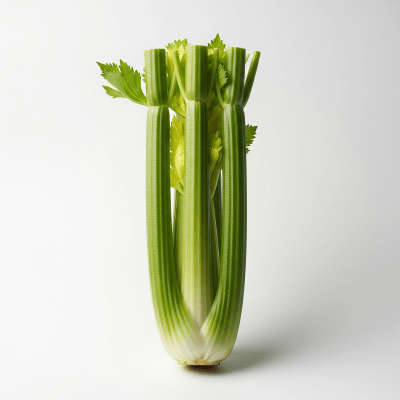
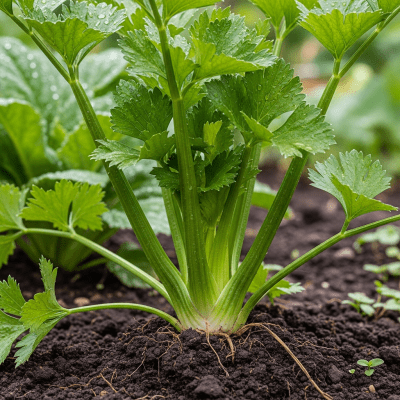
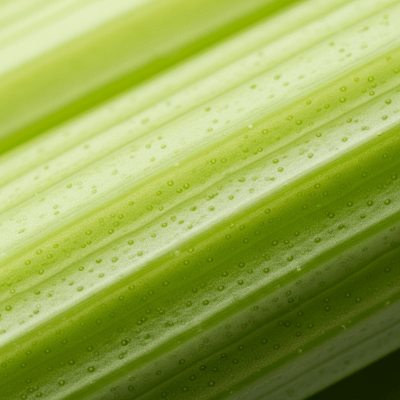
Celery plants feature elongated, ribbed stalks ranging from pale to medium green, sometimes yellowish or blanched in specialty varieties. The stalks are firm and crisp, snapping cleanly when broken. Aromatic, pinnate leaves crown the stems, adding a fresh herbal scent. Mature plants reach 30–60 cm in height, with stalks that are juicy and succulent to the bite.
Celery’s crisp texture and mild, slightly peppery flavor make it a staple in both raw and cooked dishes. It is enjoyed as a snack, a salad ingredient, and a key aromatic in soups, stews, and flavor bases like mirepoix and soffritto. Beyond the stalk, celery leaves are used as herbs, and seeds are harvested for spice. Its high water content and low calories support its popularity as a healthy snack and diet food.
Bring this kind into your world illustrated posters, mugs, and shirts.
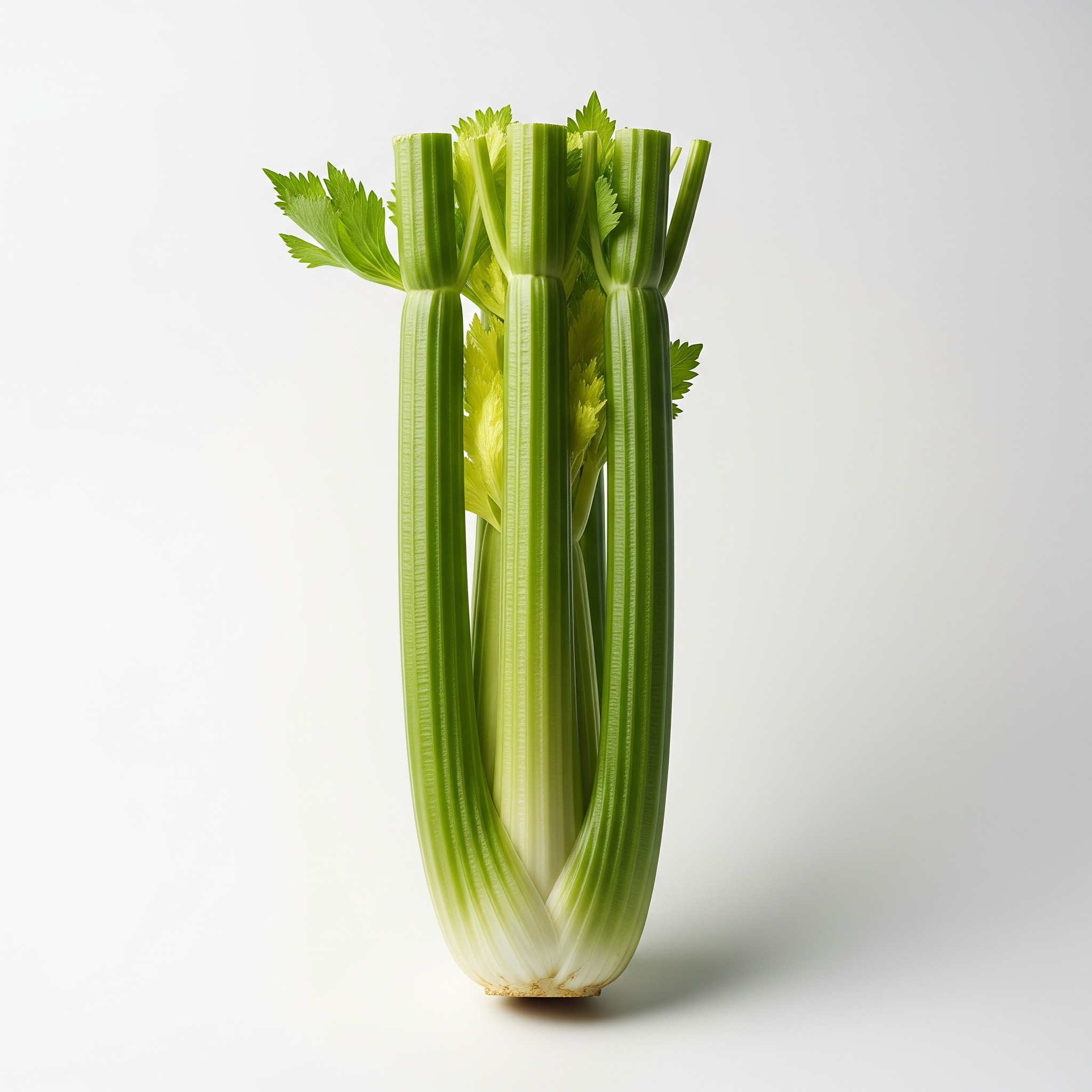
Archival print, museum-grade paper
Buy Poster
Stoneware mug, dishwasher safe
Buy Mug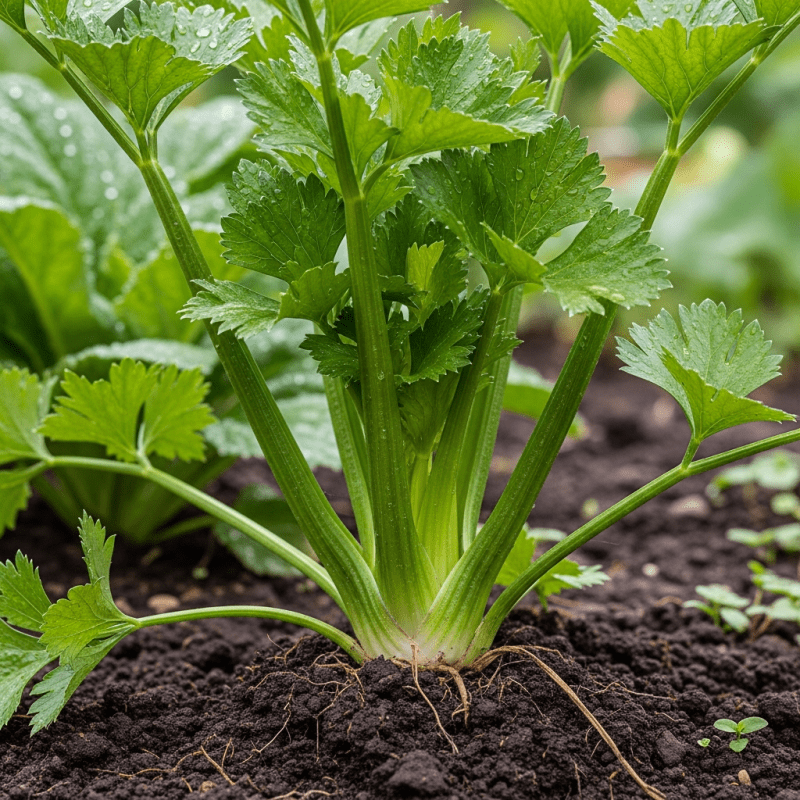
Soft cotton tee, unisex sizes
Buy ShirtCelery has held symbolic and practical roles since antiquity, appearing in ancient Greek and Roman rituals and as a medicinal plant. Today, it remains a classic element in global cuisines, from French mirepoix to American snacks and Asian stir-fries. Its enduring presence in kitchens and markets worldwide reflects both tradition and adaptability.
Celery is low in calories and rich in water, making it a popular choice for hydration and weight management. It provides dietary fiber, vitamin K, vitamin C, potassium, and small amounts of folate and other minerals. Its crunchy texture supports satiety, while antioxidants and phytonutrients contribute to overall health.

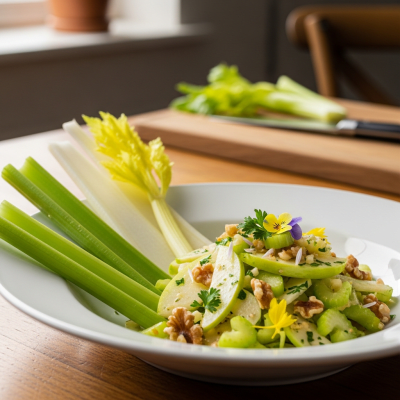
Celery is enjoyed raw in salads, crudités, and as sticks with dips. Cooked, it adds flavor and aroma to soups, stews, stir-fries, and classic bases like mirepoix and soffritto. The stalks can be juiced, dehydrated, or used to make celery salt. Leaves serve as a garnish or herb, and seeds are valued as a spice in pickling and seasoning blends.
Celery is a biennial grown as an annual crop, thriving in cool climates (15–21°C) with consistently moist, fertile, organic-rich soils. It is sensitive to drought and heat, which can cause bolting or pithiness. Commercial yields range from 30–60 tons per hectare. Resistant cultivars help manage diseases such as Septoria leaf spot and Fusarium yellows. For optimal storage, celery is kept refrigerated at 0–2°C and high humidity, lasting 2–4 weeks.
Celery is susceptible to several diseases, including Septoria leaf spot, Fusarium yellows, and bacterial blight. Breeding has produced cultivars with improved resistance, but growers must still manage moisture and temperature to prevent outbreaks. Common pests include aphids and leaf miners, which can be controlled through integrated pest management and careful crop rotation.
In the UK and Commonwealth countries, "celery" refers to the stalk vegetable, while celeriac is recognized as a distinct root crop. Chinese celery (Apium graveolens var. secalinum) is a similar but separate species, favored for its slender, aromatic stems in East Asian cuisine. Regional preferences influence both naming and culinary use, with some areas favoring blanched or self-blanching cultivars for milder flavor.
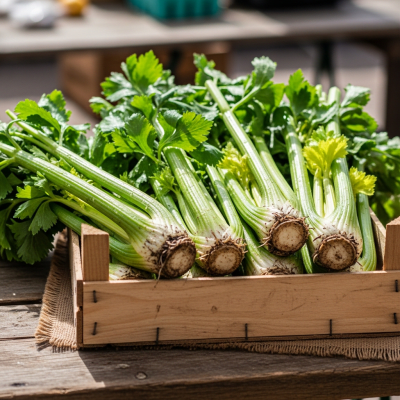
For best quality, select celery with firm, crisp stalks and vibrant green leaves. Avoid limp, rubbery, or yellowing stems. Store celery unwashed in the refrigerator, ideally in a perforated bag or crisper drawer, to maintain high humidity and freshness. Properly stored, celery keeps for 2–4 weeks. To extend shelf life, stalks can be cut and submerged in water or wrapped in foil. Celery can also be frozen or dehydrated for longer-term use.